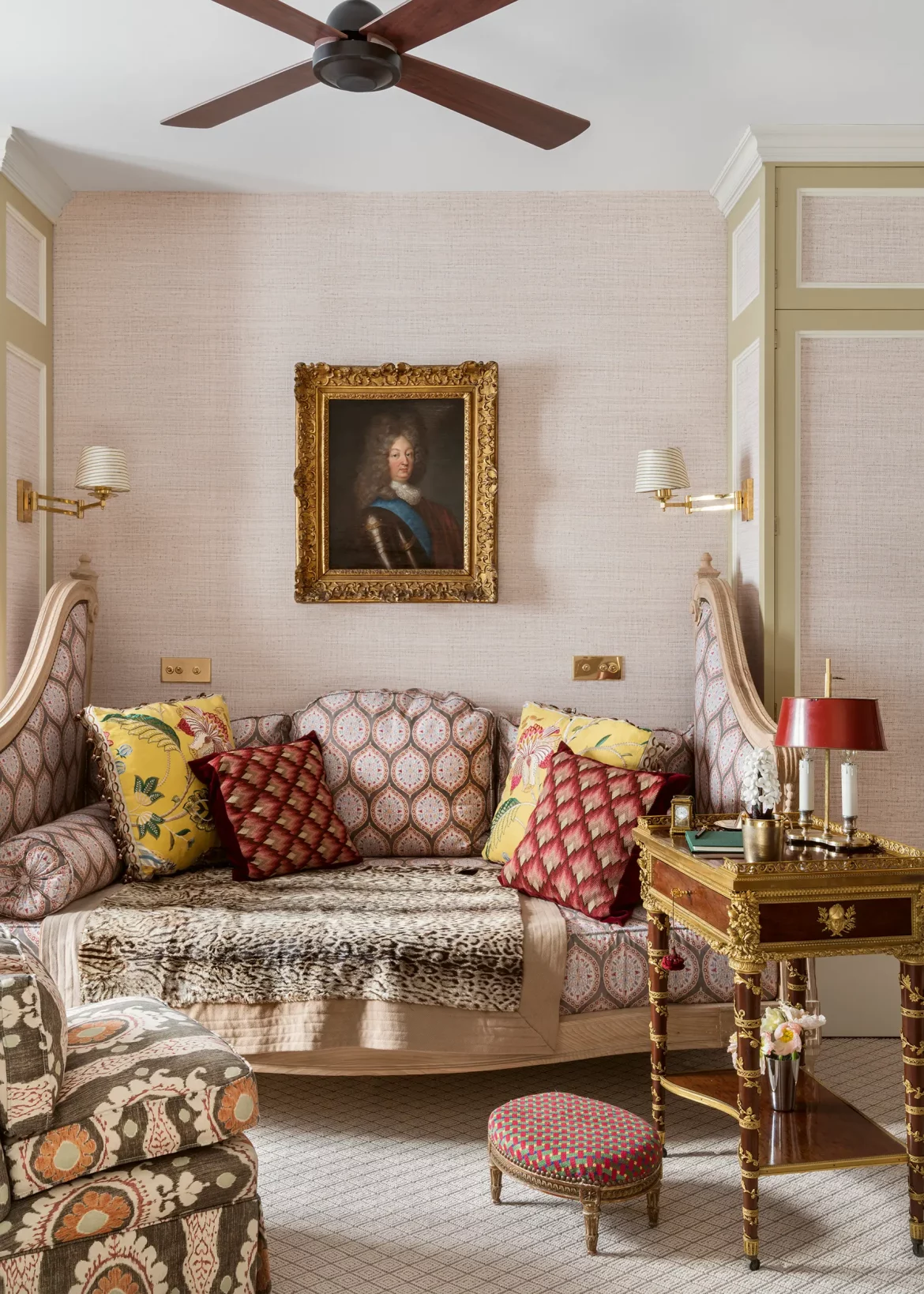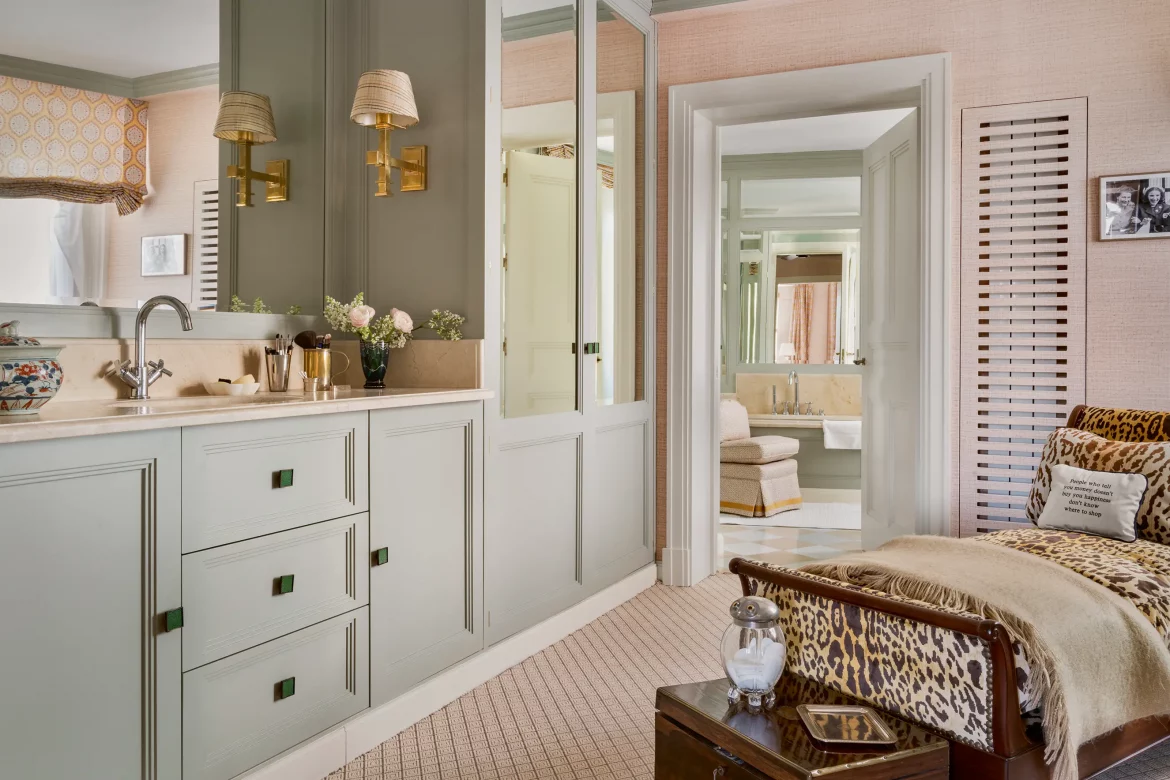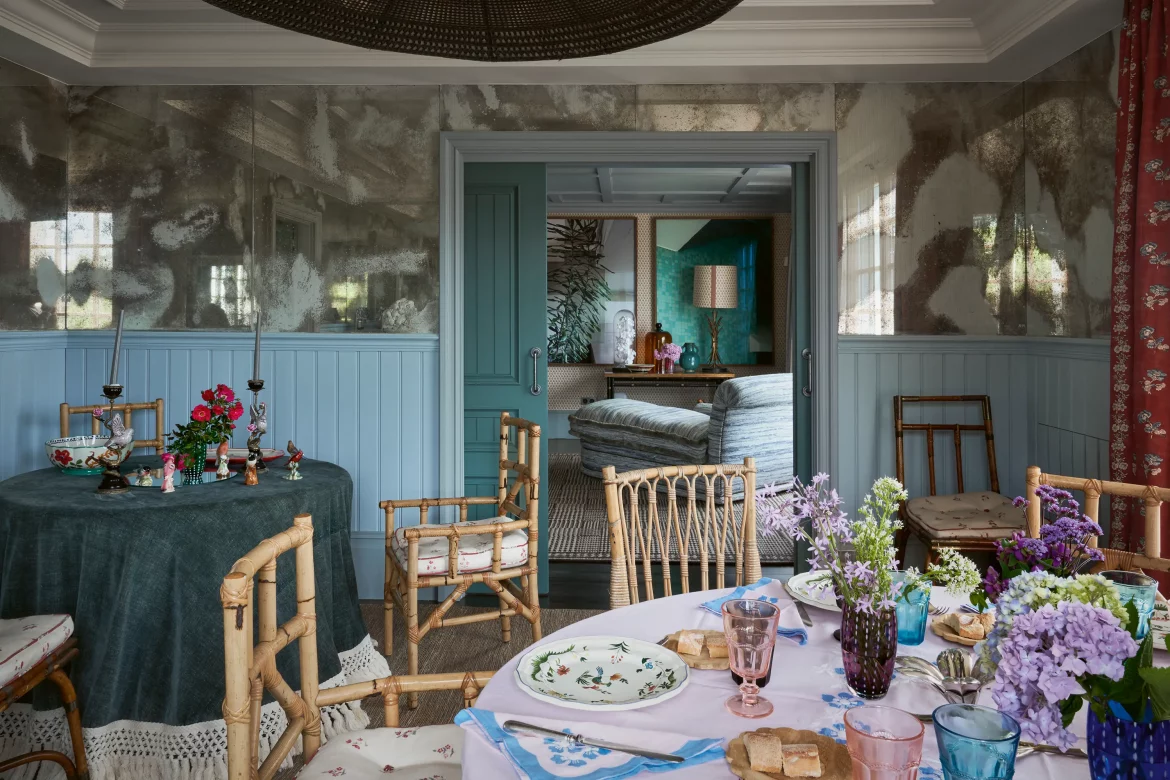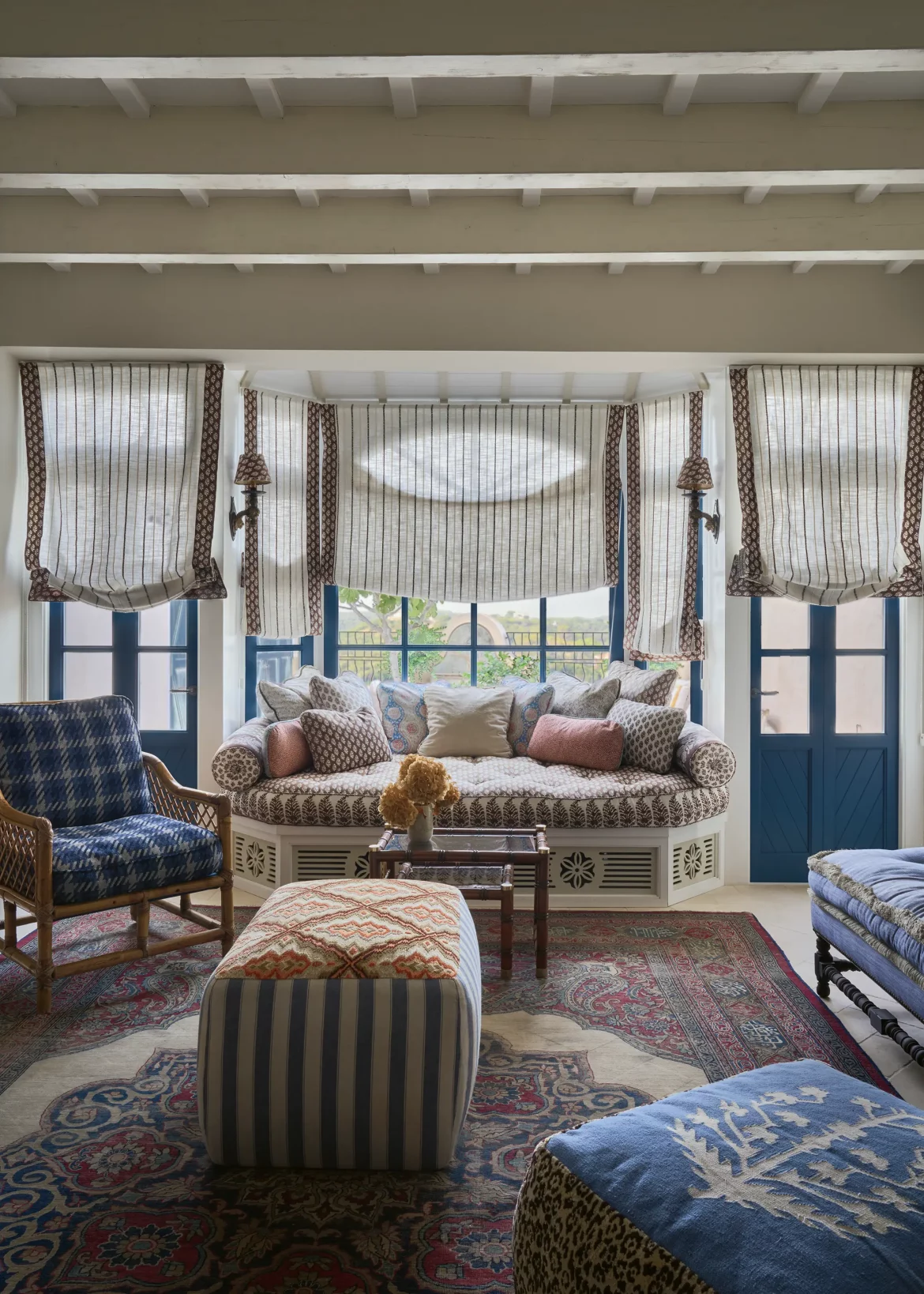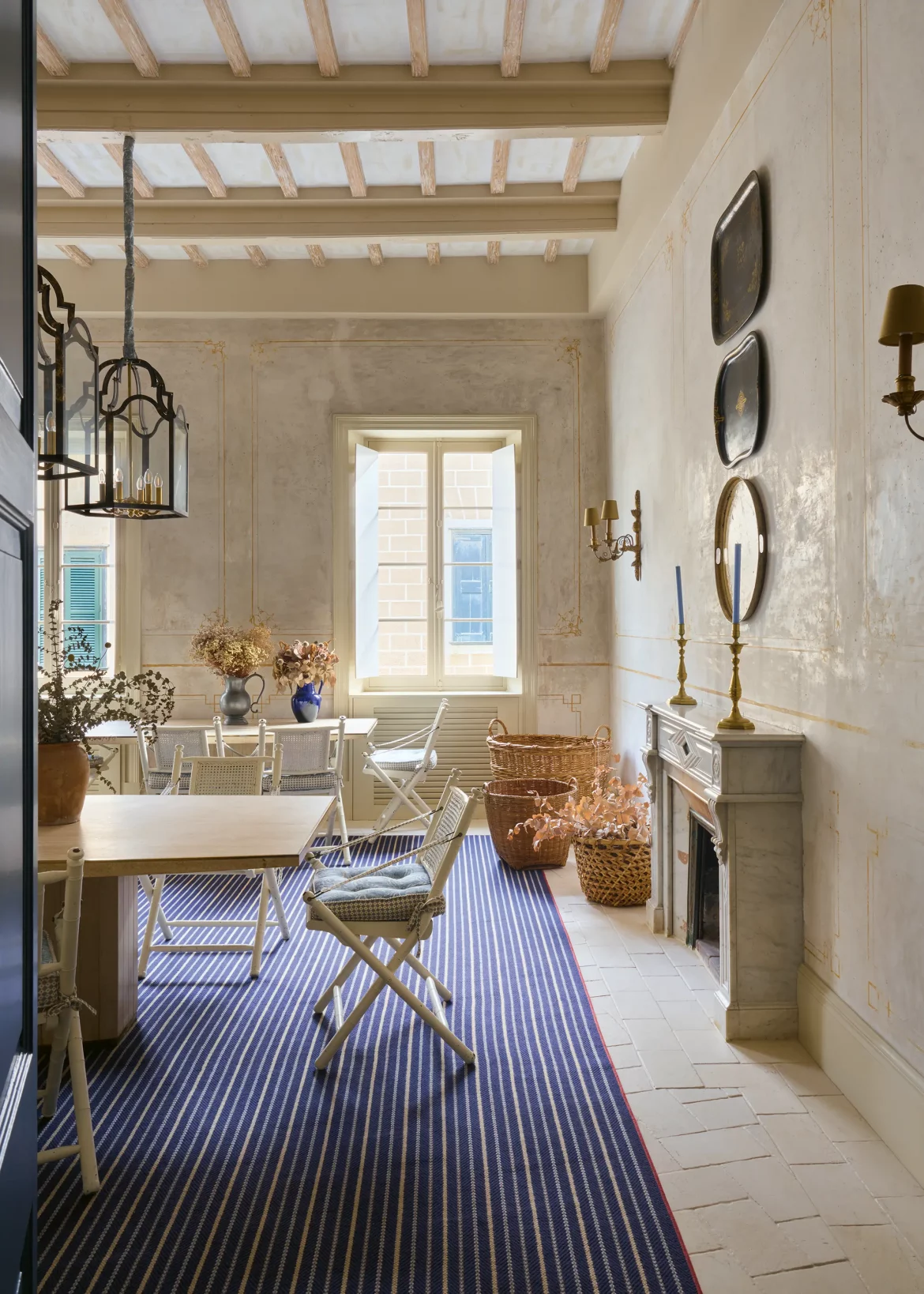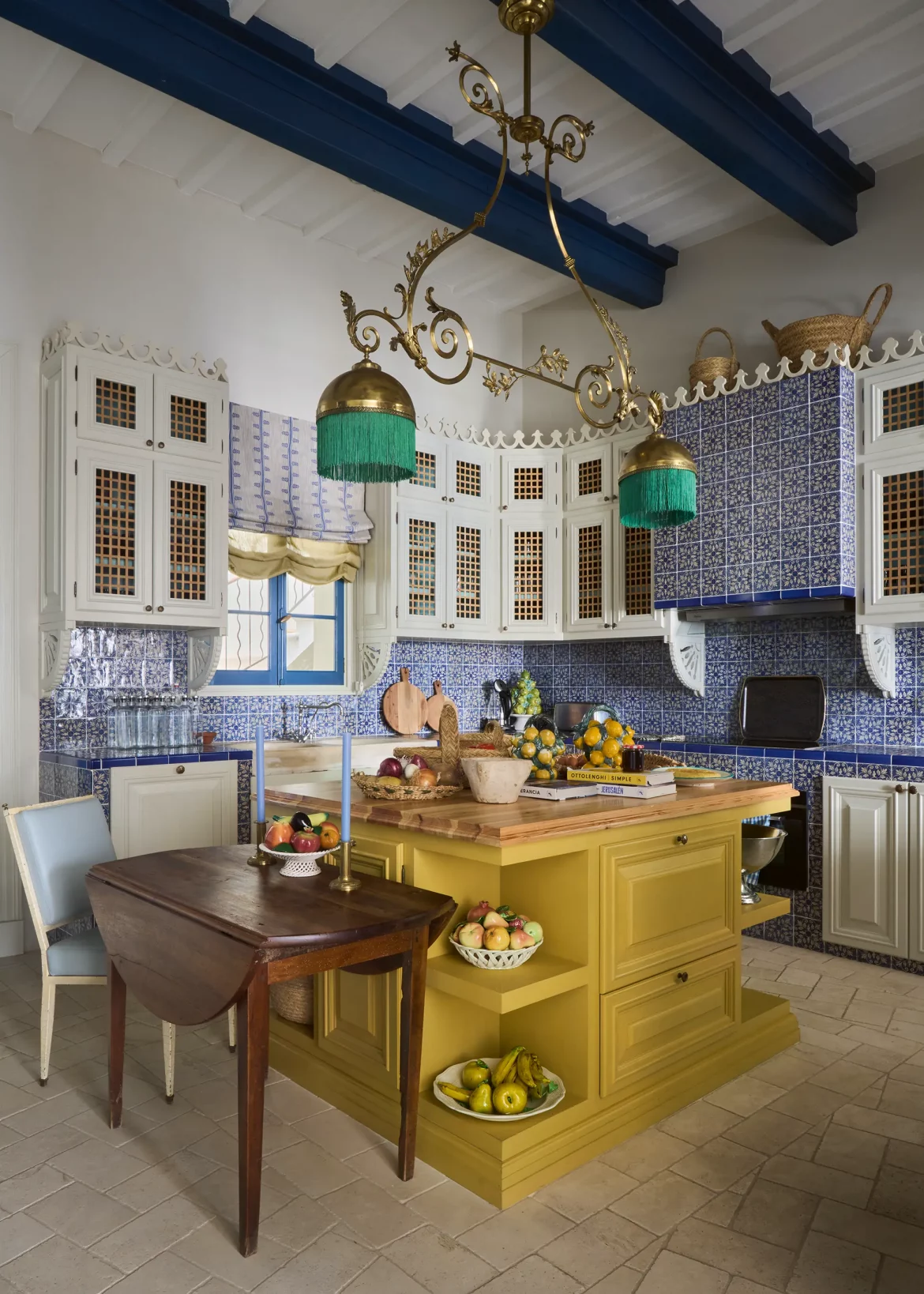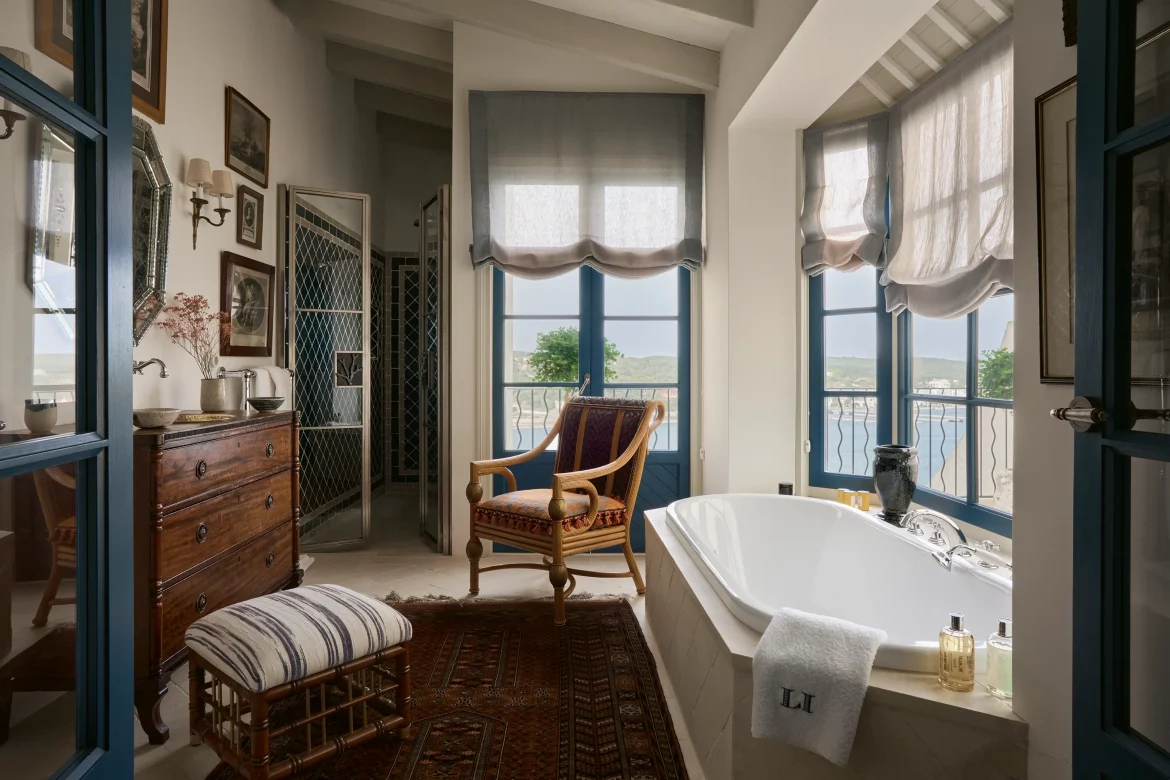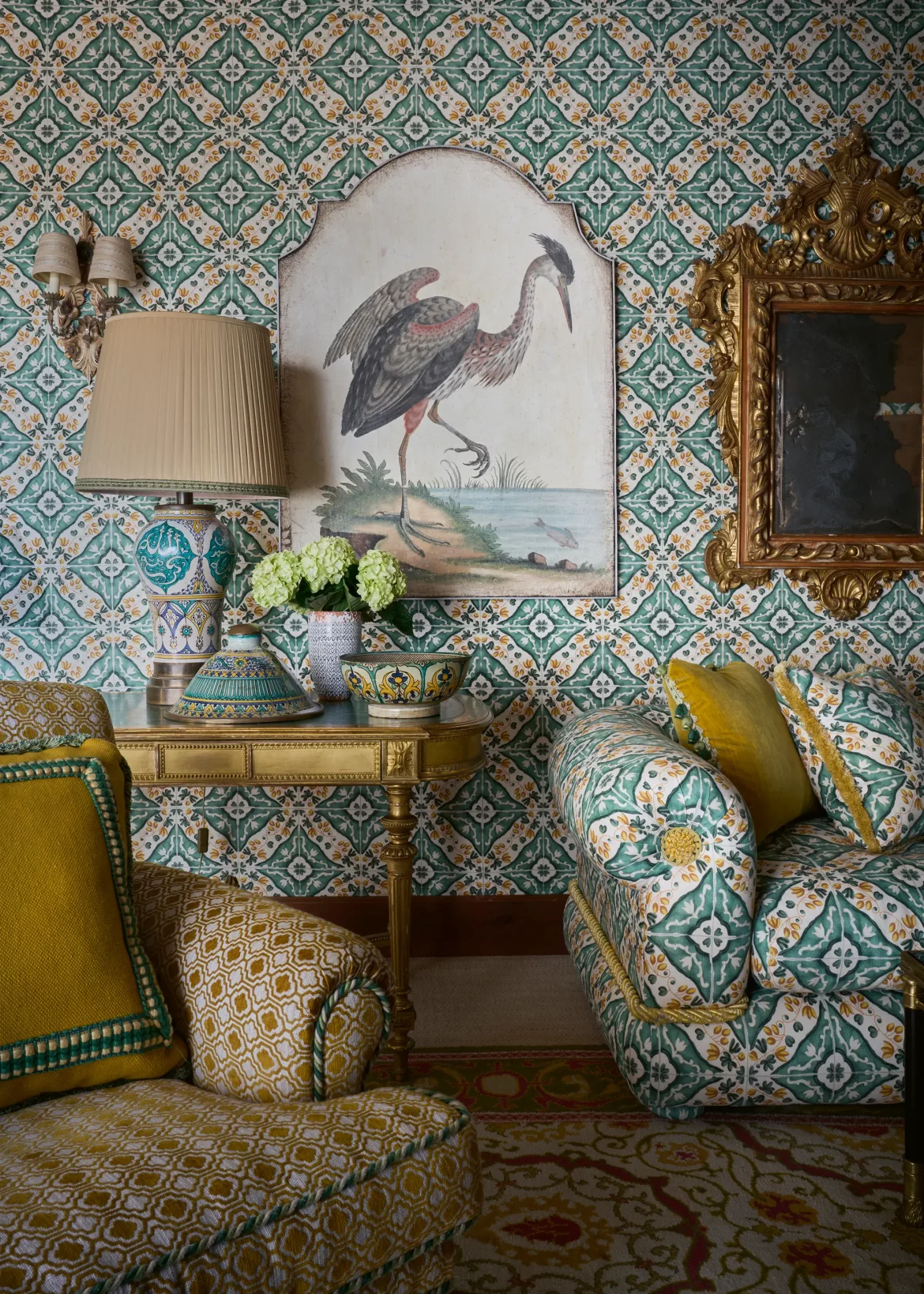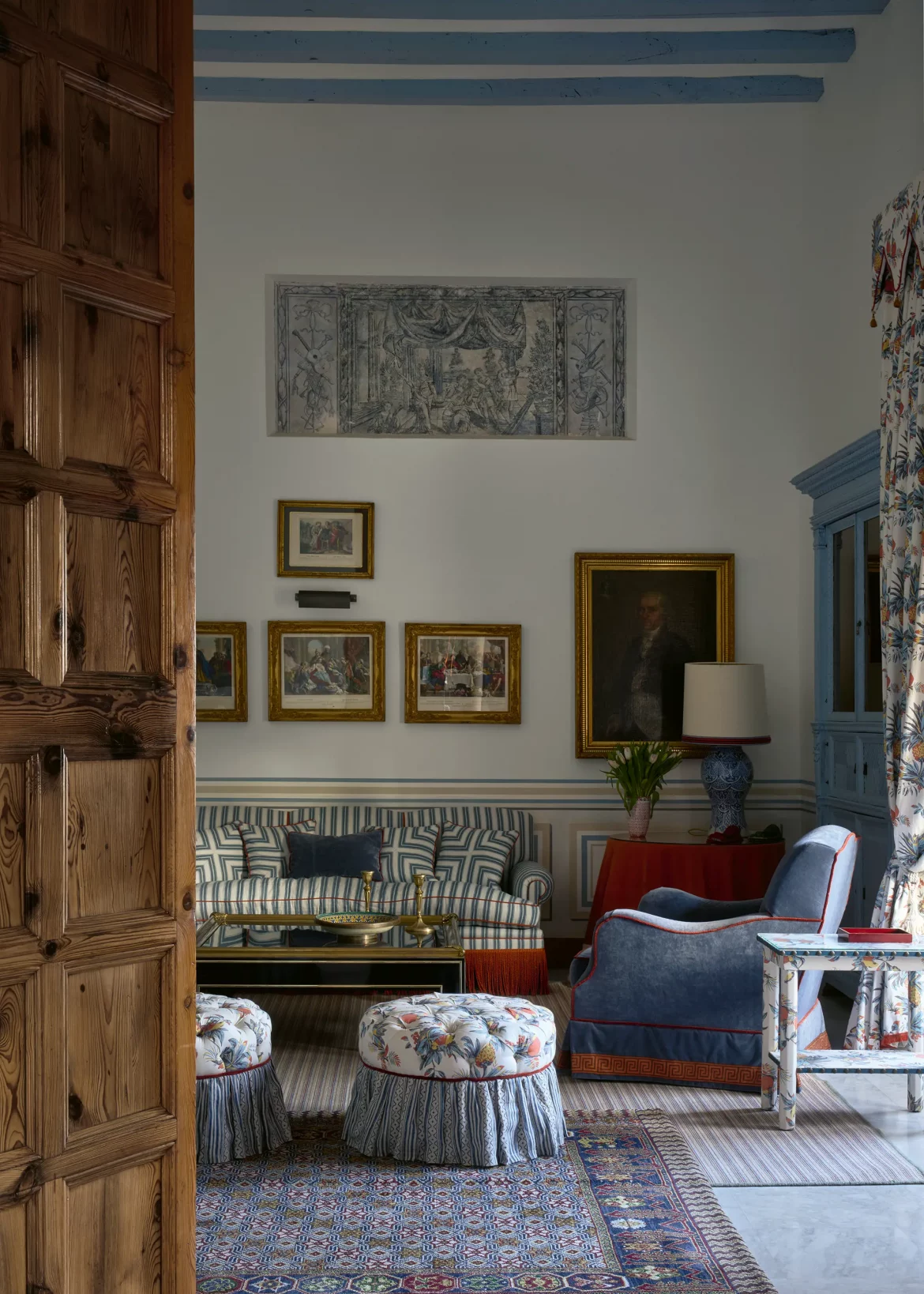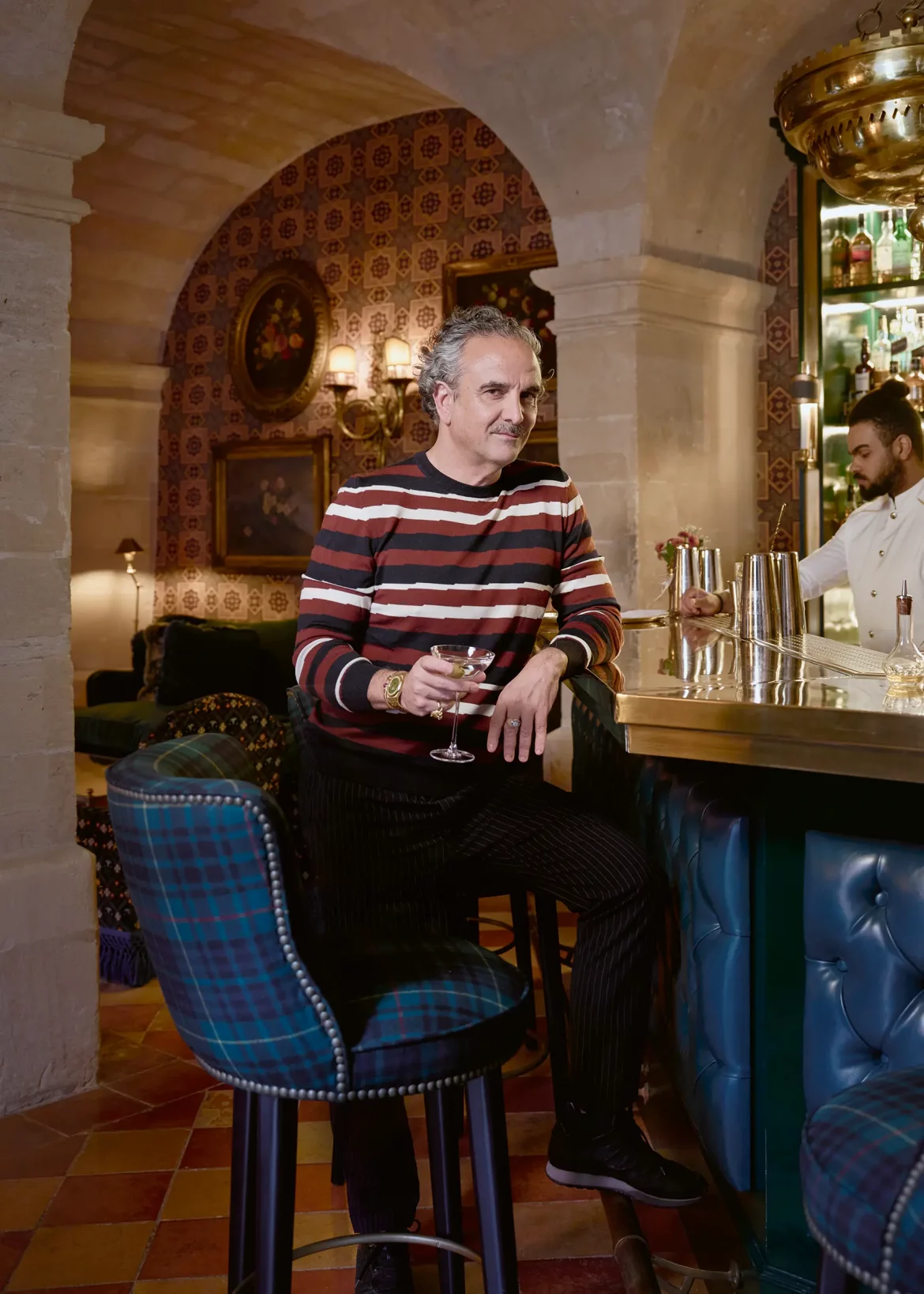



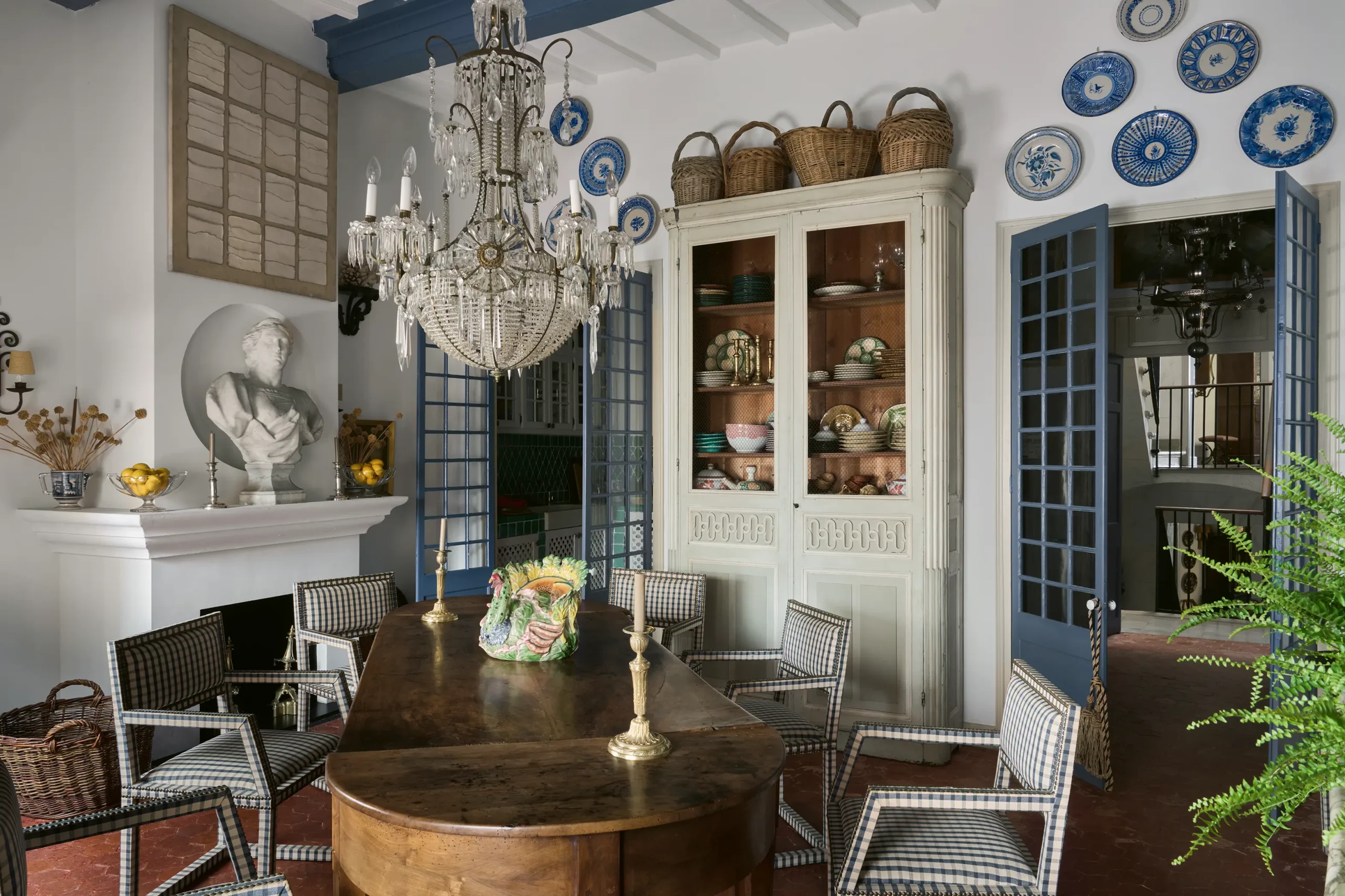
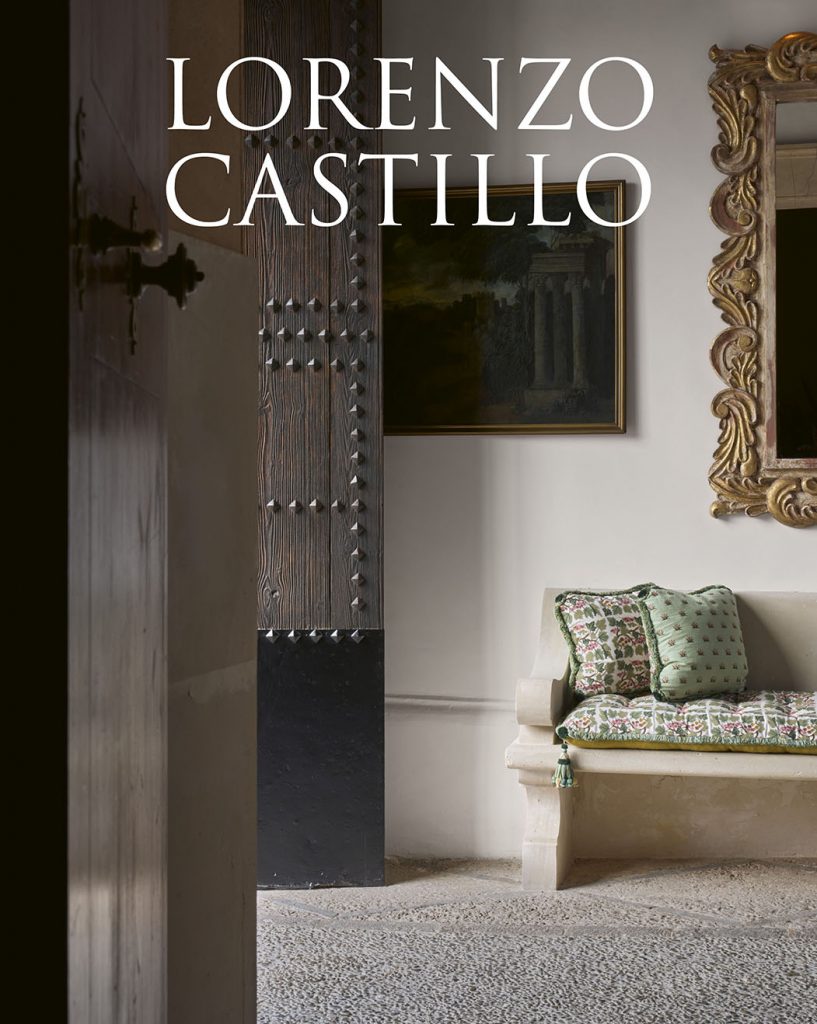
The book Lorenzo Castillo (2026) encompasses a selection of projects developed over the last ten years, which, in the designer’s words, “have represented personal and professional growth that have led me to the pinnacle of my career through works ranging from the most intimate to major challenges.”
True to the care and excellence that characterize Ediciones El Viso, the book has been conceived with extraordinary attention to detail. Throughout its 288 pages, Lorenzo Castillo guides the reader through each project with previously unpublished texts in which he shares the creative insights and stories behind each intervention. The book also features a foreword by Hamish Bowles, one of the most influential voices in the world of design and fashion. The edition is completed by 240 photographs by Manolo Yllera that meticulously document the spaces, revealing the decorative richness, atmosphere, and details that define each residence.
Lorenzo Castillo’s style is distinguished by a sophisticated combination of historical references and contemporary sensibility. His ability to integrate pieces from different eras—antiques, art, and contemporary design—into balanced and elegant compositions is one of the hallmarks of his work. His projects also reflect remarkable versatility and a special talent for interpreting each client’s identity, adapting his aesthetic language to diverse cultural and architectural contexts without sacrificing his own unmistakable signature.
The projects included are:
THE RECTOR’S OFFICE
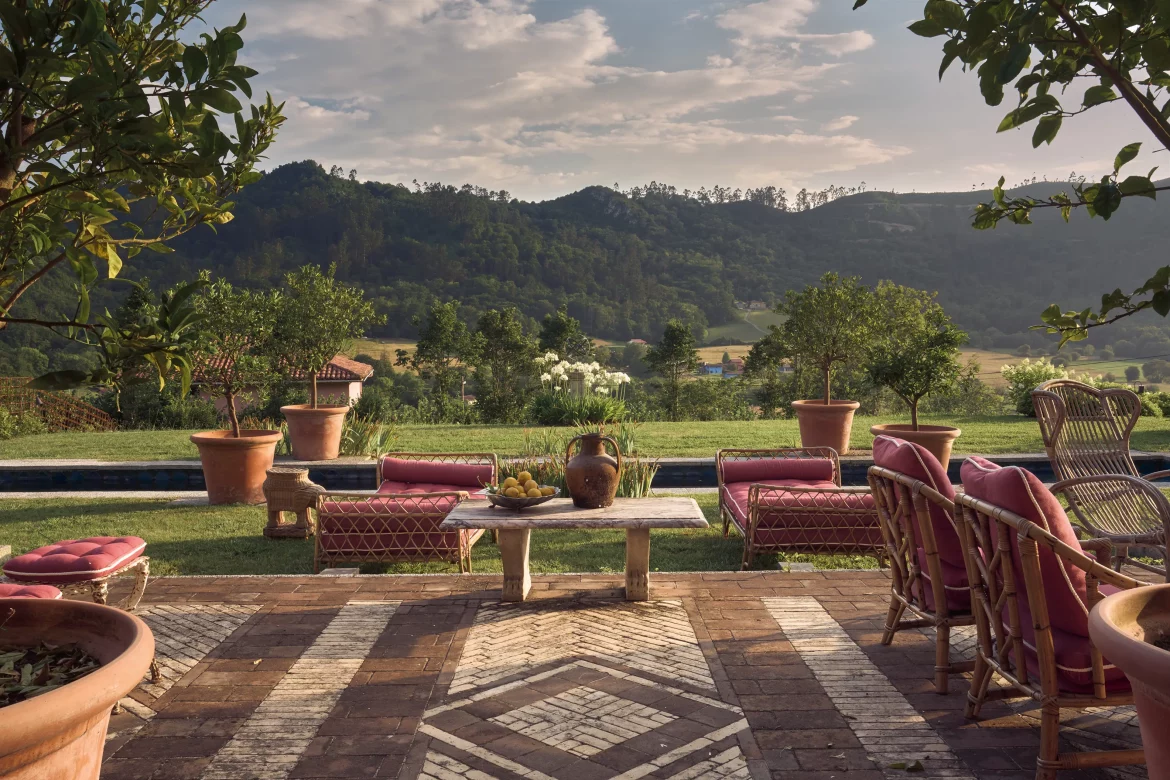
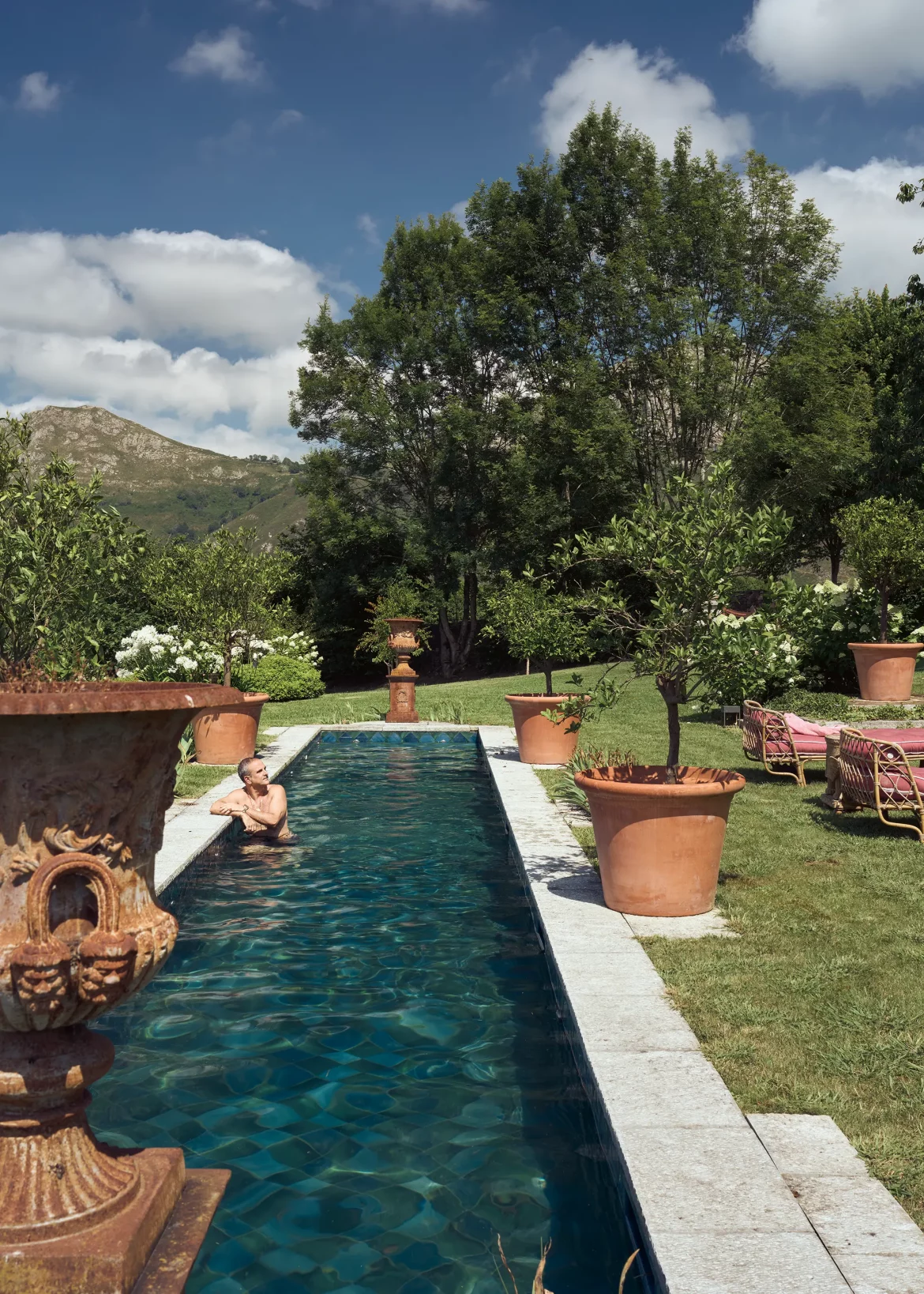
The project that opens the book is the restoration of La Rectoría, a former rectory attached to the church of San Martín in Peruyes, a small village in the Asturian municipality of Cangas de Onís. Lorenzo Castillo recounts in the first person the discovery of this unique 18th-century building, which he found practically in ruins during a walk in the area. Restoring the property became one of the most personal projects of his career. “The renovation of La Rectoría was a very personal project, according to my mother, the most ‘me’ of all. Every decorative, structural, and ornamental detail of the house was custom-made and commissioned for her,” Castillo explains in the book. He adds: “I wanted the decoration of the house to be a tribute to its own architecture and to resemble that of an English traveler on the Grand Tour, with a mixture of memories that, from the eastern Mediterranean, follow a route with stops in Damascus, Syria, Turkey, Tangier, Sicily, and the Crown of Aragon.”
WANDA DE LIGNE
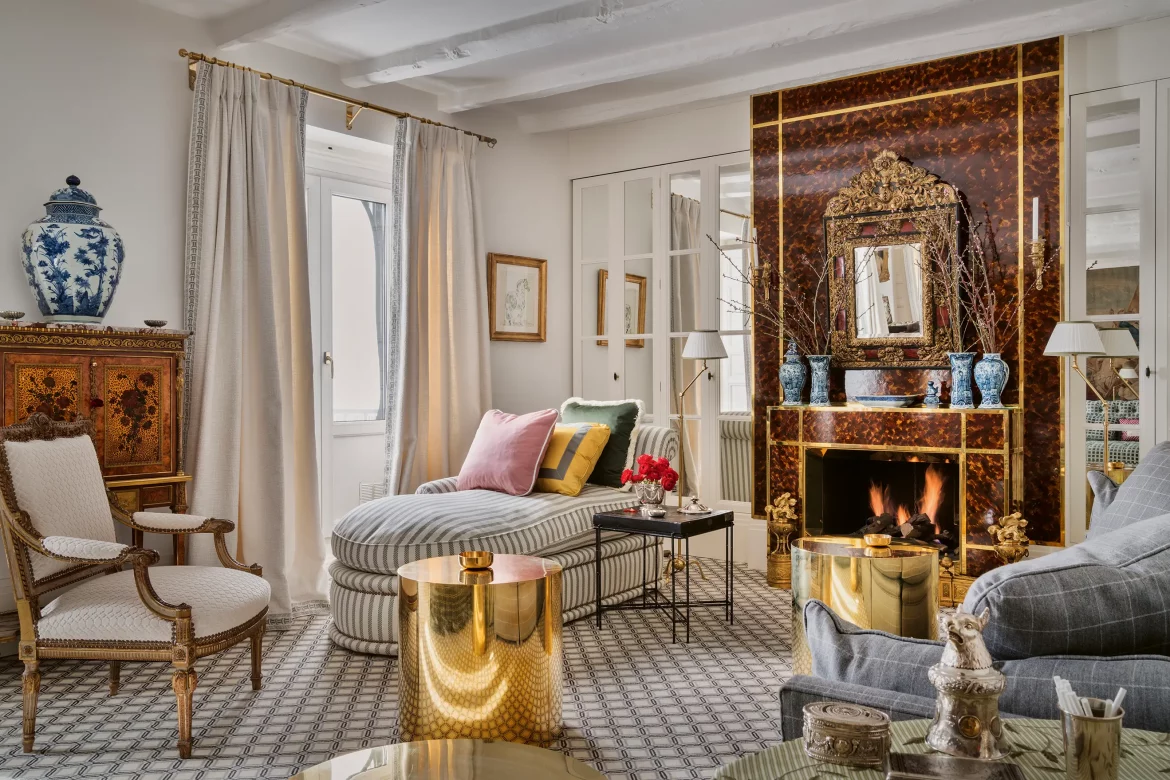
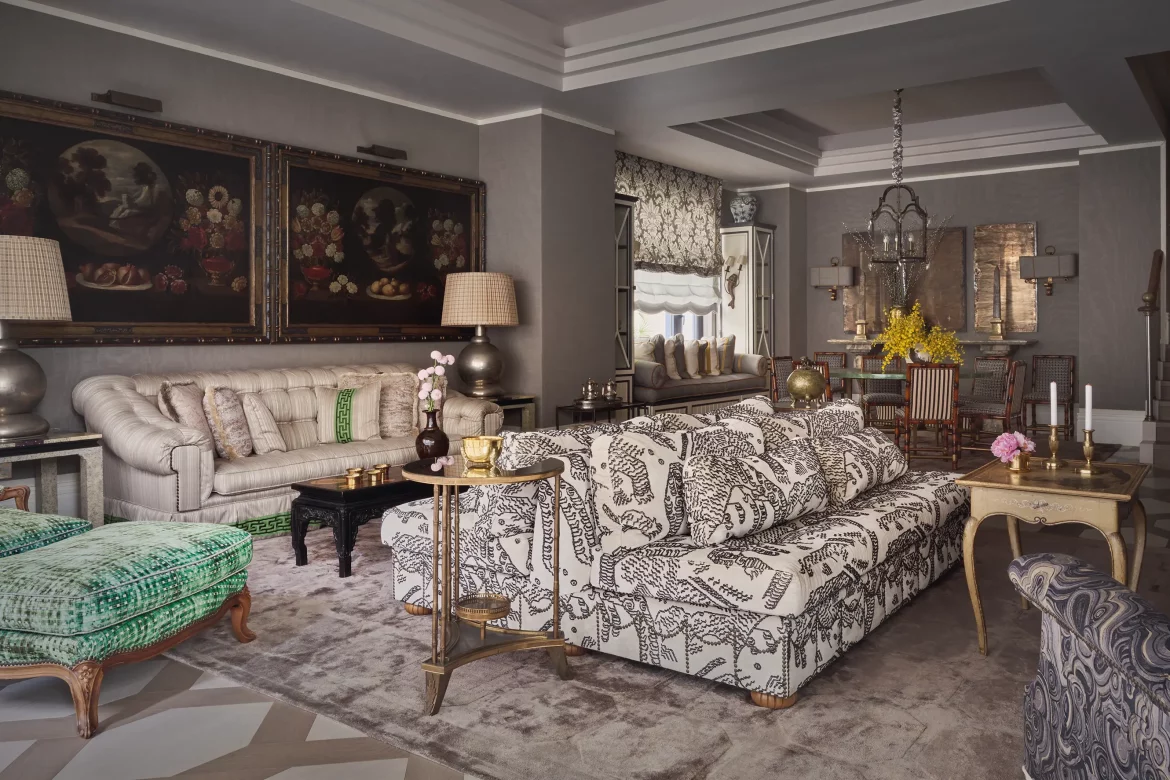
The book continues with the transformation of Wanda de Ligne’s Madrid residence, located in the heart of the Habsburg district. The commission involved integrating her home with her mother’s to create a single, coherent, and functional space—an undertaking that presented significant architectural challenges. Lorenzo Castillo resolved the project by shaping a large, cosmopolitan, and sophisticated apartment, conceived as a true reflection of its owner’s personality, lifestyle, and international career.
In the introduction dedicated to this project, Castillo emphasizes the creative partnership he has maintained with the Princess de Ligne: “Wanda embraces my most daring ideas, such as painting the fireplace with faux tortoiseshell and adding gilded brass, designing a 1970s-style black and white carpet for the living rooms, or placing her bed in a corner. Quite a challenge. But she is a worldly, courageous woman, and, moreover, very elegant and attractive.” For the interior designer, the result exemplifies one of his core convictions: “I’ve always believed that the decoration of our homes should reflect our personality, and this 19th-century apartment is the spitting image of the Princess de Ligne.”
SAINT-JEAN-DE-LUZ
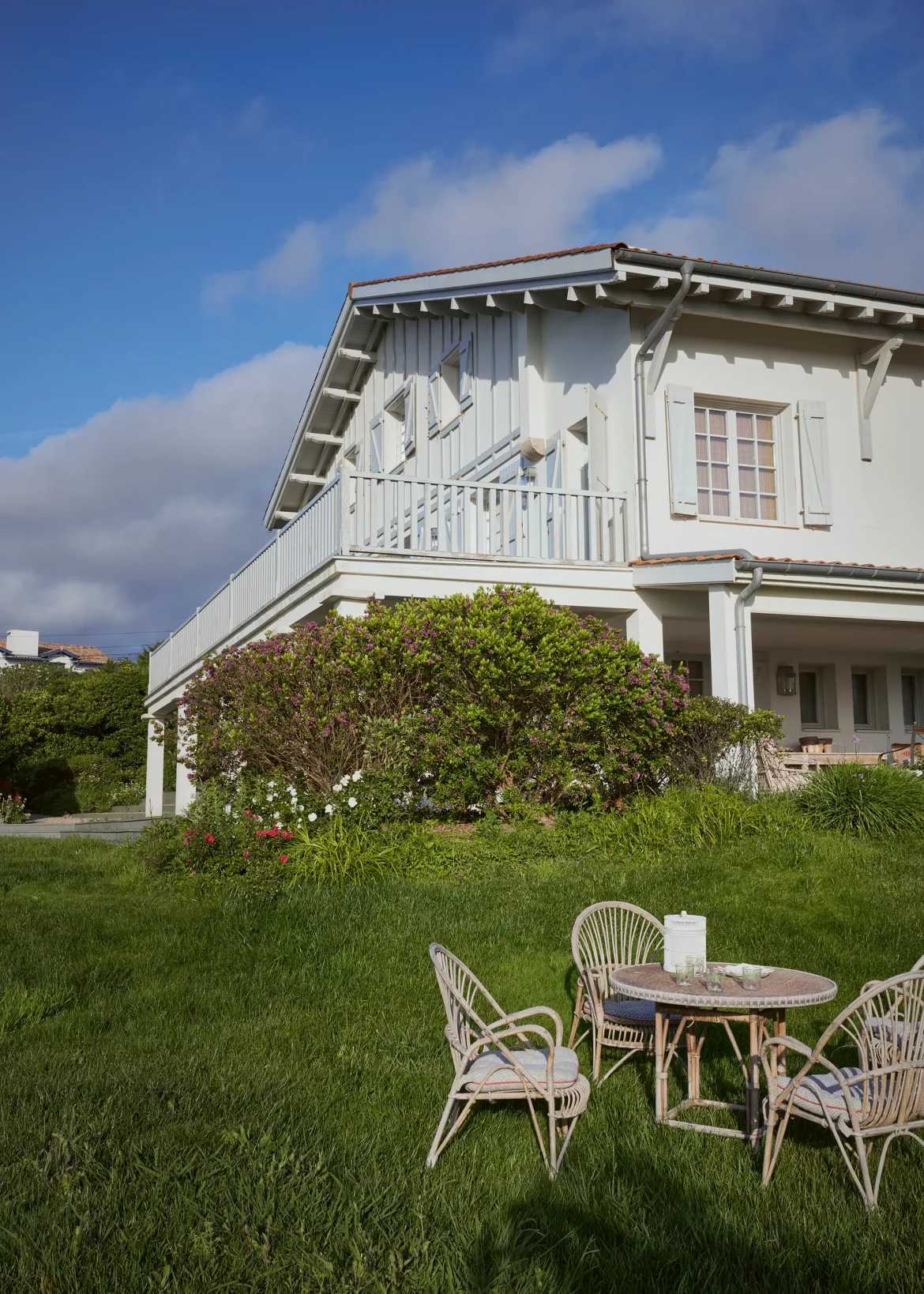
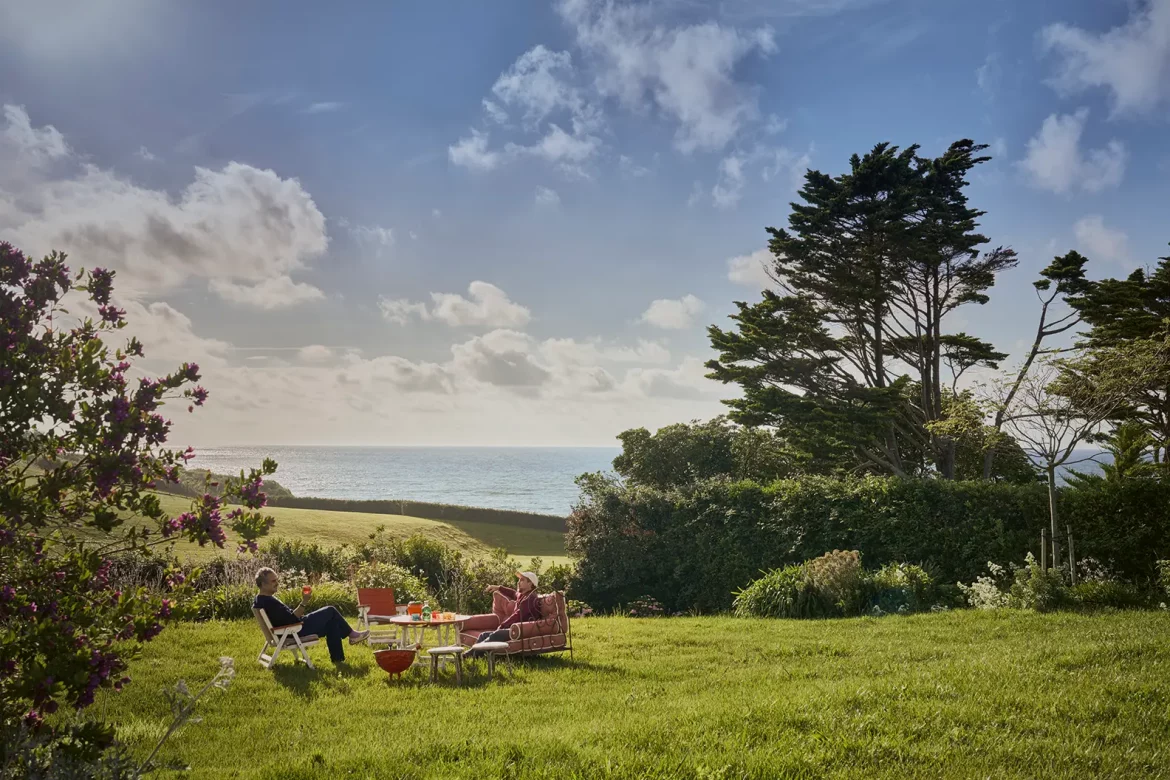
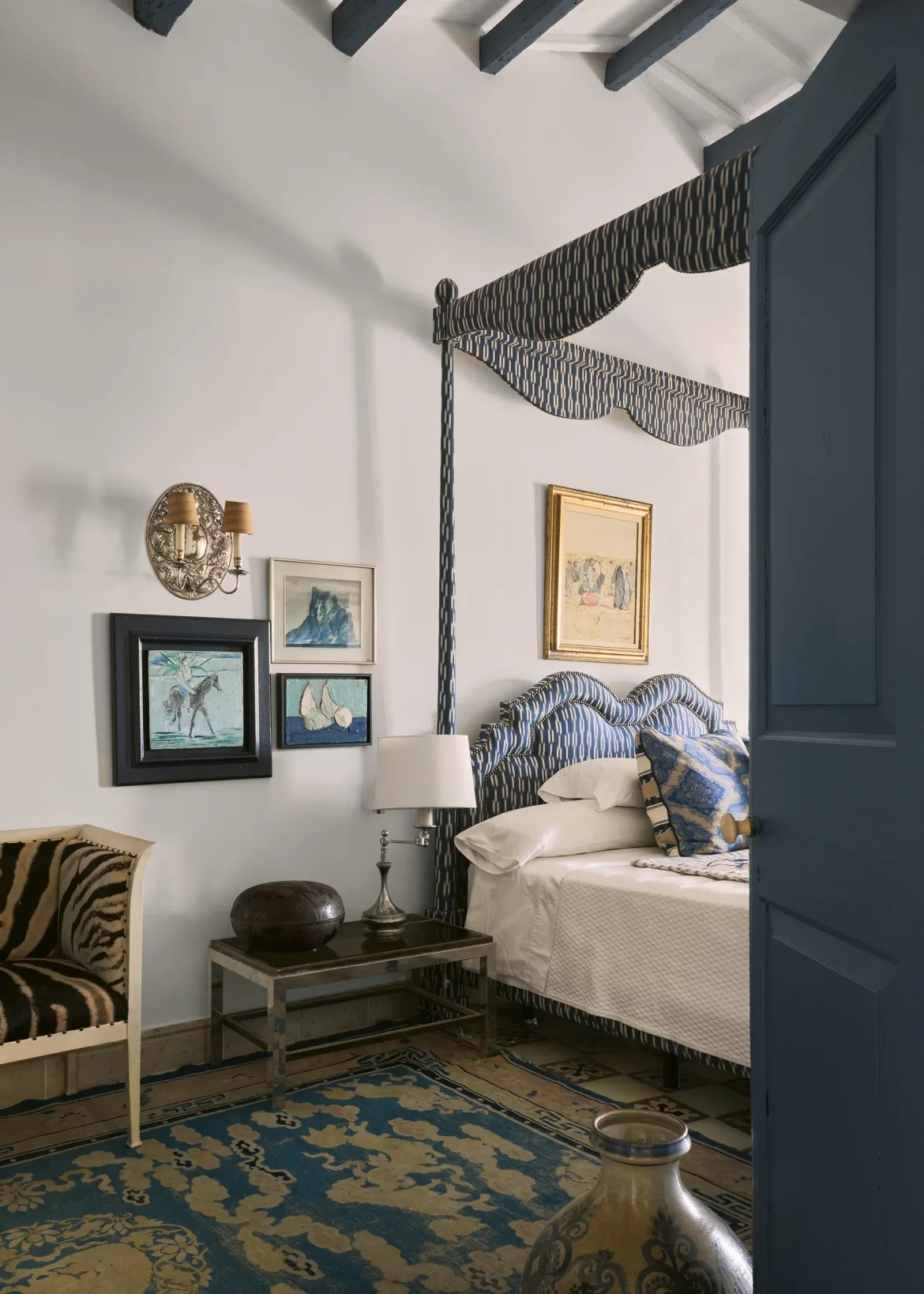
Among the international projects featured in the book, the renovation of the summer house that Cristina Lozano and Juan Garnica commissioned from Lorenzo Castillo in Saint-Jean-de-Luz, on the French Basque coast, stands out. Located in a privileged setting, with sea views and surrounded by a large garden, the house retained the region’s traditional architecture, although it required a complete overhaul to adapt it to the family’s needs and transform it into a comfortable and timeless home.
As Castillo explains in the book: “The result, once decorated, is a house custom-made to suit the family’s tastes and needs. Each room has its own style, and the colors are inspired by the northern landscape, with shades of blue and green and touches of pink and strawberry for contrast. It’s a house not just for summer, but for year-round living. That’s why the decor is cozier than what we might typically consider a summer house. The mix of fabrics, colors, antiques, and modern art makes it a very special house and, as I always say about my best projects, one with soul.”
ISABEL II
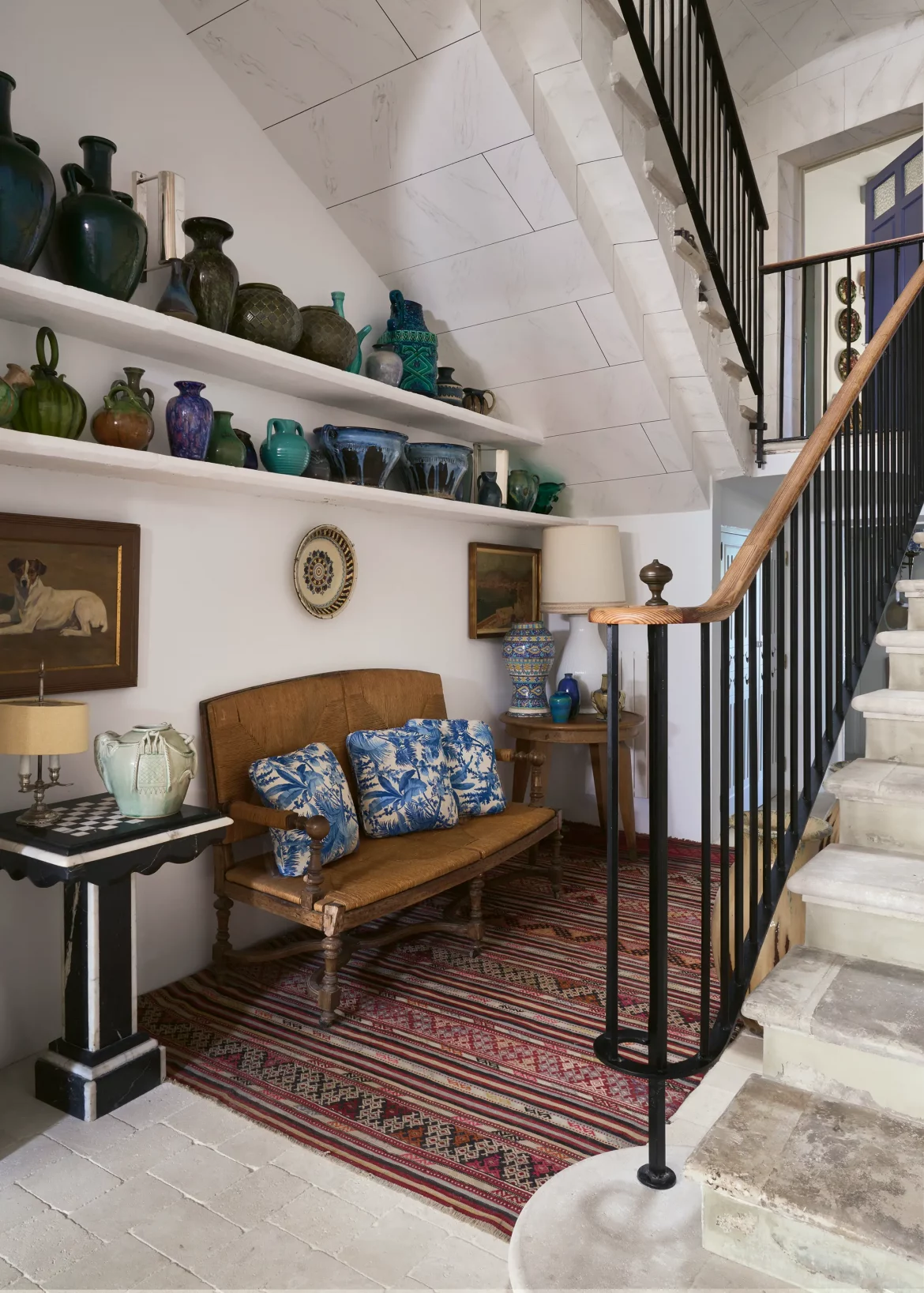
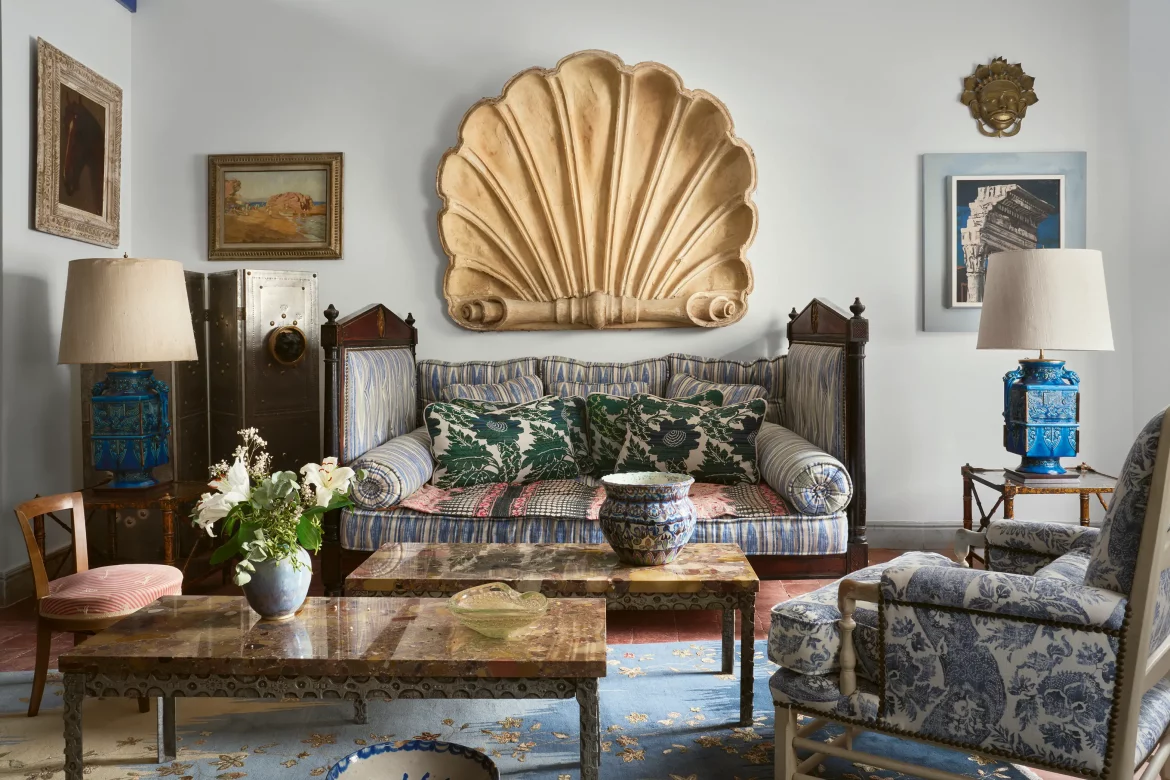
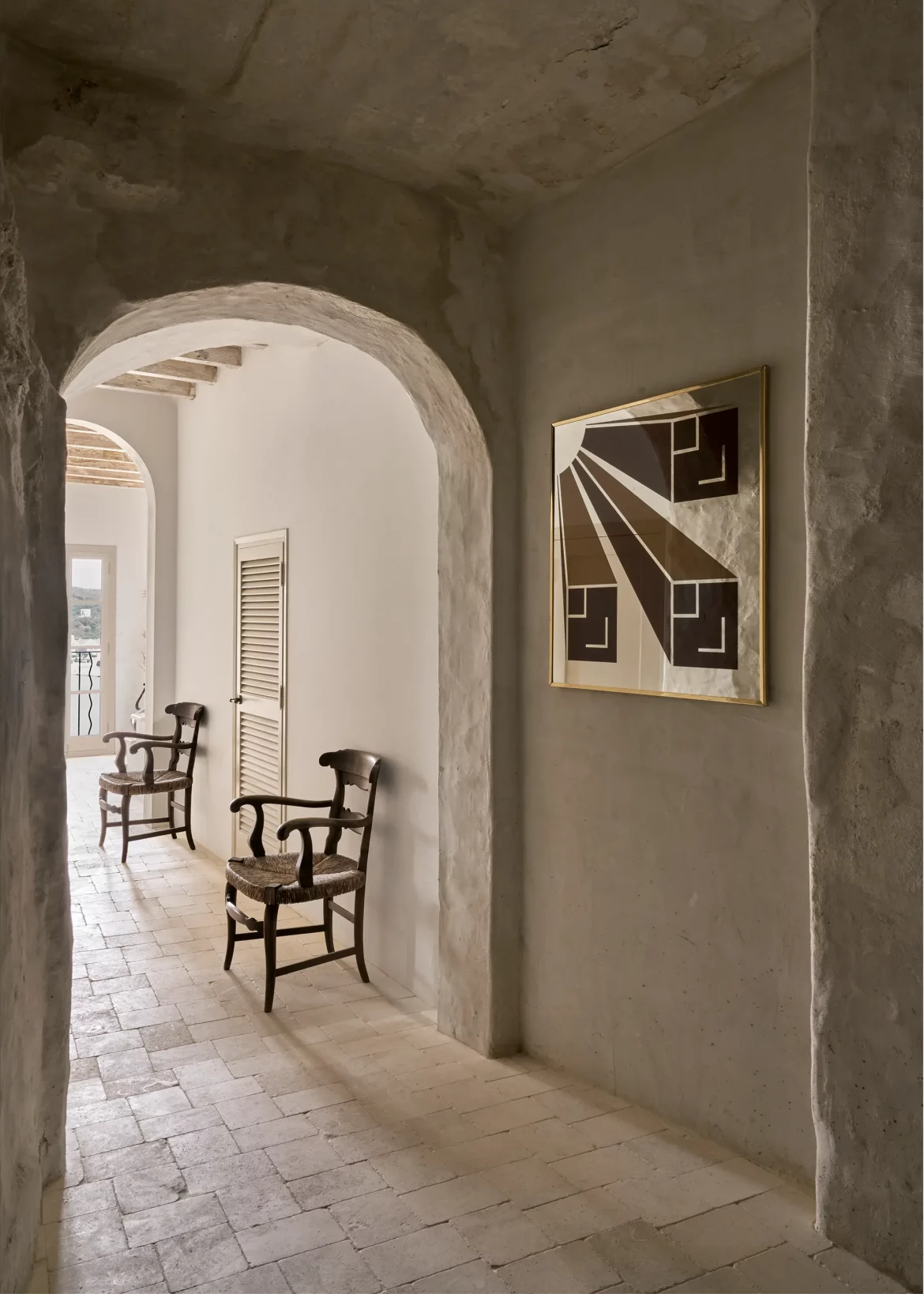
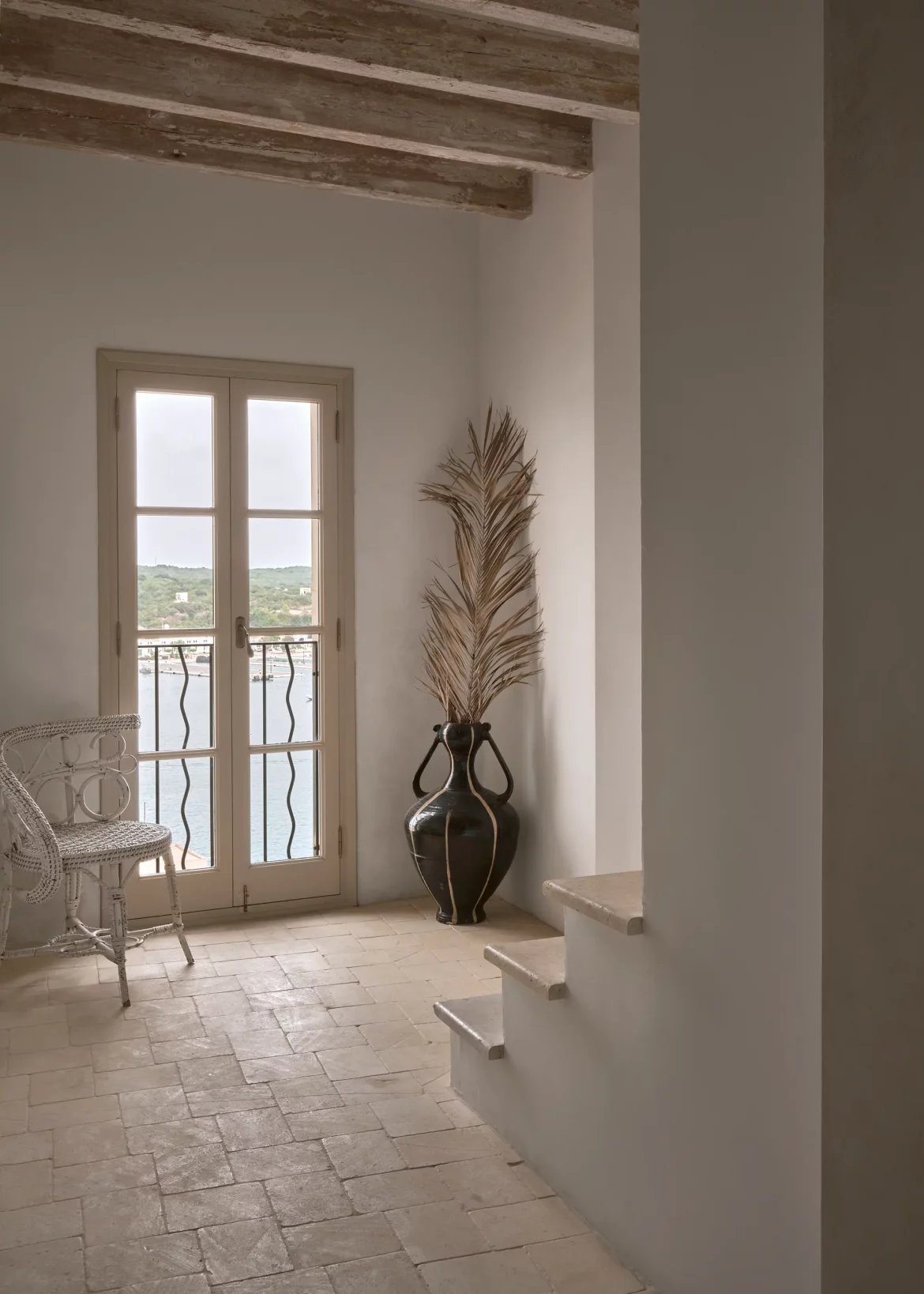
In this project, Lorenzo Castillo recounts his discovery of Menorca and, in particular, what he considers one of Mahón’s most beautiful streets: Isabel II Street. It was there that he acquired a house that would eventually become one of his most intimate and representative works. As he acknowledges in the book, it is “one of my most unique and personal houses, in which you can see that I poured the best of myself with special care and affection.”
The renovation and decoration of the property are a tribute to the diverse cultures that have shaped the identity of the Mediterranean throughout the centuries. Inside, exquisite fabrics, Orientalist paintings, Persian and Berber rugs coexist with rattan and bamboo pieces, and furniture inlaid with ivory, creating an evocative and nuanced atmosphere. The result is a home that synthesizes some of the most recognizable elements of Castillo’s creative universe, where collecting, travel, and the blending of cultural influences merge into a harmonious whole. “There aren’t many houses with this dreamlike, even ethereal, feel, where the daring mix of antiques, textiles, and art is harmonious and balanced,” says the interior designer.
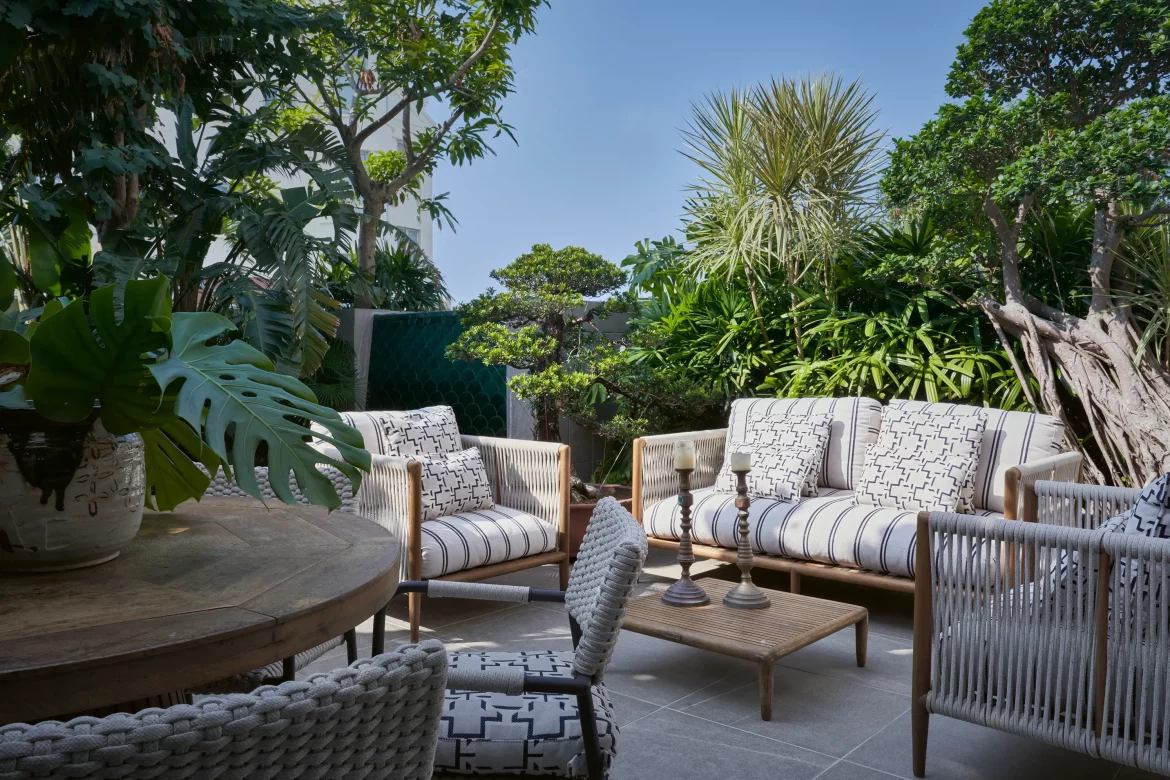
HONG KONG
The tour continues with a spectacular residence located in Hong Kong’s harbor, one of the most unique international projects included in the book. The house, a rare exception in a city marked by urban density, boasts its own garden and retains the charm of an Art Deco-inspired architecture that, according to Castillo, likely dates back to the 1940s.
For this project, the interior designer developed a concept that engages with the local culture from a cosmopolitan and sophisticated perspective. “I wanted the decor to have a very subtle oriental touch when choosing materials, fabrics, wallpapers, and furniture. The title of this house could be ‘China through the eyes of a Westerner,’” Castillo writes. The result is an elegant and nuanced interior, where oriental references are subtly integrated with Western influences, creating spaces of great visual richness.
MAHÓN
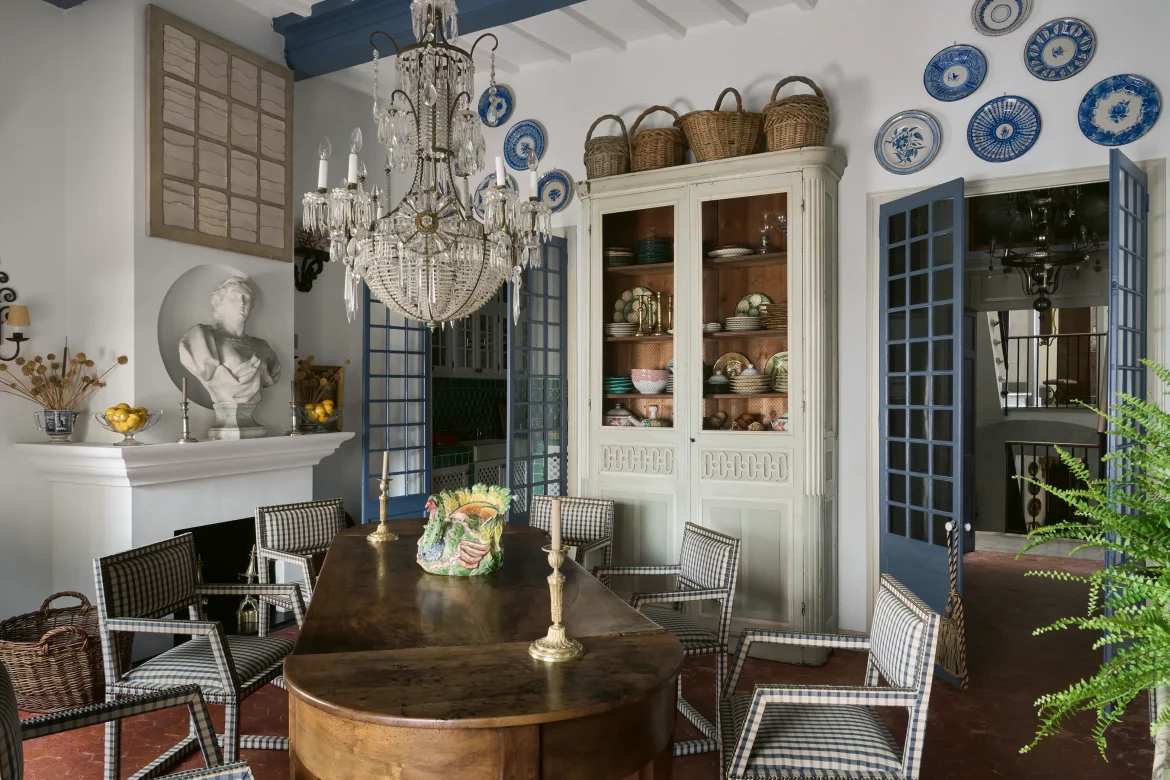
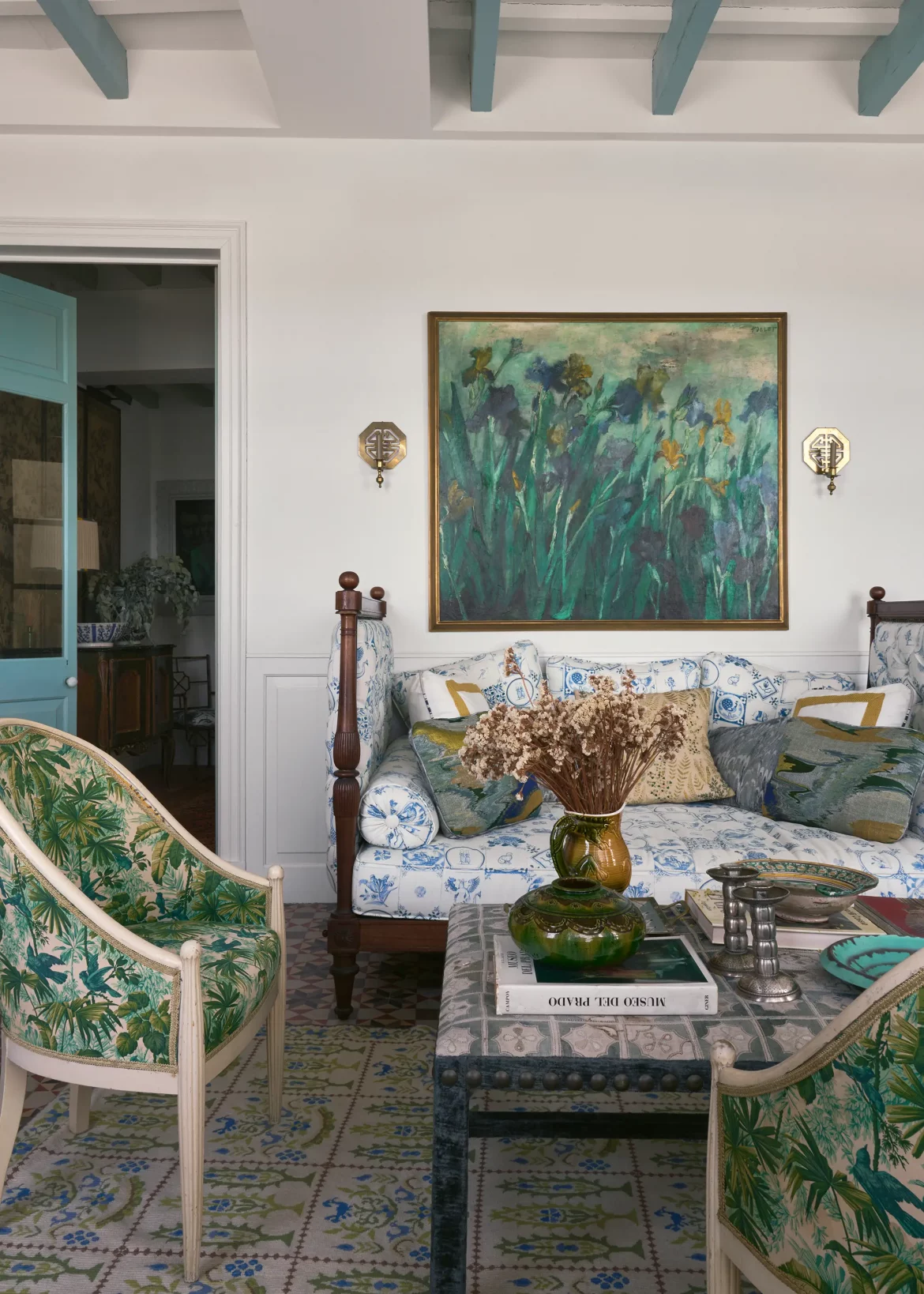
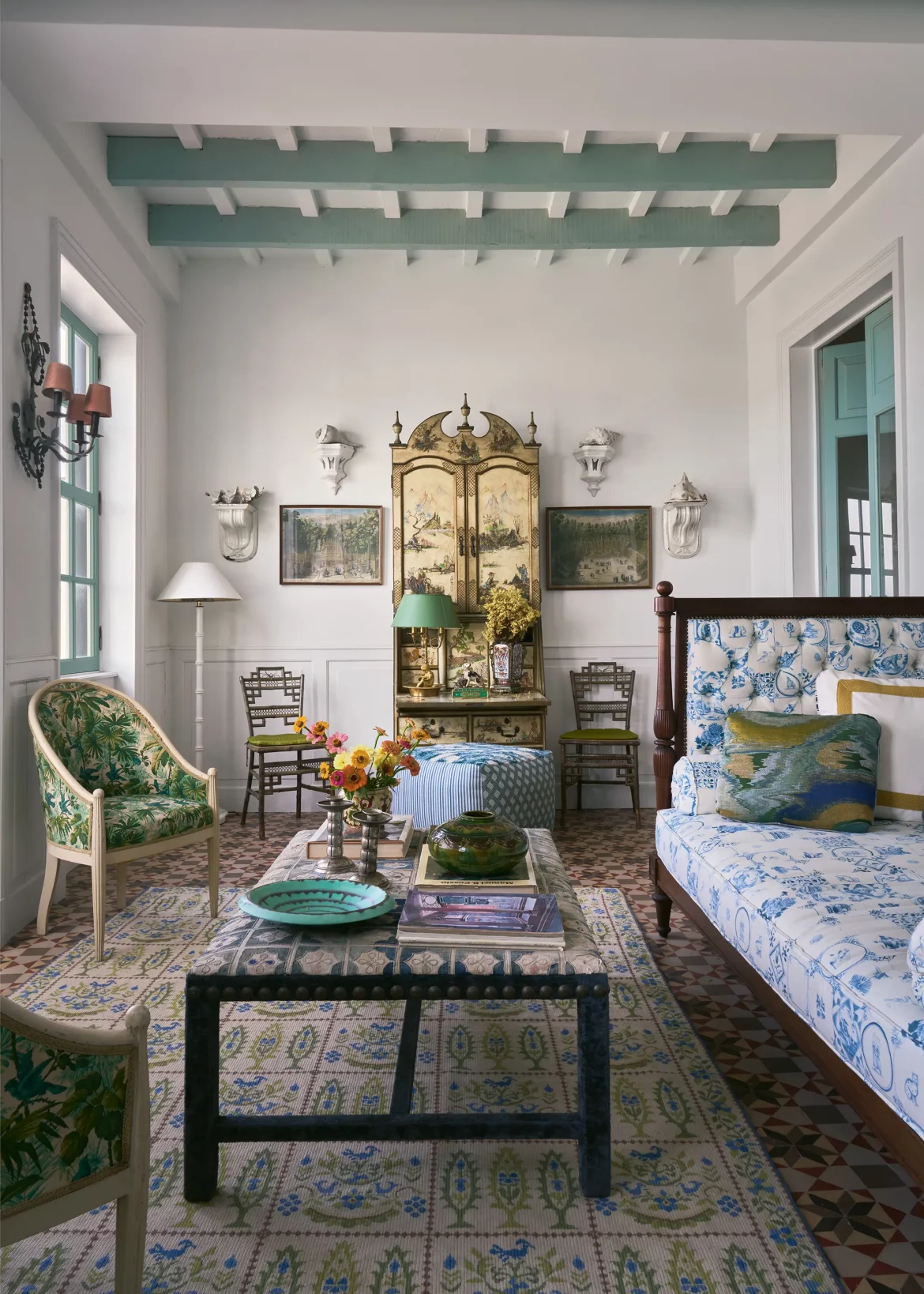
Another of the Menorcan projects included in the book is set in an 18th-century house located in the historic center of Mahón, an imposing mansion with British colonial influences that reflects the island’s complex history. When it came to its transformation, Lorenzo Castillo drew inspiration from the rich cultural and artistic heritage of Menorca, a territory marked by centuries of exchange between different civilizations and traditions.
Conceived as a summer residence, the intervention sought to move away from decorative exuberance in order to create a serene and luminous atmosphere, perfectly in harmony with the Mediterranean environment. “I envisioned it as a summer retreat, so I didn’t want excessive decoration within my own style, which is already quite ornate,” Castillo explains. The interior designer opted for a color palette inspired by the island’s landscape, where blues, greens, and aquamarines converse with warm, neutral tones that provide warmth and balance. “The result is fresh and relaxing. This is how I believe a summer house that invites relaxation should be,” he notes.
SON NET
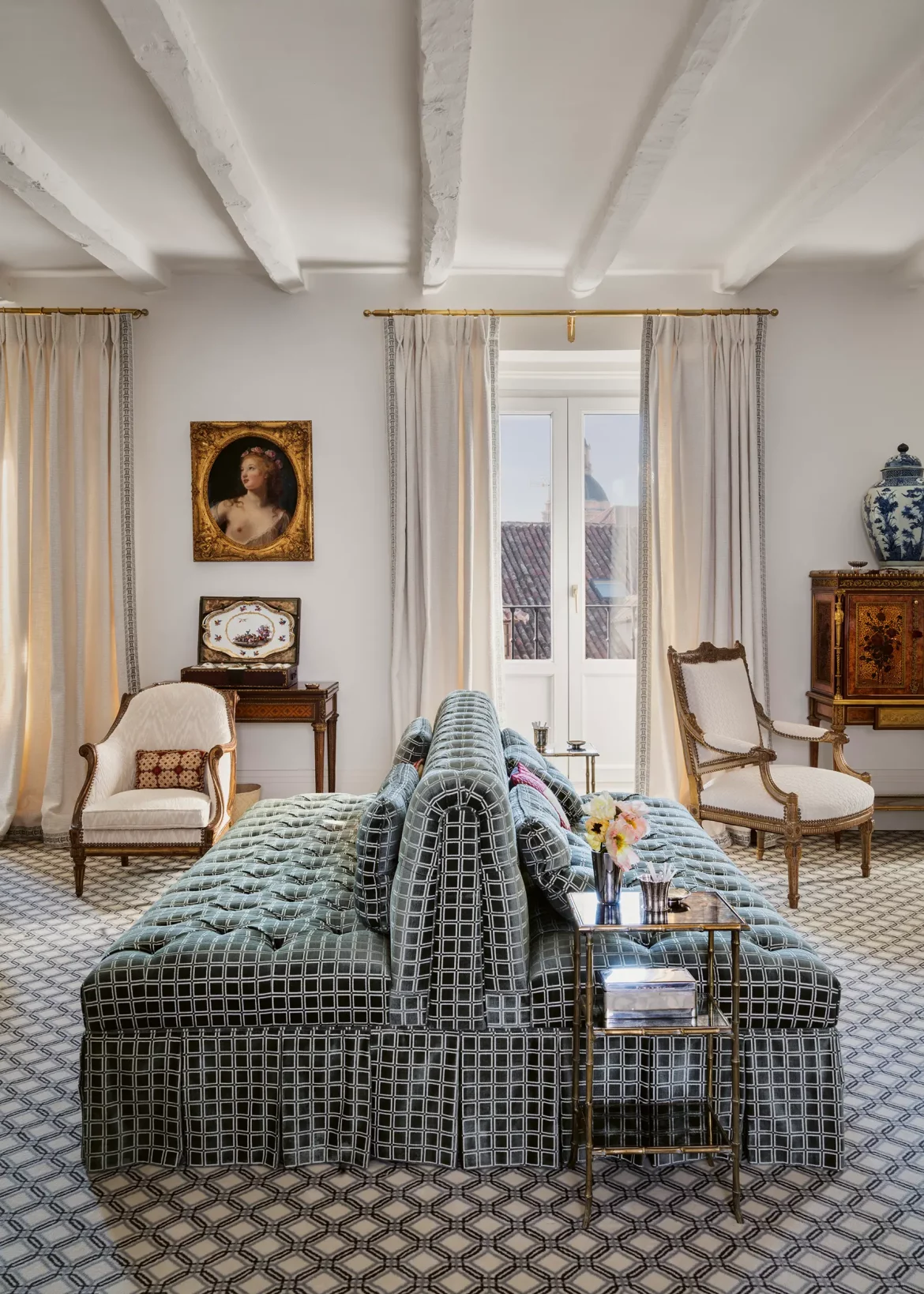
The journey through the projects gathered in this volume concludes in Mallorca, with the extraordinary transformation of Son Net, a Baroque palace now one of the most exclusive hotel destinations in Europe. The renovation involved a delicate balancing act between preserving the estate’s stately character and adapting it to the demands of contemporary hospitality. The challenge was to preserve the soul of the property while offering guests the feeling of staying in a grand private home.
The project was characterized by an extraordinary level of detail and personalization. Exclusive fabrics were designed for each of the rooms, and an exceptional collection of 18th-century Mallorcan furniture was assembled, present in both the suites and the common areas.
As Castillo explains in the book: “I don’t think there is another hotel in the world with such a collection. During the three years of the renovation, I was able to search for and track down pieces from all eras and styles that could fit in a grand Mallorcan house.” For the interior designer, the project’s success lies precisely in its apparent naturalness: “Hence the success of this rich and timeless result, almost as if it had always been this way. This is the true achievement of a project: that the decorator’s hand is invisible and that the decoration blends seamlessly with the original architecture of the house, and together they look to the future.”
The book can be purchased at leading bookstores and through the Ediciones El Viso website.