

Tag:
most read
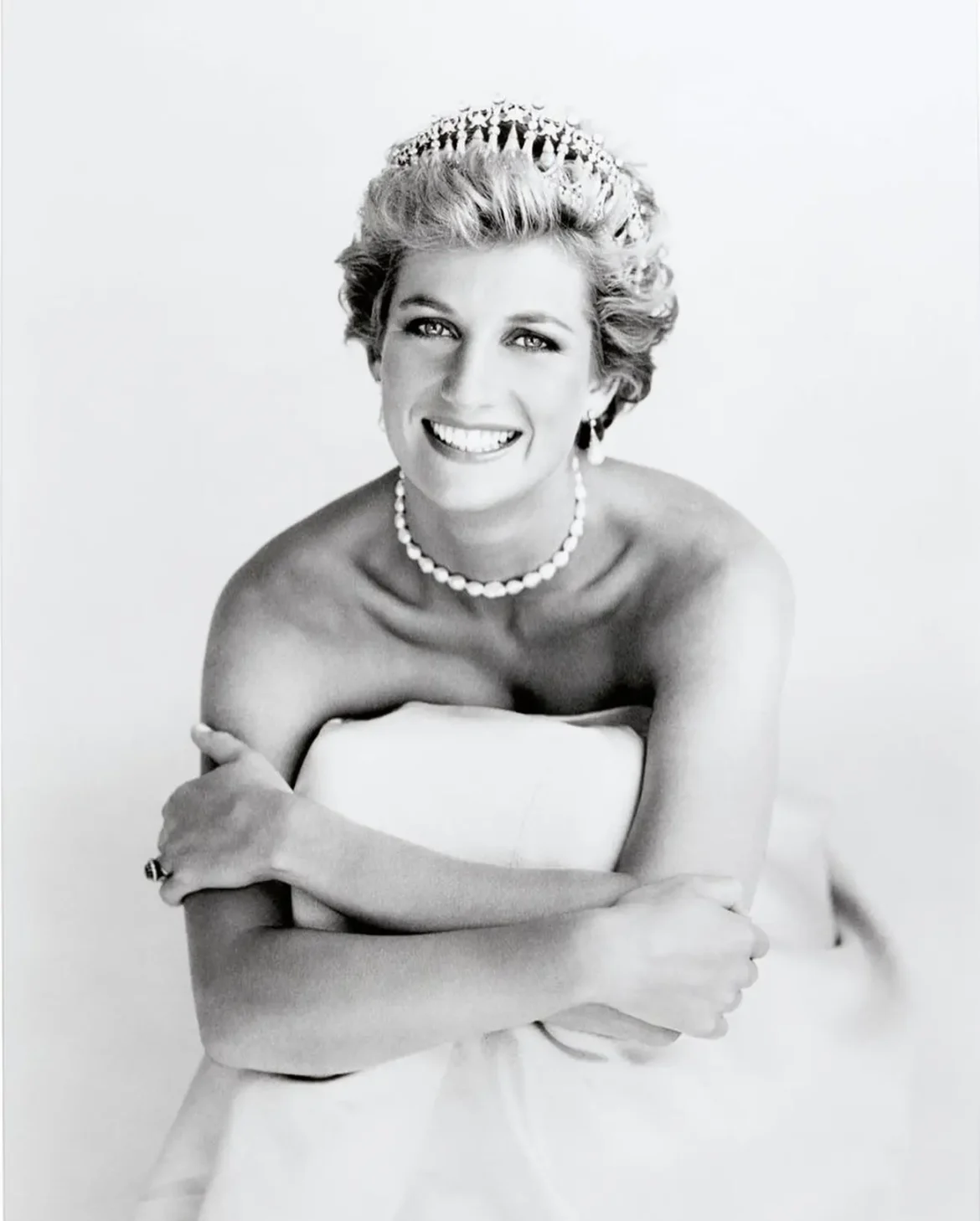
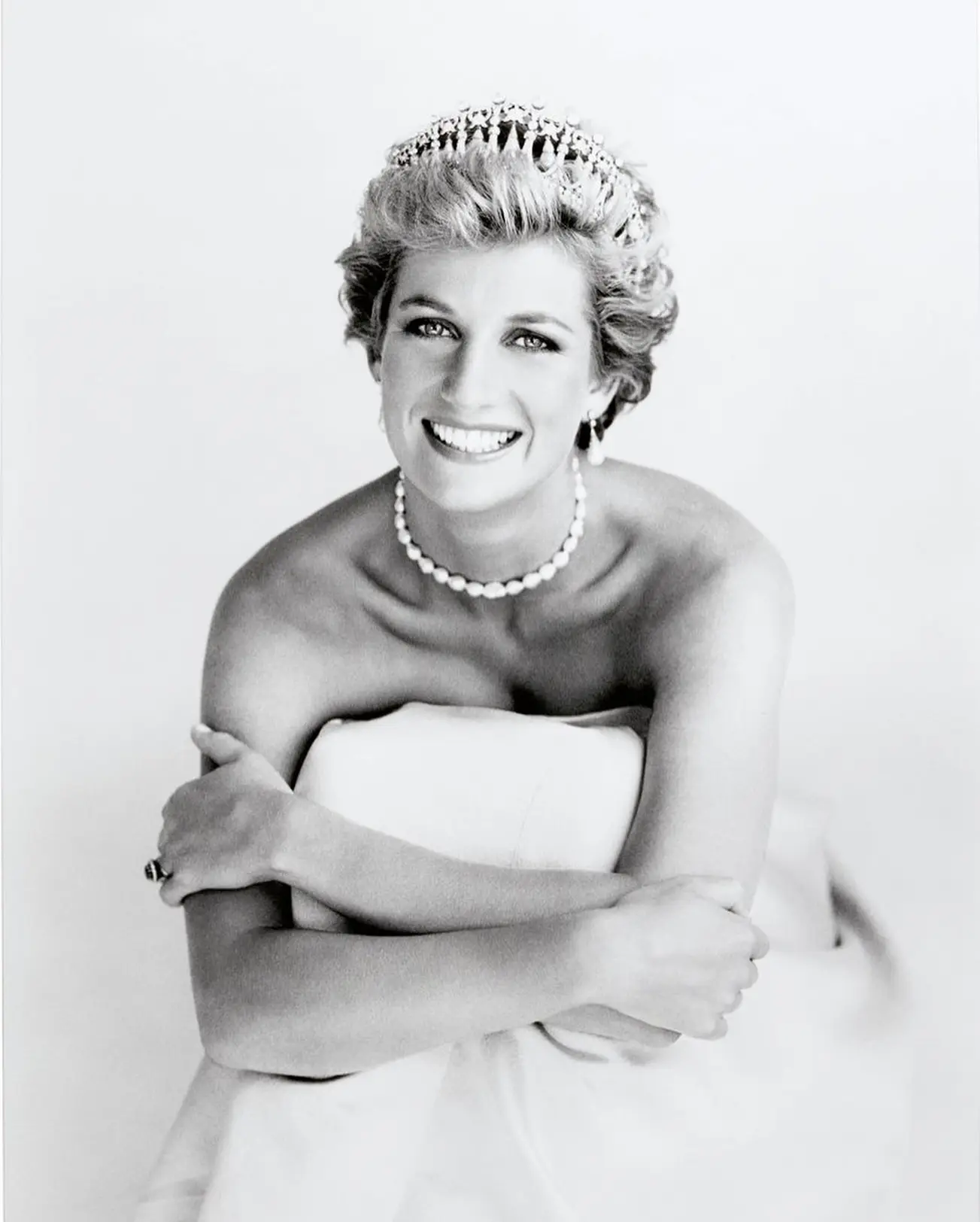
The Eternal Brilliance of An Extraordinary Woman.
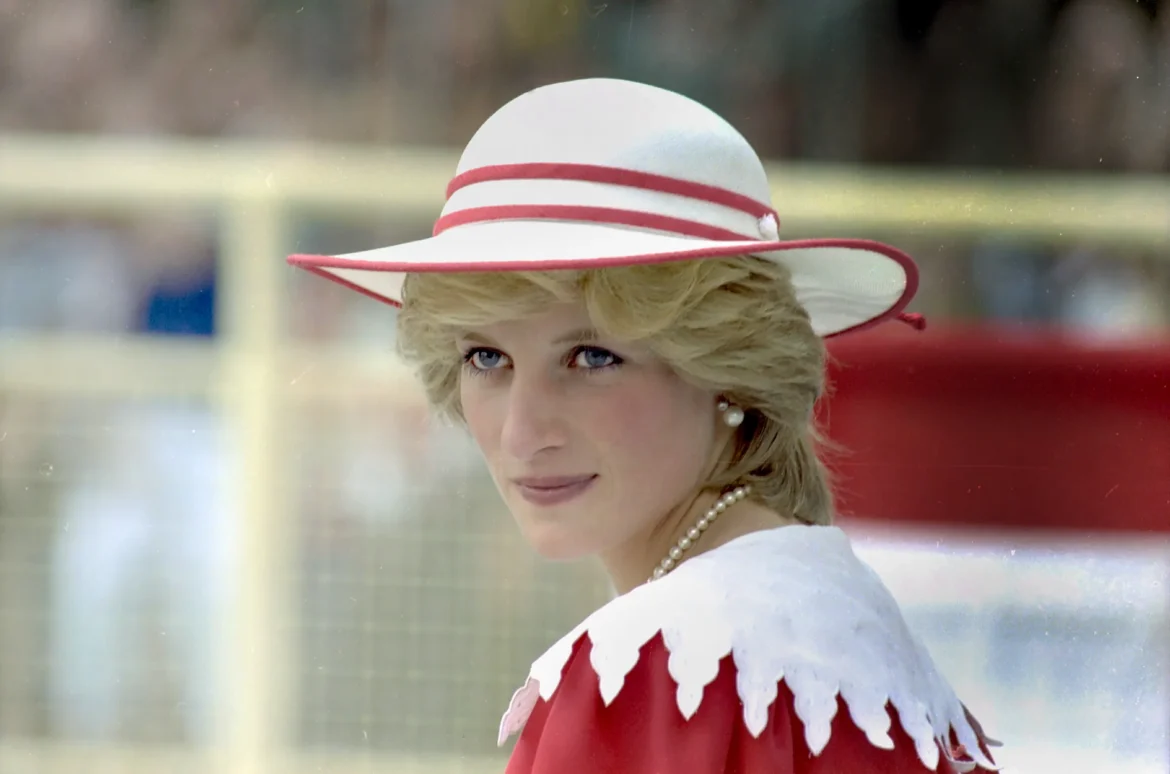
One of the most beloved figures of the 20th century, Diana’s life continues to inspire admiration. She left an indelible mark on the worlds of fashion, culture and the British monarchy, ensuring her memory remains vivid to this day.
Diana Spencer was born in 1961 into a British noble family. Her earliest photographs reveal her to be a shy yet determined individual, hinting at this behind a slight smile and an absolutely captivating gaze. An intelligent woman with a passion for dance, sport and classical music, Diana endeared herself to those who knew her long before she was discovered by the world.
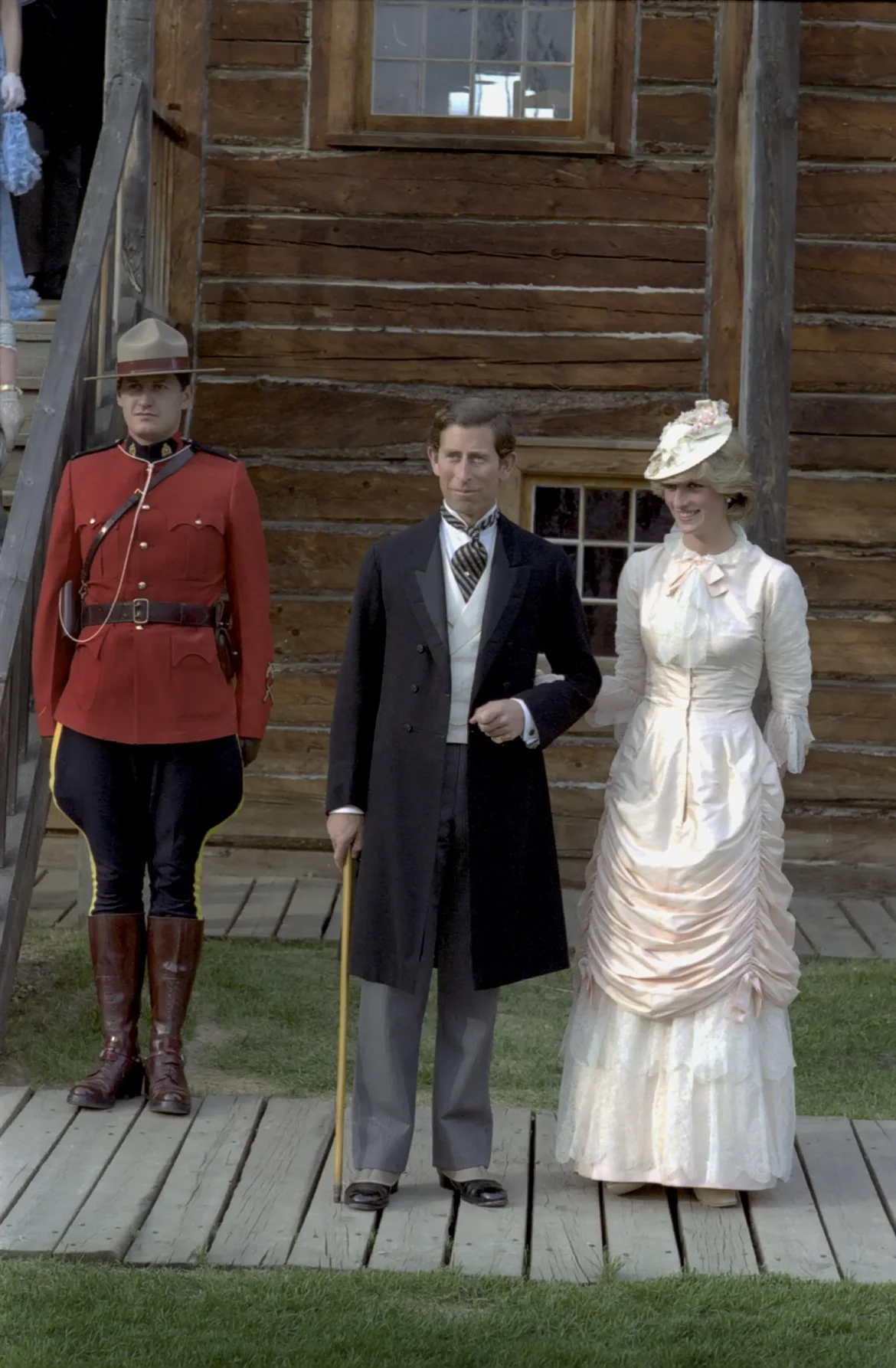
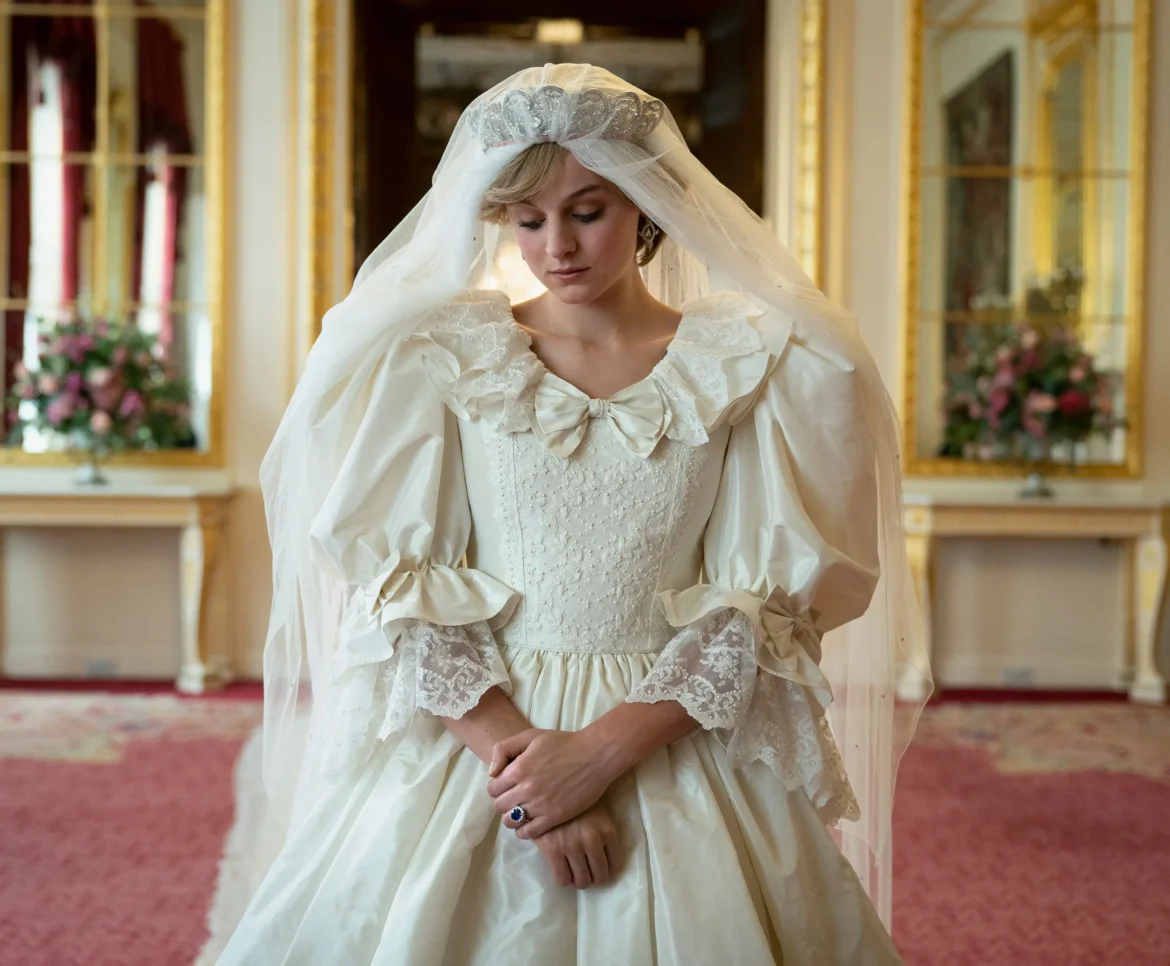
The early images of her as a teenager, taken before she was in the international spotlight, contrast with those that would follow soon after. Her wedding to Prince Charles in 1981 was a global event. More than 750 million people watched the young bride walk down the aisle in her fairytale dress. Although the ceremony promised eternal happiness, it concealed insurmountable cracks.
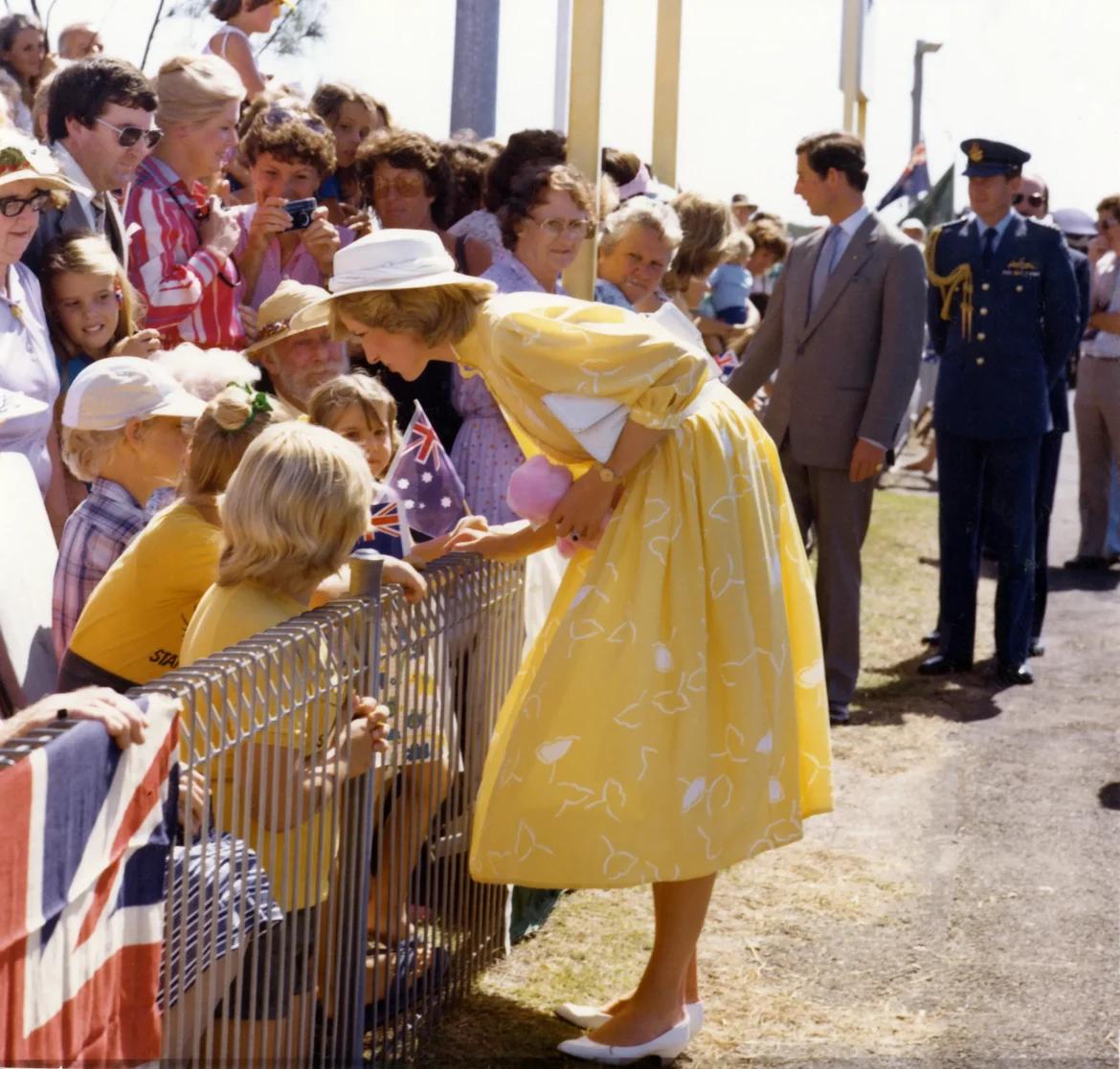
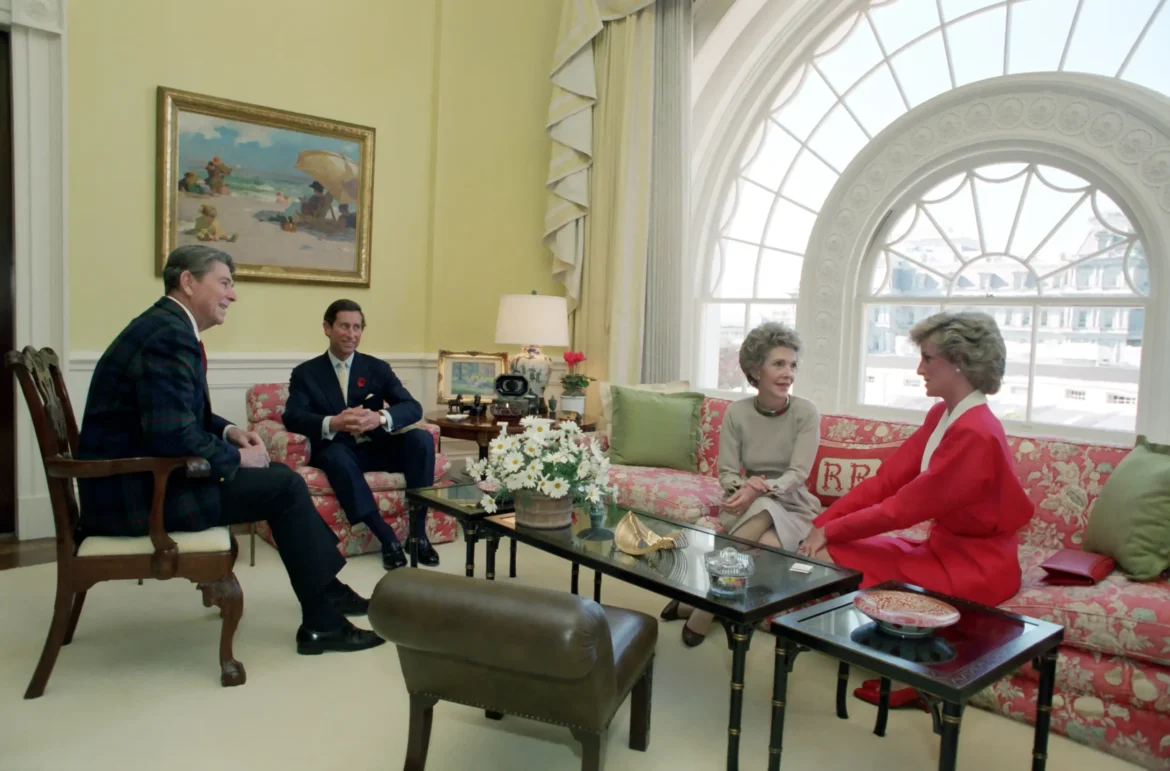
Despite facing immense pressure, Diana refused to be defined by her role as consort. Instead, she gradually forged her own path, winning the admiration of the British public and people around the world with her approachability and empathy. Her dedication to humanitarian causes cemented her status as a distinctive and relevant figure. A particularly poignant moment came during her visit to Angola in 1997, when she walked through a minefield wearing a protective visor and bulletproof vest to symbolise her fight to ban landmines.
Speaking through Gestures
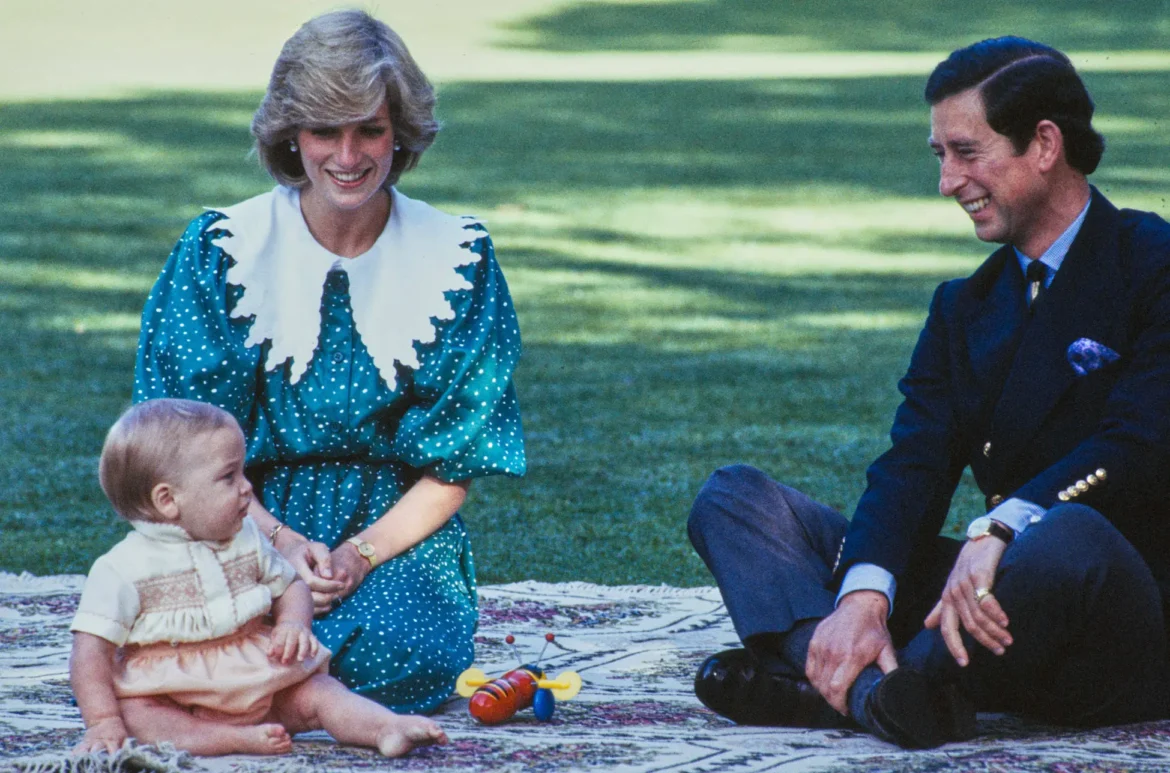
The birth of her sons marked a turning point in the Princess’s life. Considered her most precious legacy, Princes William and Harry were raised by an affectionate, fun-loving mother who was hands-on and wanted them to enjoy a normal, happy childhood. Images of the three of them enjoying themselves at an amusement park, or of the Princess taking part in school activities reveal her attempts at royal motherhood, which were far removed from the strictures of the British monarchy.
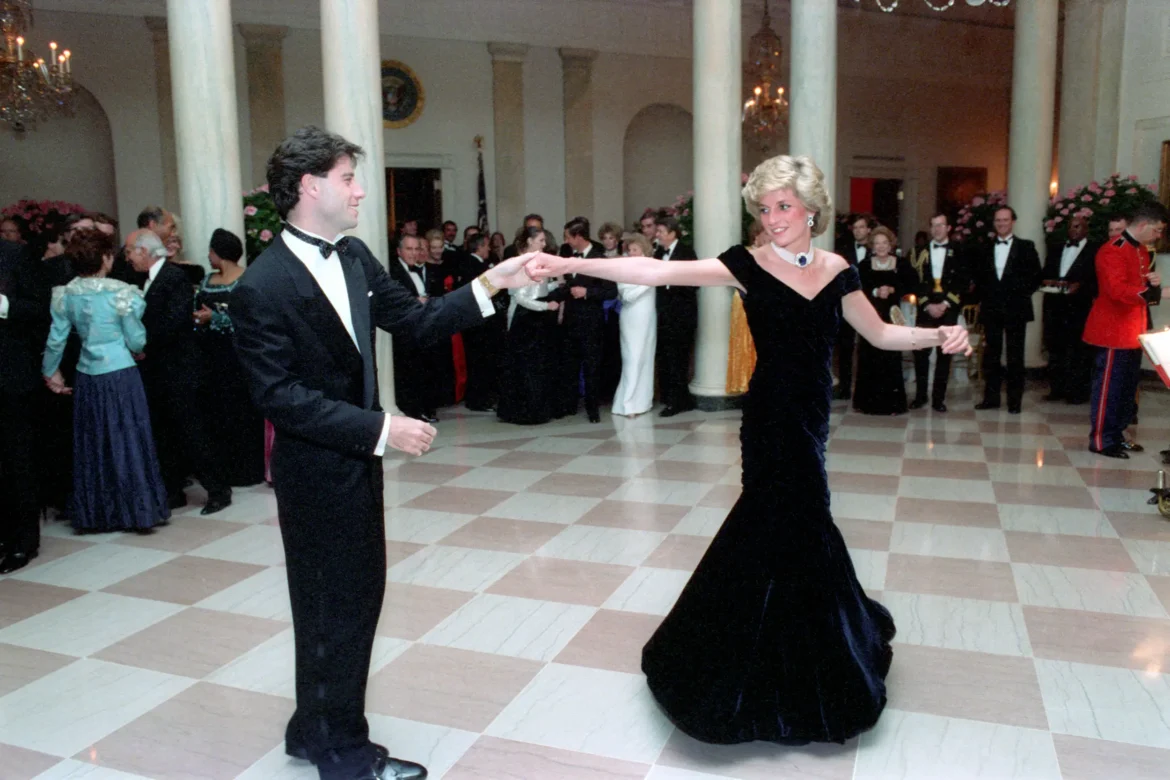
However, Diana of Wales did not have an easy time during her years as part of the British royal family. Despite her public smiles, she suffered greatly from her husband’s infidelity with Camilla Parker Bowles, which caused her to start expressing herself through her clothes. Her famous ‘revenge dress’, the black gown she wore after Charles admitted to his affair, became a symbol of dignity and empowerment. It was more than just a display of her style – it was a statement about her inner strength.
Free from the constraints of royalty, Diana embarked on an intense love affair with Dodi Al-Fayed. Images of the couple on holiday, looking relaxed and happy, stood in stark contrast to the palatial rigidity to which Diana was accustomed. Their tragic deaths in a Paris accident in 1997 shocked the world.
More Alive Than Ever
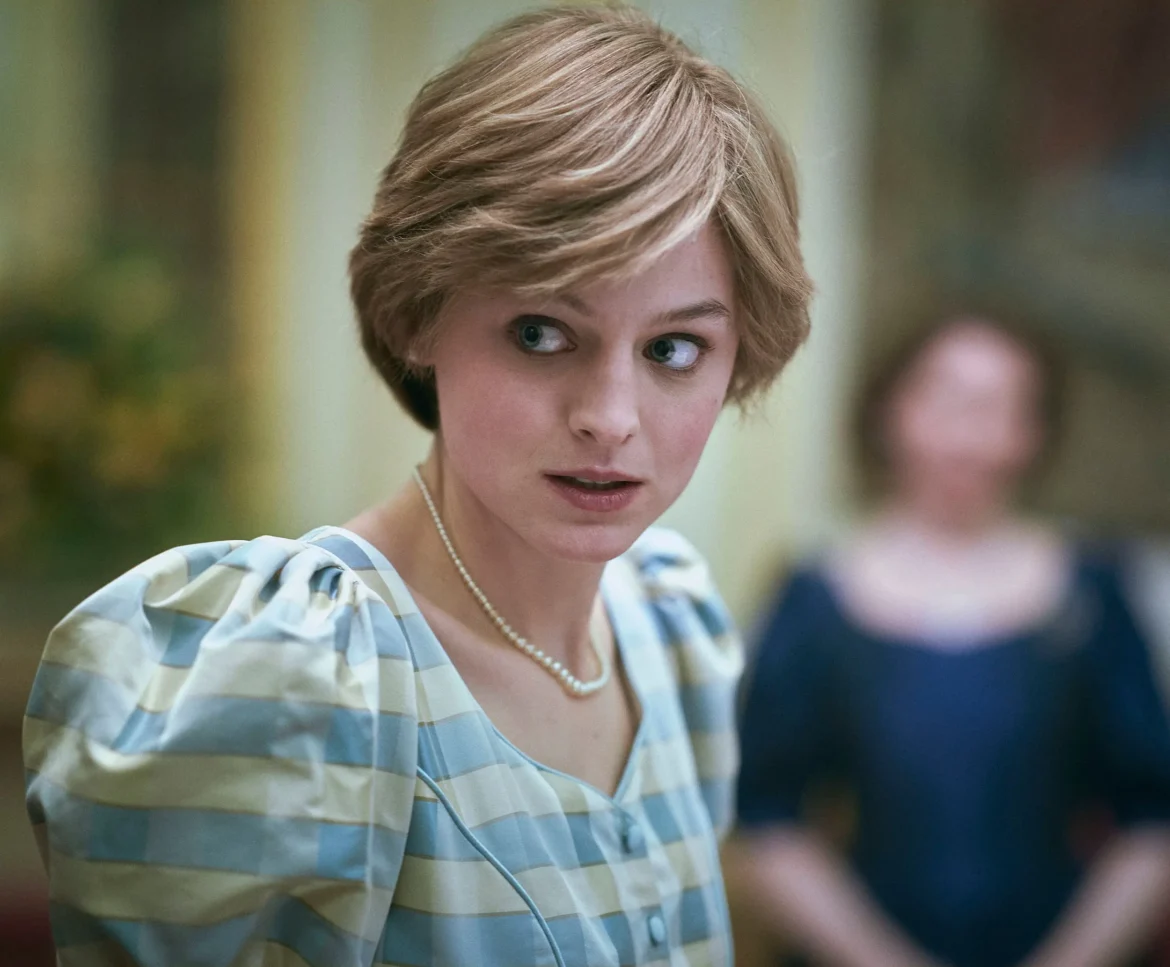
However, Diana’s legacy lives on. Dozens of books have been written about her life, and she has also been honoured in films and TV series. The Netflix series The Crown dedicated several episodes to her, reflecting on her youth, marriage and her struggle against the establishment and the demands of public life. Naomi Watts played her in the 2013 film Diana, while Kristen Stewart received an Oscar nomination for her portrayal of Diana in the 2021 film Spencer, which offers an intimate glimpse into the life of a woman trapped in a gilded cage.
The following year, Netflix released The Princess, a documentary featuring archive footage which reconstructs Diana’s life. Offering a first-hand account of Diana’s magnetism, it explores the impact she had on the media, politics, royalty and millions of people around the world.
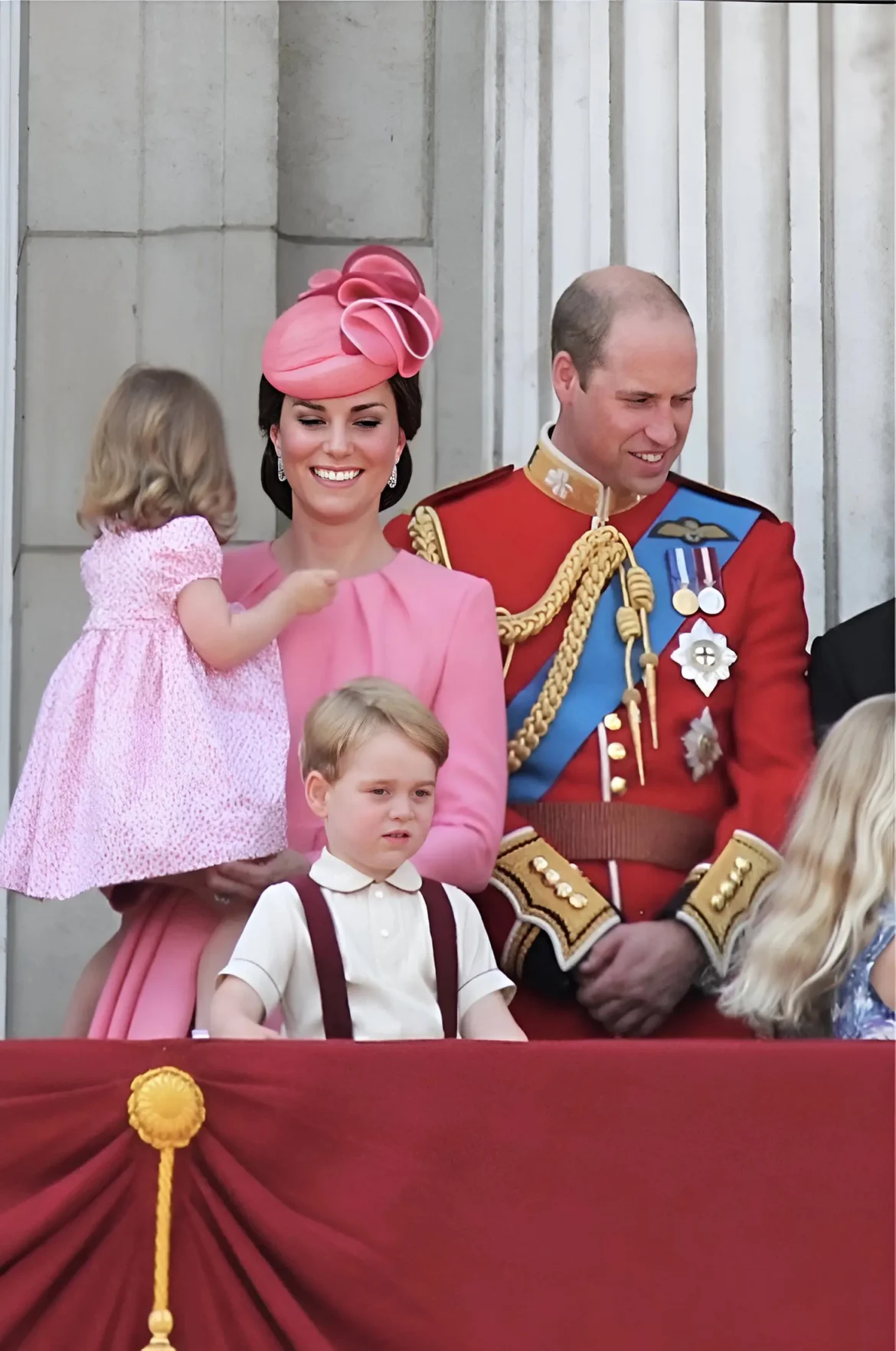
Diana’s legacy in terms of charity work is also very much alive. At a time when the disease was still highly stigmatised, she allowed herself to be photographed with AIDS patients, as well as with sick children, lepers and the homeless. Many of the charities she helped raise awareness of are still active today, inspired by her example. Her son, Prince William, and his wife, Kate Middleton, also continue her work, which includes strong involvement in social projects, recalling Diana’s compassion.
Diana was a free spirit who refused to conform. The indomitable essence of the ‘People’s Princess’, who remained true to herself until the very end, continues to shine brightly and leave an indelible mark.
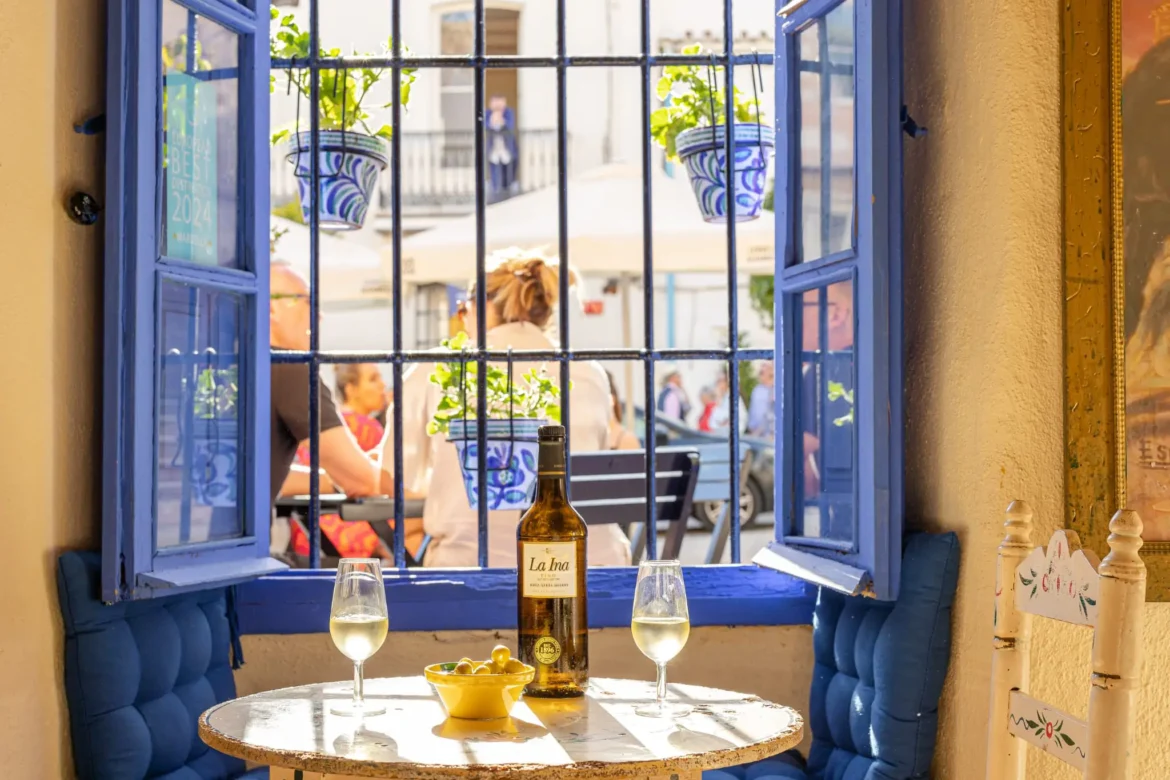
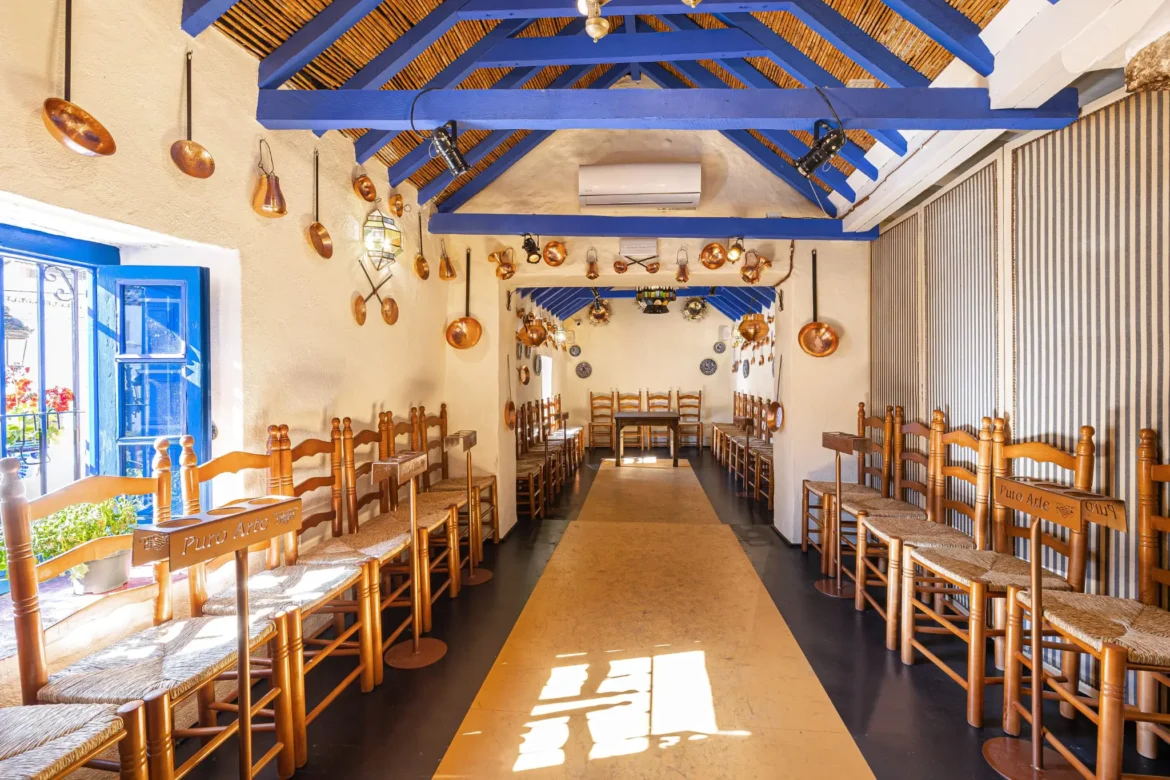
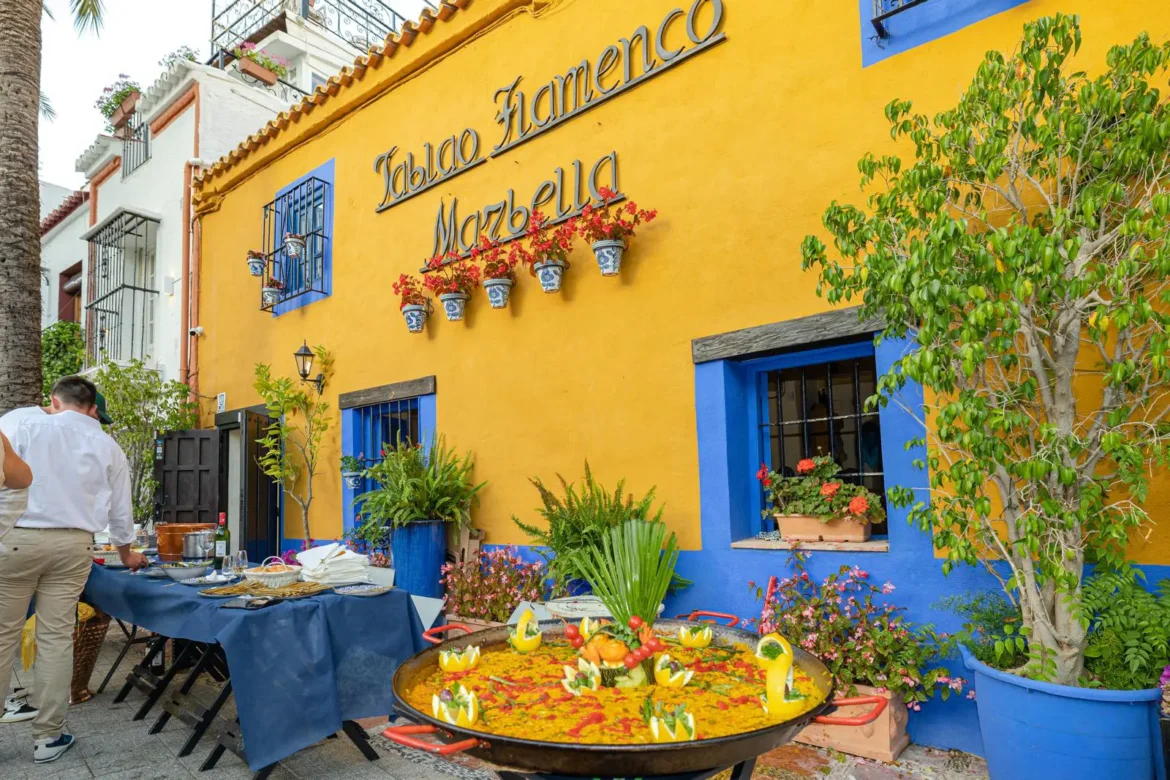
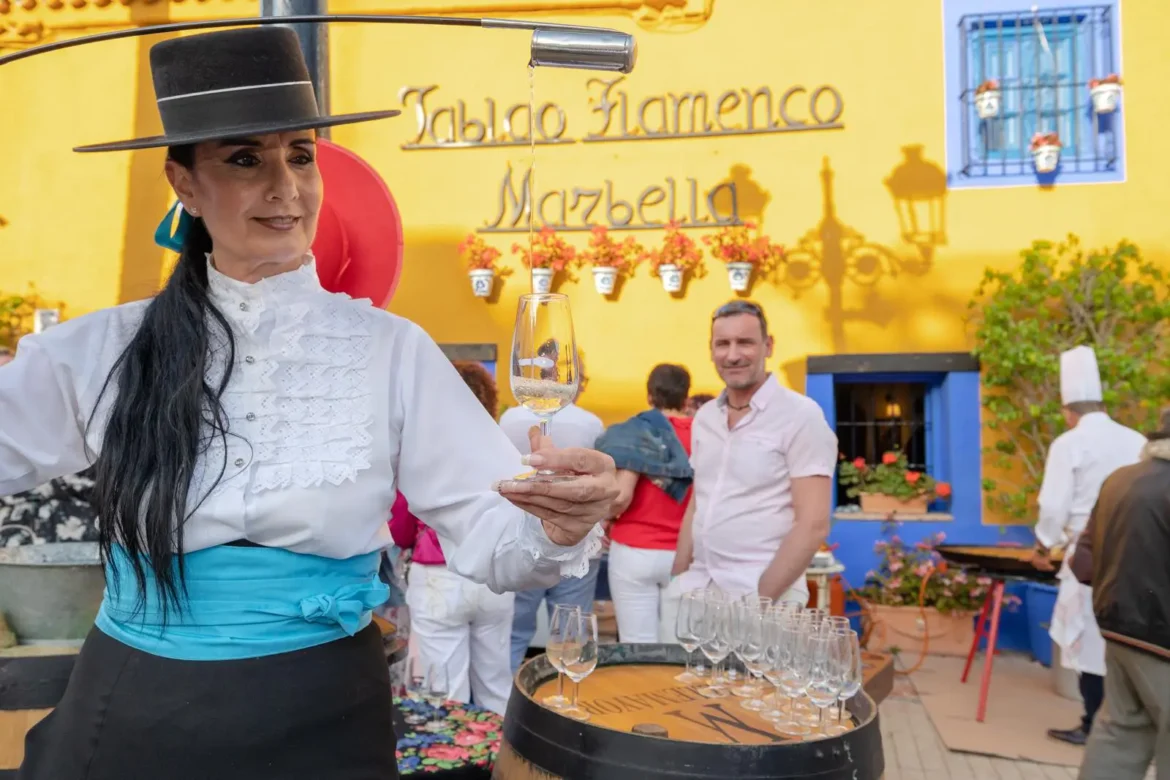
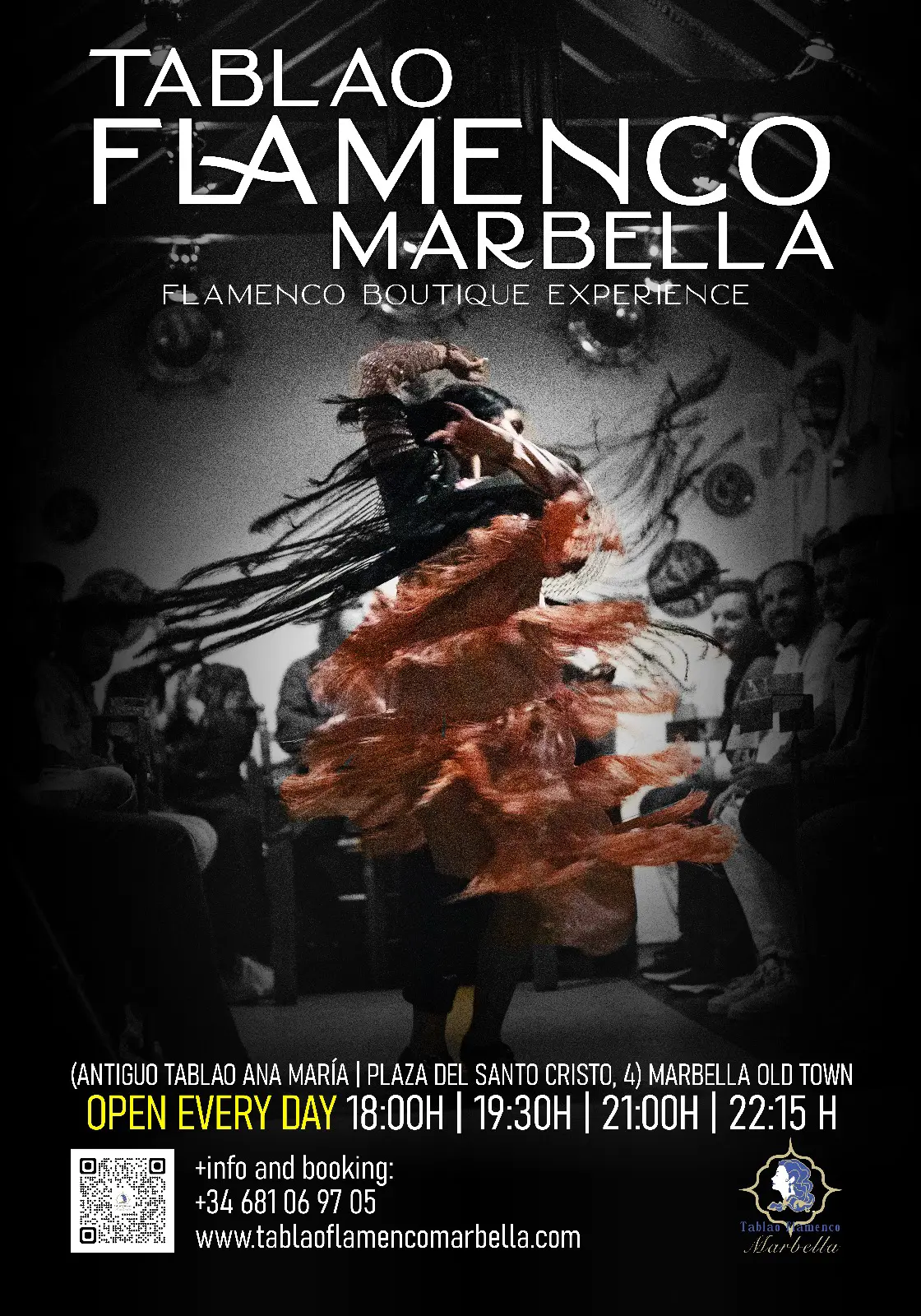
Located next to the Church of Santo Cristo, Tablao Flamenco Marbella is one of the oldest and most authentic tablaos (traditional dance halls) in Andalusia.
It was inaugurated in 1962 and soon became frequented by princesses and kings, nobility and internationally renowned artists, such as Princess Margaret, Sidney Poitier, Anthony Perkins, the Kennedy family… For more than 60 years, we have been visited by celebrities of the moment (Eva Longoria, Antonio Banderas…)
The experience you will have at Tablao Flamenco Marbella will immerse you in our pure flamenco show, without microphones, following an ancestral recipe with only two basic ingredients: soul and heart. You will experience flamenco full of passion and truth, while tasting our best typical Mediterranean food.
Flamenco from the soul: Our philosophy is to enjoy art directly, from the soul of the artist to the heart of the spectator, experiencing the visceral delivery of our pentagram, without a script, without structural composition, guided only by improvisation, emotion, feeling and what we Spaniards call ‘duende’. All this takes place in the most intimate atmosphere, making it a one-to-one flamenco experience.
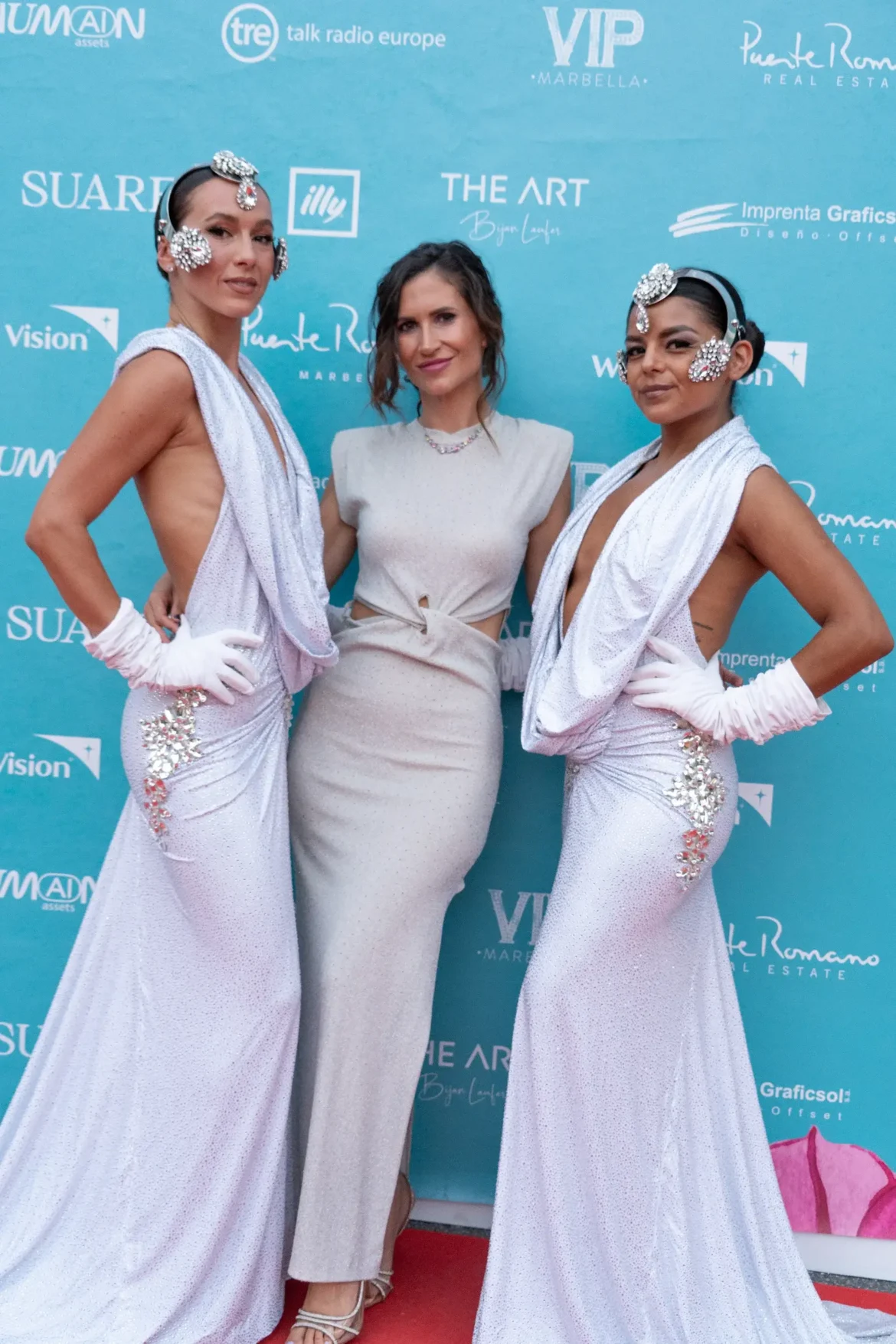
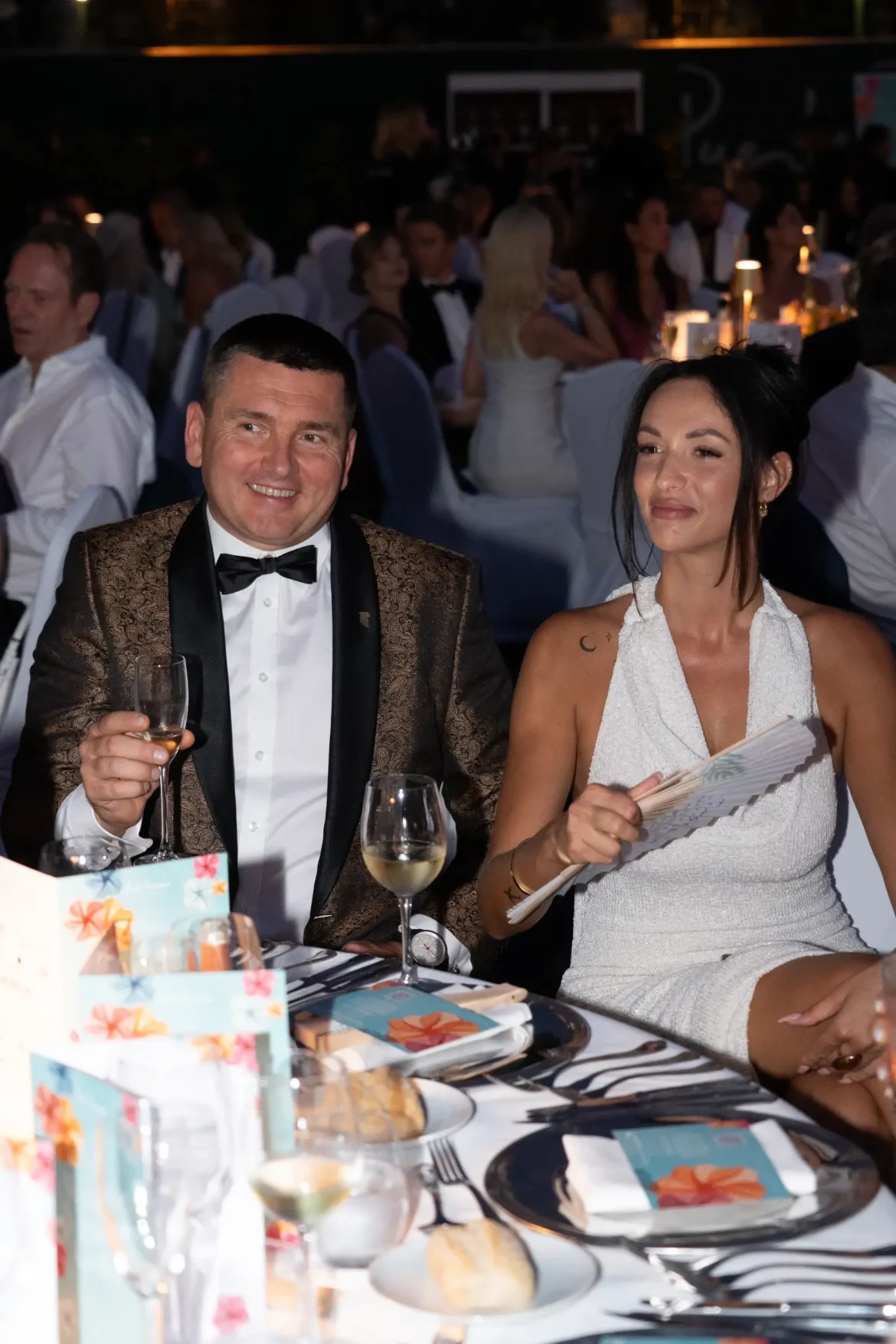
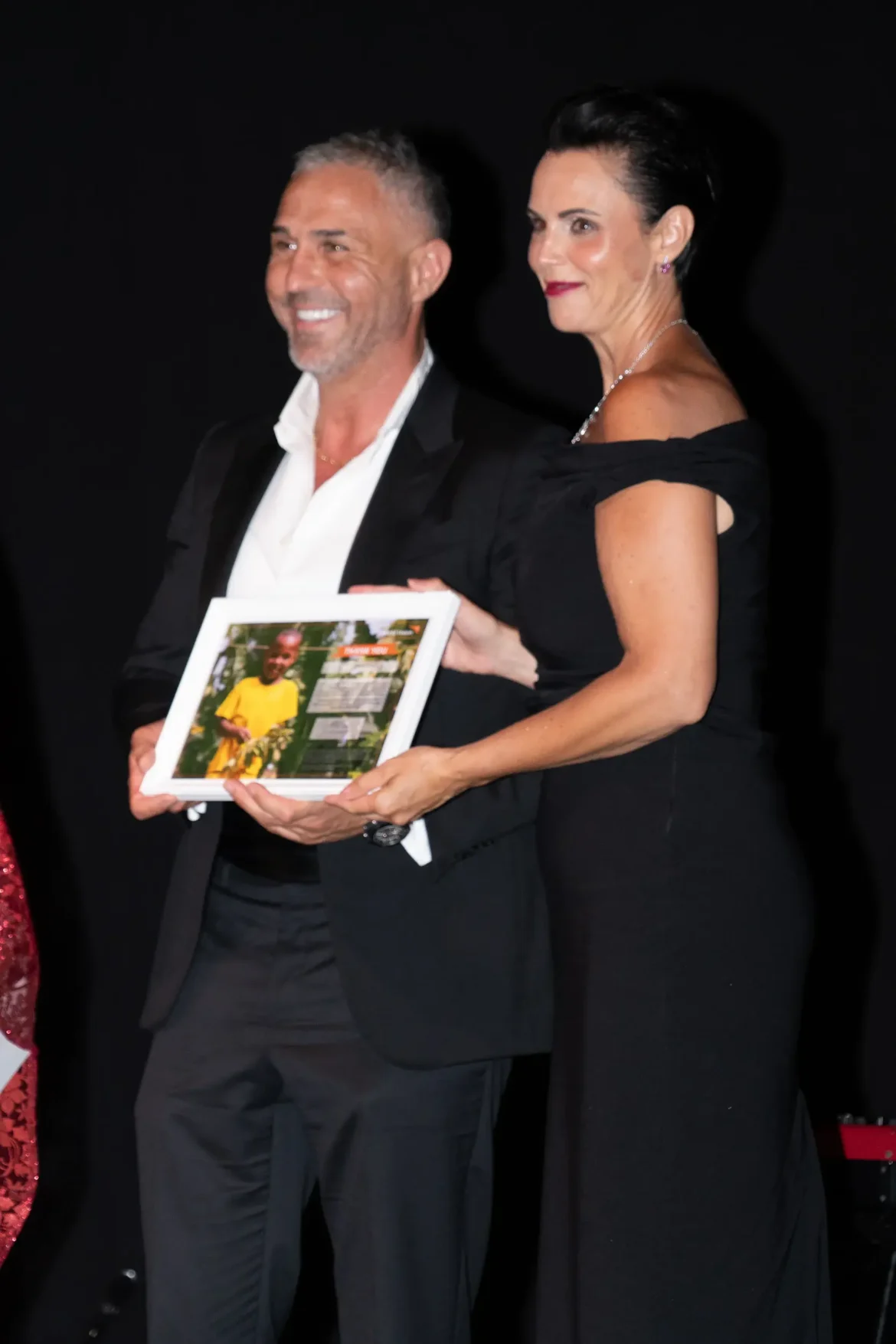
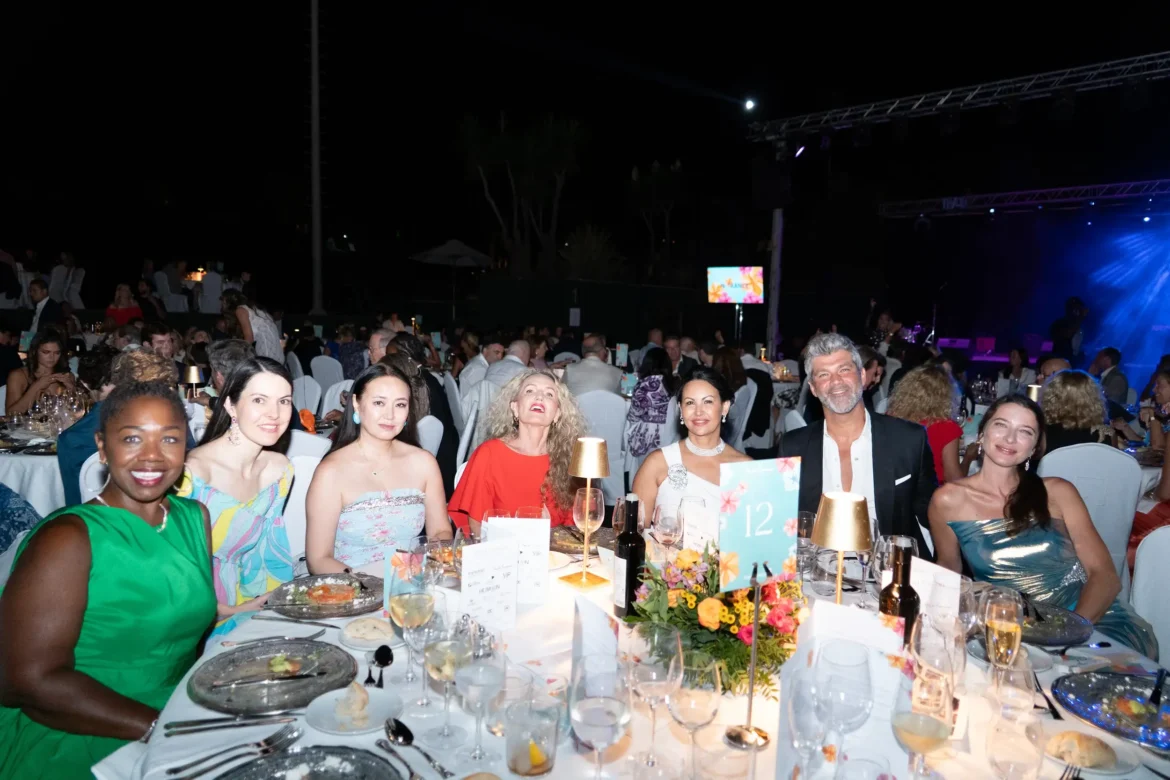
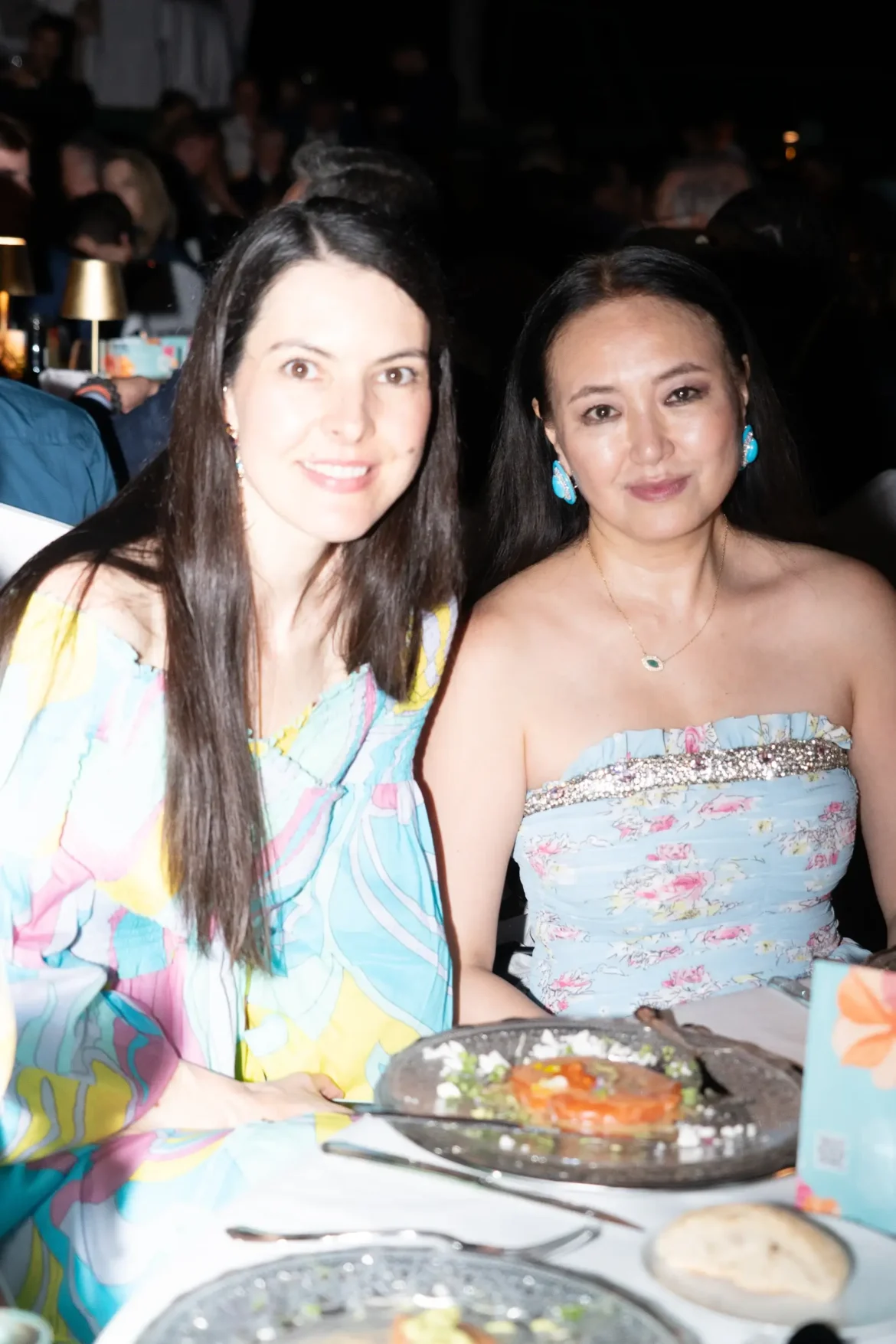
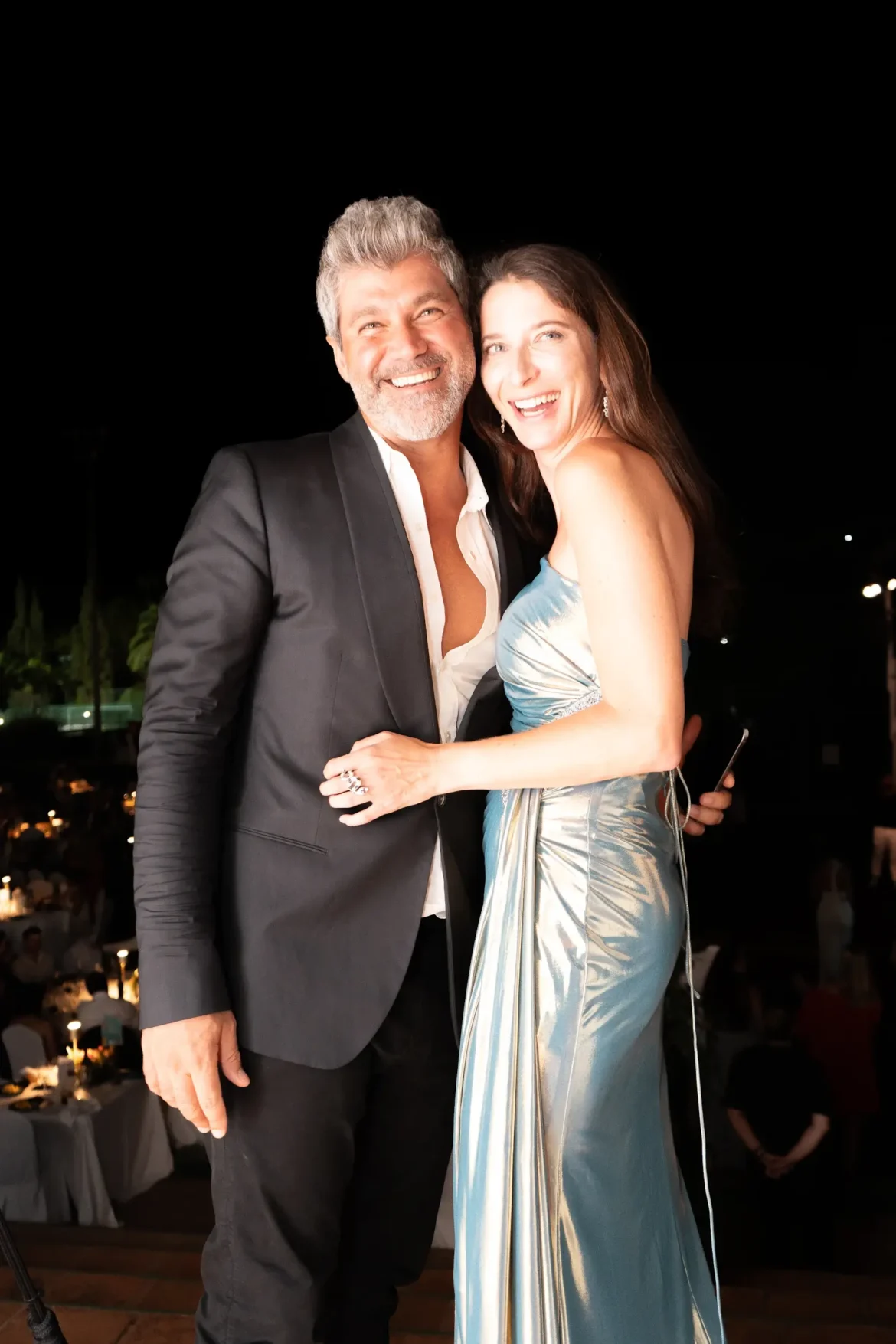
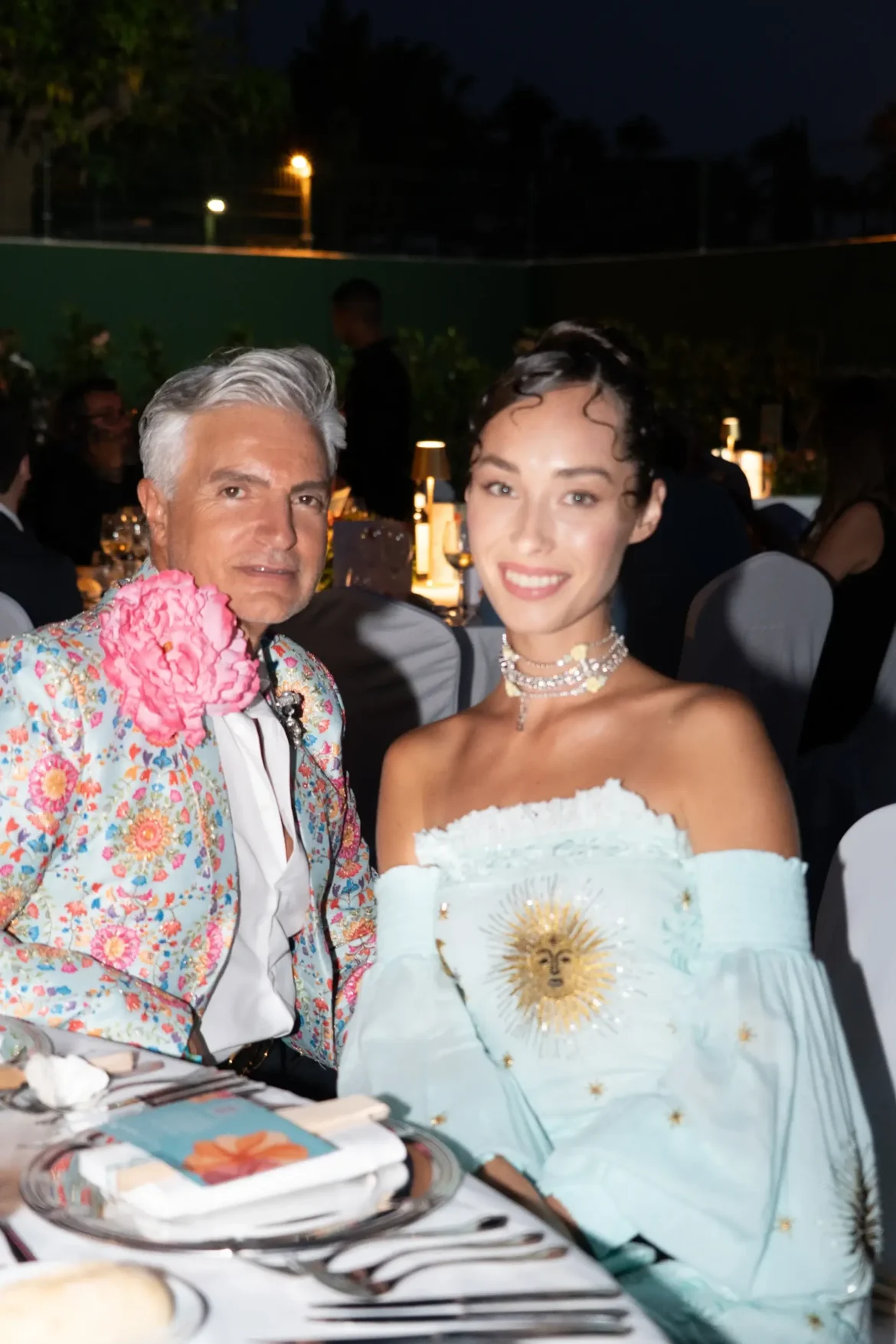
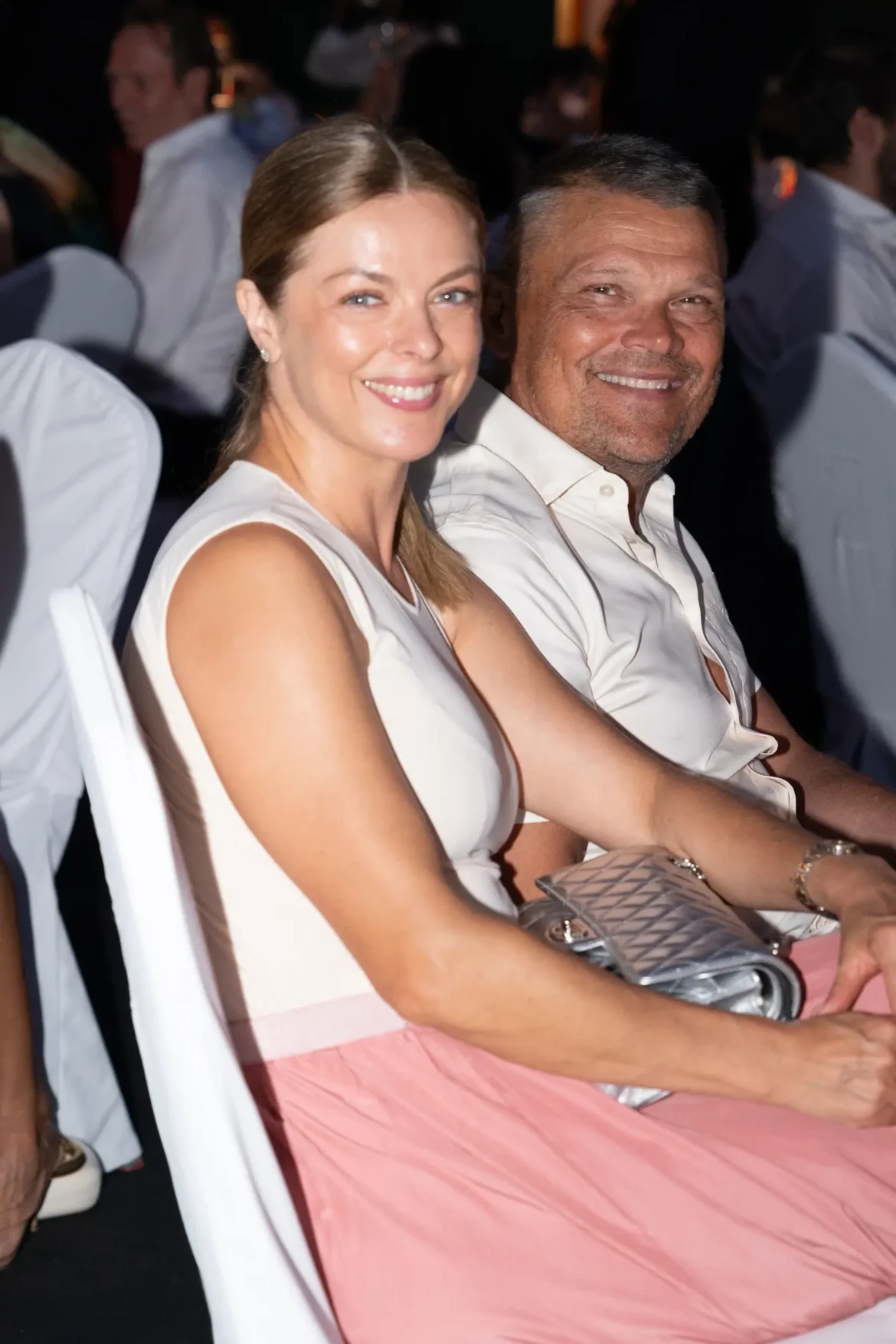
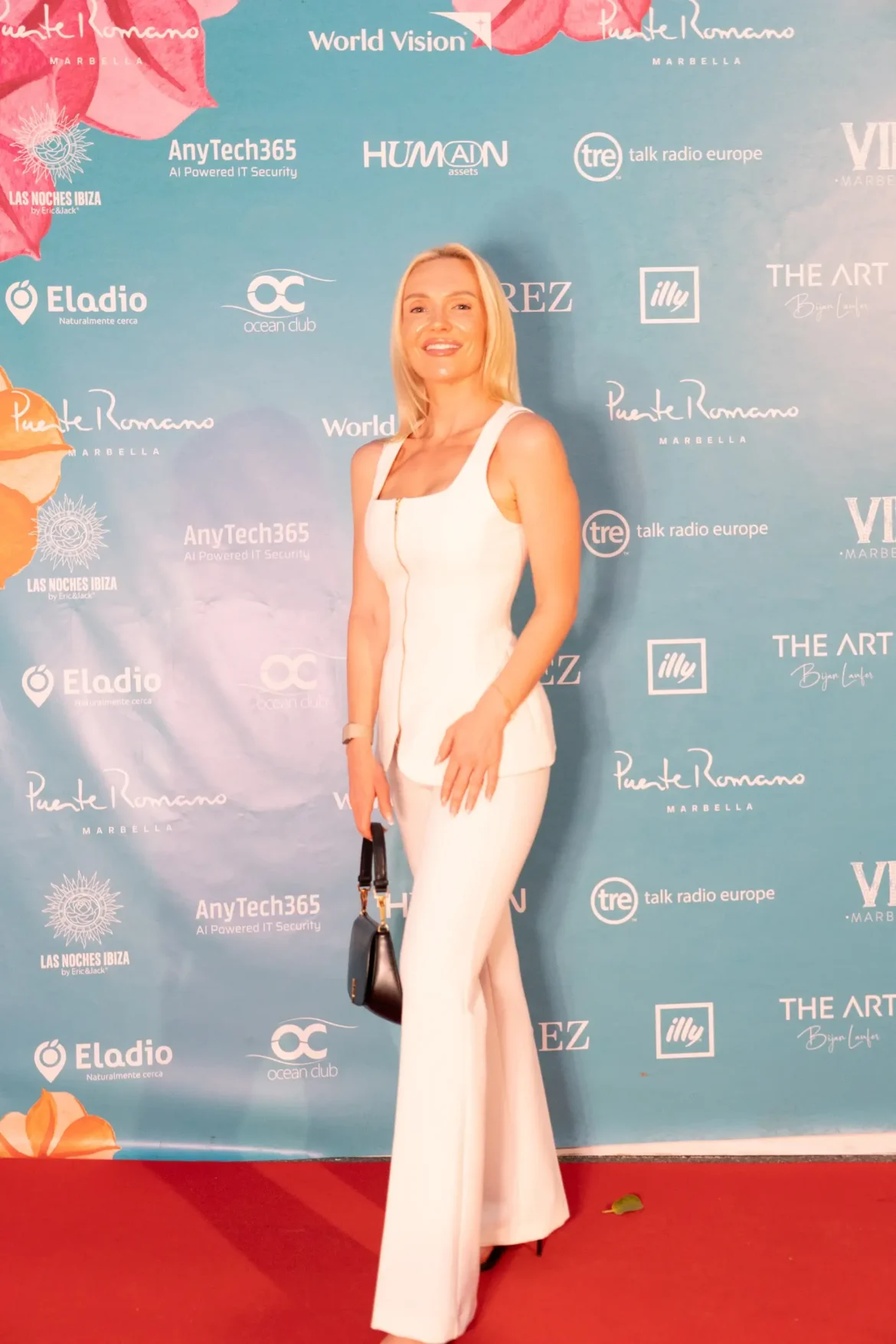
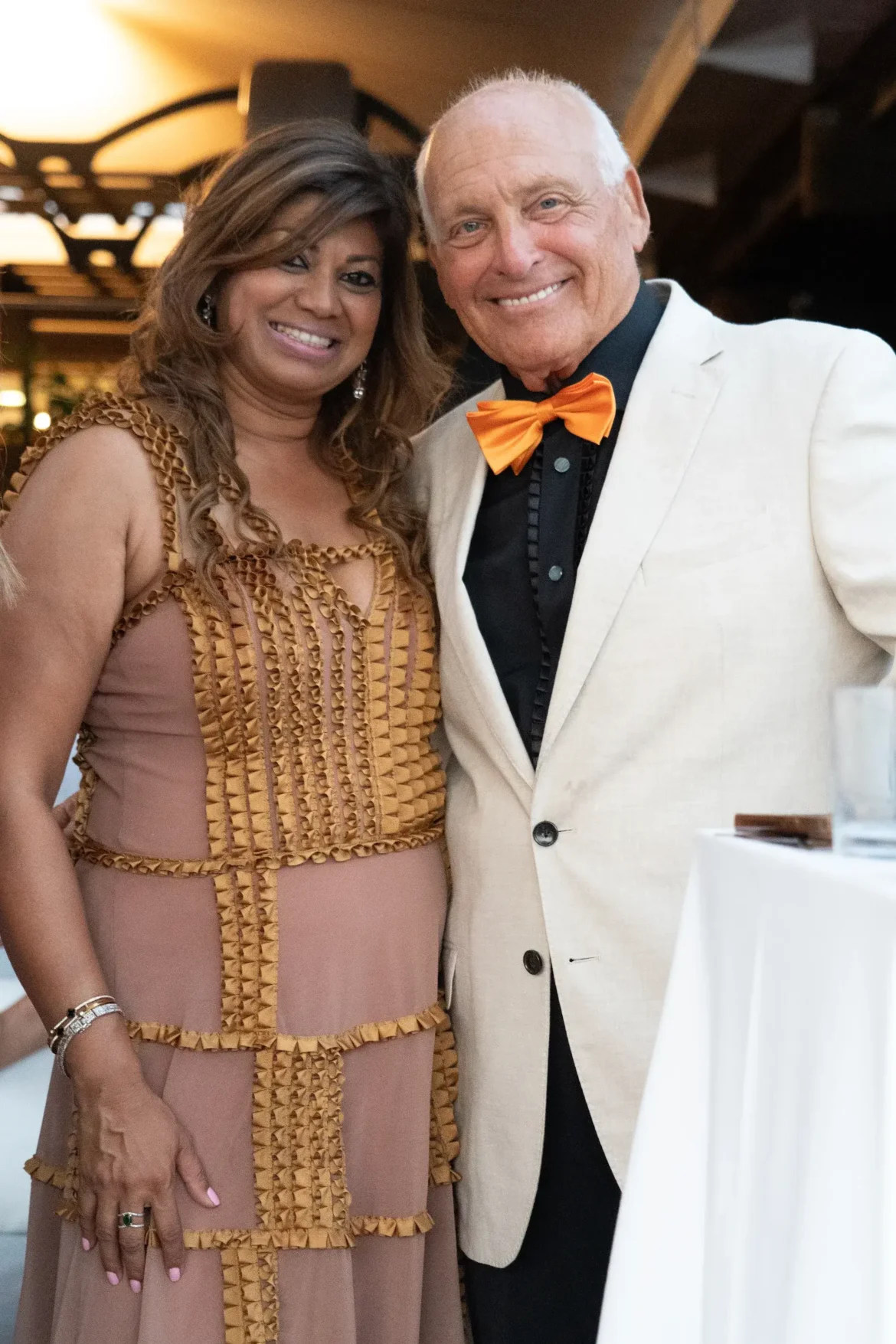
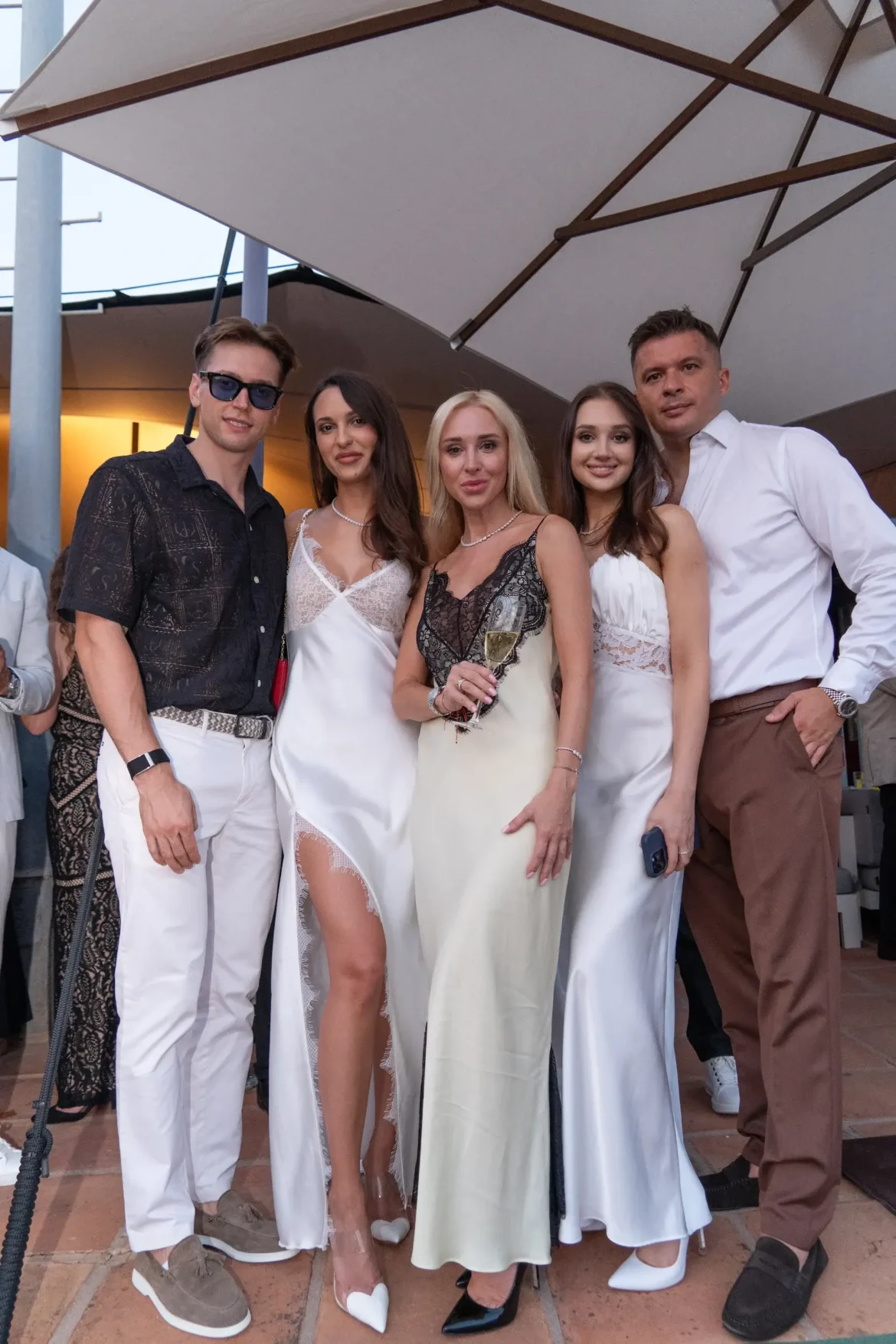
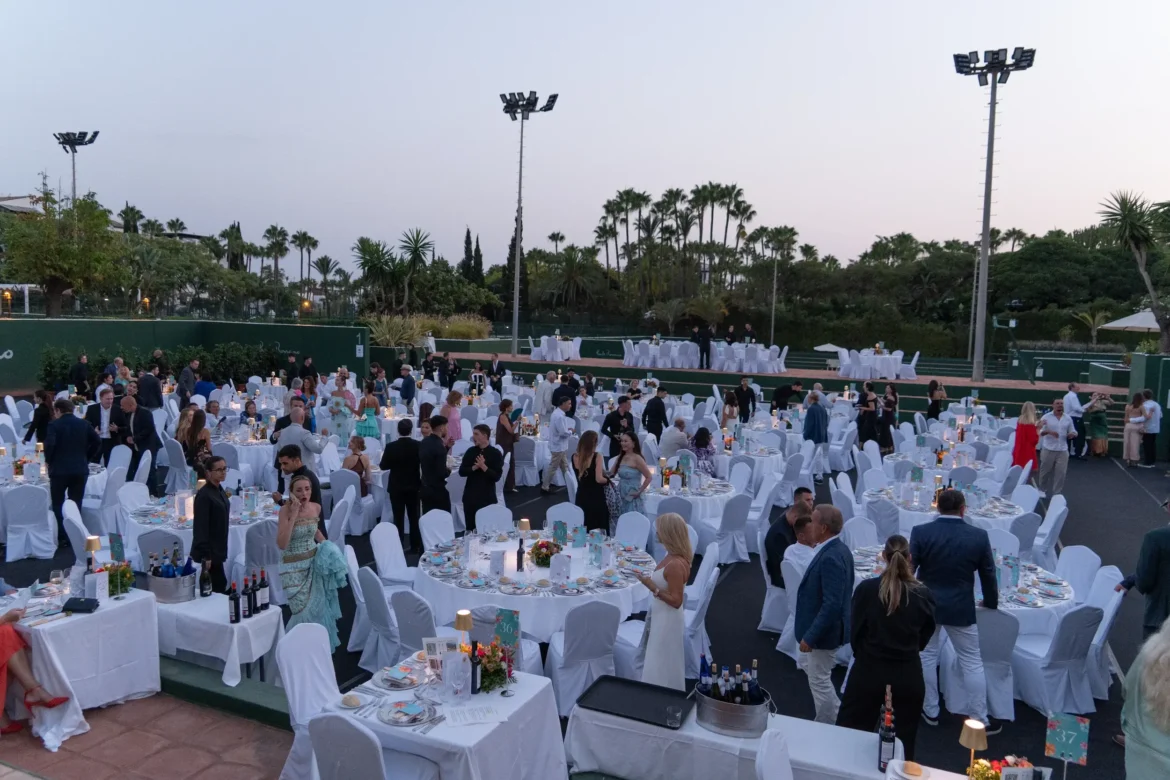
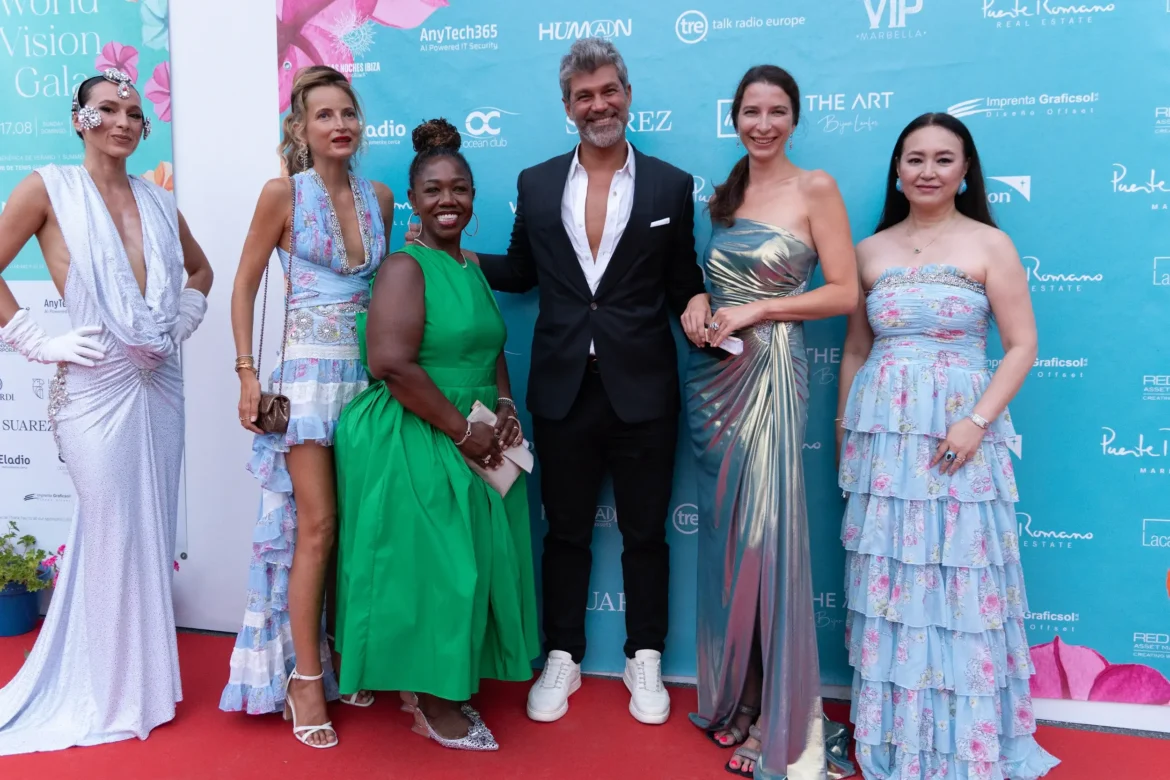
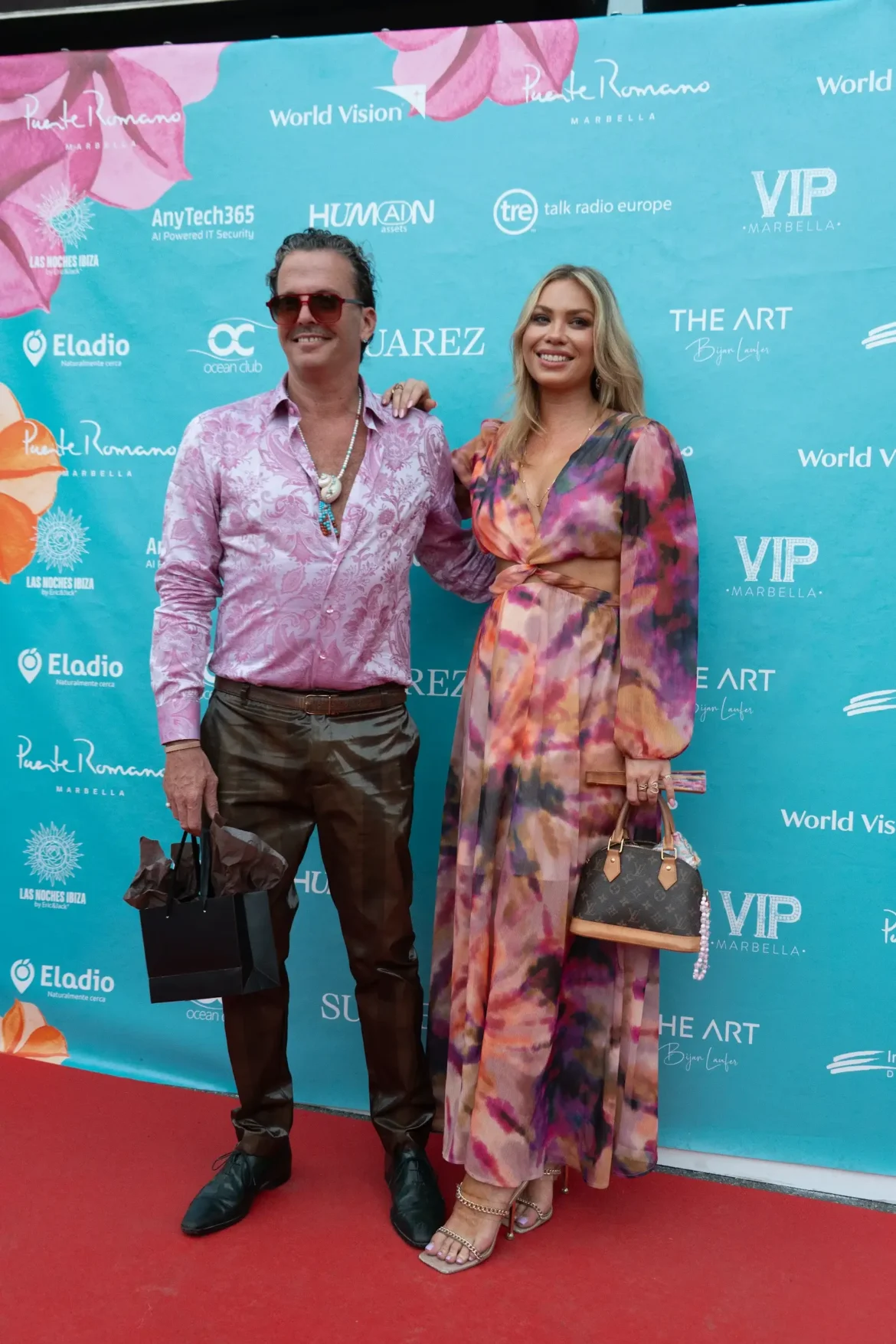
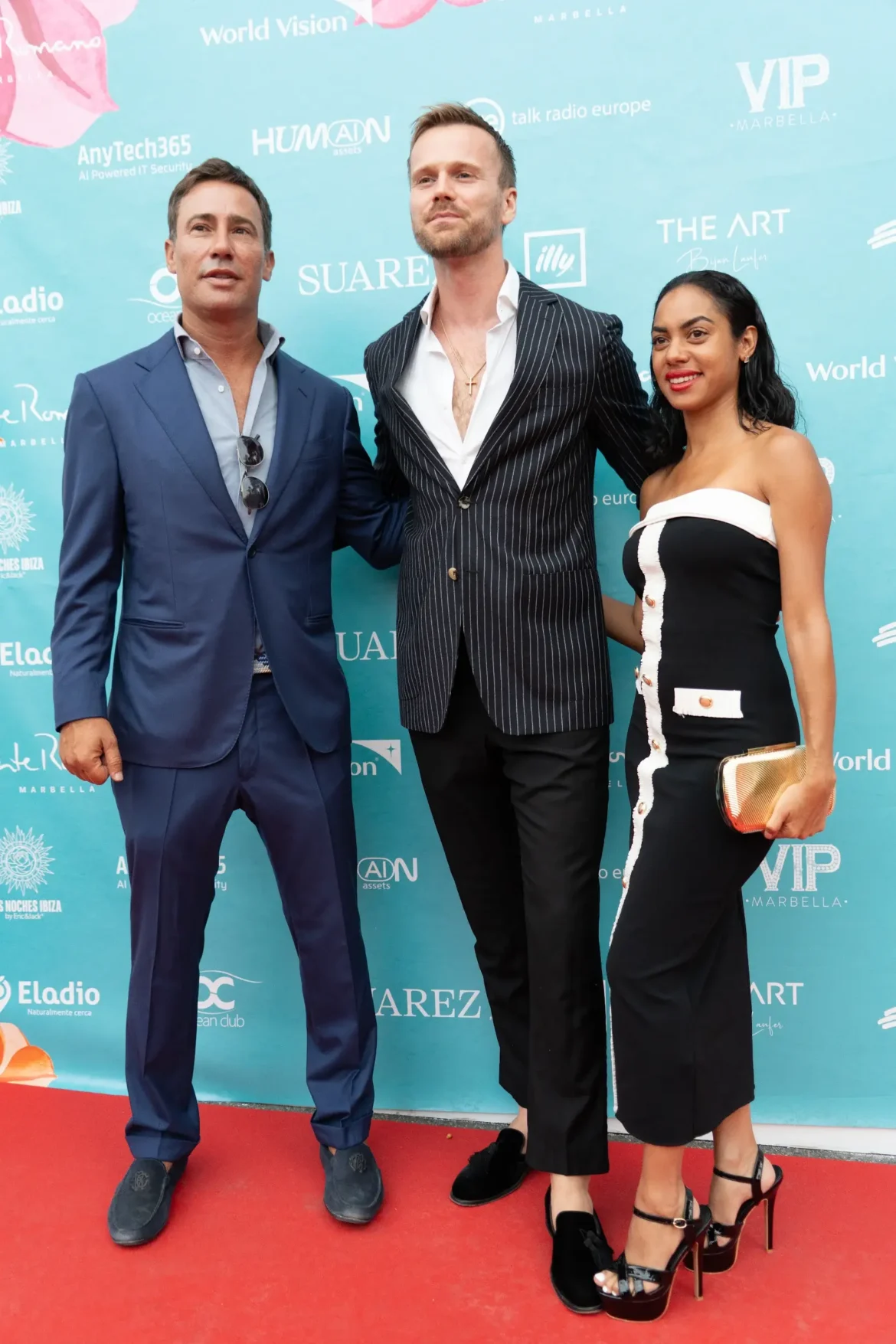
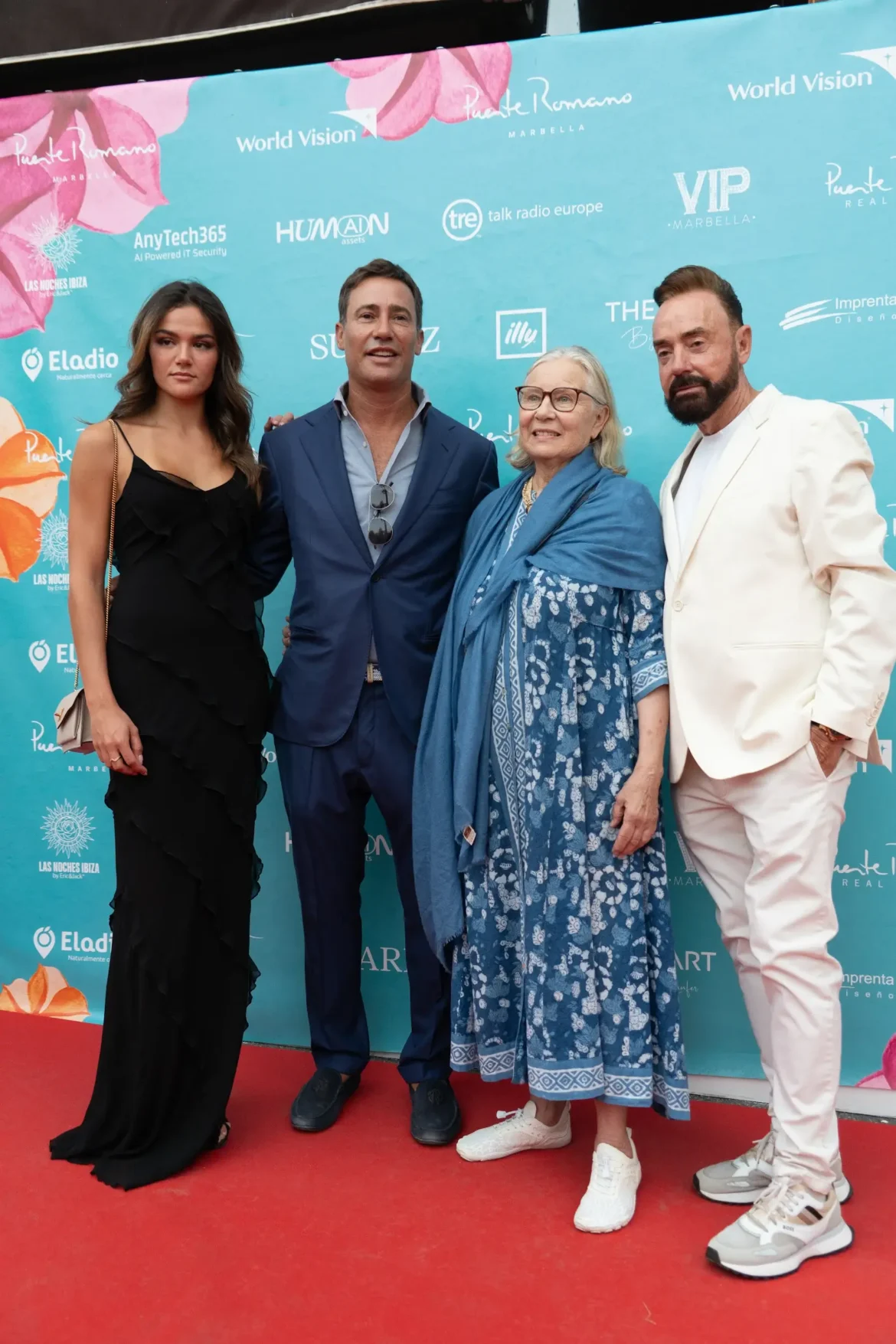
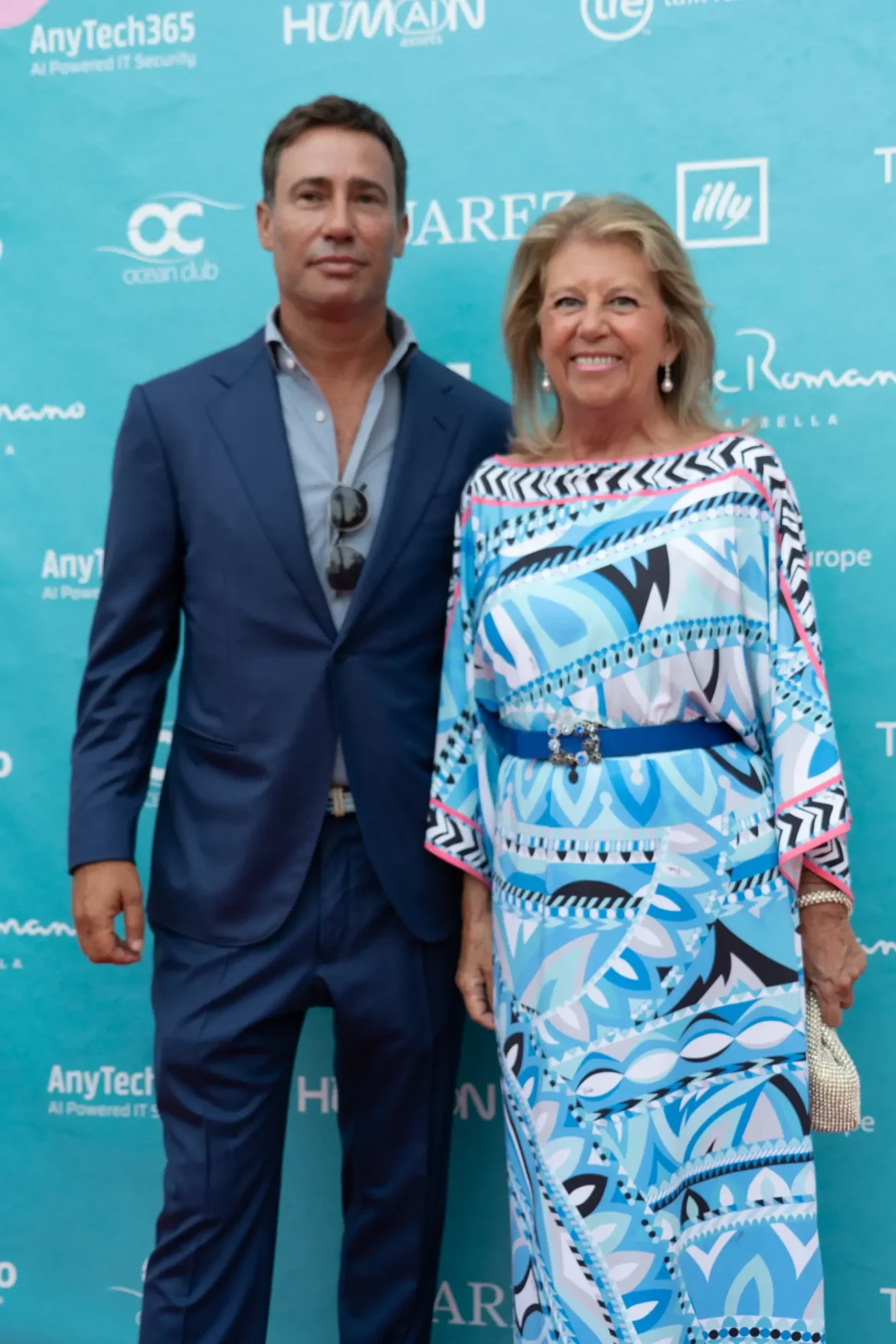
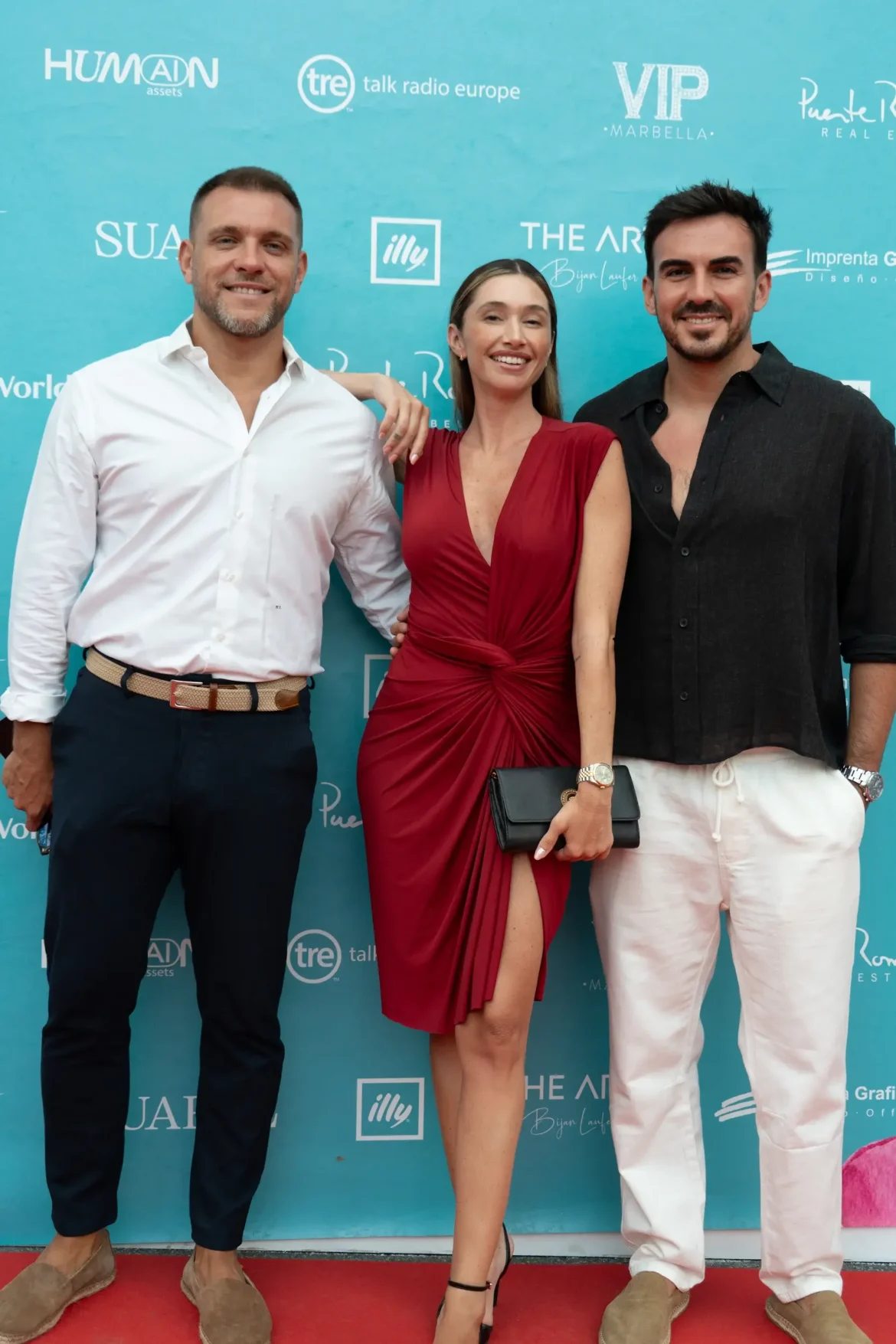
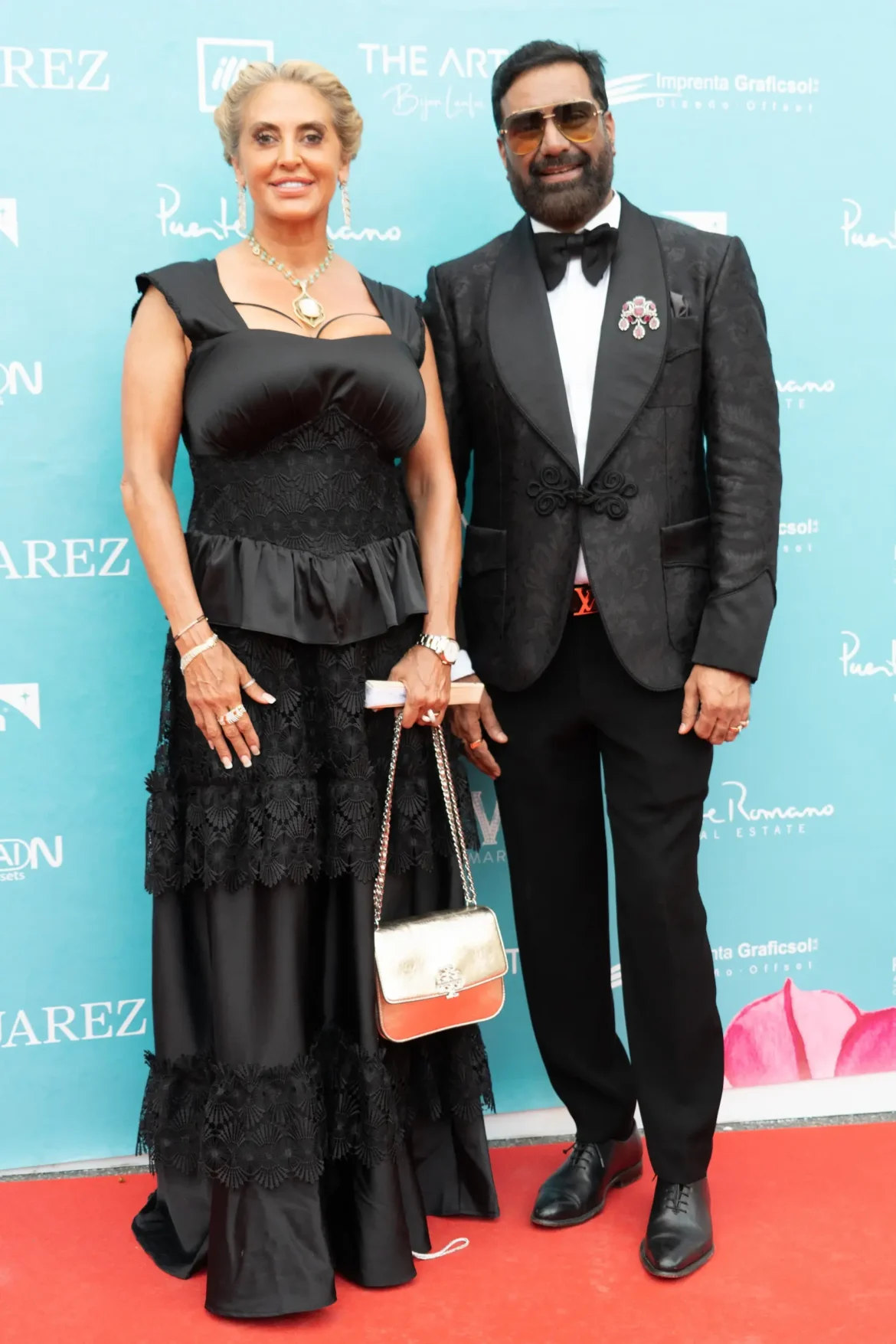
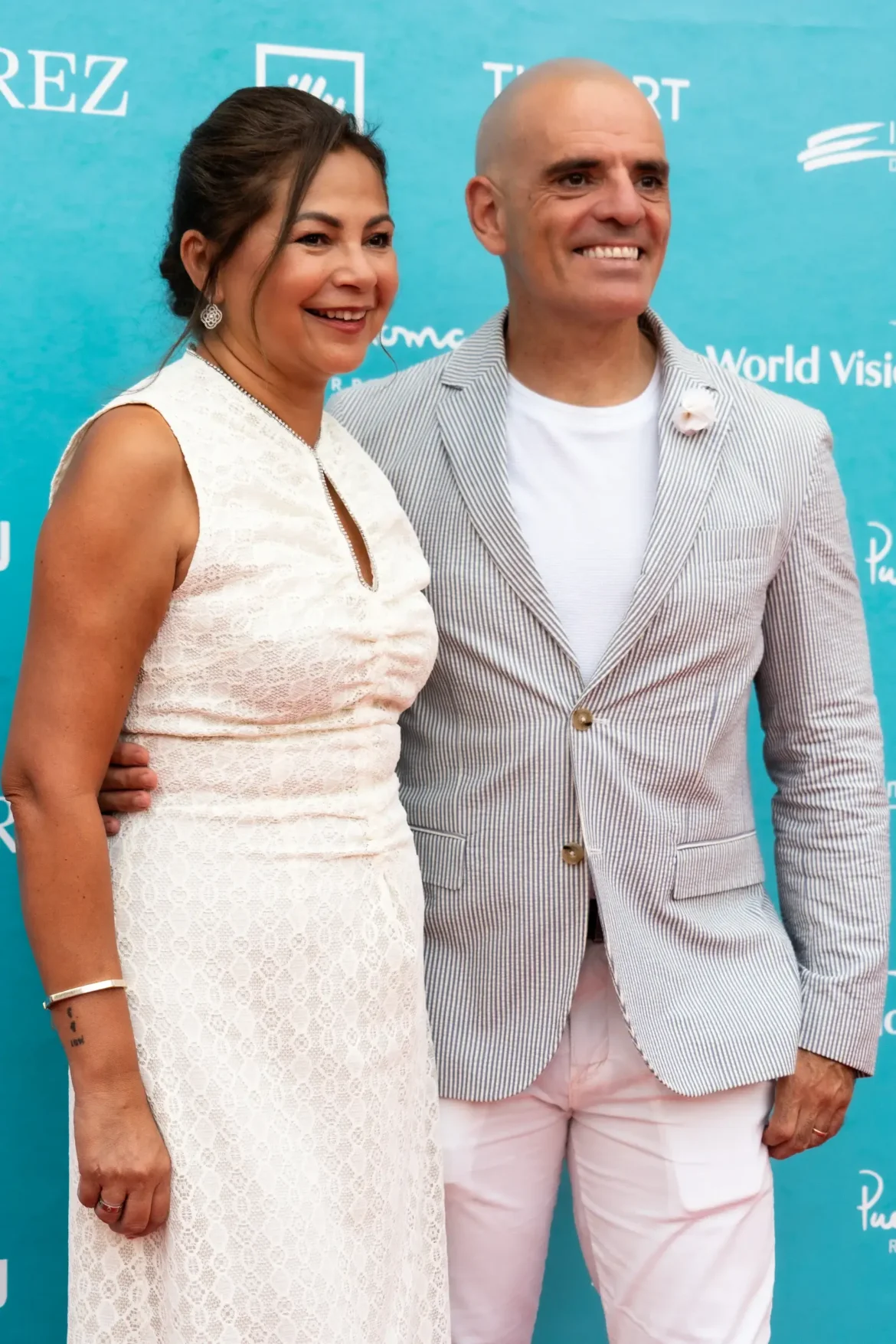
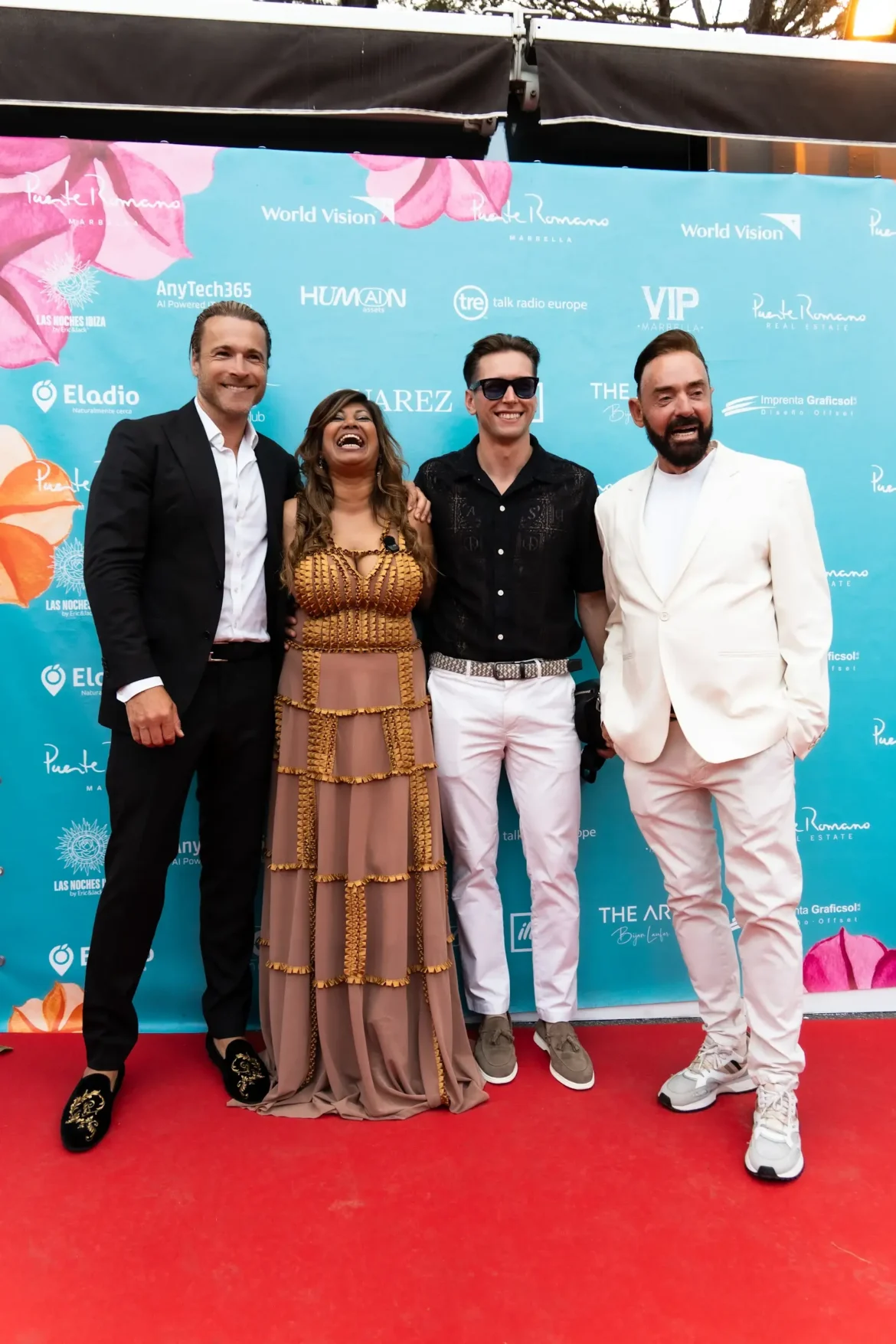
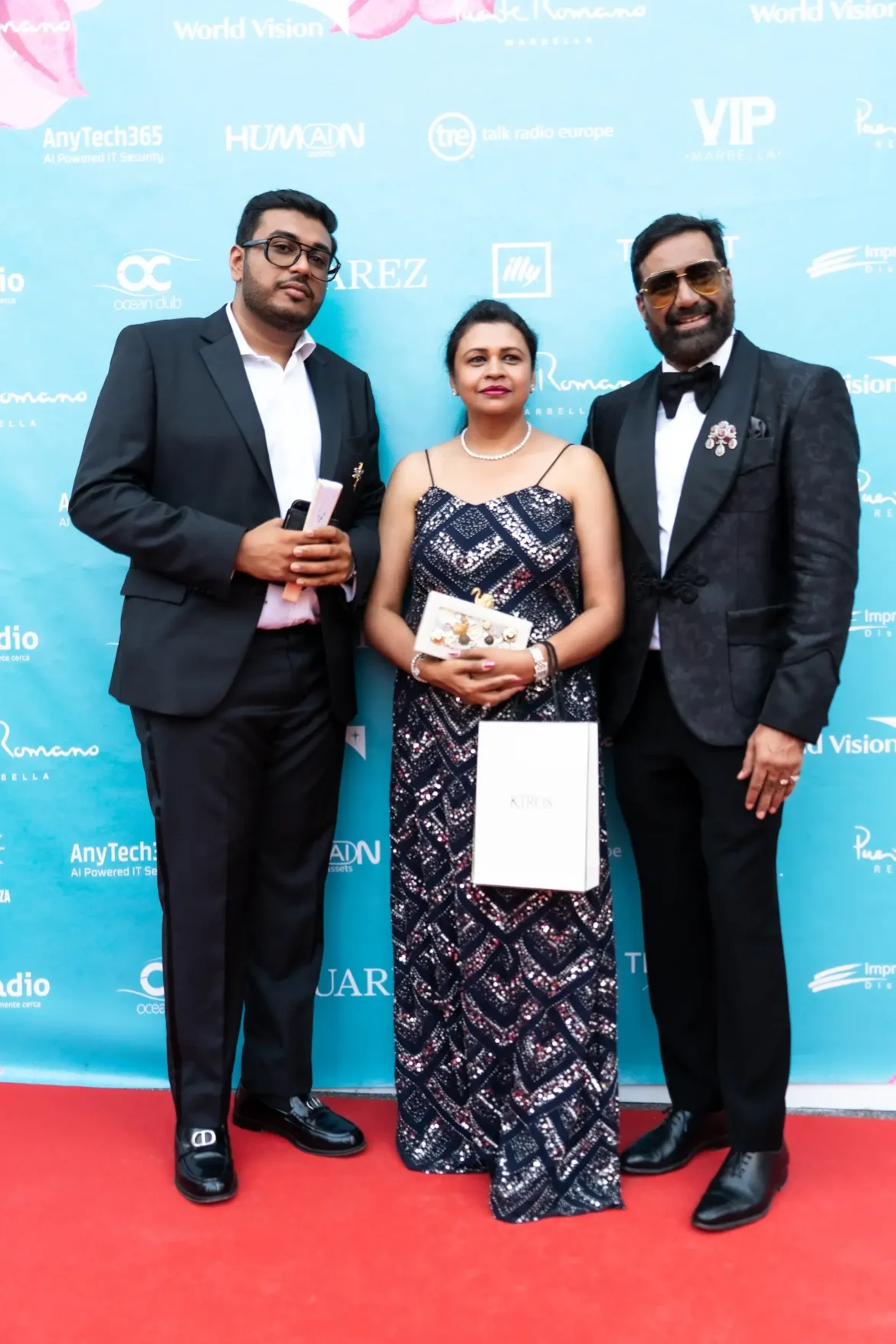
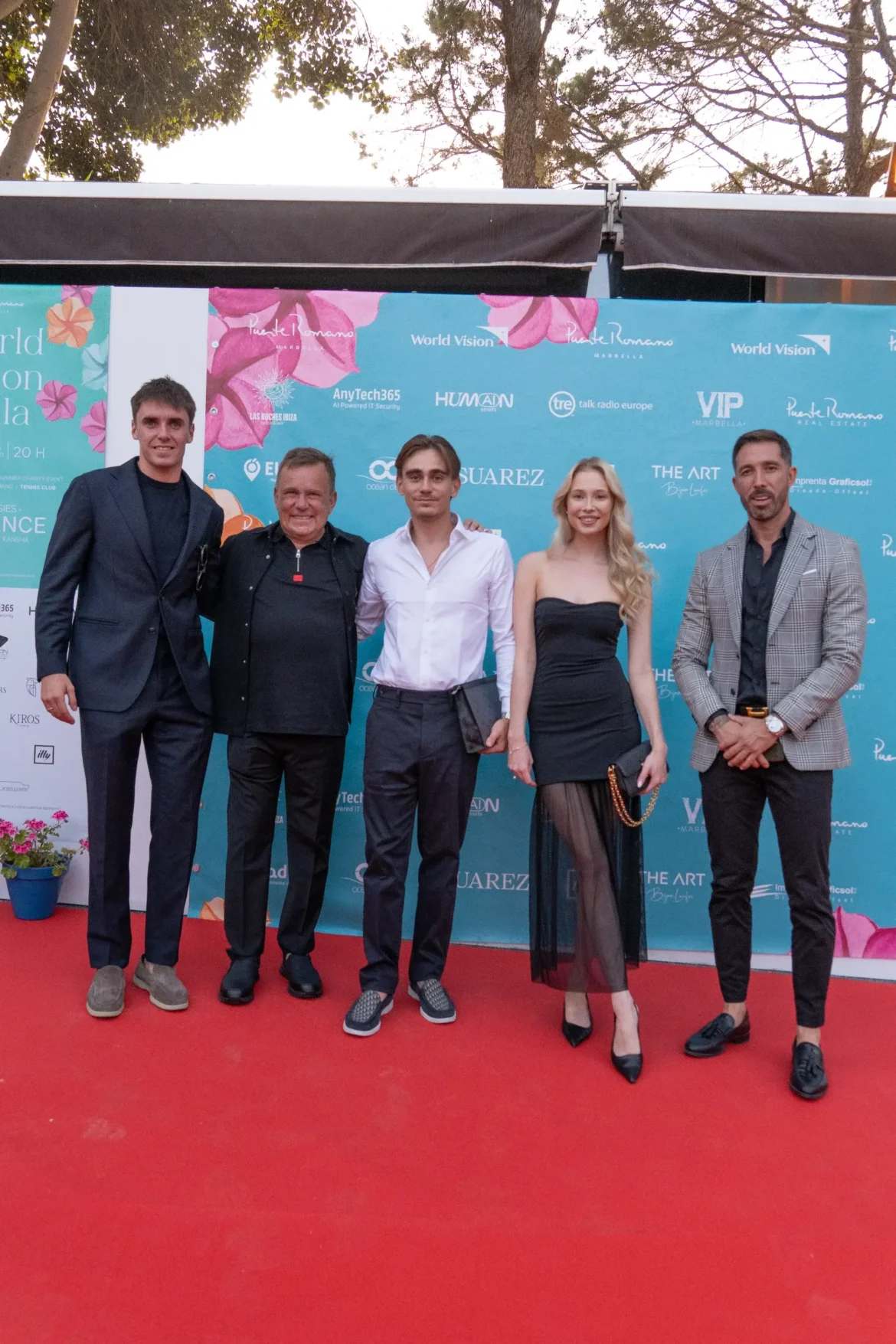
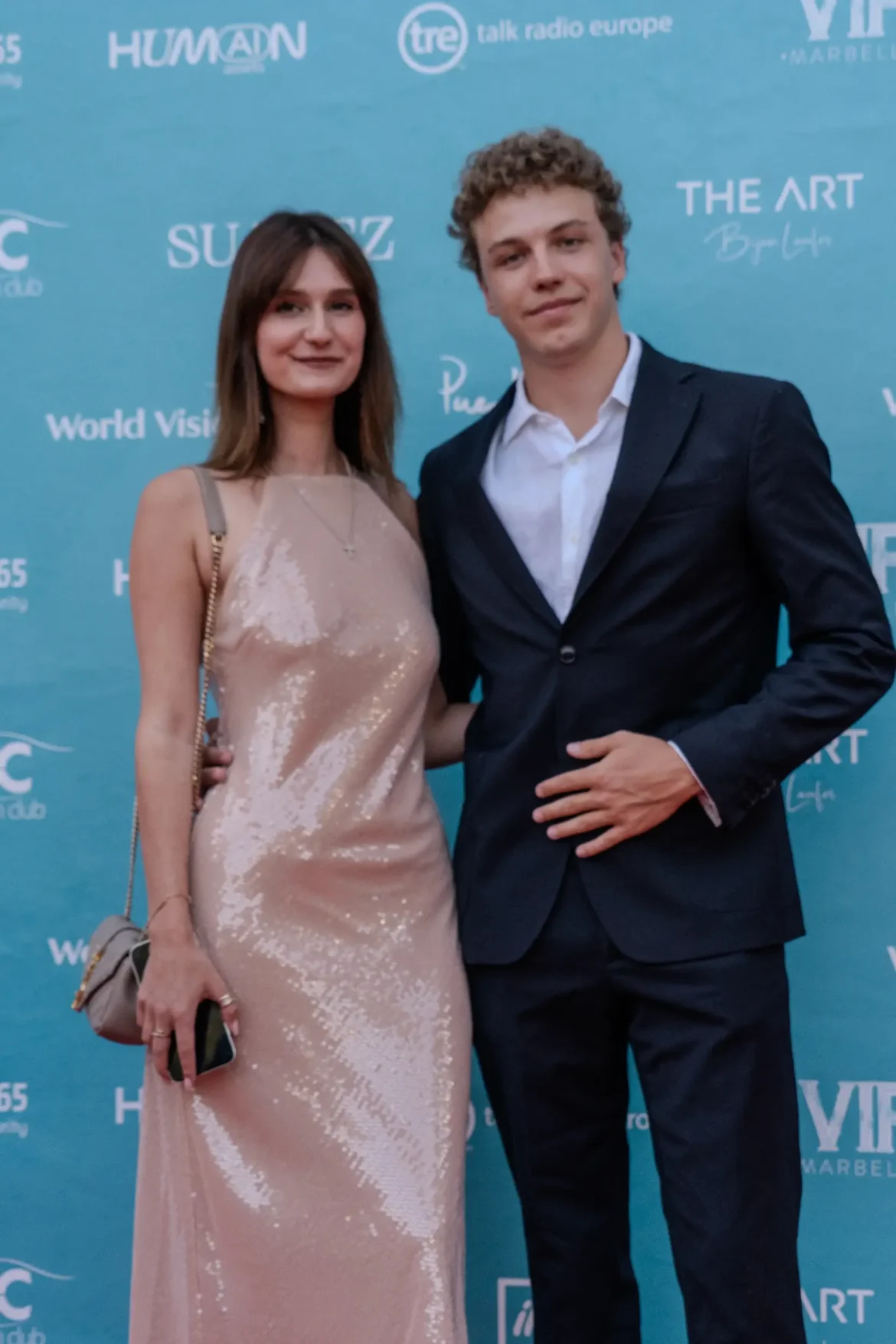
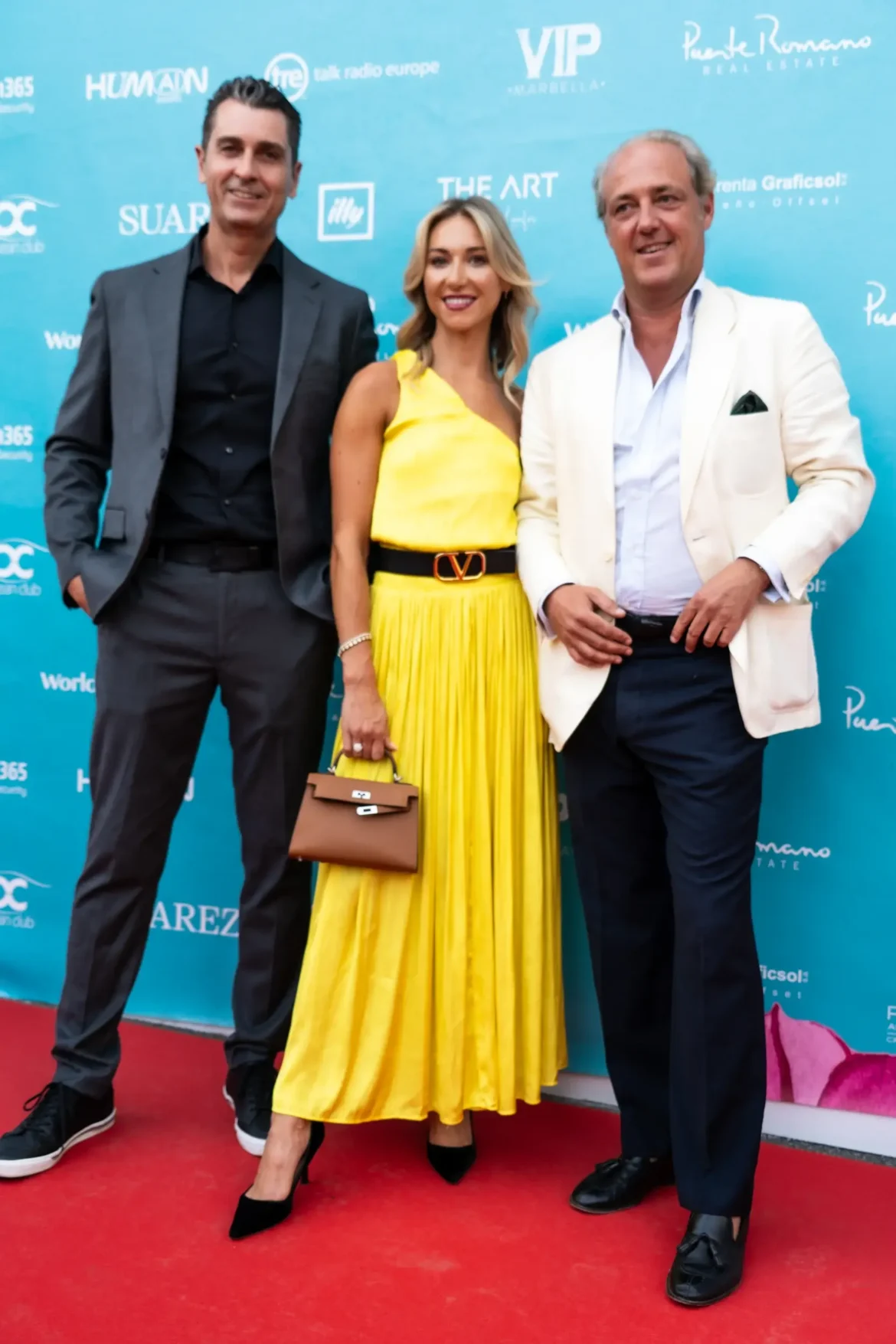
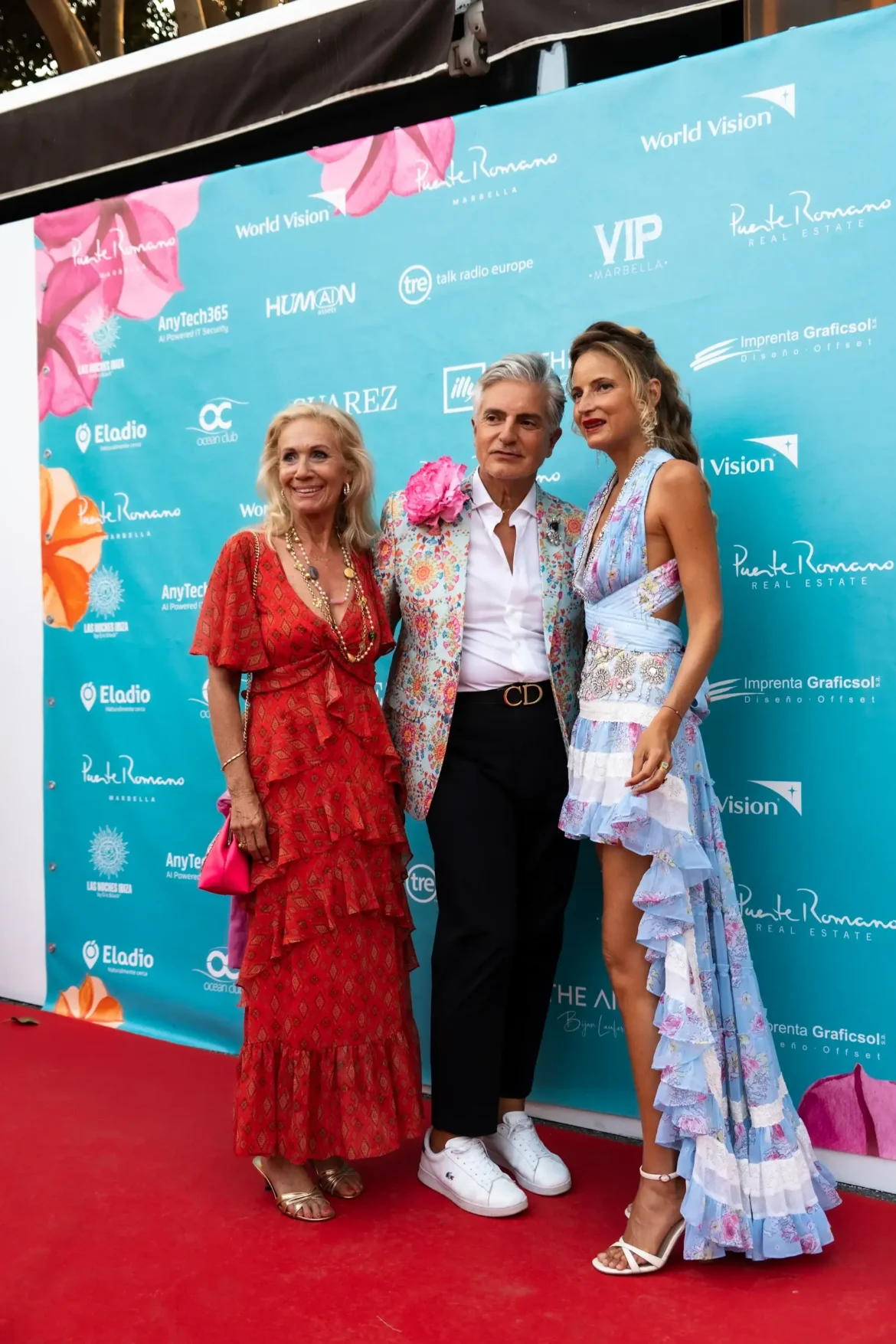
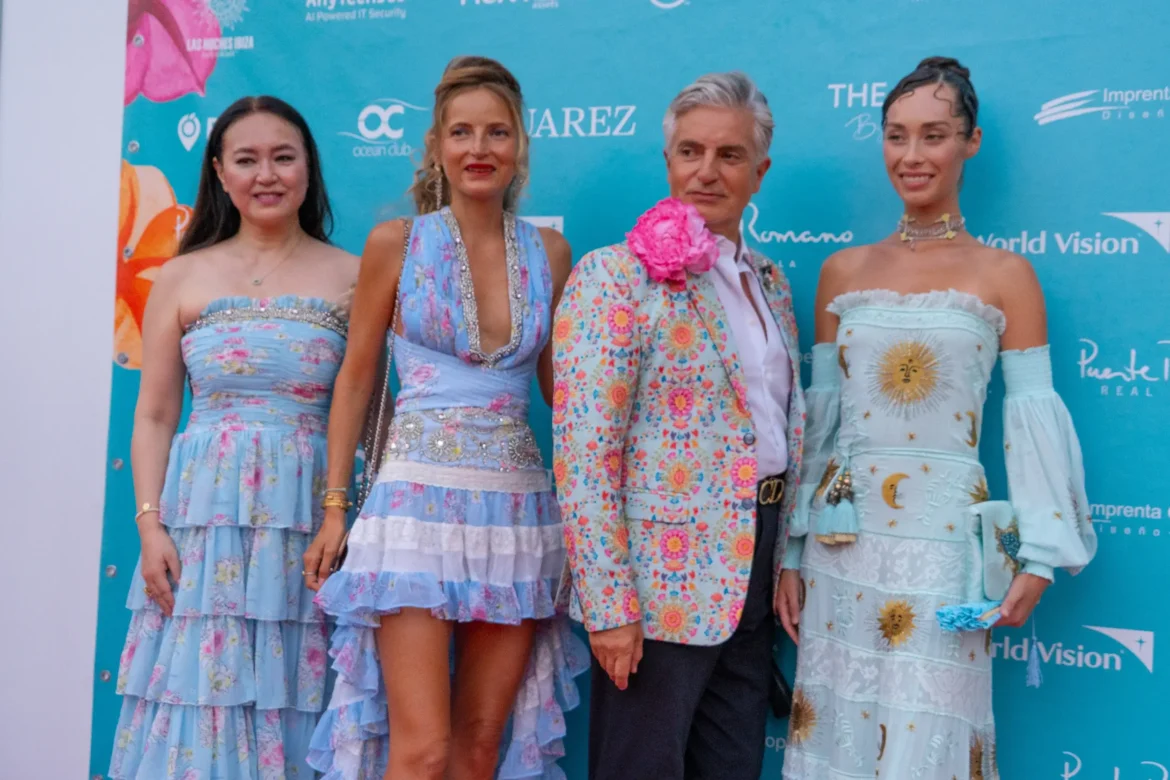
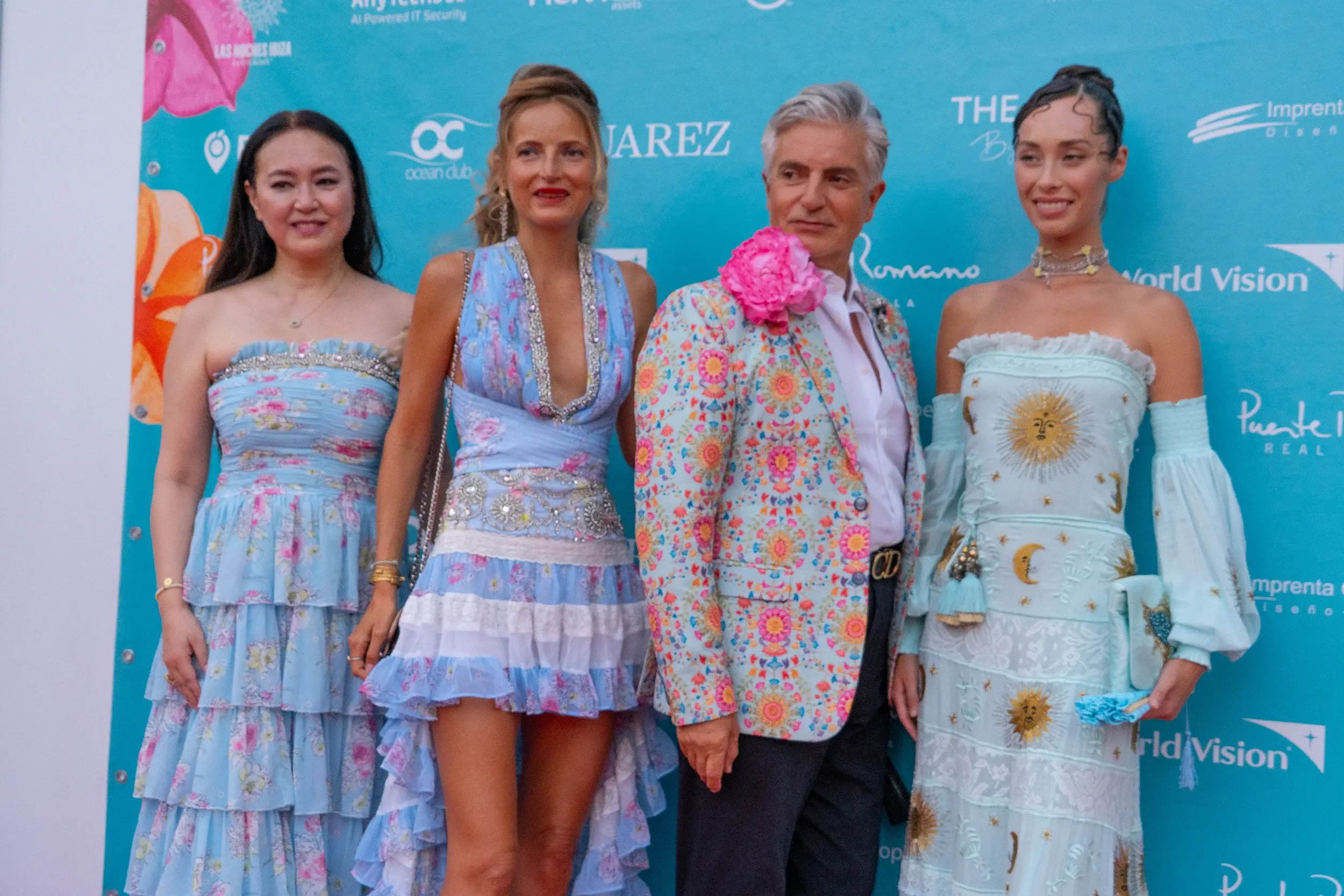
Once again, Puente Romano Marbella set the stage for the World Vision 2025 Charity Gala, held in the resort’s iconic Tennis Club. This annual event, dedicated to supporting vulnerable communities across the globe, placed special focus on Ethiopia and its efforts to build long-term food security through land restoration and the adoption of climate-smart agricultural practices, with the aim of improving child nutrition and fostering sustainable livelihoods.
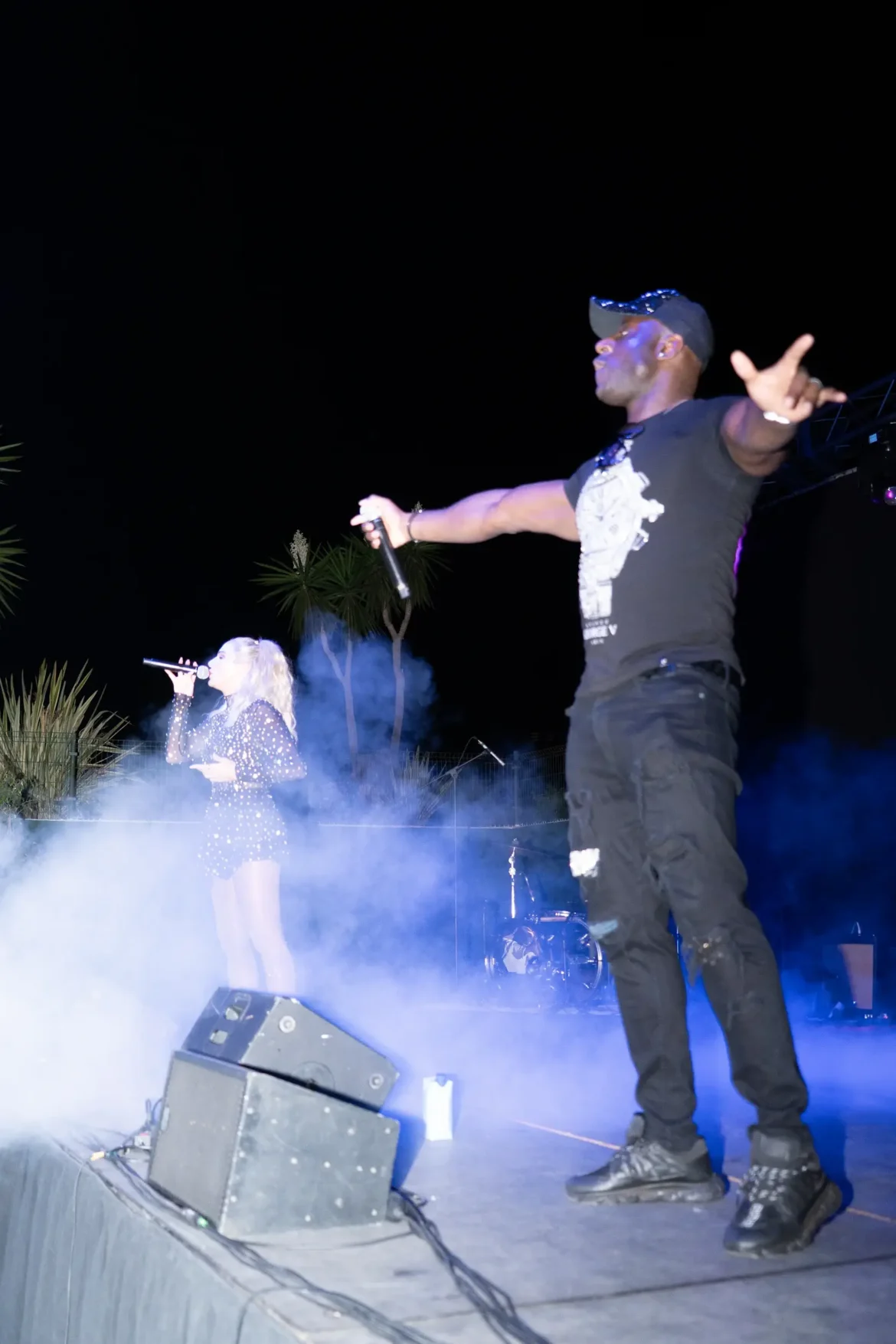
The evening’s musical program featured a headline performance by N-Trance, renowned for their iconic electronic beats, alongside The Gypsies, who captivated the audience with a vibrant mix of flamenco, salsa, and pop. The night concluded with top DJs keeping the celebratory atmosphere alive until the very end.
As part of the fundraising initiatives, resort owner Daniel Shamoon hosted a charity auction, offering prizes such as fine dining experiences and luxury stays at Puente Romano Marbella, generously donated by the hotel itself.
The World Vision Charity Gala reflects Puente Romano Marbella’s unwavering commitment to creating a meaningful impact in international communities most in need. The collaboration allows guests to enjoy an unforgettable evening while directly contributing to projects that transform lives across the world.
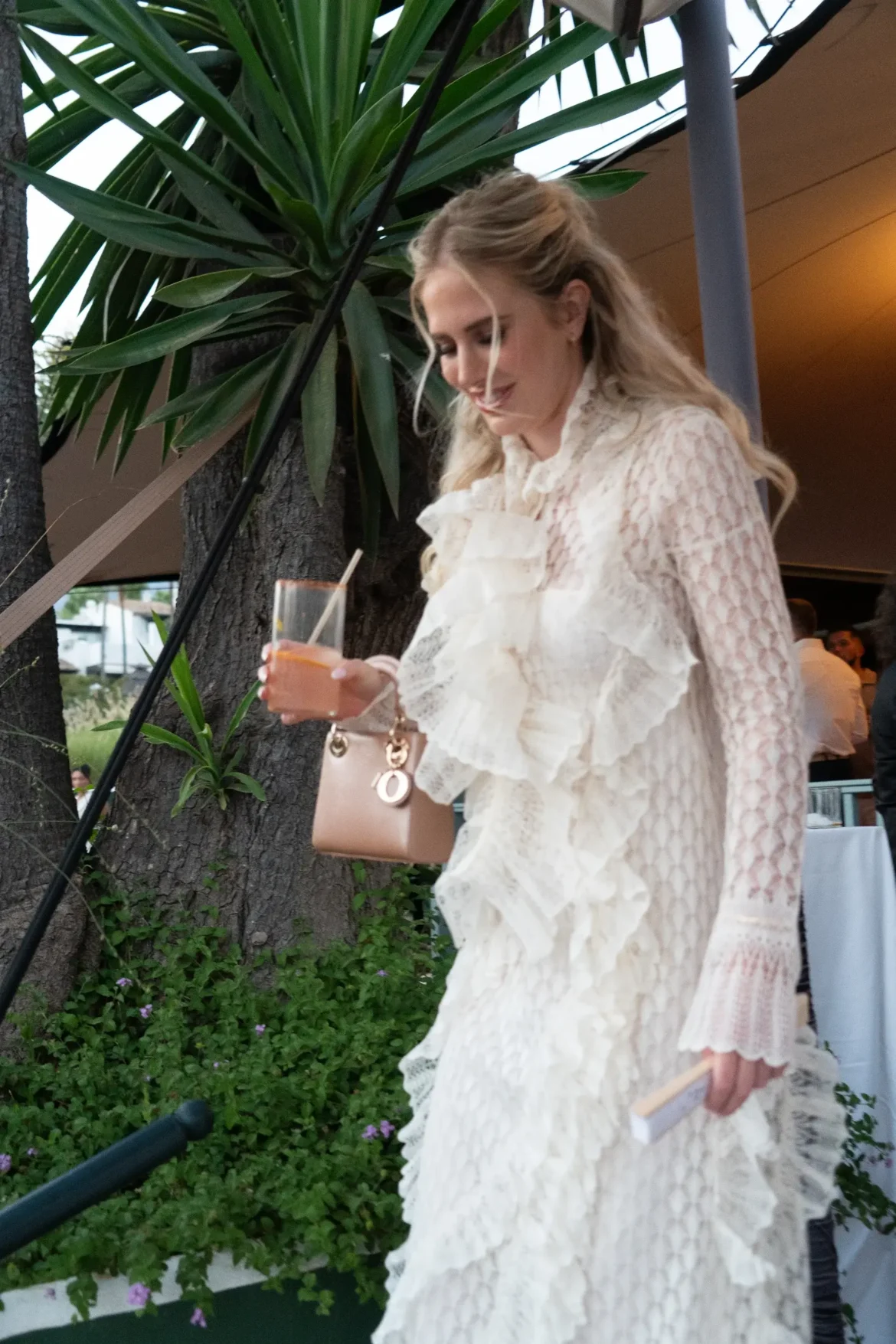
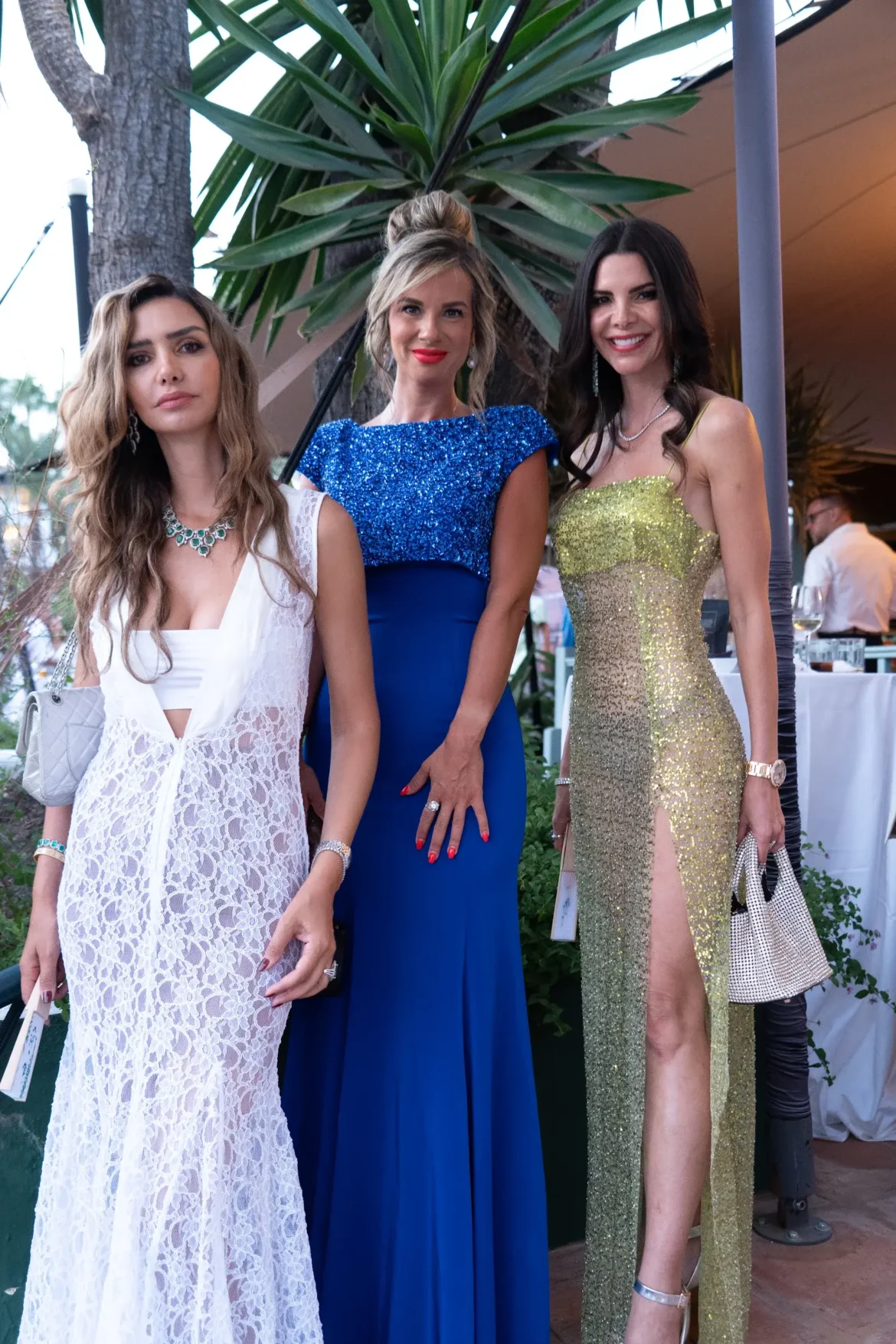
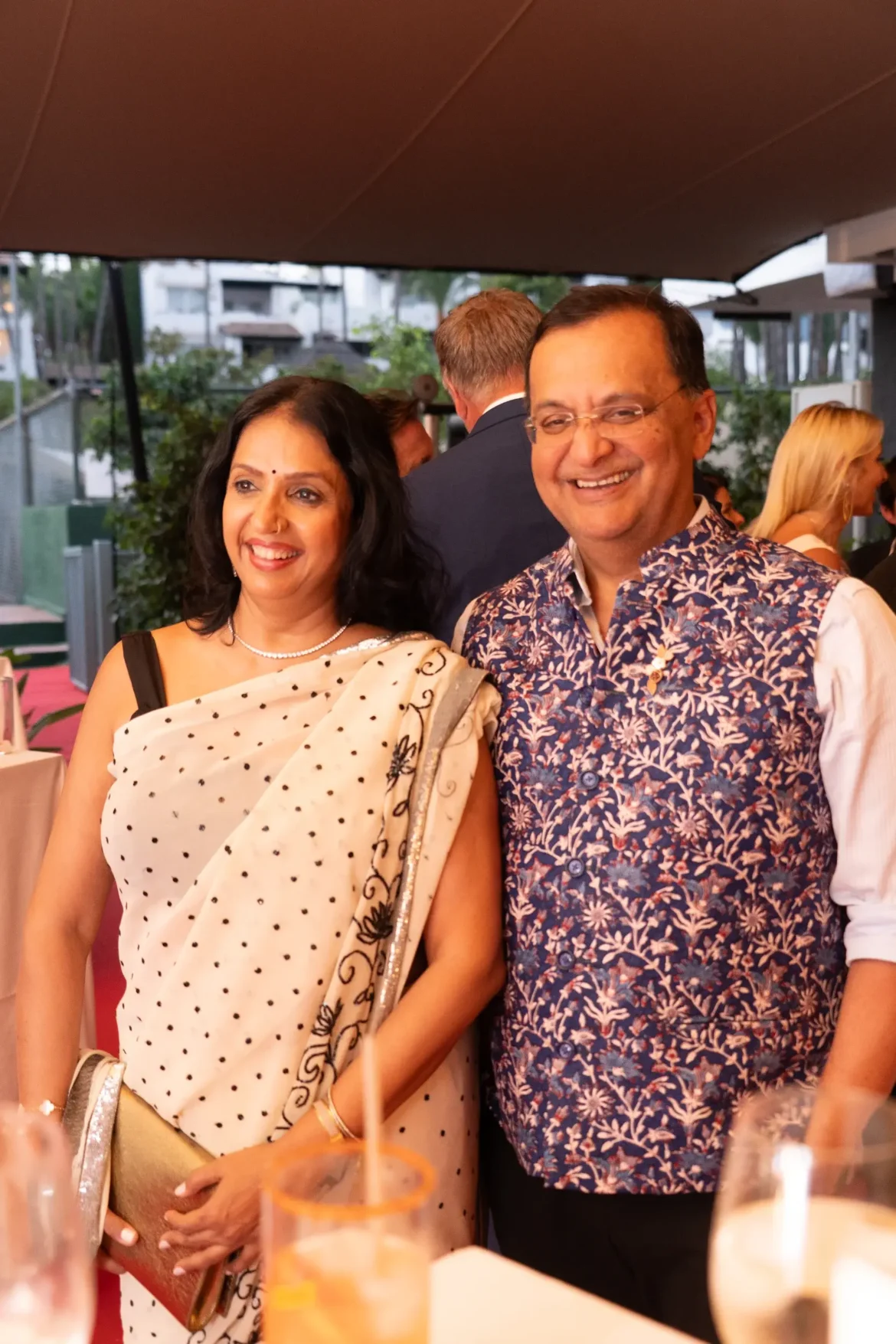
The program began with a sunset cocktail reception at the resort’s Tennis Club, followed by a gourmet dinner that seamlessly blended haute cuisine with world-class performances, celebrating international solidarity in an atmosphere of elegance and generosity.
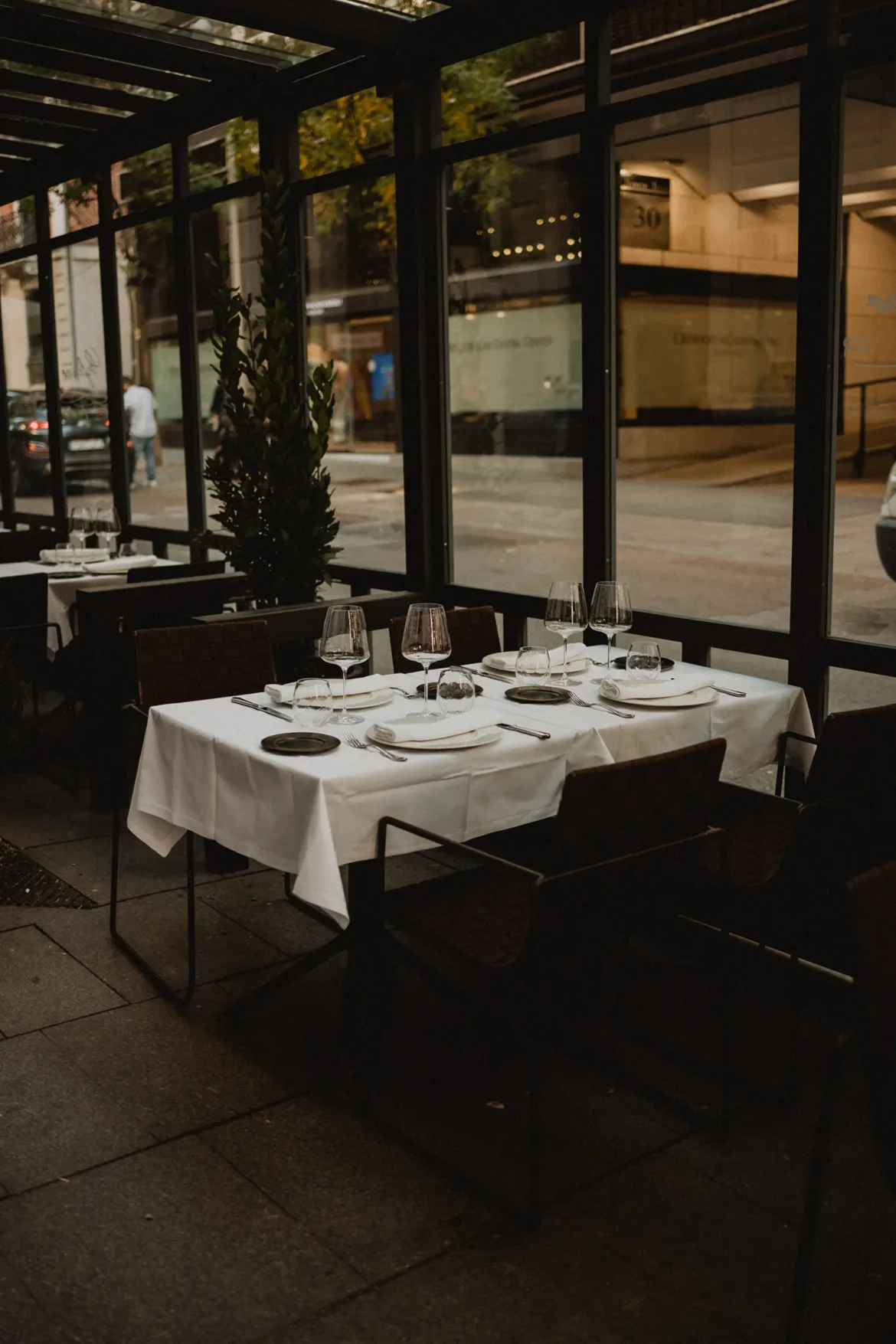
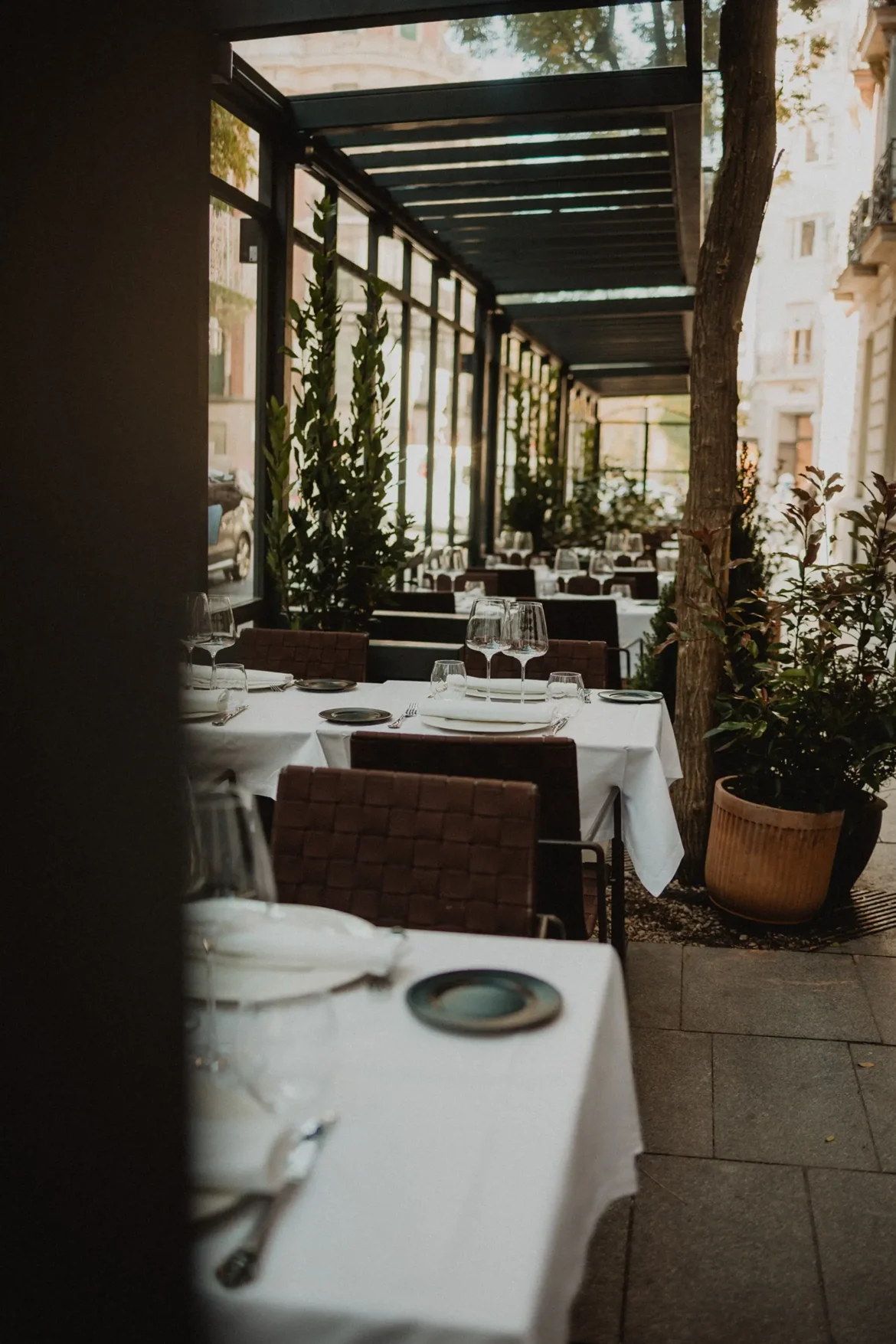
Ceferino la Parrilla in the Salamanca neighbourhood, where you can enjoy the finest Argentinean barbecues
written by MARIBEL MARTINEZ
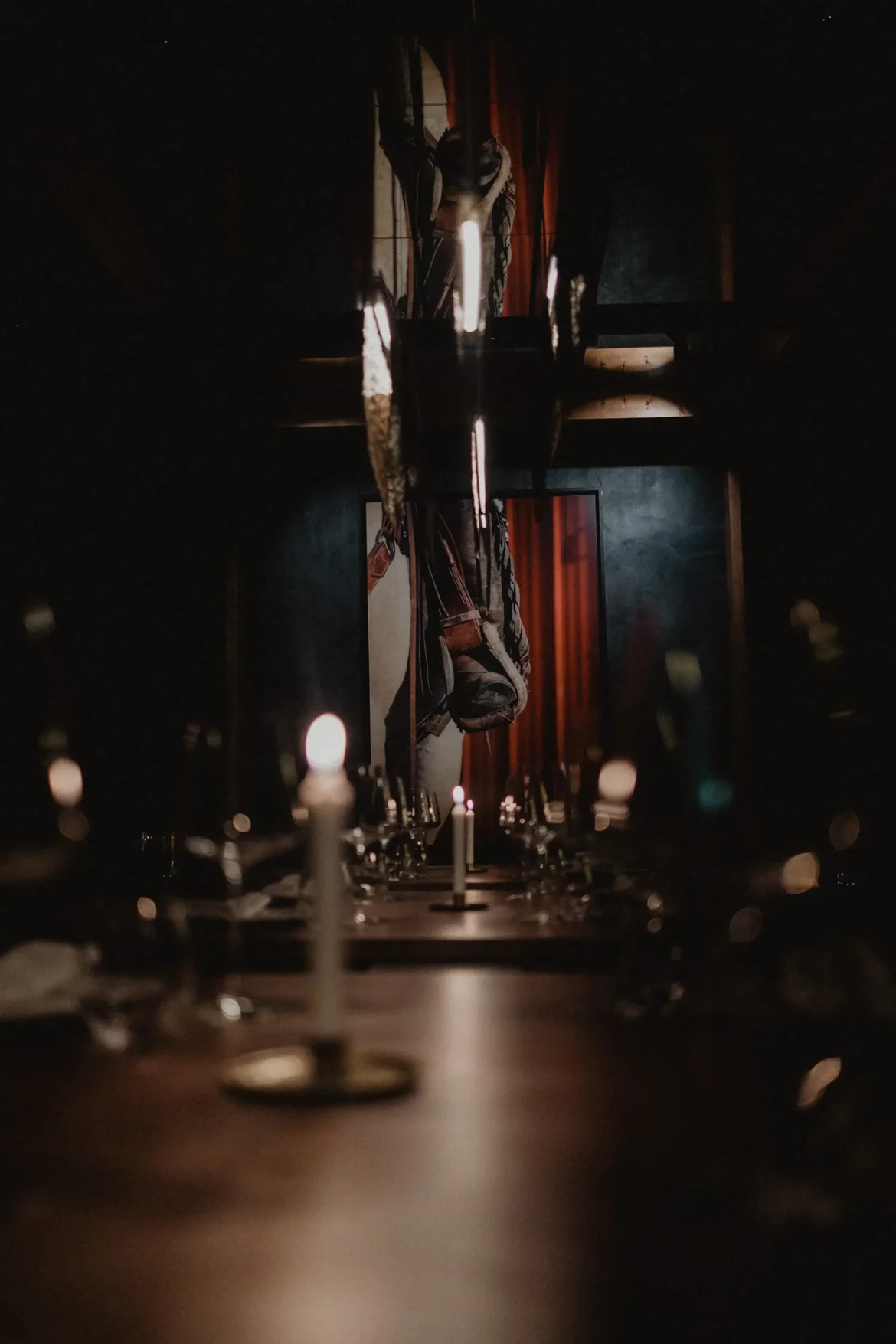
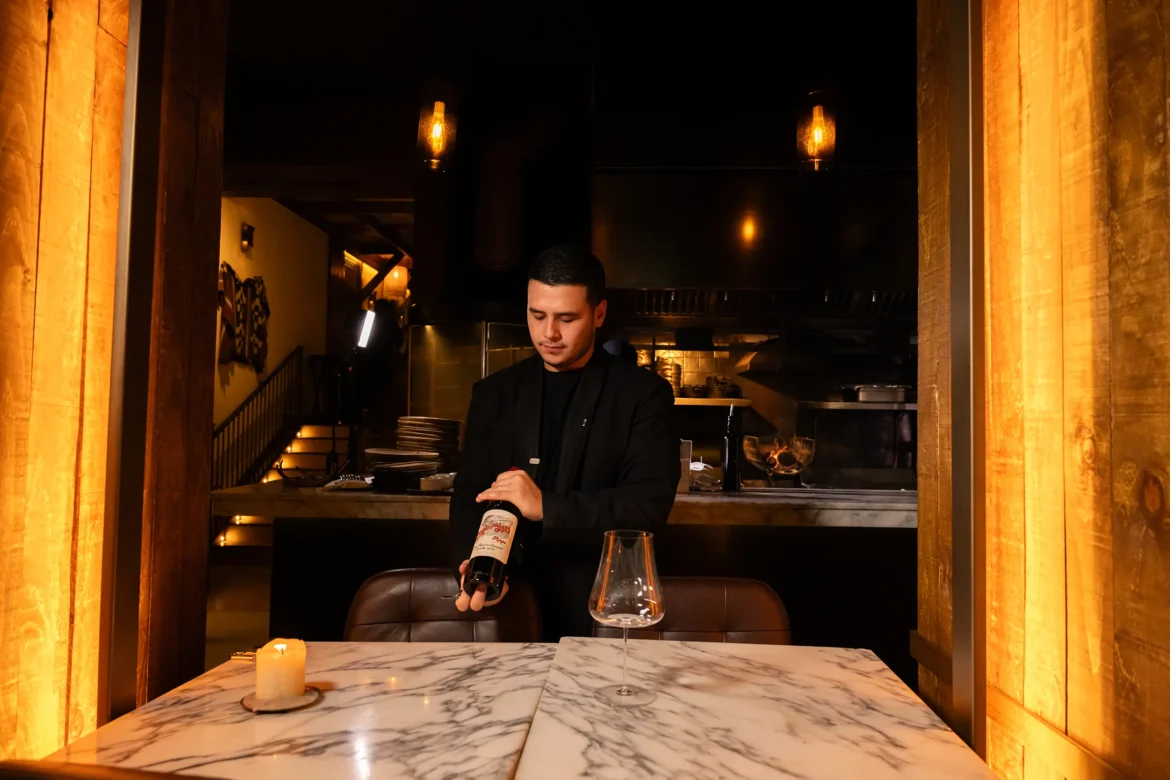
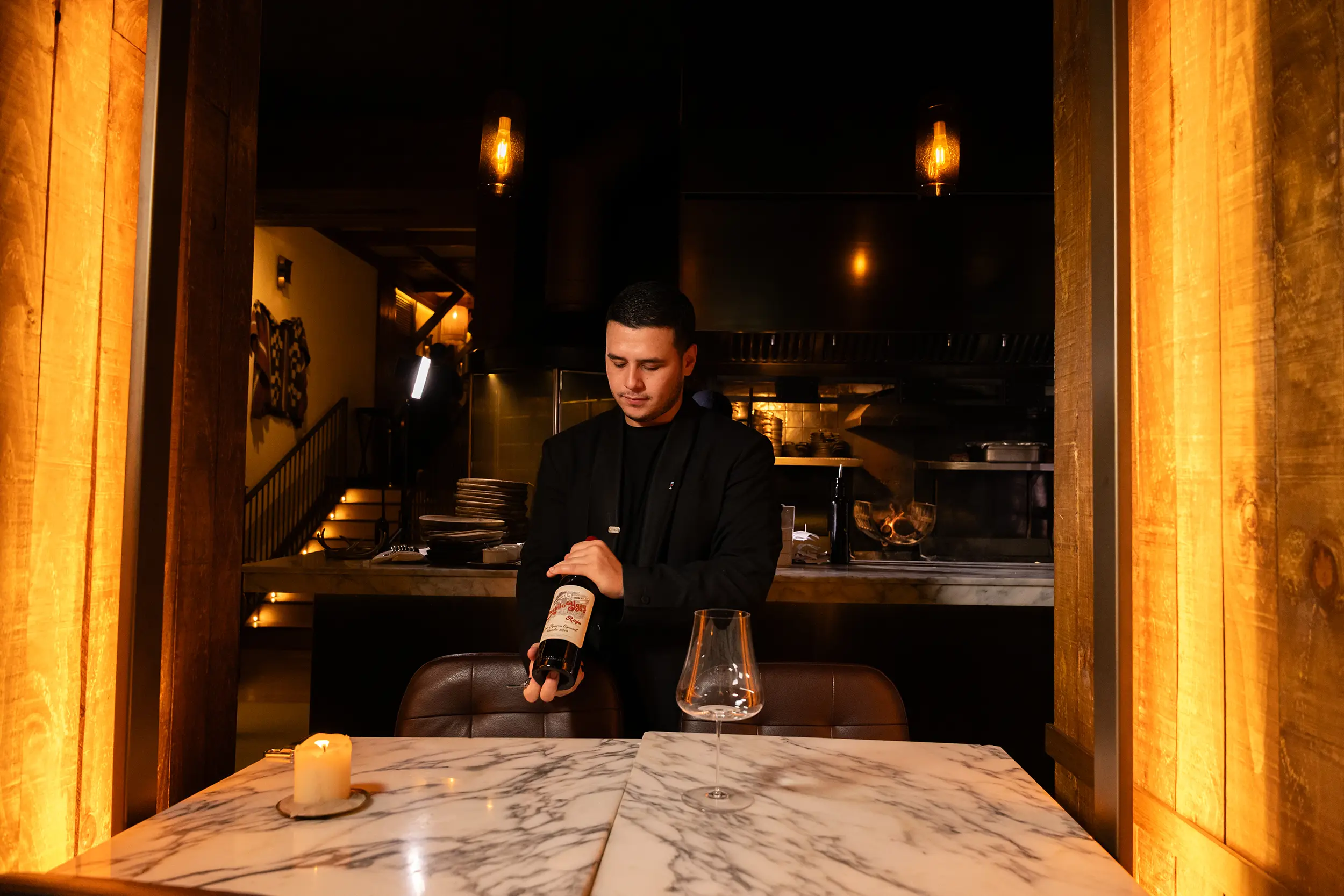
The Ceferino restaurant is undoubtedly the most exclusive restaurant in Madrid, captivating the most demanding palates day after day. It boasts an exceptional location in Madrid’s Salamanca district on Calle Jorge Juan, where you can not only taste the most exquisite roast meat but also experience ancient culture and traditions, as it is the first in the area to cook on vertical poles using the striking cross-roasting technique.
Madrid has become a meeting point for the most international gastronomic traditions, and Calle Jorge Juan is one of the landmarks in Madrid where the most discerning travellers go to organise their meetings and business lunches.
The restaurant also features Speakyeasy Malevo, a unique space designed for these exclusive leisure experiences, a charming and unique corner.
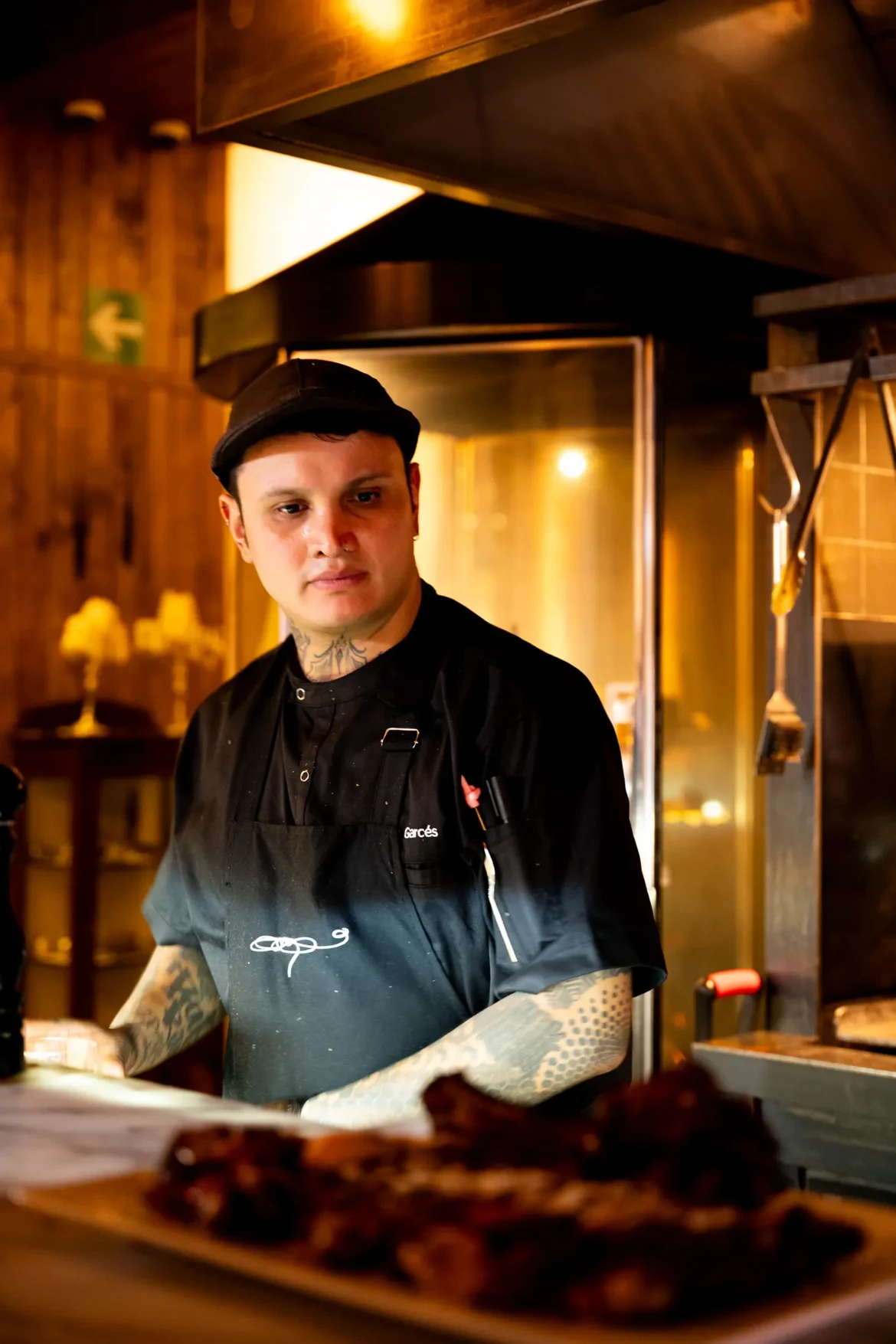
Ceferino boasts the renowned grill master José Antonio Figueroa, an Argentine grill chef who has won multiple awards, including World Champion at the World Ancestral Grill Championship in Medellín (Colombia).
Ceferino’s meat selection includes a section dedicated to Argentinean produce, featuring Aberdeen Angus ribeye steak, Aberdeen Angus beef tenderloin and Marucha Wagyu beef. There are also cuts from Spain, such as matured Retinta sirloin. The restaurant has other iconic recipes, such as traditional Argentine beef and black pudding empanadas, sea bass, turbot, gnocchi with mushroom ragout and Manchego cheese, and mozzarella sorrentinos. It is undoubtedly a unique barbecue experience in the city of Madrid.
This hotel, which forms part of the history of the city of Venice, is located very close to St. Mark’s Square on the Riva degli Schiavoni promenade. Surrounded by museums, churches and palaces, it occupies a privileged position in the heart of Venice. The hotel has been a true meeting place for artists and intellectuals and has hosted eminent personalities
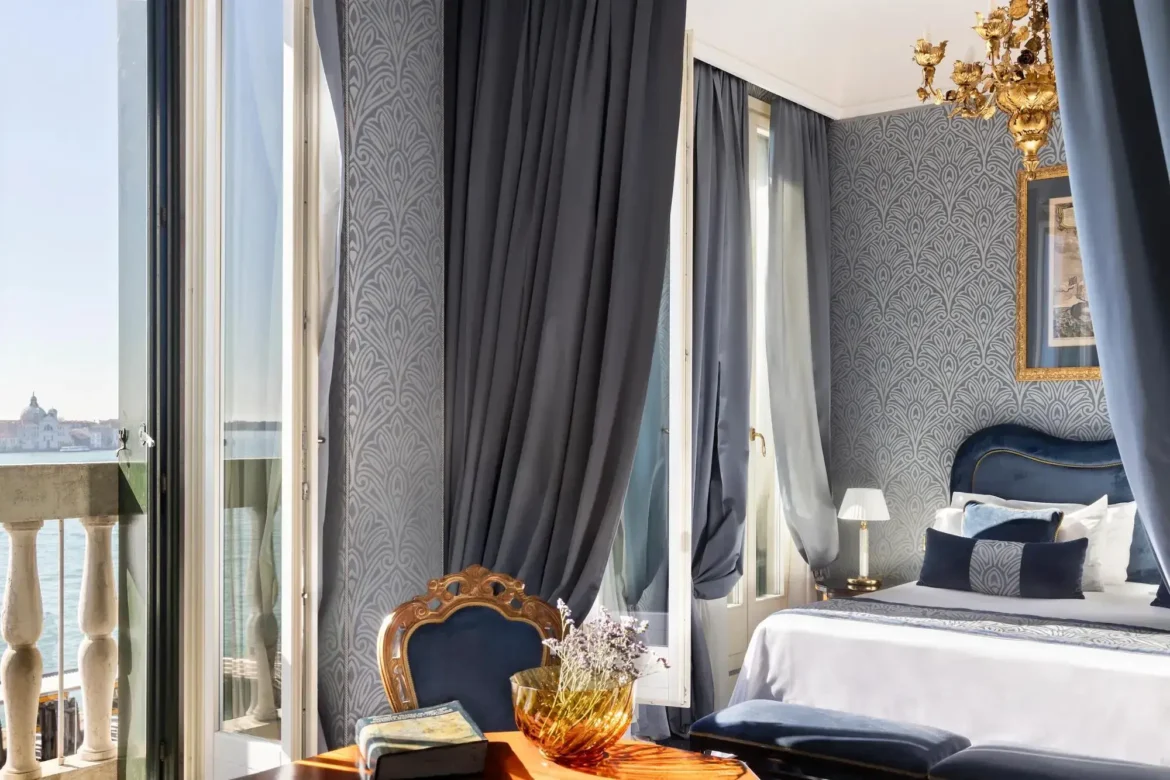
such as Tchaikovsky, Verne, Borges and D’Annunzio. The Londra Palace Venezia boasts more than 170 years of history. It offers unparalleled views of the lagoon, San Giorgio, the island of Giudecca and the Basilica della Salute.
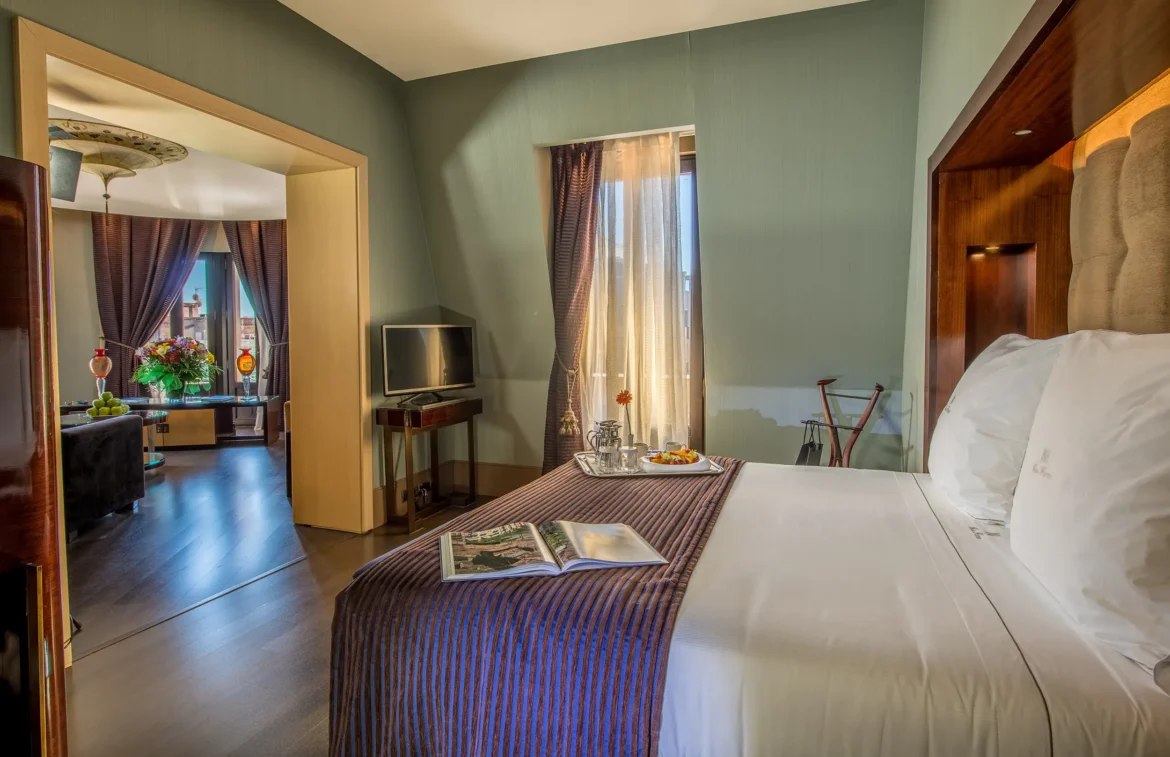
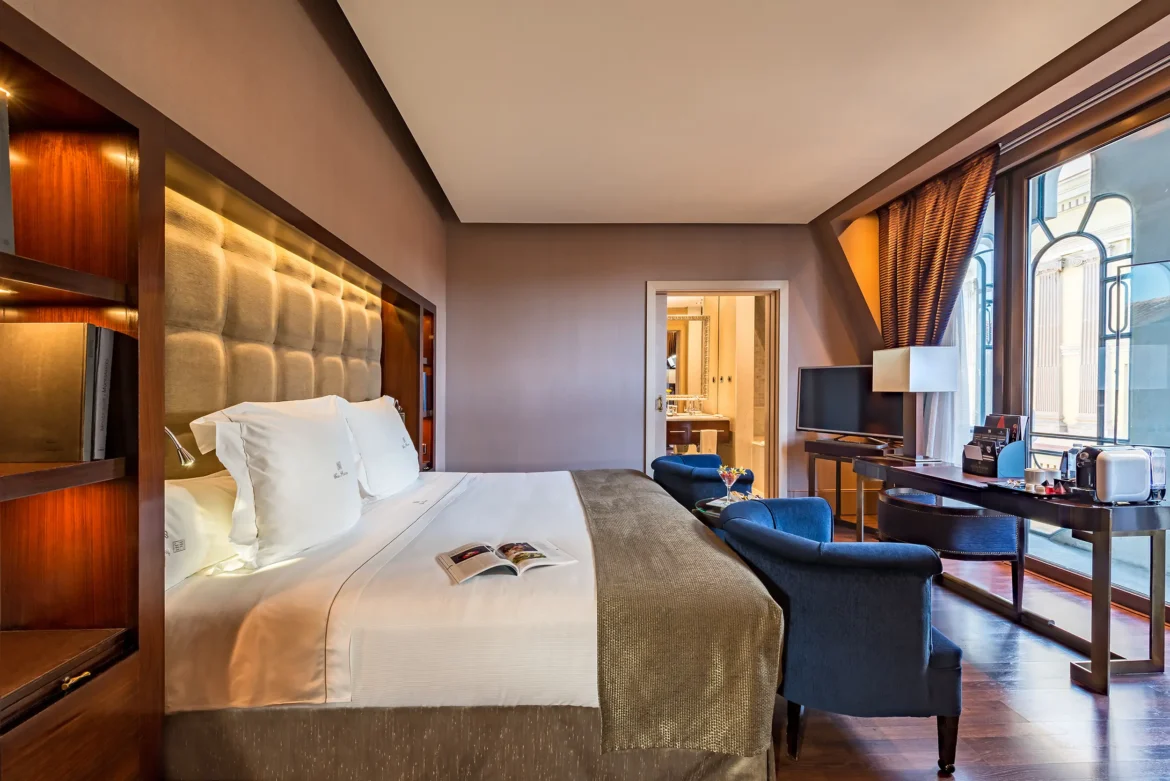
The Londra Palace hotel has only 53 rooms and suites. The design is the work of the architect responsible for the Versace establishments. The Biedermeier style of the rooms, decorated with countless antiques and 19th-century furniture, fits perfectly into this city. The rooms have views of the courtyard or the city, while the deluxe rooms offer a more attractive view of the lagoon. The suites, in addition to their privileged size, have terraces from which you can also enjoy the magnificent spectacle of the lagoon.
A little history.
The Hotel d’Angleterre opened its doors in Venice in 1853 as accommodation for visitors arriving in the city of canals following the inauguration of the railway in England a few years earlier. Over the years, it became a refuge for important artists and personalities of the time, illustrious visitors and famous writers. In 1877, Russian composer Pyotr Ilyich Tchaikovsky visited the city and chose to stay at the Beau Rivage hotel next door. Venice inspired him to write his Fourth Symphony, which the musician described in a letter to his brother Modest as the best he had ever written. The hotel pays tribute to him in Junior Suite 106 of the hotel, now the Londra Palace.
A suite for French writer Jules Verne In 1884, Jules Verne travelled incognito and stayed at the hotel, but his secret was revealed and we are left with his memory in the Londra Palace Suite, a tribute to this writer. In 1900, the two hotels finally merged and took the name Hotel Londres et Beau Rivage. In Mussolini’s Italy, foreign words and place names were frowned upon, so the hotel briefly changed its name to ‘Albergo Bella Riva’. In 1973, the hotel was finally renamed Londra Palace. Between 1973 and 2000, a major refurbishment transformed the Londra Palace into the elegant luxury hotel we know today. Alain Bullo began working at a hotel that is part of his family history. In 2011, he took over as general manager. His father, Aldo, worked there for 56 years, most of them as head concierge. He met Alain’s French mother when she was a guest at the hotel: it was love at first sight. In 2012, it became a Relais & Chateaux hotel.
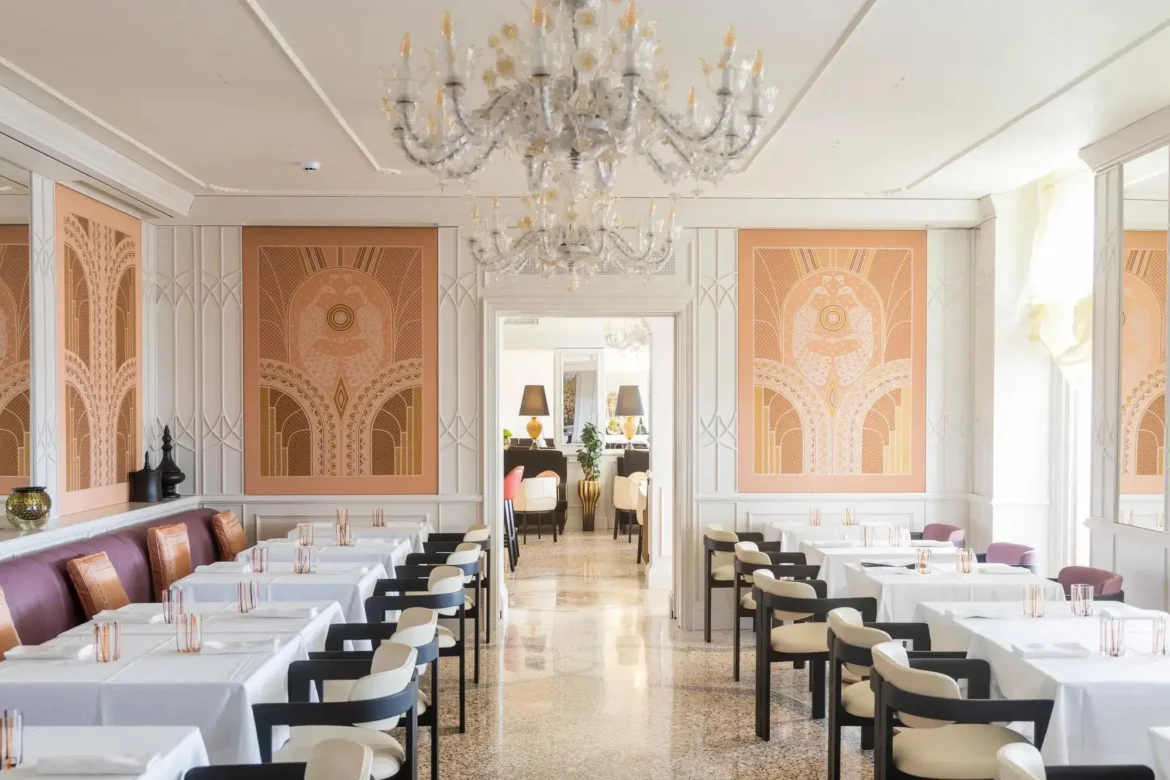
A recently renovated hotel with fine dining, LPV restaurant offering gourmet cuisine of the highest standard.
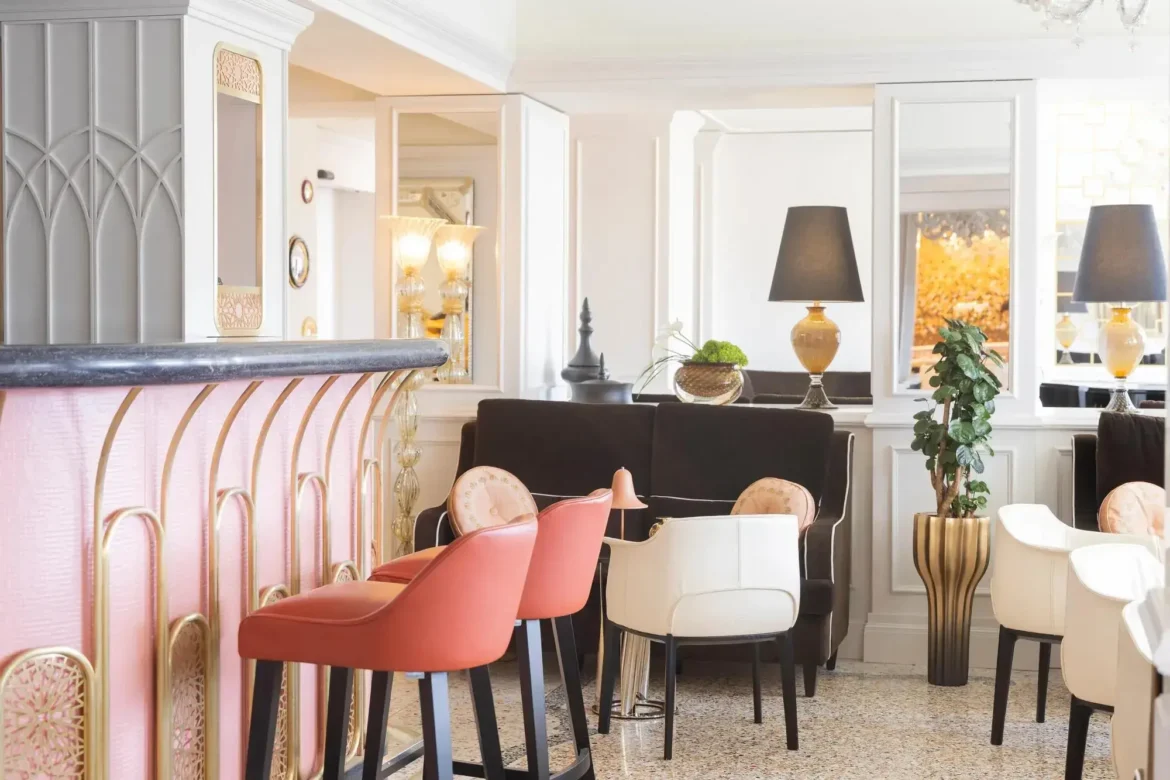
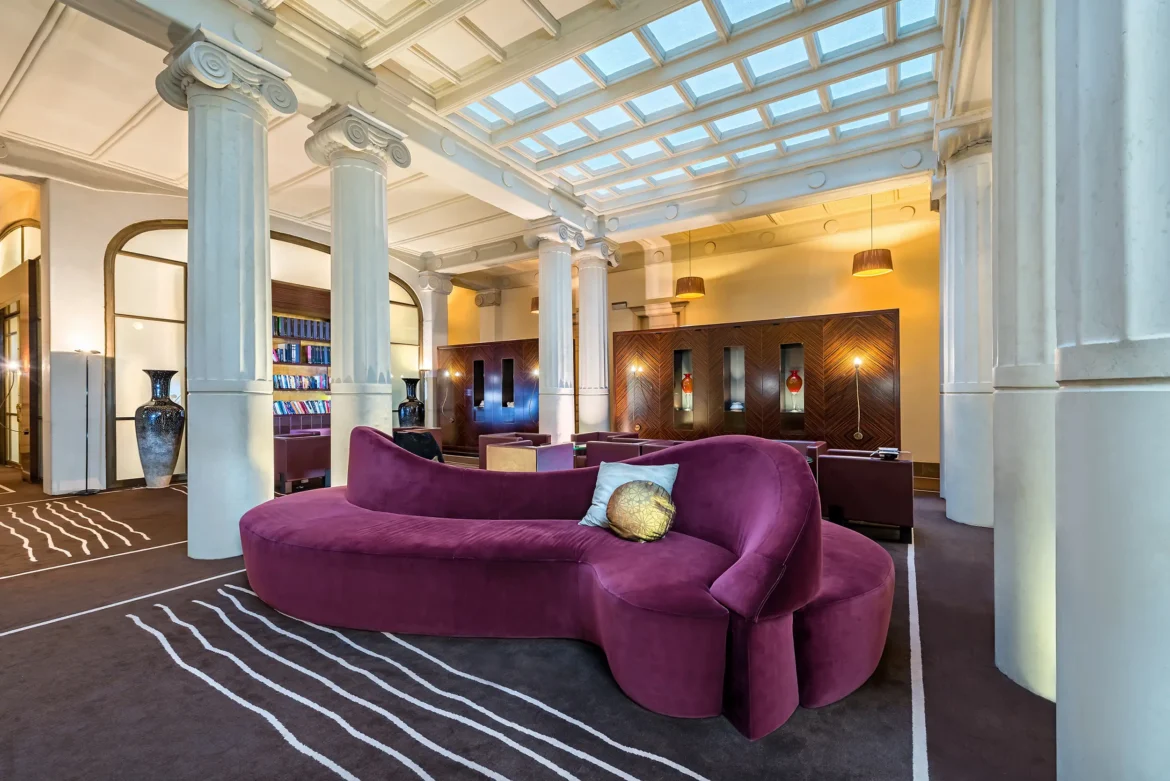
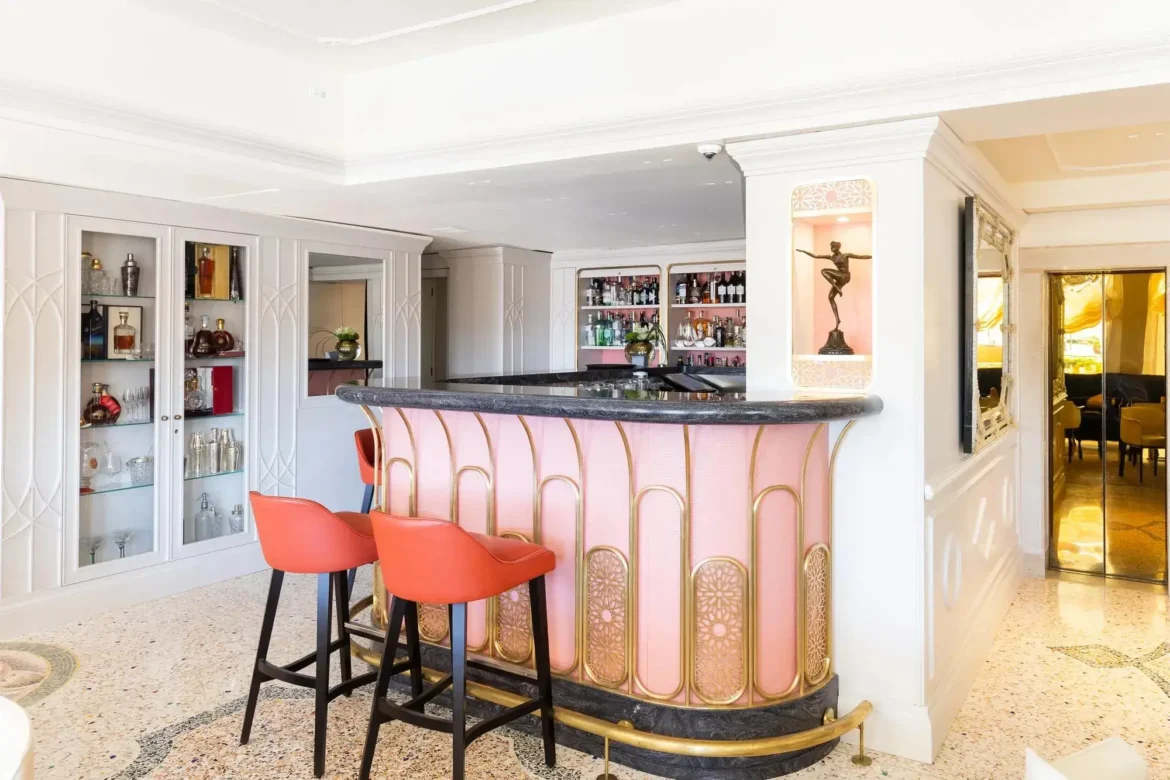
The hotel has been recently renovated with Art Deco décor throughout.
At the helm of the kitchen is chef Daniele Galliazzo, who updates classic Venetian dishes. It is a true gourmet masterpiece that showcases seasonal produce in Venetian style. You can enjoy the outdoor terrace while taking in the incomparable view of the lagoon. Inside, you can enjoy the hotel’s refined décor, its extremely elegant atmosphere and its characteristic bar.
The fresh, seasonal cuisine of the Veneto region is an art form, as is its deep-rooted wine and cocktail culture.
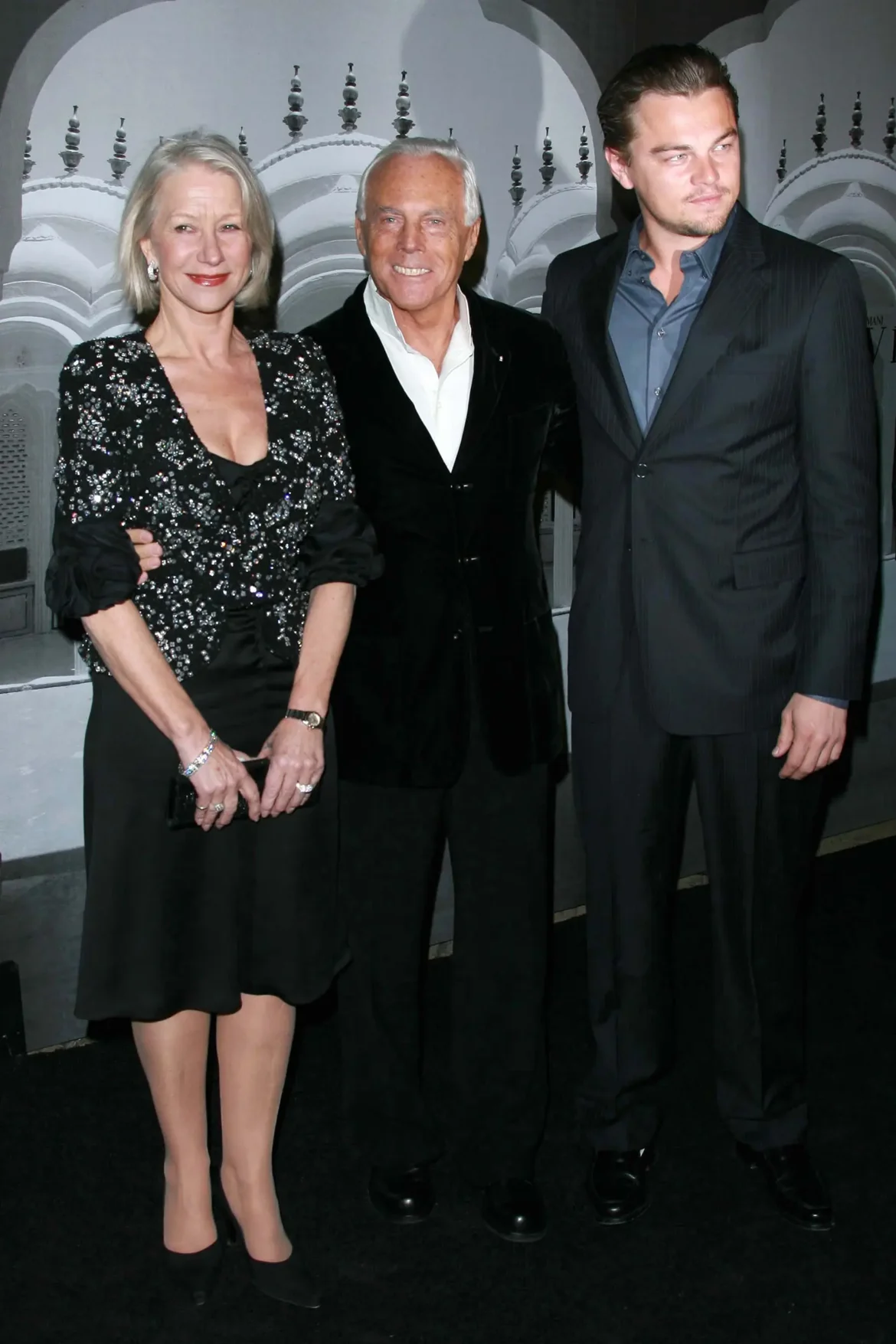
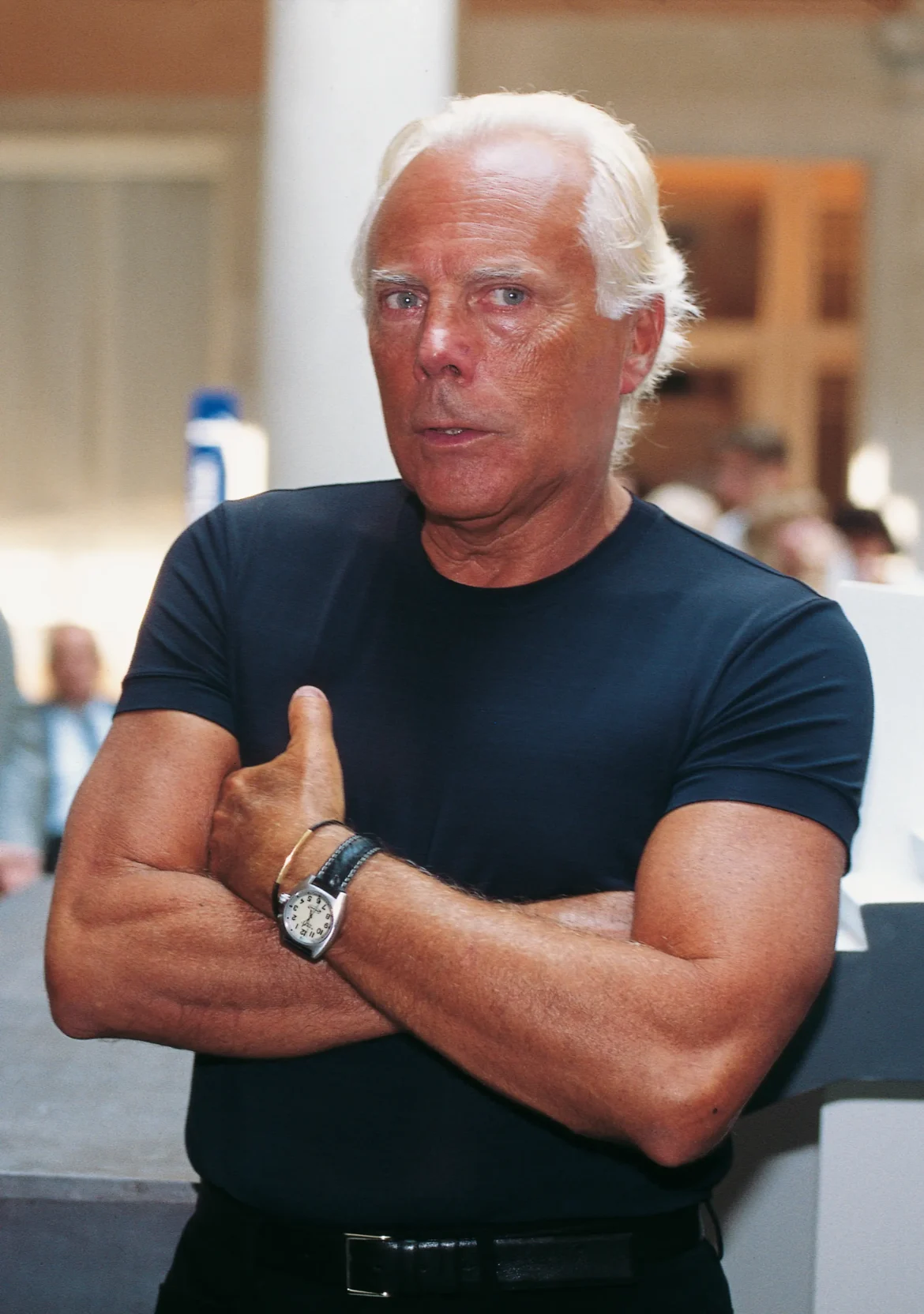
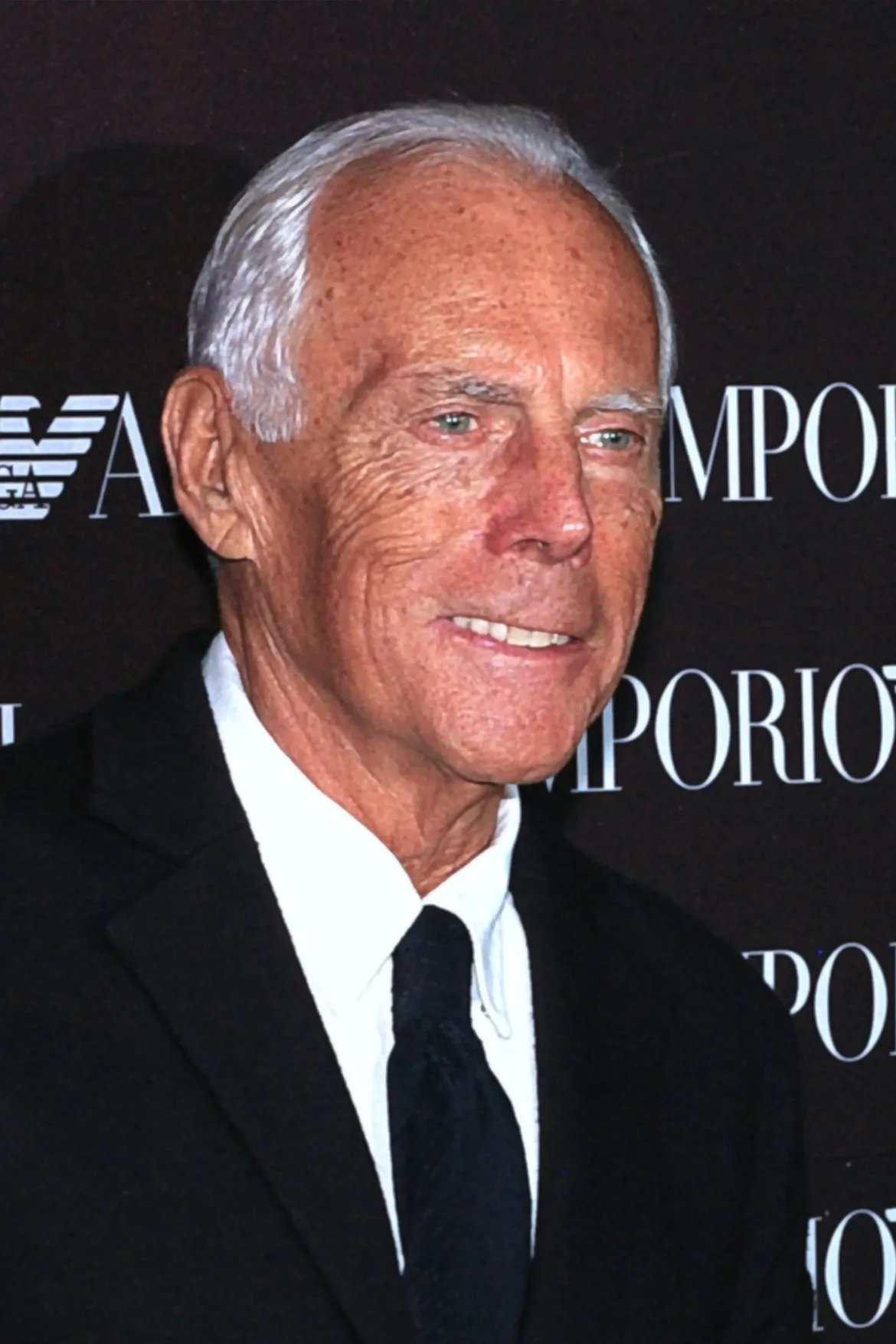
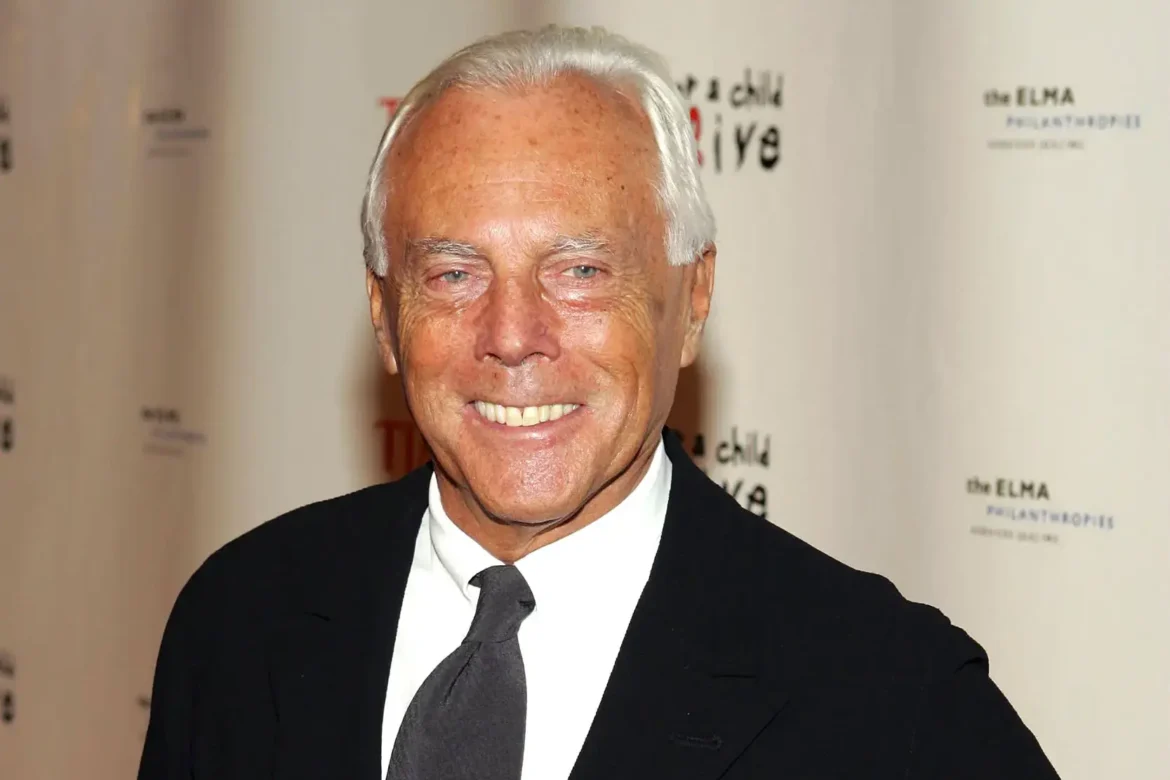
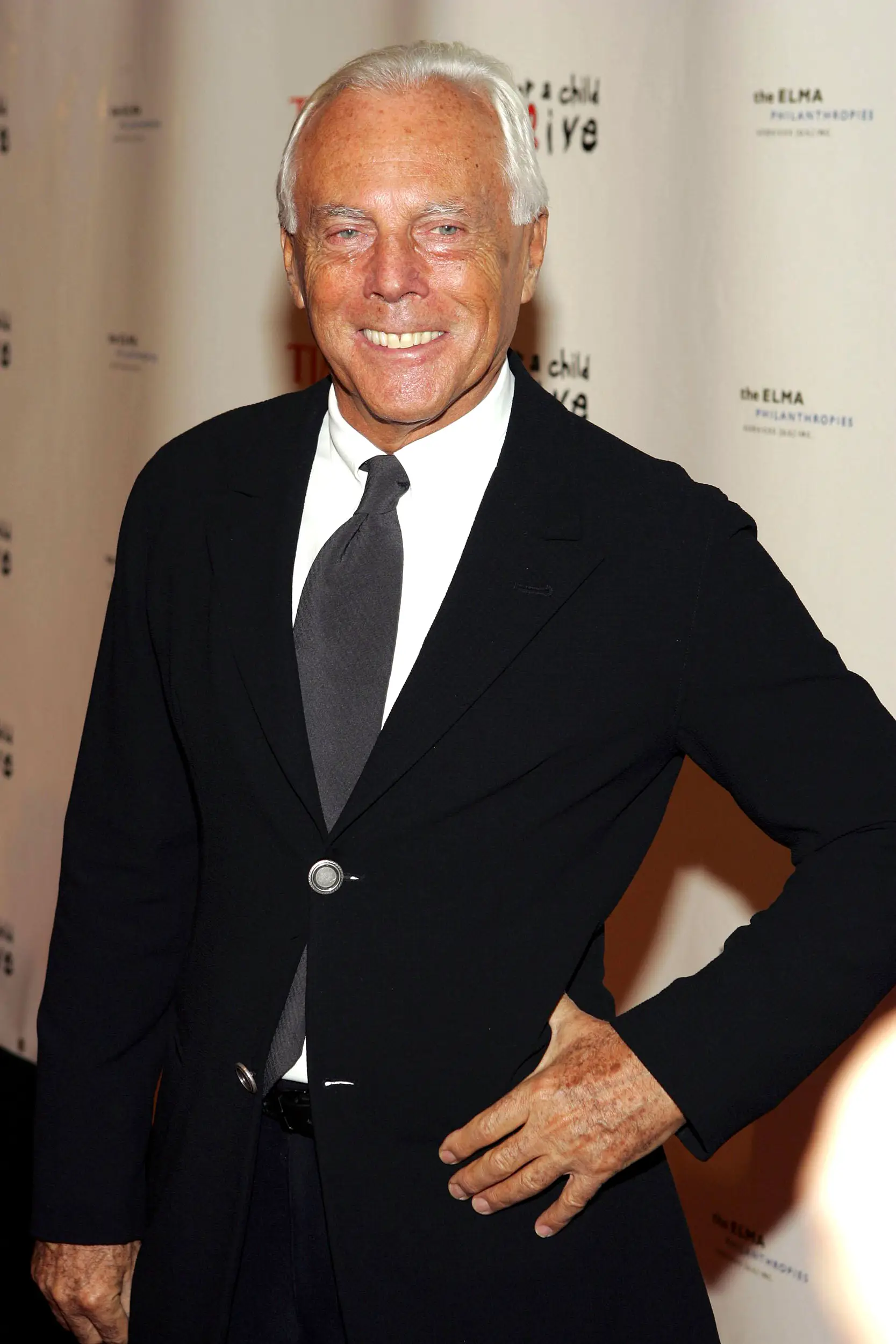
Born in 1934 in Piacenza, northern Italy, Giorgio Armani did not seem destined to revolutionize the world of fashion. He began studying Medicine but soon abandoned it, finding his first job at La Rinascente department store in Milan, where he worked as a window dresser. That early contact with textiles awakened a vocation that would lead him to become one of the most influential designers of the 20th century.
His breakthrough came in the 1970s, when he founded his own brand and transformed men’s tailoring. He introduced unlined jackets, more relaxed cuts than fashion dictated at the time, and a style that blended comfort with sophistication. His designs quickly conquered not only Italy but the entire world.
From Hollywood to the Red Carpet
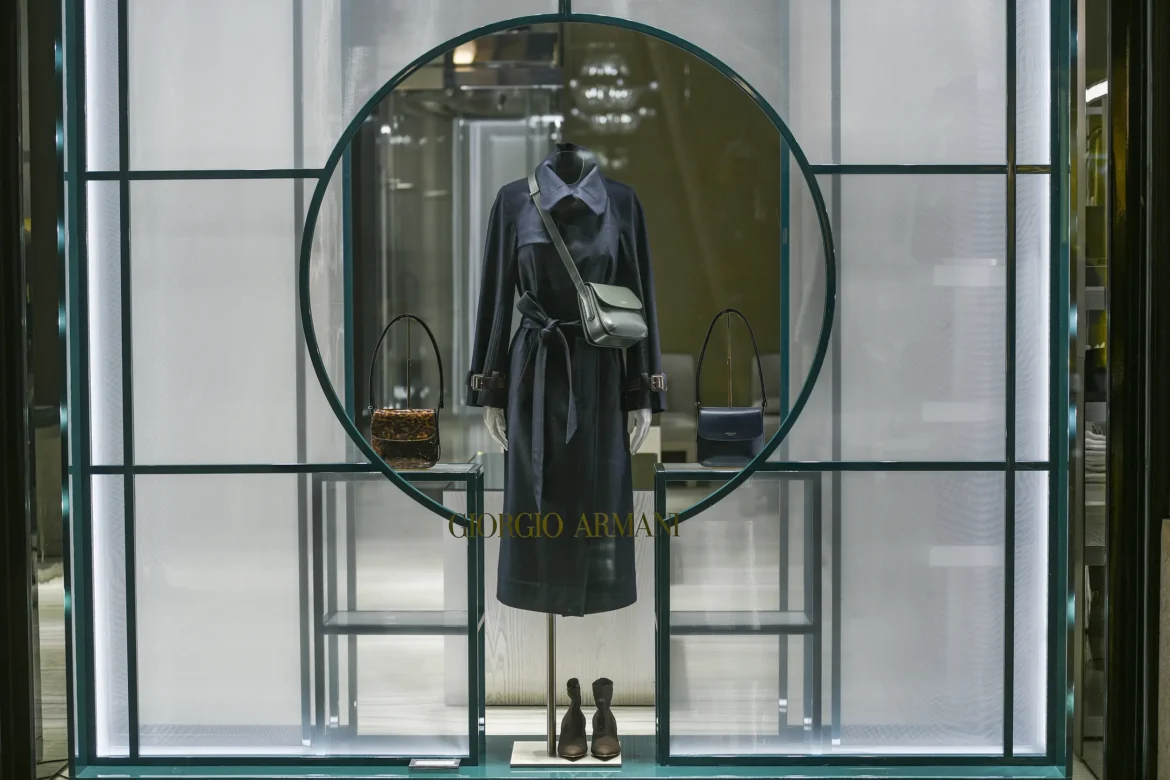
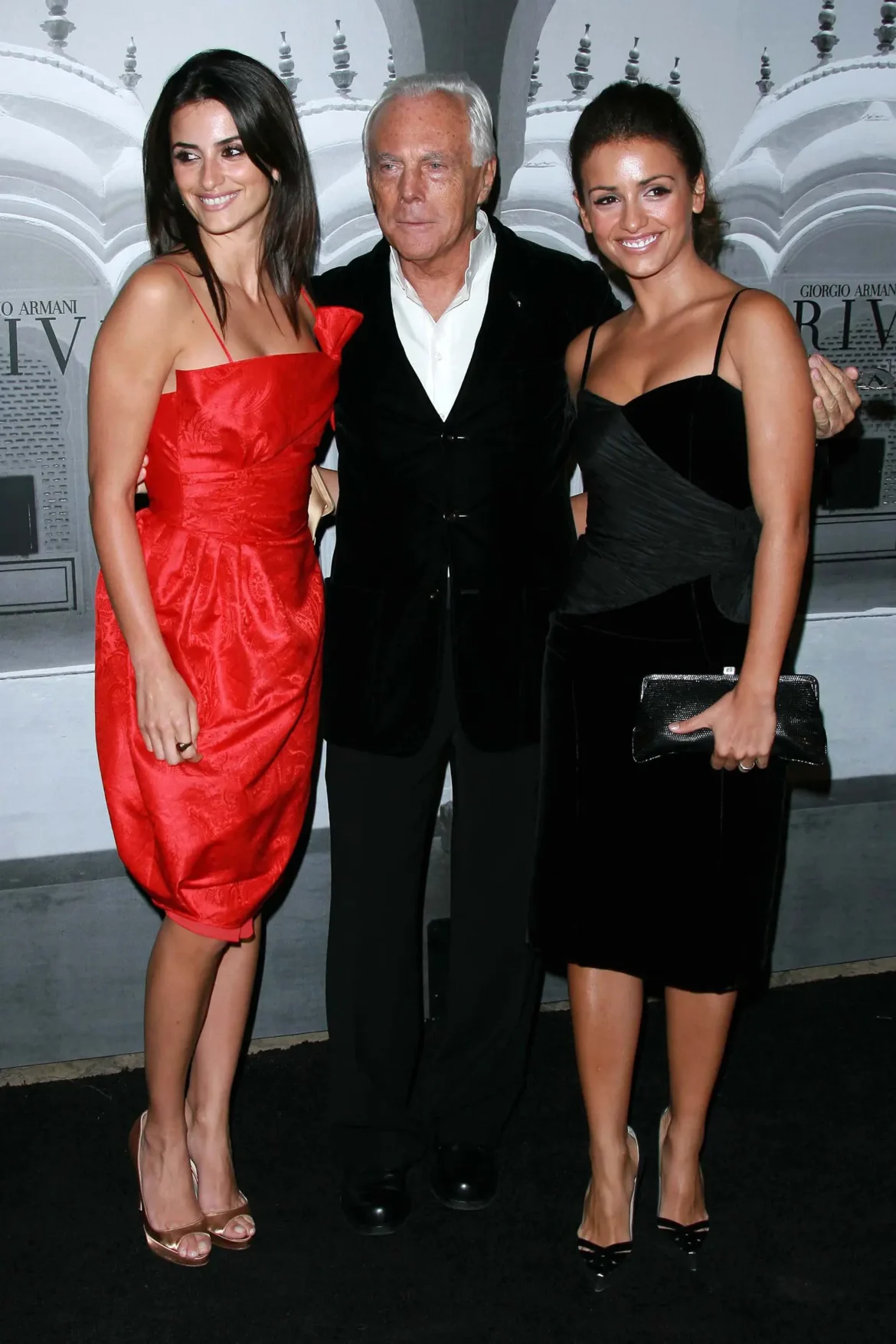
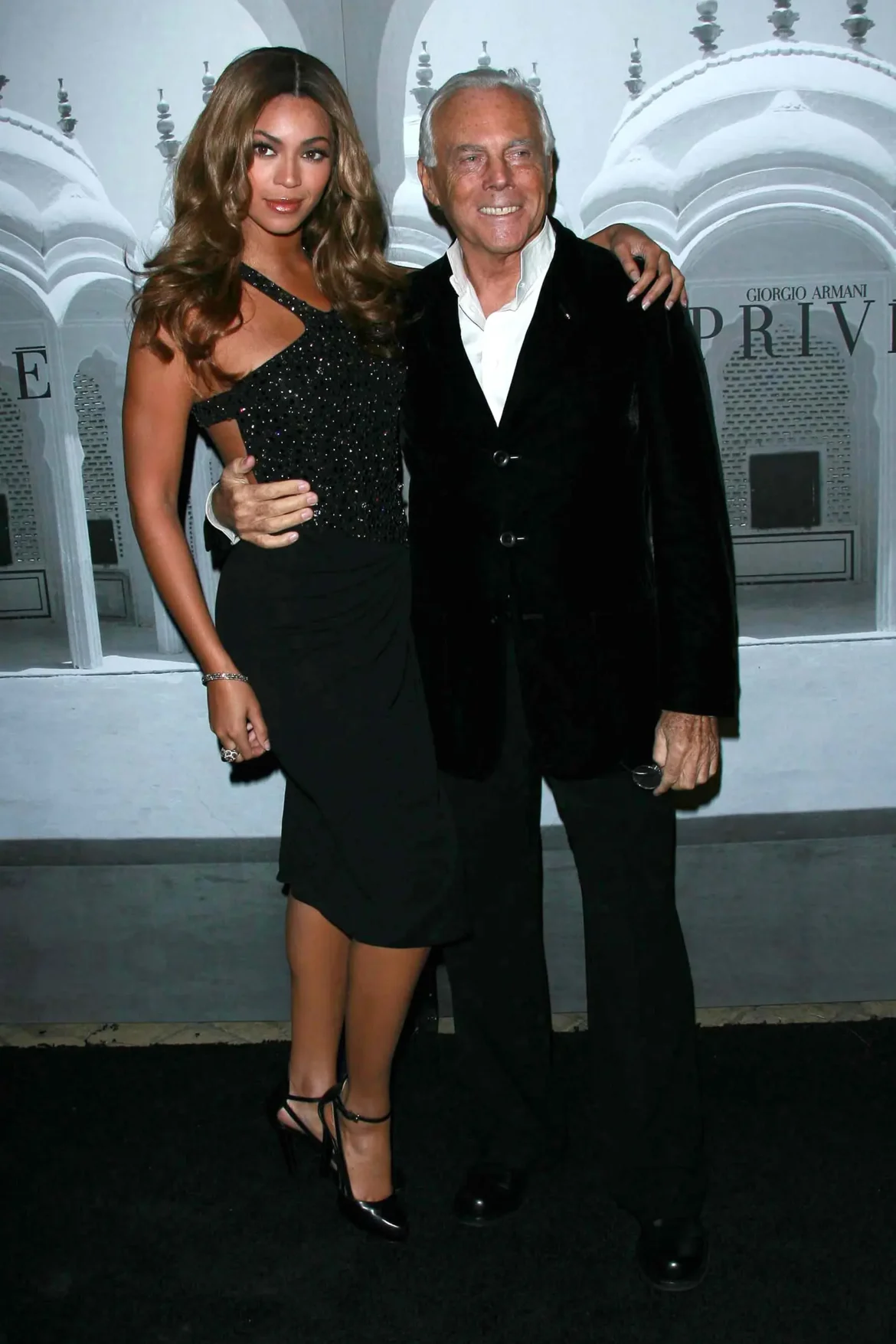
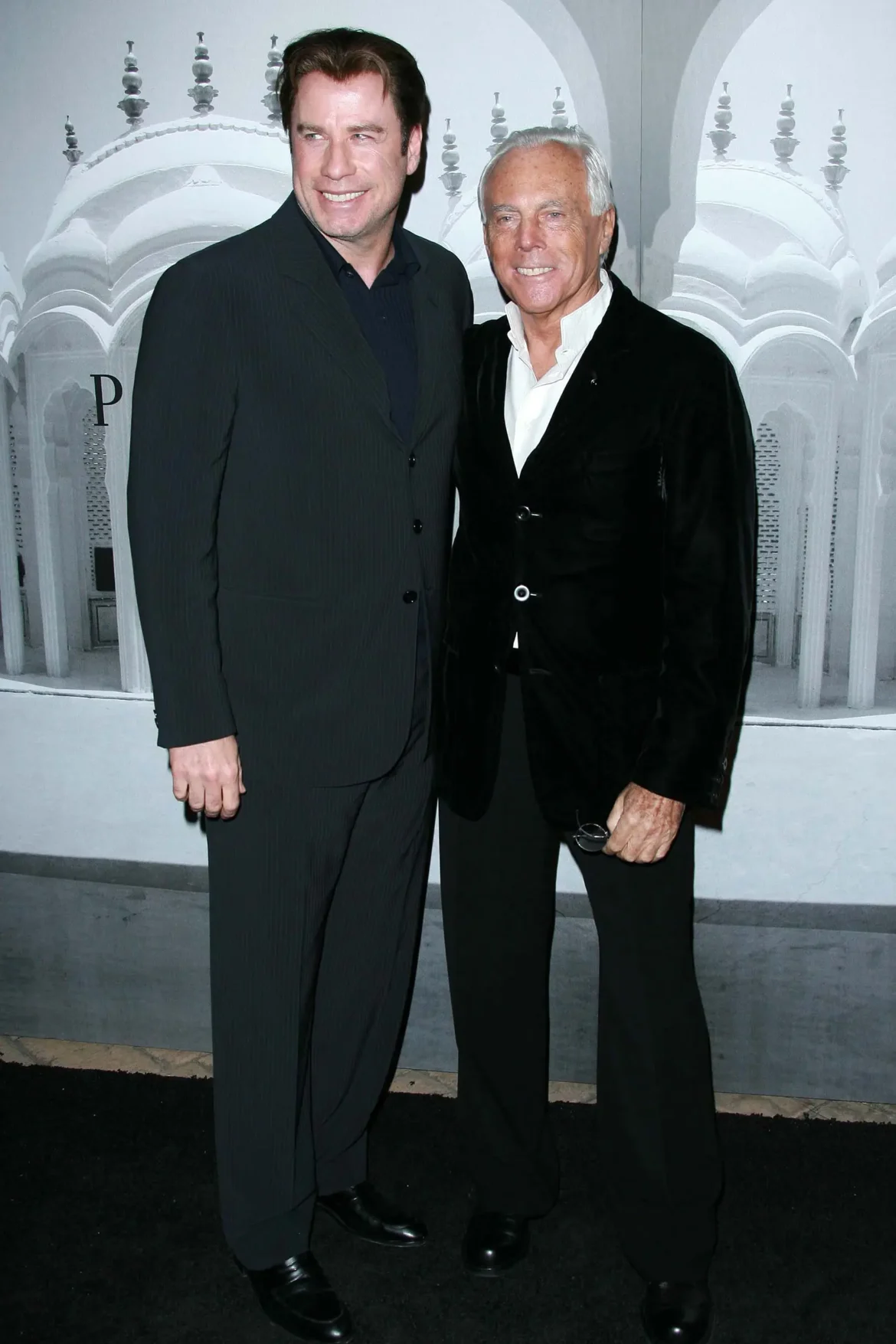
Armani soon became the ultimate representative of international fashion. In 1980, Richard Gere wore his suits in the film American Gigolo, a turning point that launched his brand in the United States. From then on, his name became forever linked to the red carpet.
Hollywood actors and actresses found in his creations the perfect ally to showcase timeless elegance without excess. Armani’s talent lay in his ability to merge sobriety with allure, consolidating a style that defined luxury without ostentation.
For more than half a century, his empire remained independent. Armani consistently refused to sell his company, choosing instead to preserve both the creative and business control of his brand. He diversified into different lines, allowing his vision to reach a wide audience.
The Man Behind the Myth
On the runway, Armani was a relentless perfectionist, but personally he always remained discreet. Highly private, he shared much of his life with Sergio Galeotti, his partner in both business and love, who passed away in 1985. Their relationship was crucial to the brand’s growth, as together they built the foundations of the Armani empire.
In his later years, Armani revealed a more vulnerable side. In an interview published shortly before his passing, he admitted that his only regret was devoting too much time to work, stealing it from family and friends. It was the personal price he had paid for building one of fashion’s greatest empires—a confession that revealed the sensitivity of the man behind the myth.
Armani/Silos, the Designer’s Dream
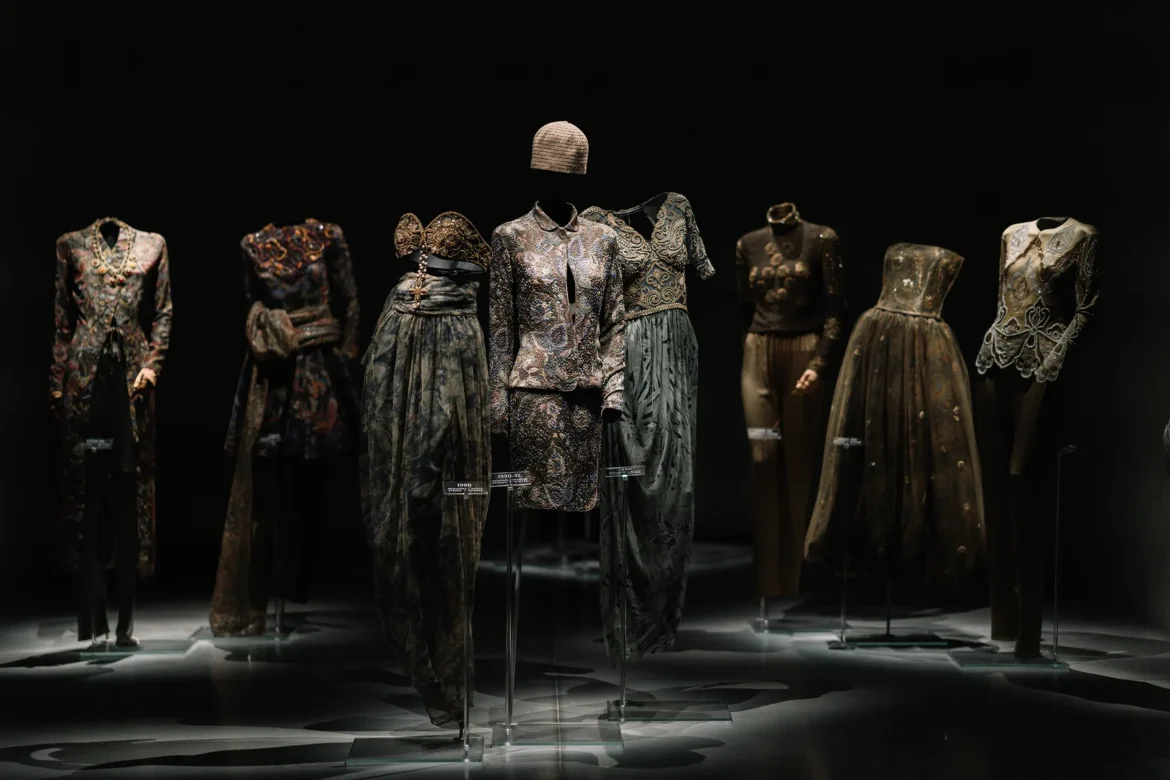
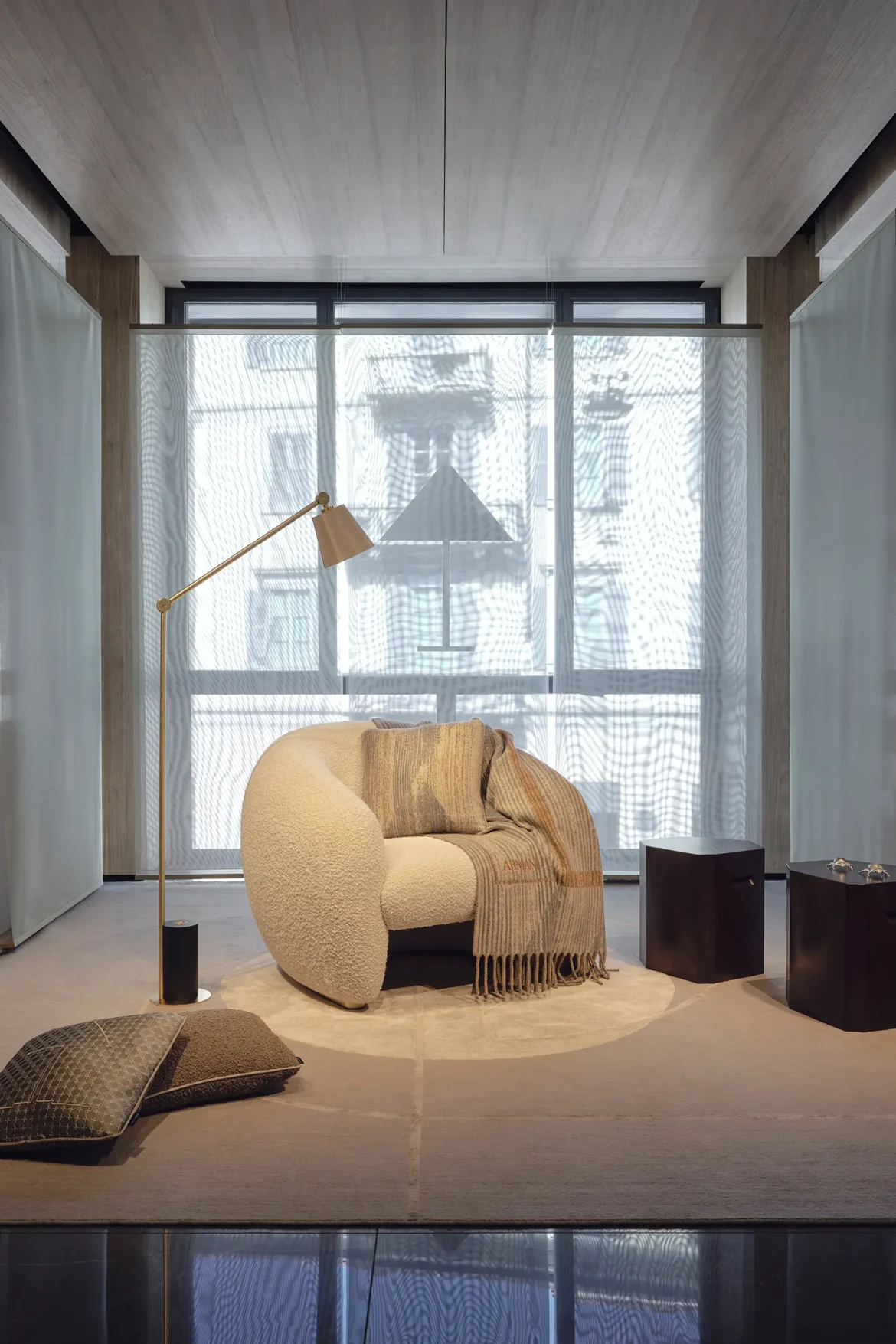
Aware of his pivotal role in fashion, one of Armani’s most significant projects beyond the runway was the creation of Armani/Silos, a museum inaugurated in Milan in 2015 to mark his 40-year career. Housed in a former grain silo, the space reflects his aesthetic: sober, monumental, almost austere.
The museum holds over 600 garments and 200 accessories, organized into thematic sections such as Androgynous, Ethnicities, and Stars. Here, one can not only admire his creative evolution but also understand how Armani envisioned fashion. Since its opening, Armani/Silos has become the perfect summary of his legacy—a place where his vision remains alive, inspiring new generations.
An Eternal Legacy
Giorgio Armani passed away on September 4, 2025, at his home in Milan, at the age of 91, surrounded by his loved ones. The announcement of his death moved the fashion industry, eager to pay tribute to the man who defined contemporary elegance for more than five decades.
His farewell was held in Milan with a private funeral at the Teatro Armani, consistent with his discreet character. The world, however, bid him goodbye with tributes pouring in from every corner of the globe, honoring a man who dared to rewrite the rules of dressing.
A perfectionist and creatively active until the very end, Armani always believed in designs that enhanced the personality of the wearer without overshadowing it. Perhaps that is why the suits and dresses he created throughout his career remain so relevant—embodying an idea of elegance far removed from fleeting trends.
His departure leaves an immeasurable void, but also a legacy that transcends. In collective memory, he will forever remain il signor Armani—the man who taught the world to fight for one’s dreams and showed that true sophistication emanates from within.
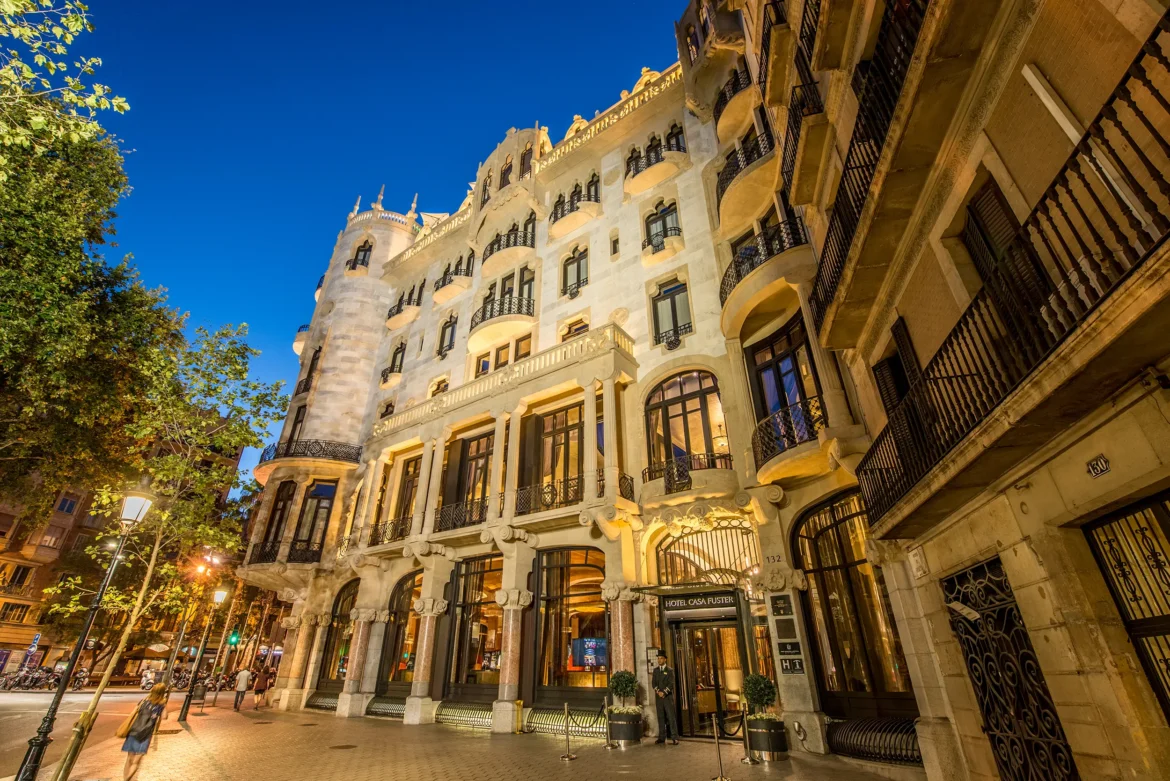
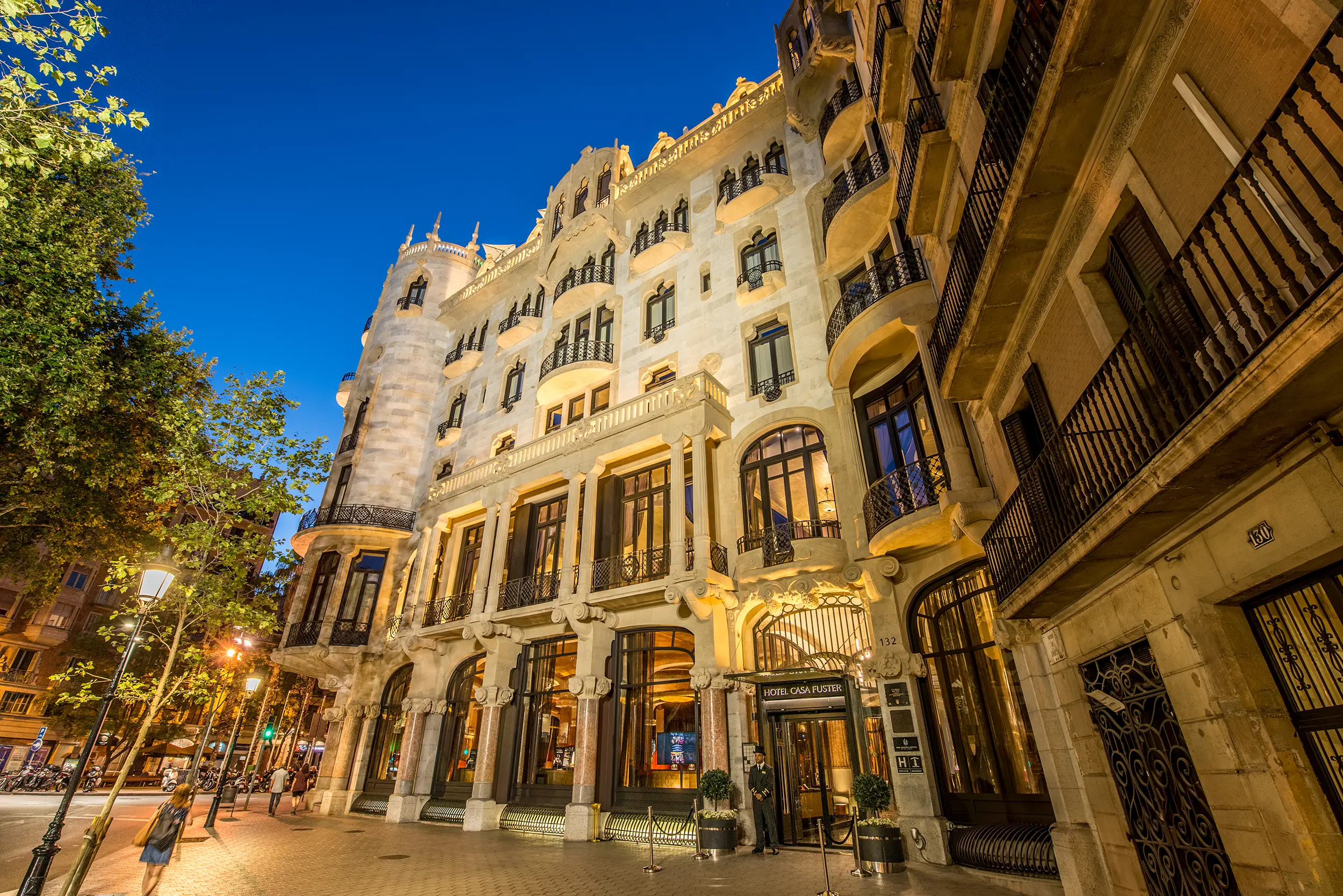
There are gifts that contain more love than can be expressed in words. Hotel Casa Fuster is the perfect example. The beautiful modernist building was a gift from Mariano Fuster i Fuster, a gentleman of Mallorcan high society, for his wife, Consuelo Fabra i Puig, daughter of the Marquis of Alella.

Mariano Fuster i Fuster wanted to give his wife a house as a gift with the aim of pleasing her and adding beauty to the city of Barcelona. Hence he decided to buy the building located at number 132, Paseo de Gracia. In 1905, he obtained the necessary permits to demolish it and build a spectacular house. He entrusted the ambitious project to the Catalan architect, Lluís Domènech i Montaner. Mariano Fuster named the house after his wife and dedicated a rose window to her with the initials CF, which can still be seen on the façade on Calle Jesús.
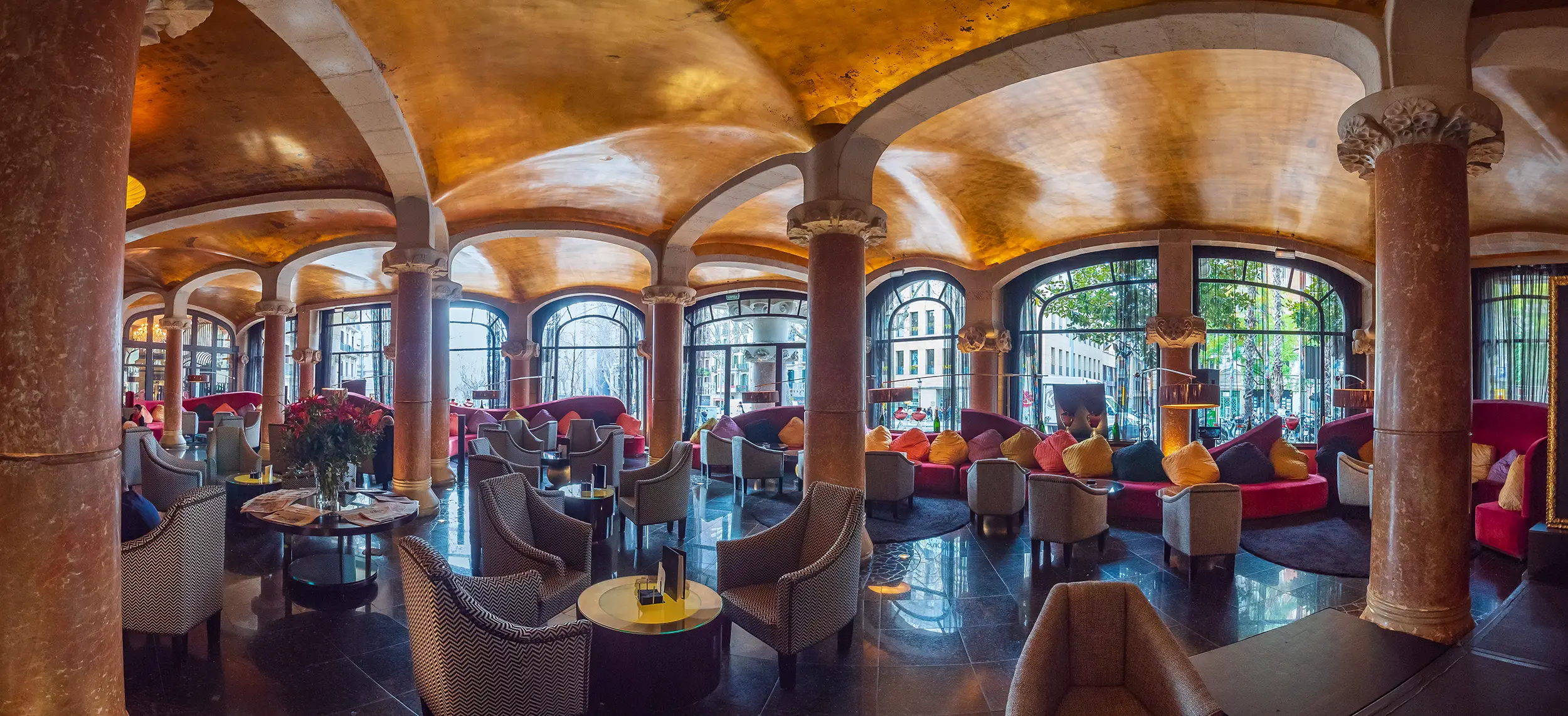
Once finished, it was considered the most expensive house in the city, due to the materials used in its construction, including marble of the highest quality. For all these reasons, it is said that Hotel Casa Fuster, defined as the designer hotel par excellence, is so much more than five-star accommodation.
The Hoteles Center chain acquired the house in 2000 and refurbished it with the utmost respect for the building’s originality while, at the same time, enhancing the spectacular nature and singularity of such a fantastic piece of architecture. The hotel opened its doors in 2004.
Casa Fuster is not only the masterpiece of Domènech i Montaner, but it is also the building that is the crowning closure to the Eixample district, symbolising Barcelona’s greatest period of prosperity and splendour during the past 100 years.

Exclusivity and luxury
Lluís Domènech i Montaner, the internationally renowned modernist architect and author, among other works, of the famous “Palau de la Música Catalana” which was declared a World Heritage Site by UNESCO, built Casa Fuster with three façades of great impact, due to their details and expressiveness.
The works began in 1908 and three years later the Fuster-Fabra family moved in and inhabited the main floor. The façade of the house was the first to be made of white marble in Barcelona. Due to the elevated cost of its construction, the family left the house at the beginning of the 1920s.
In 1962, the company ENHER bought the house with the intention of demolishing it and building a skyscraper. The people of Barcelona opposed it, and thanks to their protests the house was saved. They managed to get ENHER not only to not demolish the house, but to commit to the restoration of the building, which was carried out between 1962 and 1974. The last renovation took place in 1995. In 1999, Casa Fuster was put up for sale and a year later, it was bought by Hoteles Center, transforming it into the current Hotel Casa Fuster.
From past to present
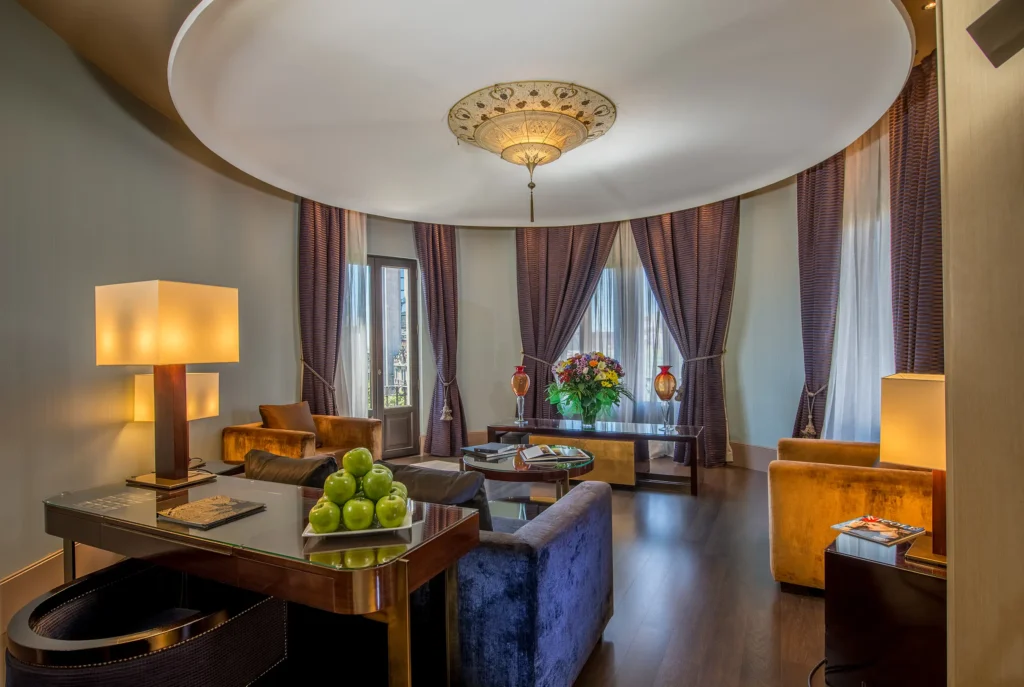
Today, the Hotel Casa Fuster offers 105 rooms decorated in warm, natural tones. The large windows allow natural light to enter all the rooms, which are decorated with noble materials such as cherry wood. Its exclusively designed furniture follows the modernist lines of the period in combination with elements of contemporary design.
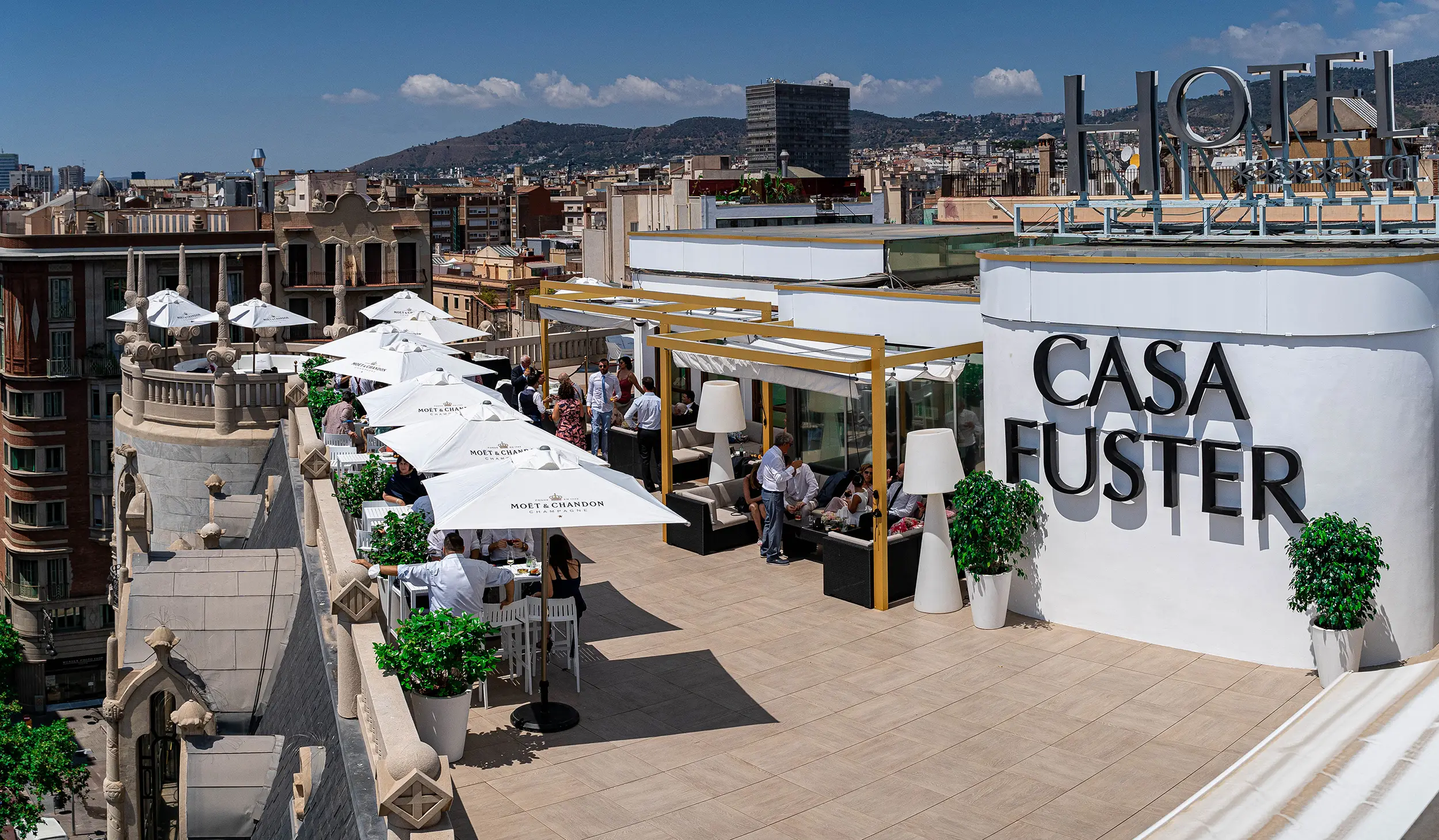
Casa Fuster has several spaces, each with their own personality, where gastronomy, culture and leisure merge to create a unique experience. Its excellent, unique architecture creates an unrepeatable atmosphere, ideal for all kinds of events and celebrations.
To this day, love stories are still closely linked to the hotel, which is considered one of the most romantic buildings in Barcelona. Many weddings of both Spanish and foreign couples are held there. On Valentine’s Day, the hotel offers a special evening meal for couples, and an evening meal and accommodation package for those coming to commemorate the love story that was the origin of one of the most romantic and beautiful buildings in Barcelona.


A PROJECT BY INTERIOR DESIGNERS ALESSIO AND NICOLA CAMPA.
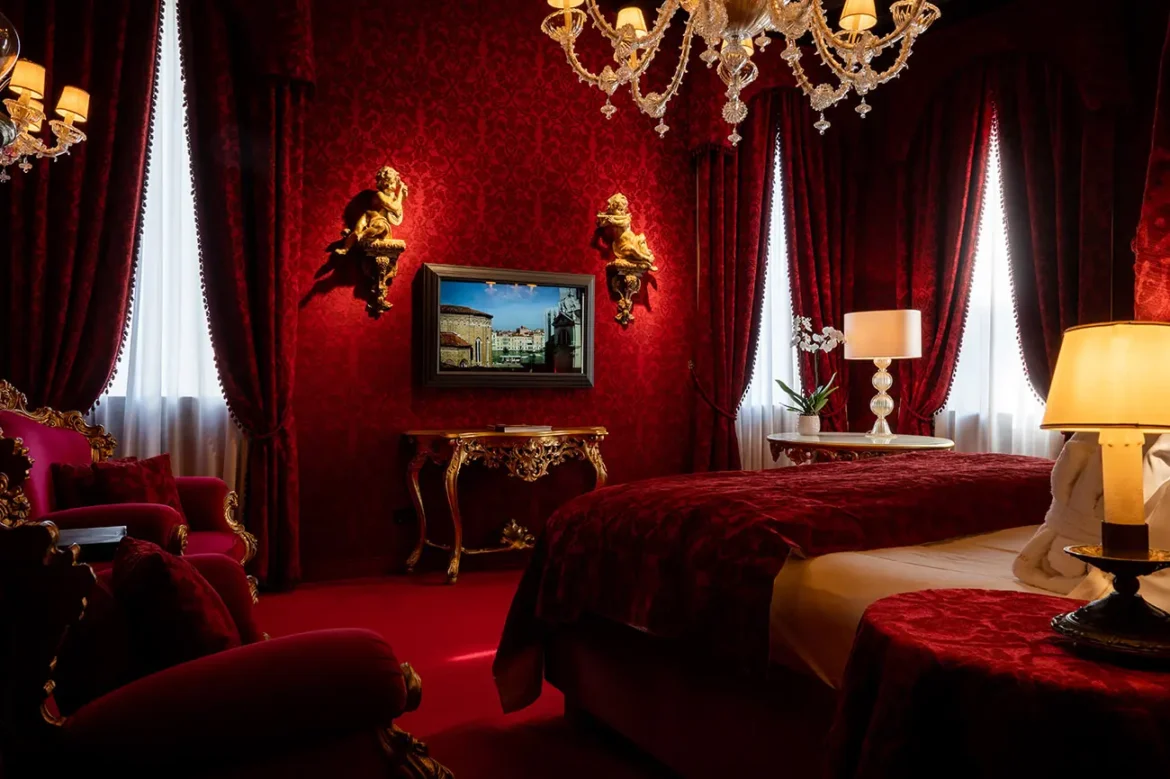
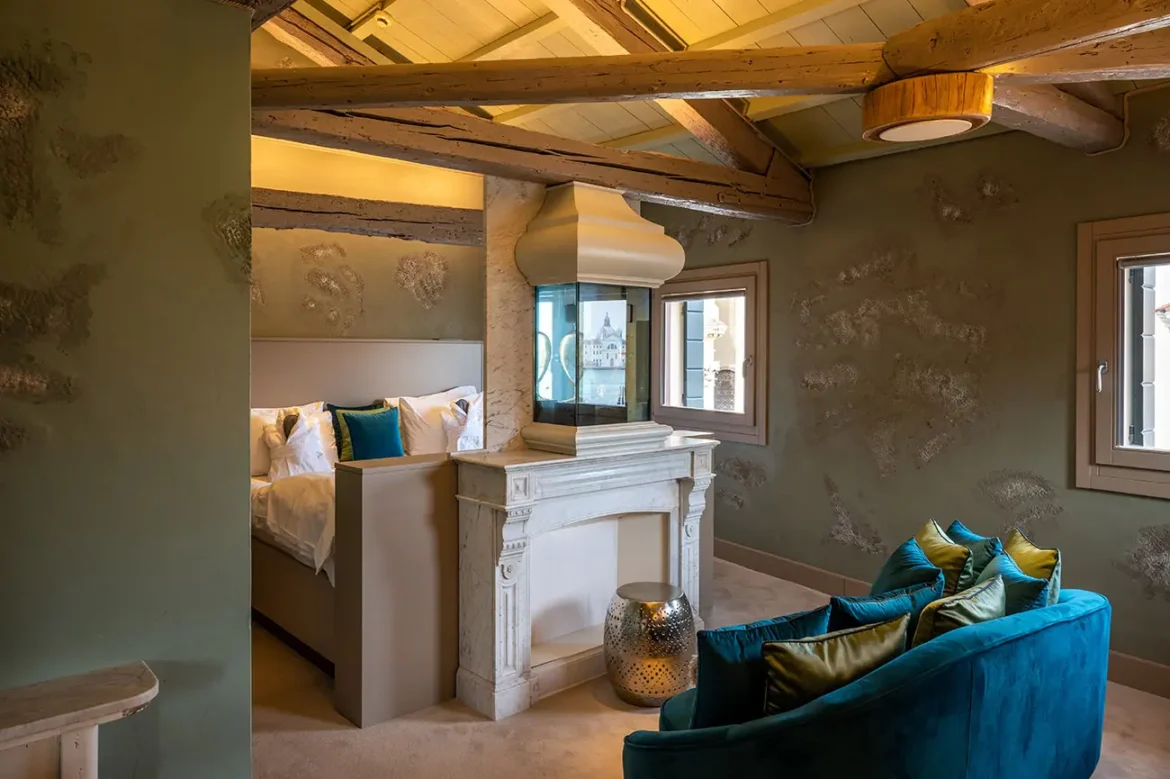
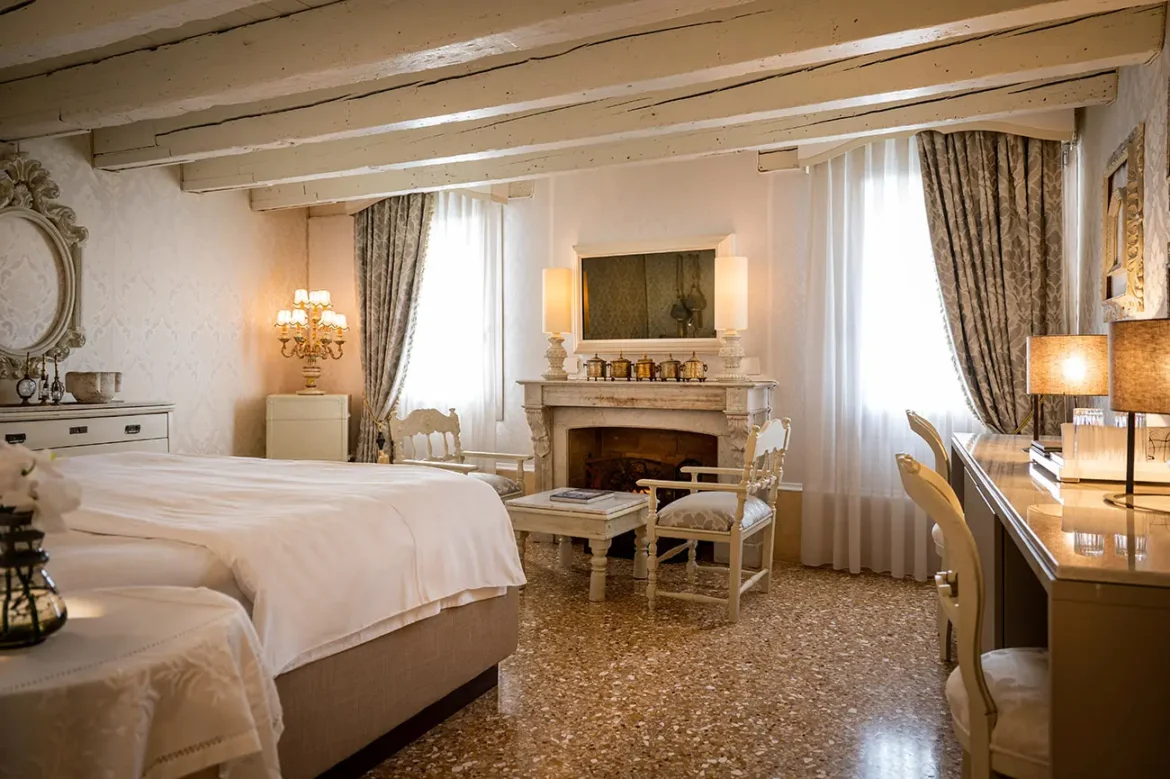
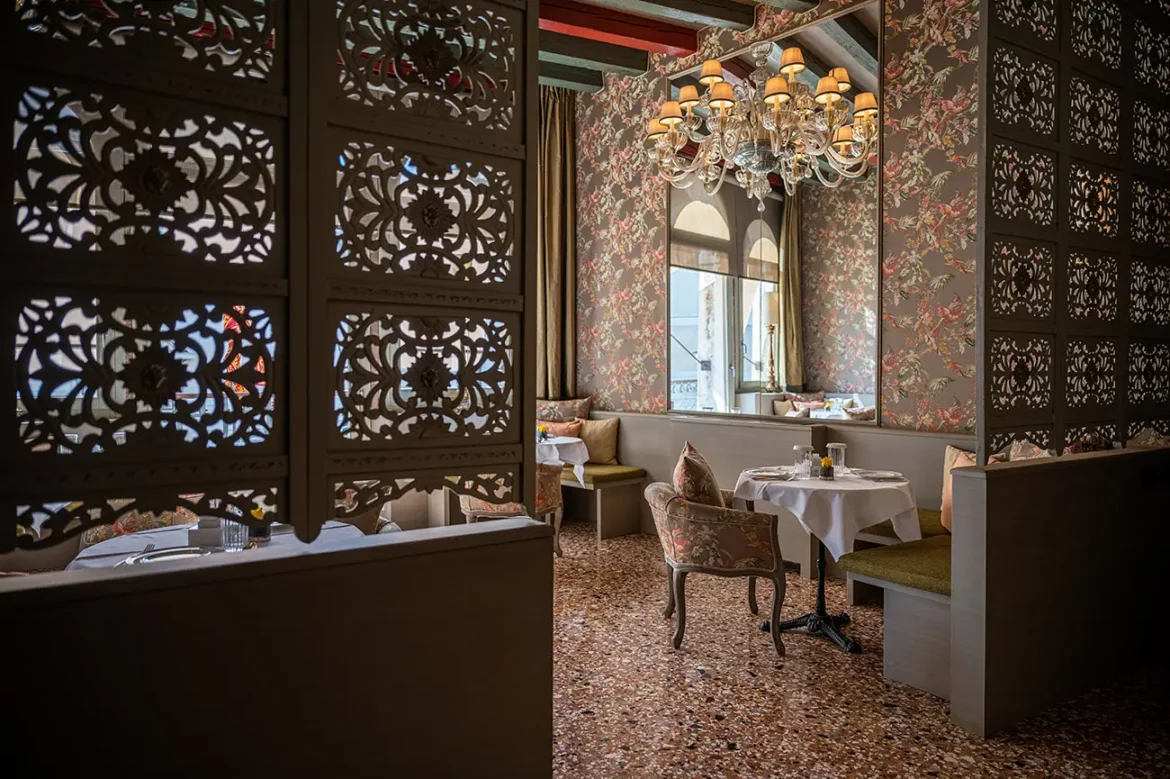
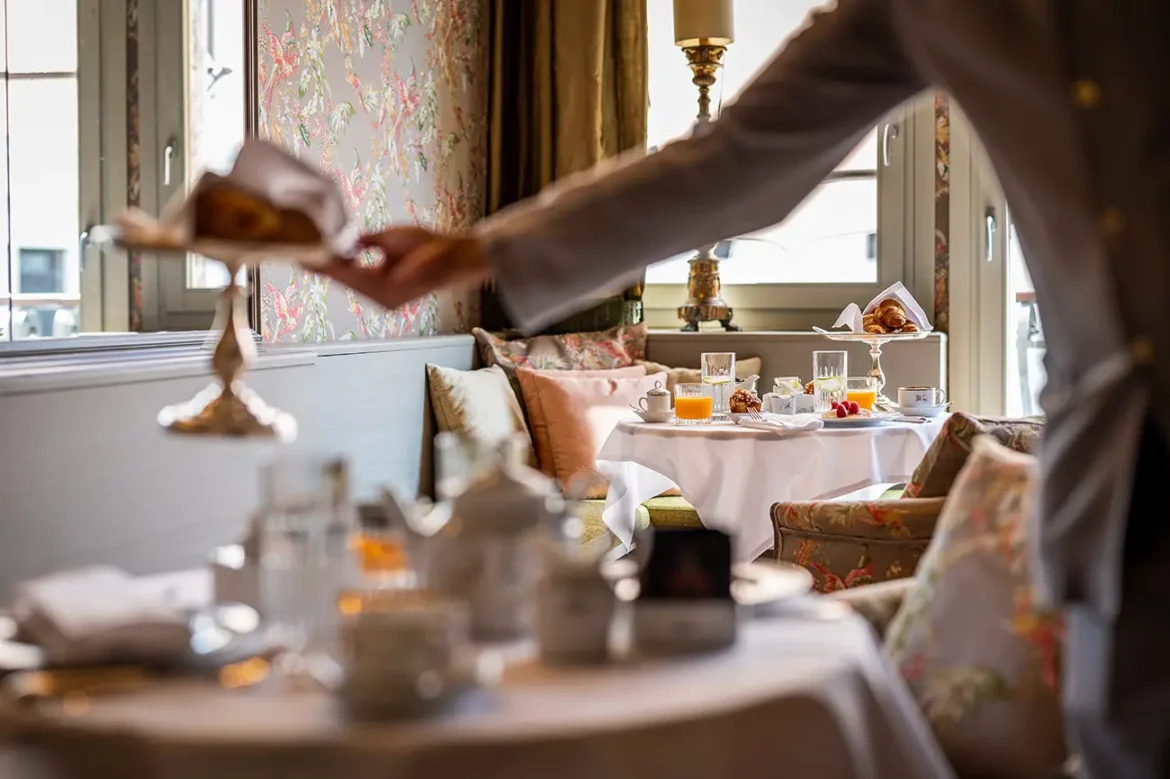
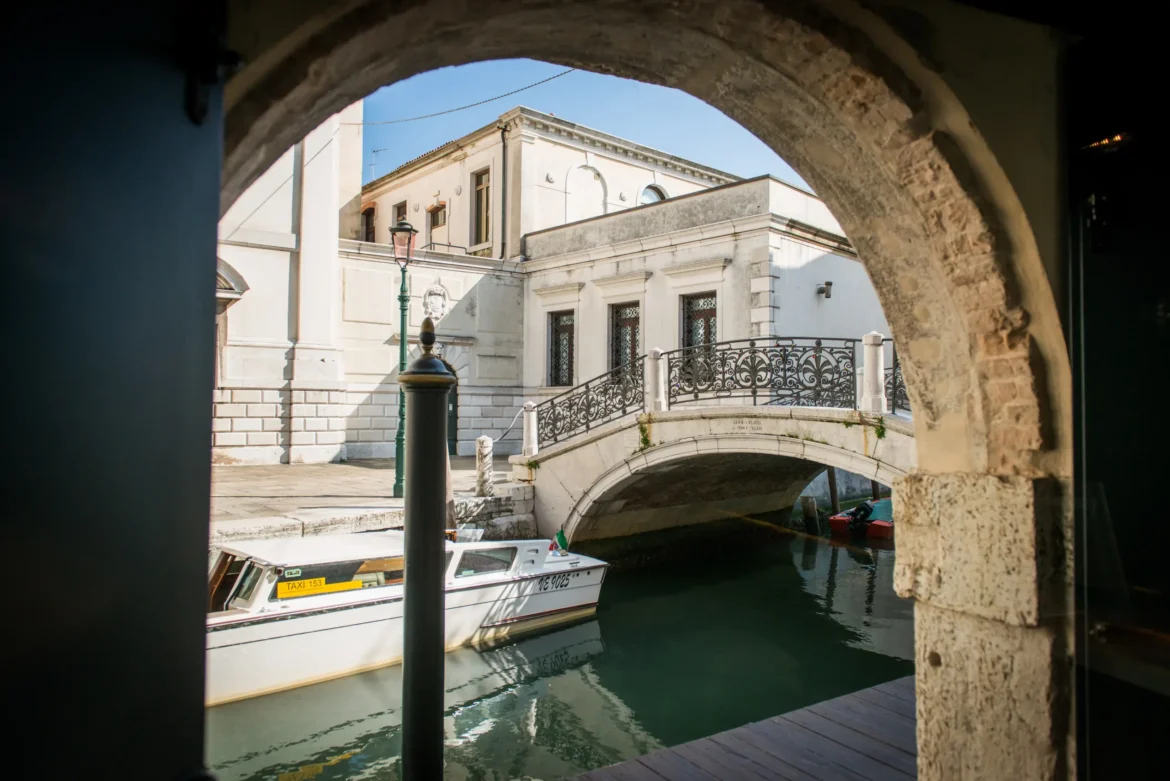
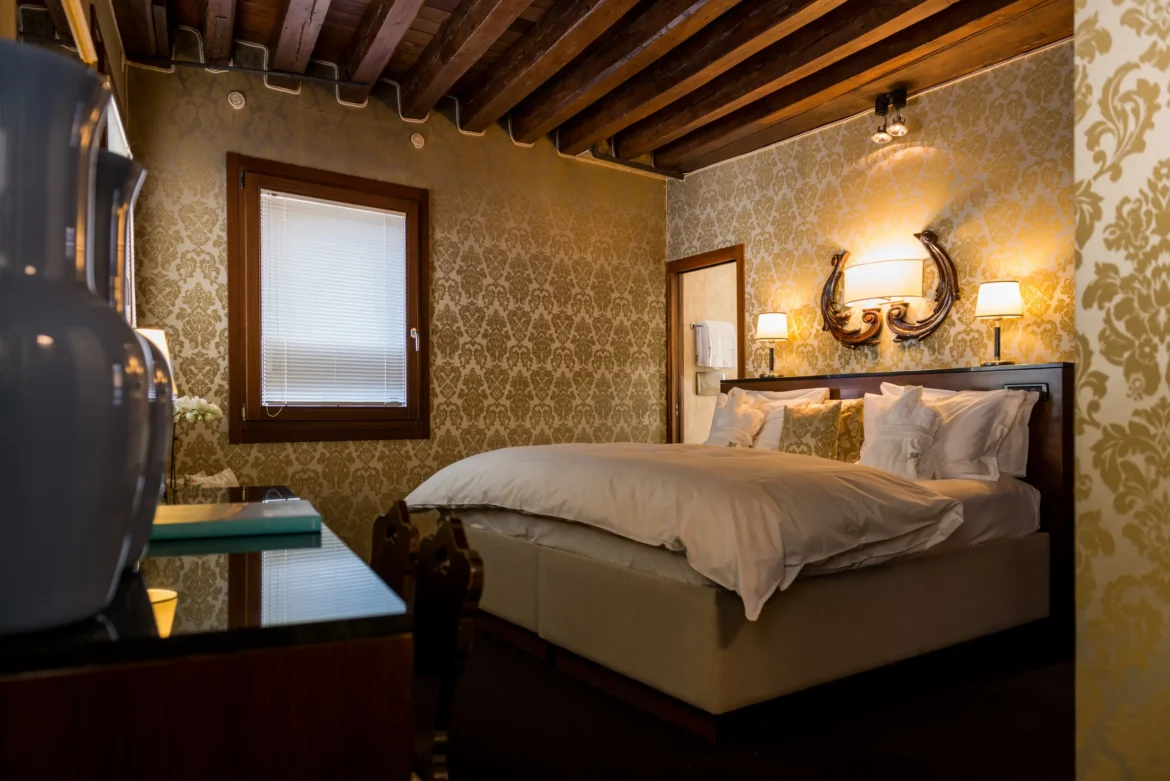
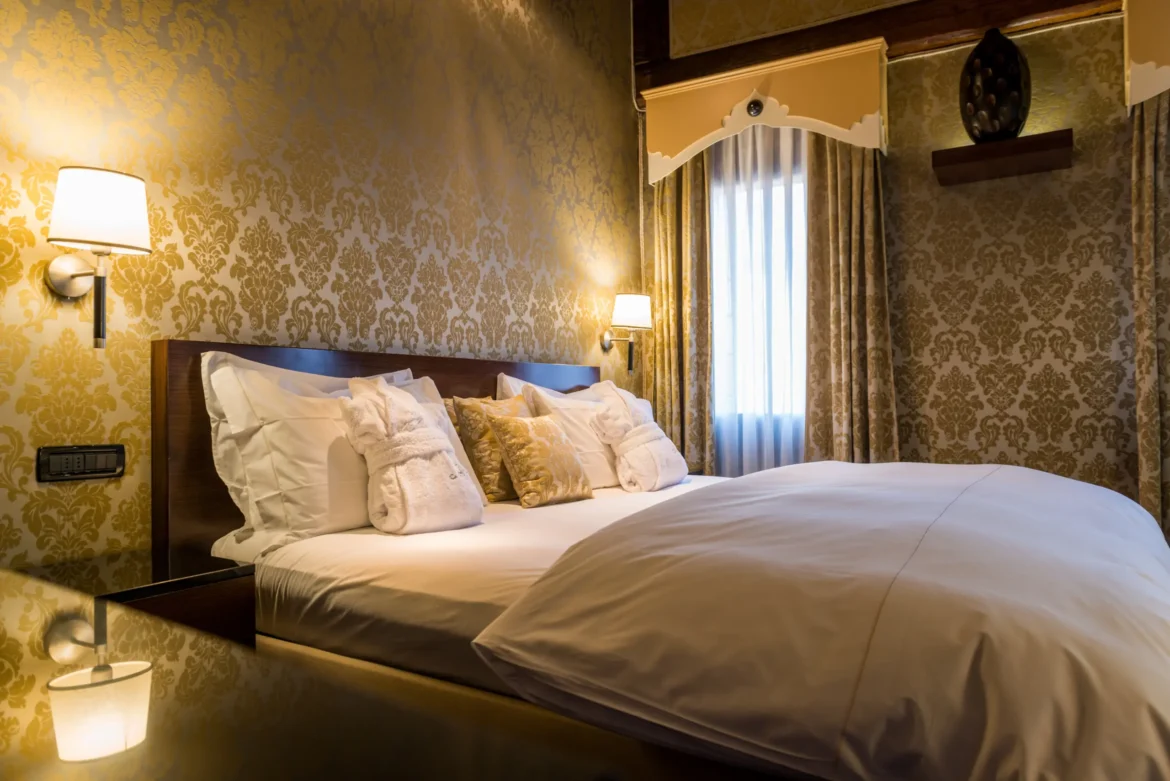
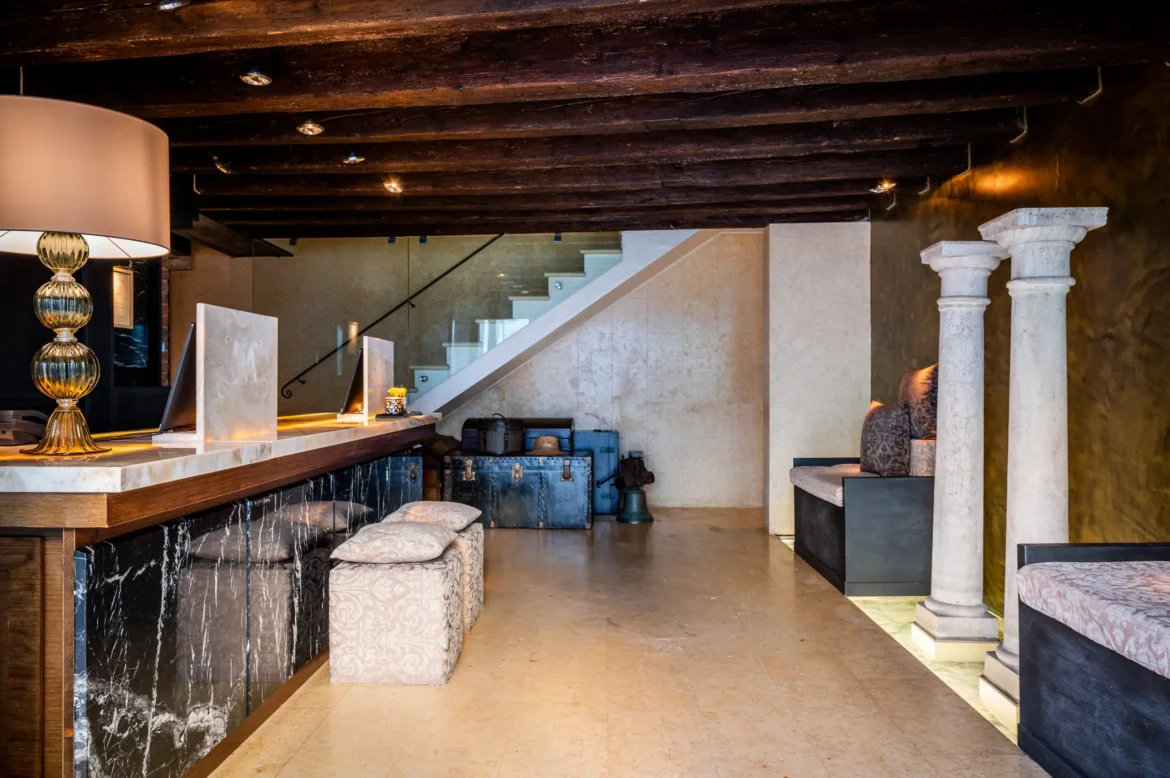
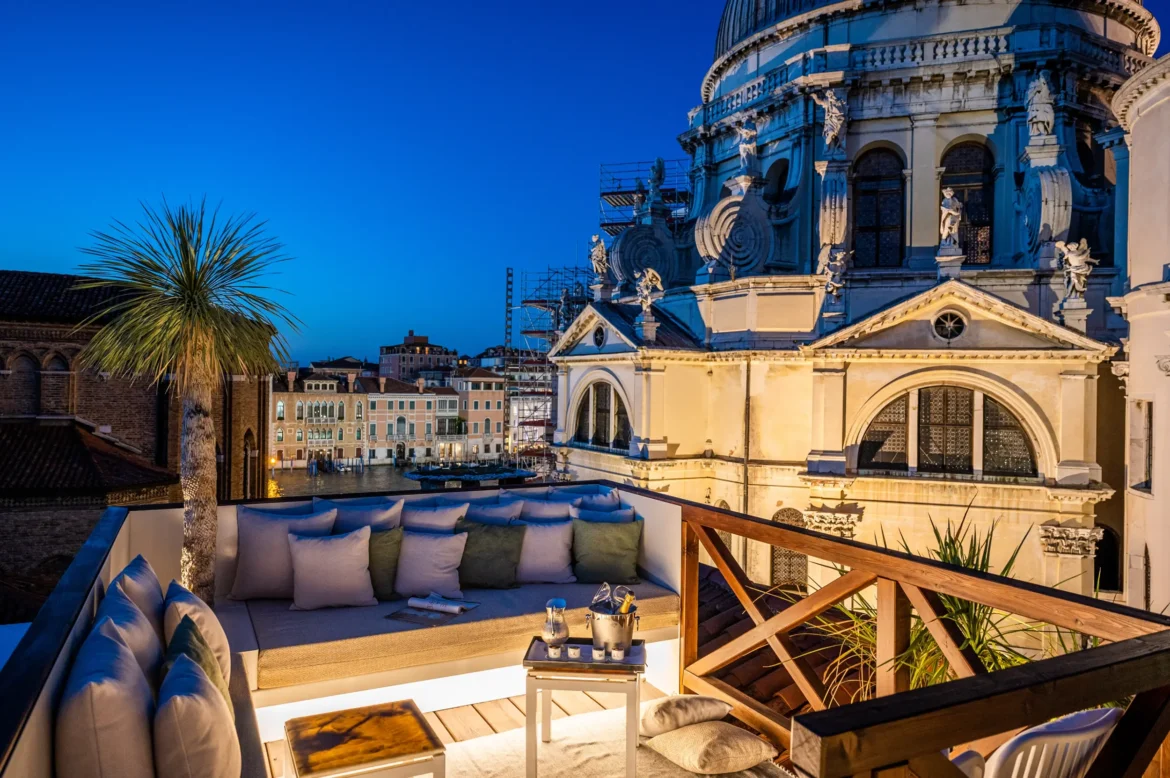
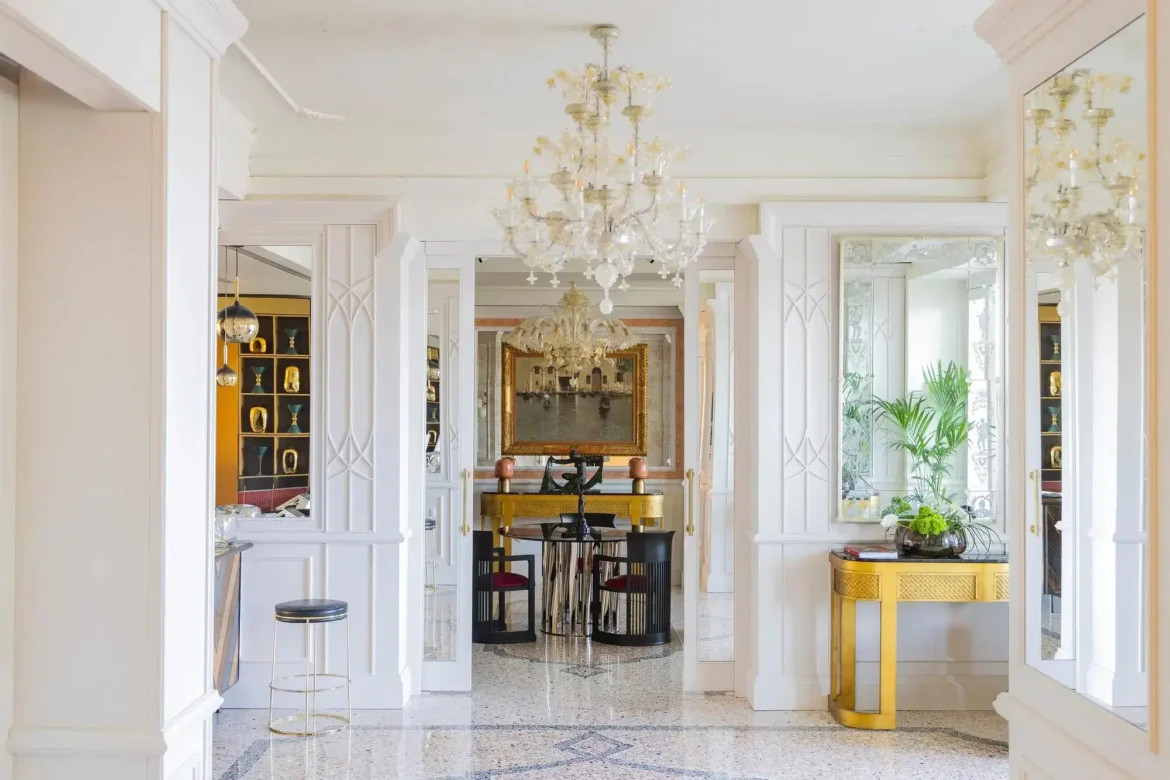
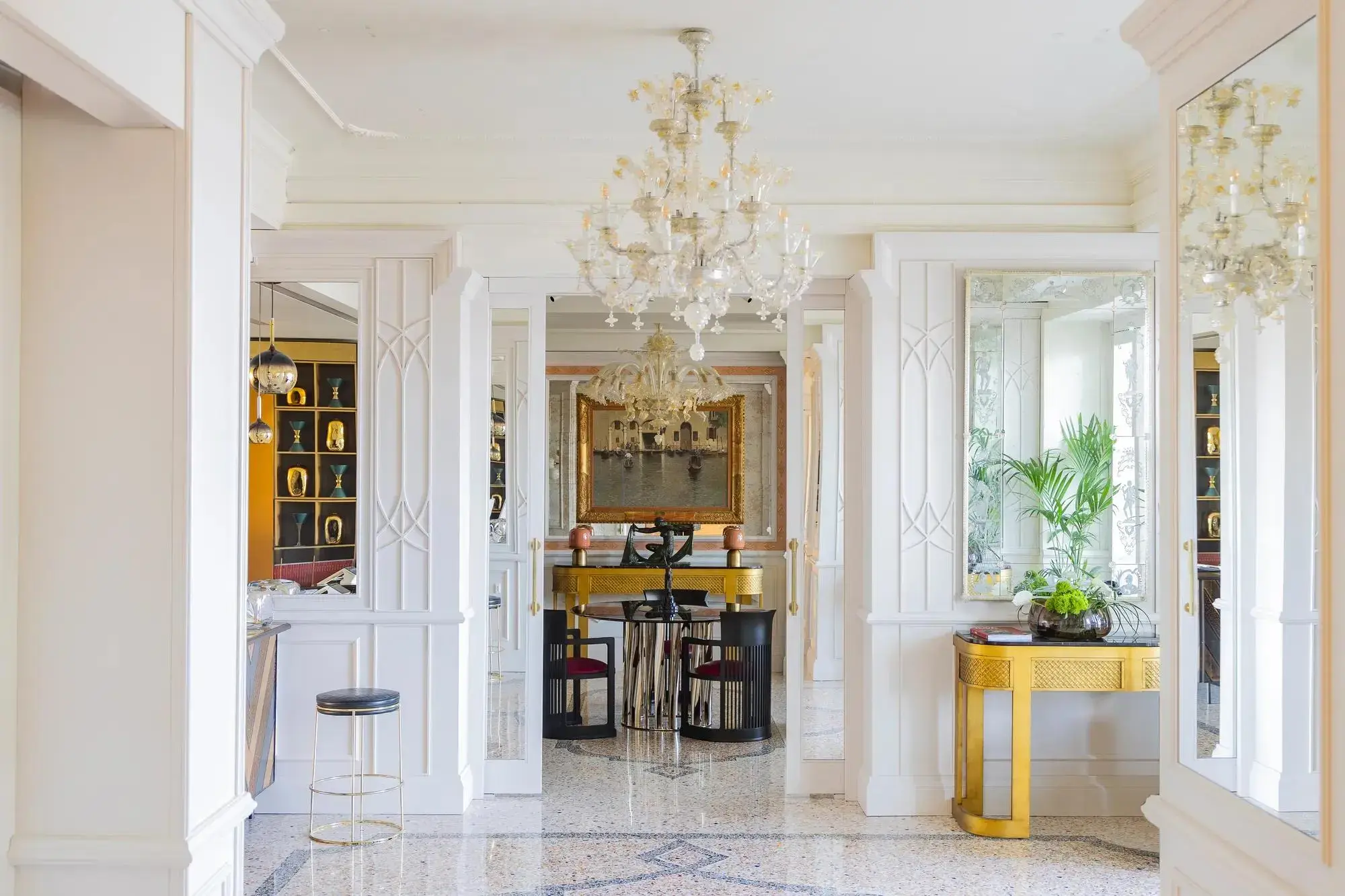
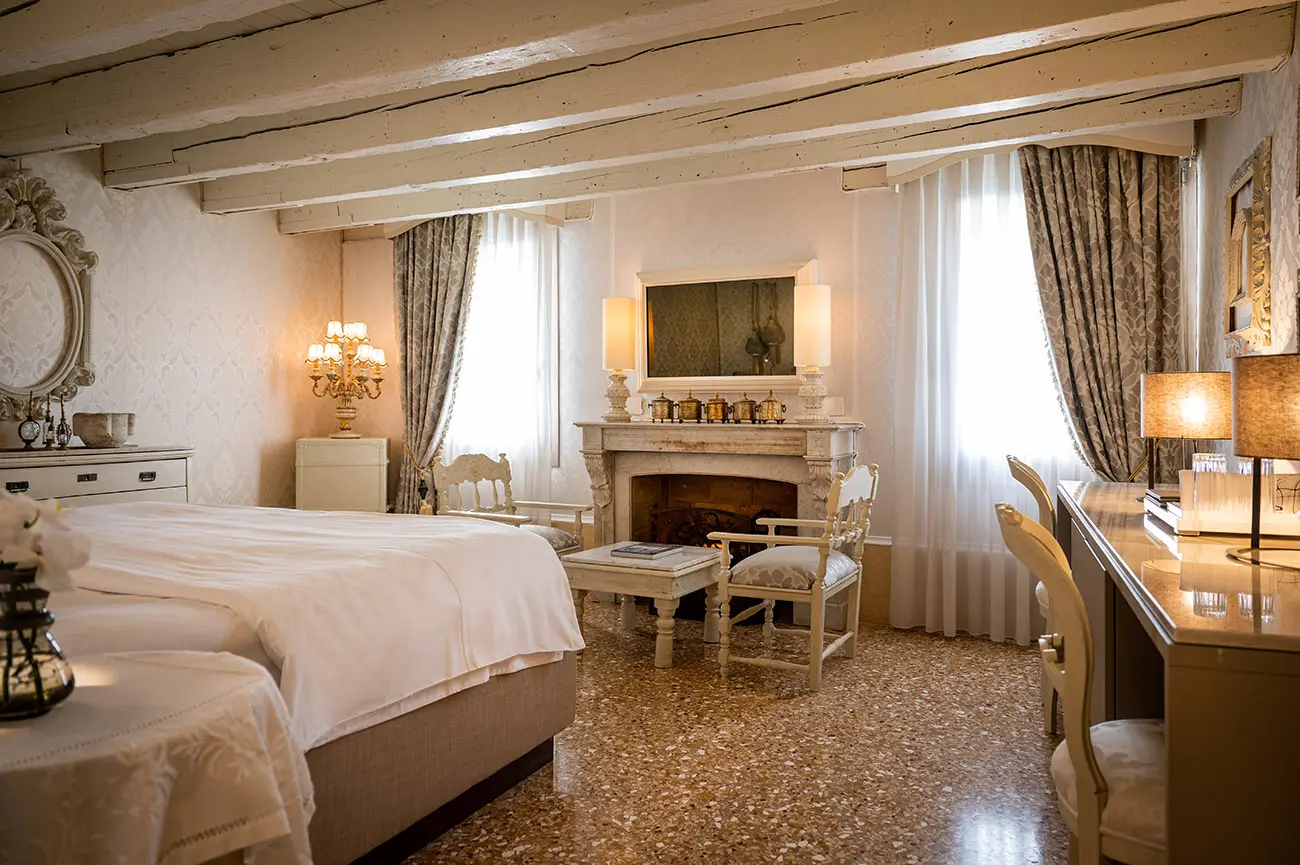
Nestled in the heart of the modern art district, one of Venice’s most exclusive enclaves, Ca Maria Adele is a boutique hotel of rare charm and refined allure.
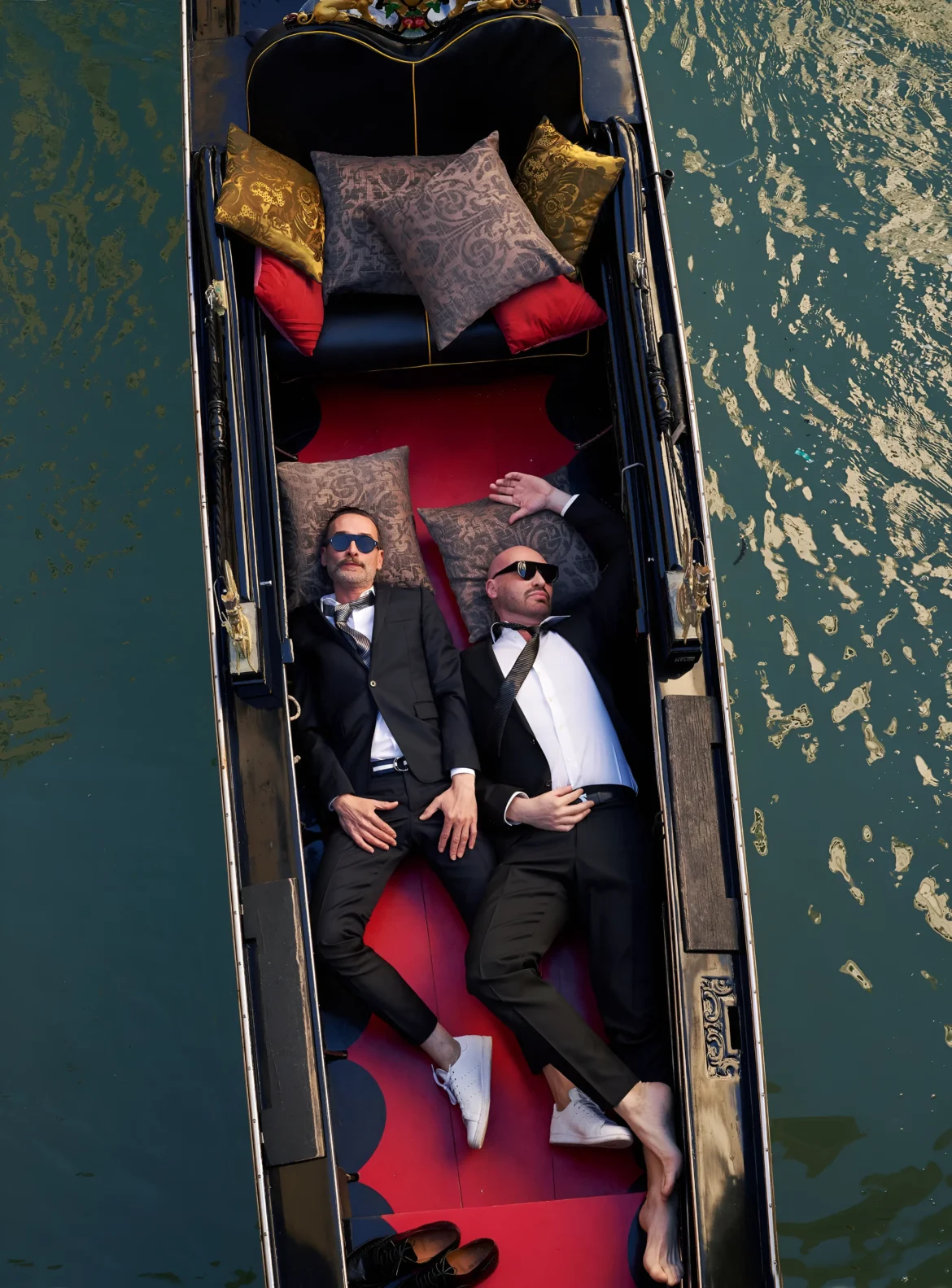
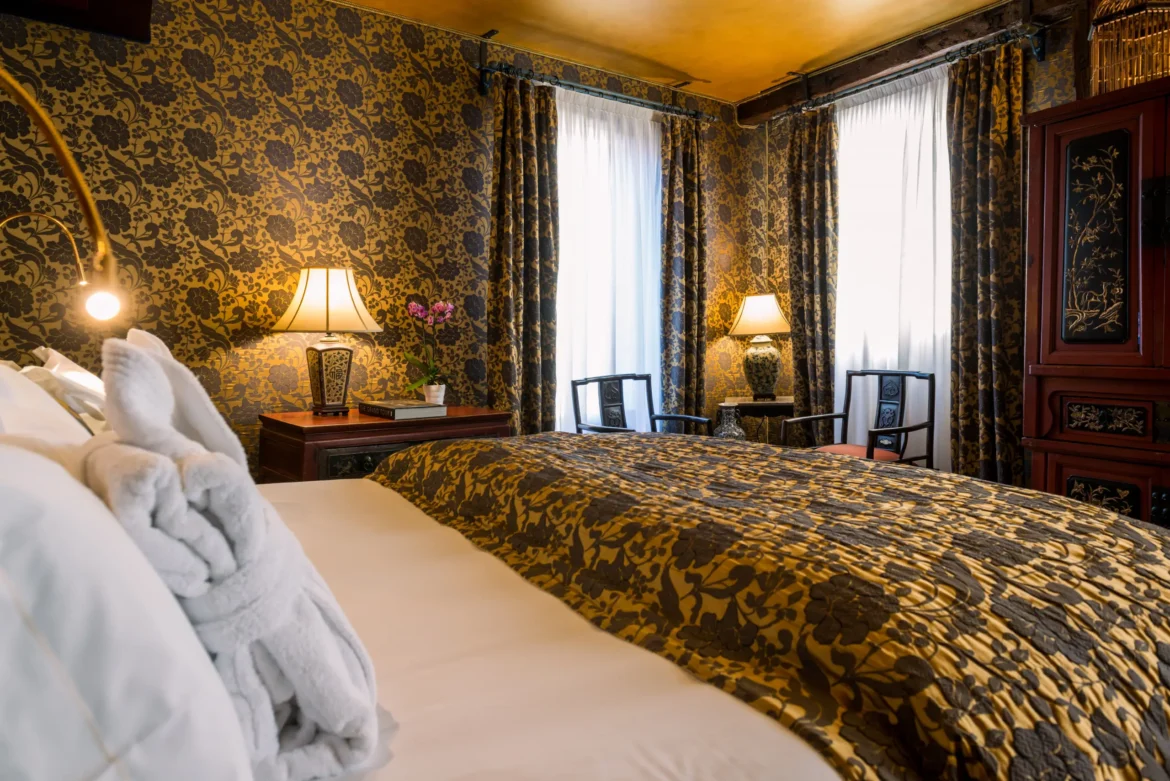
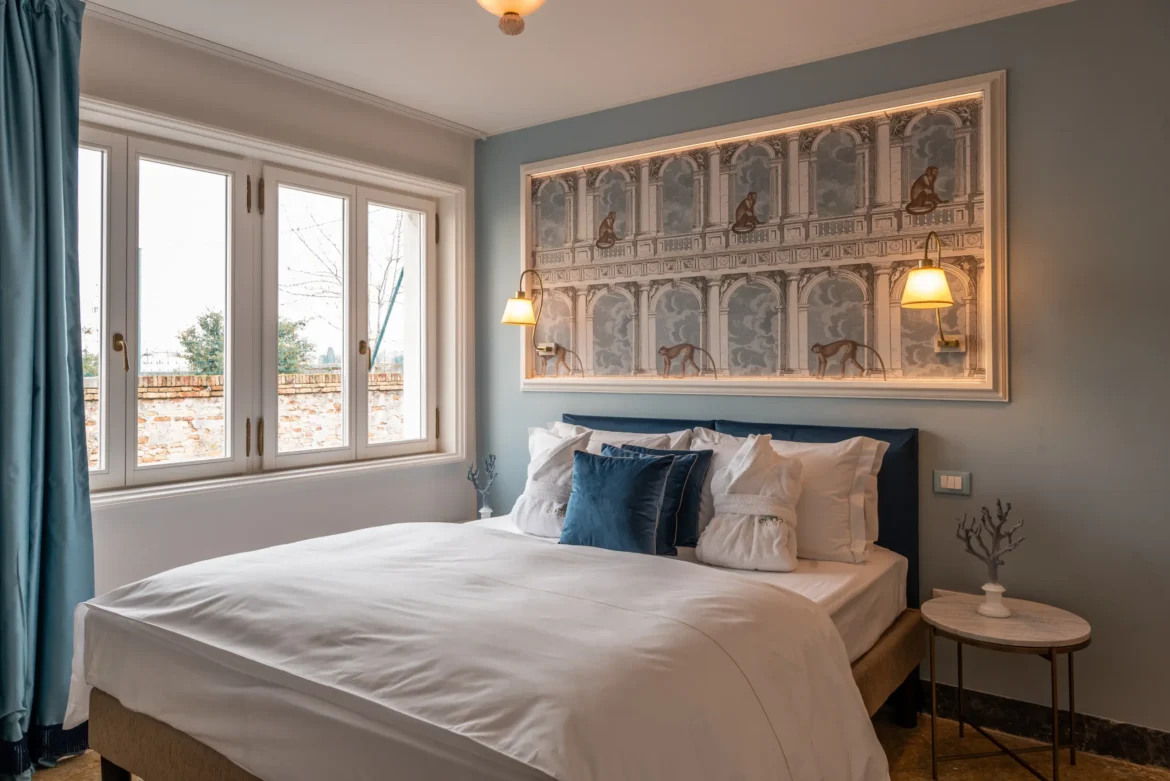
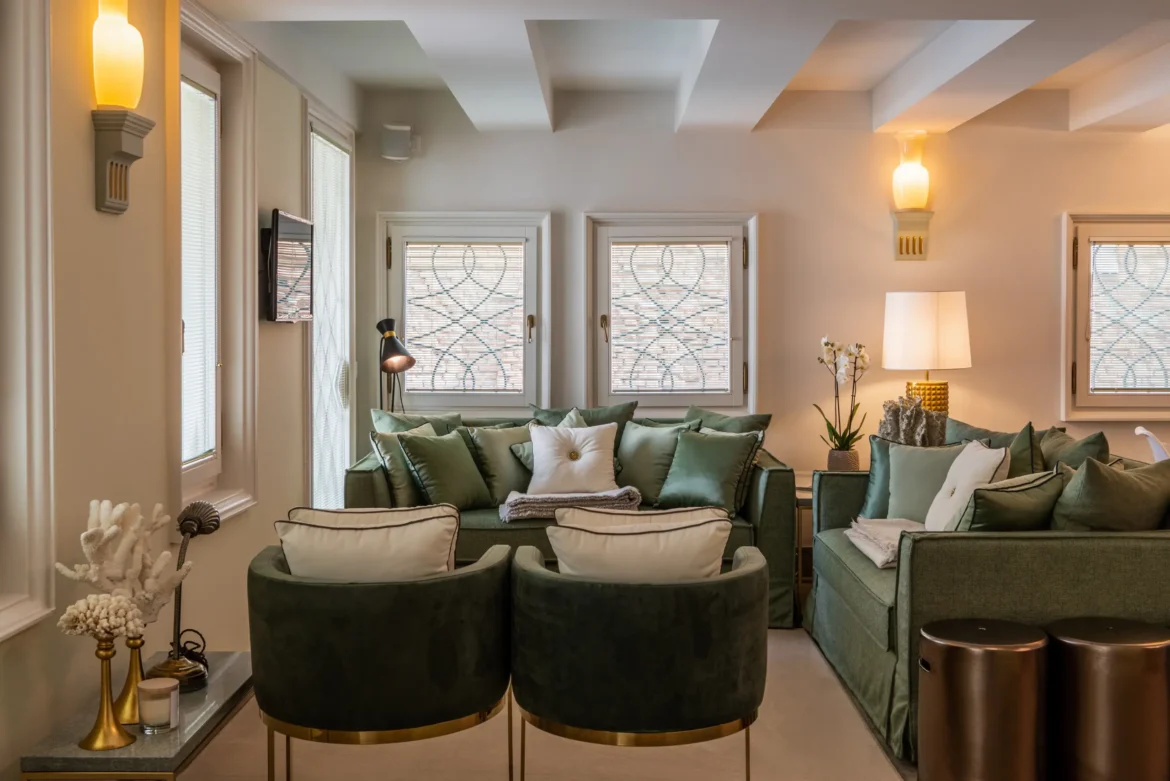
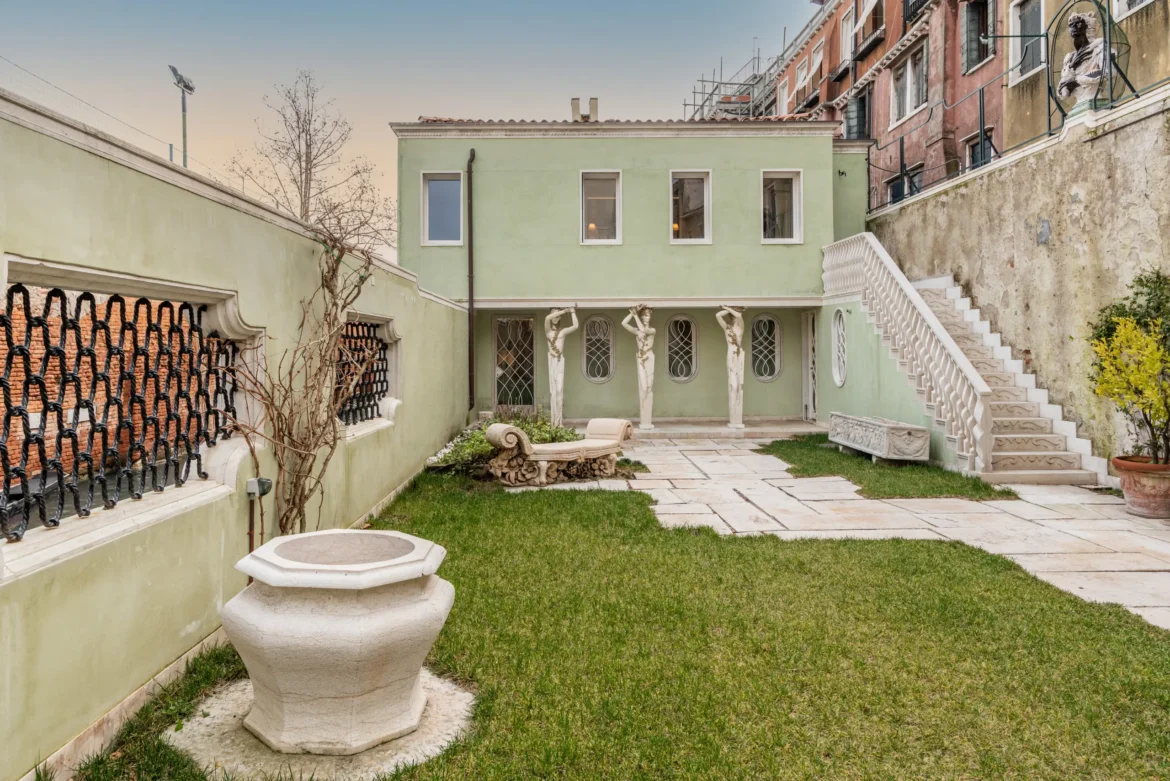
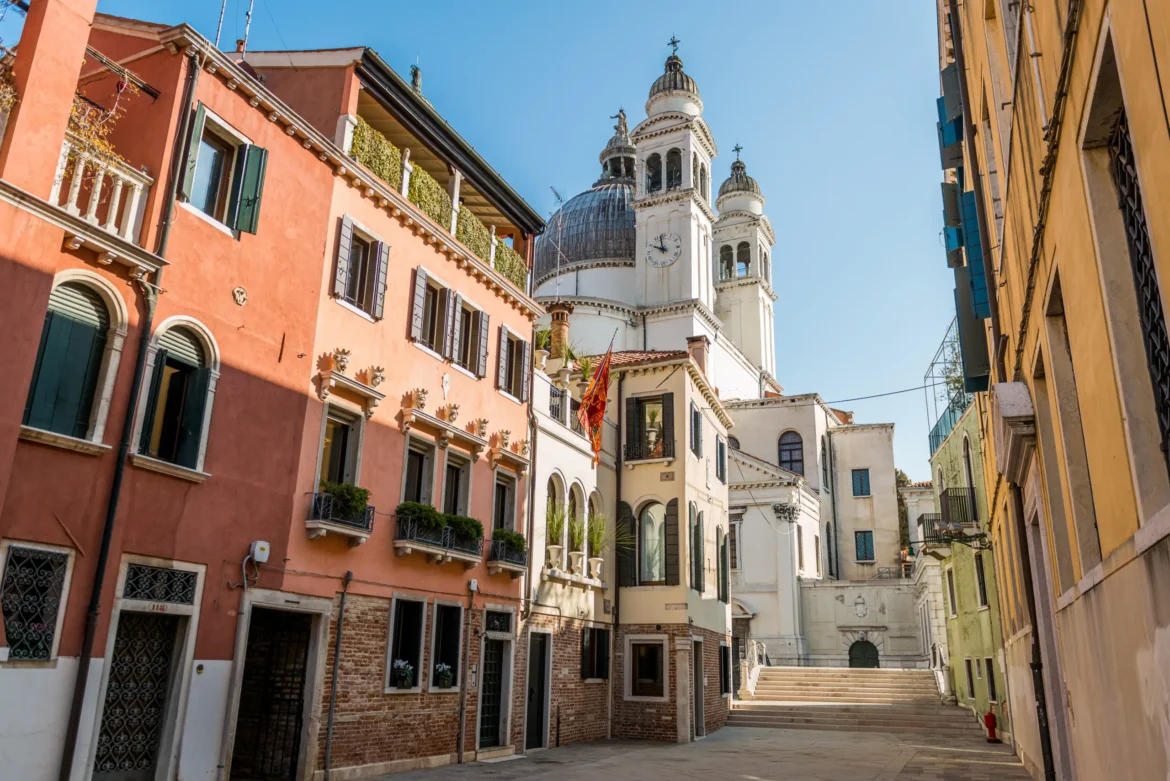
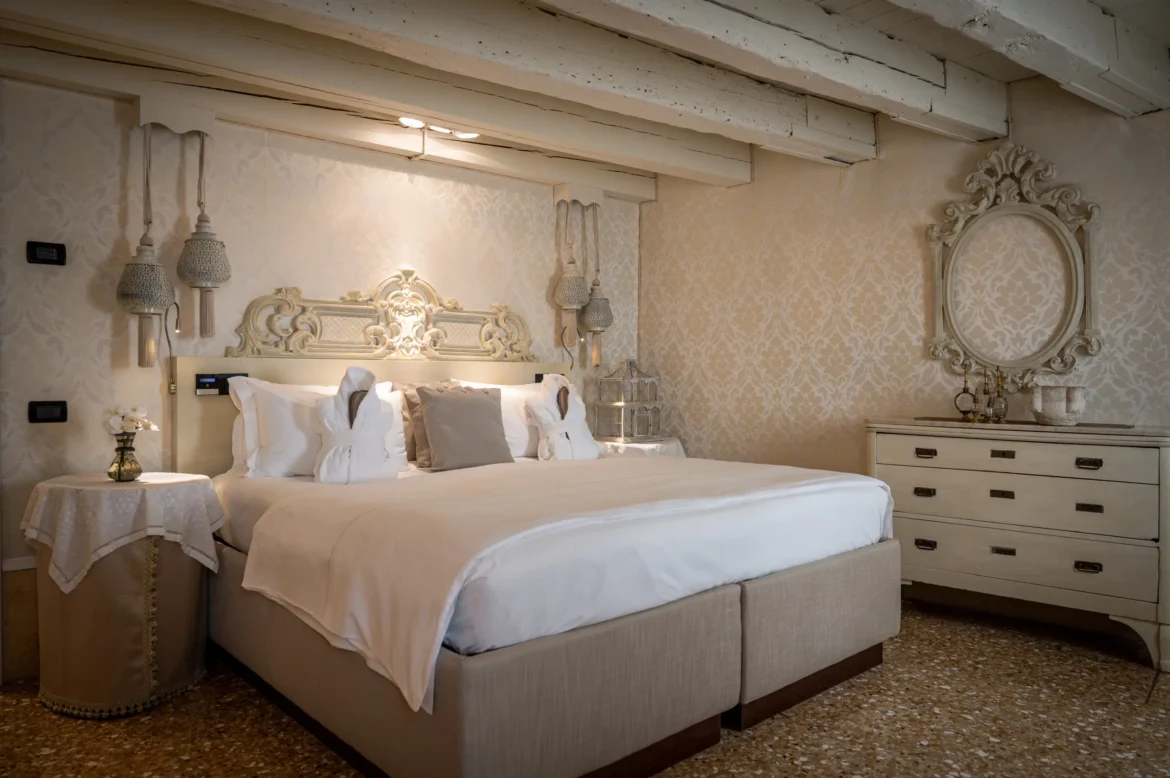
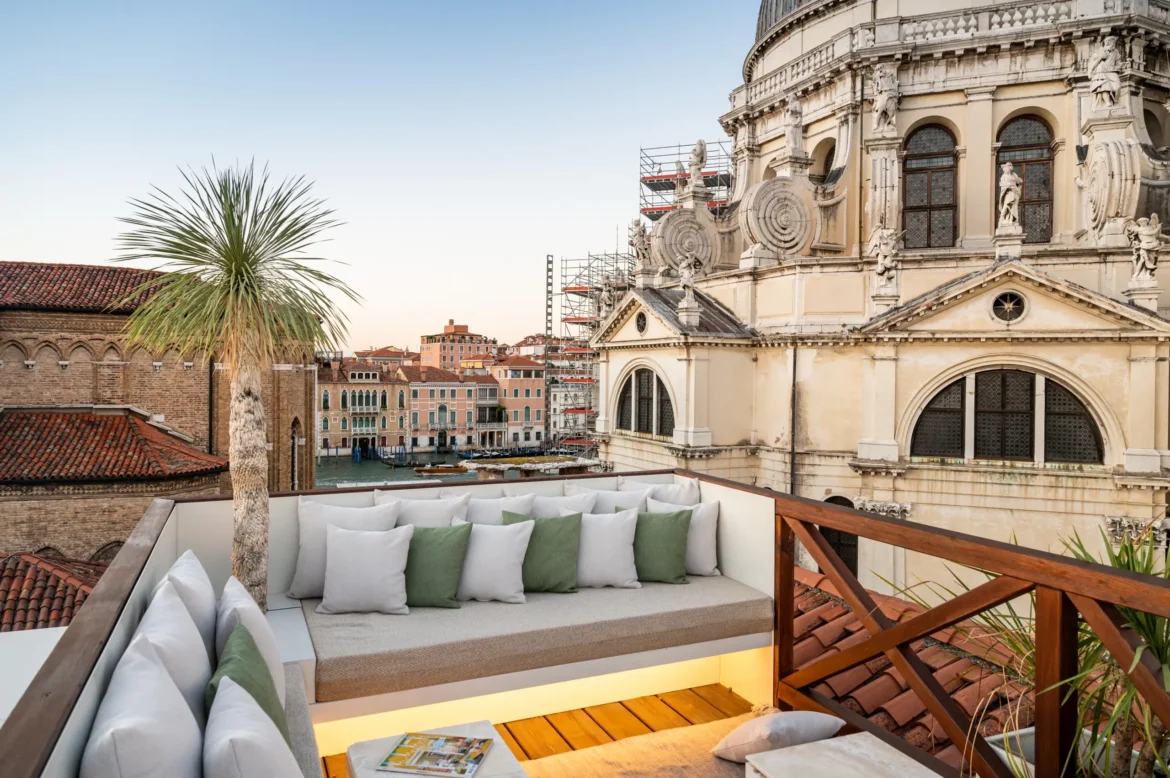
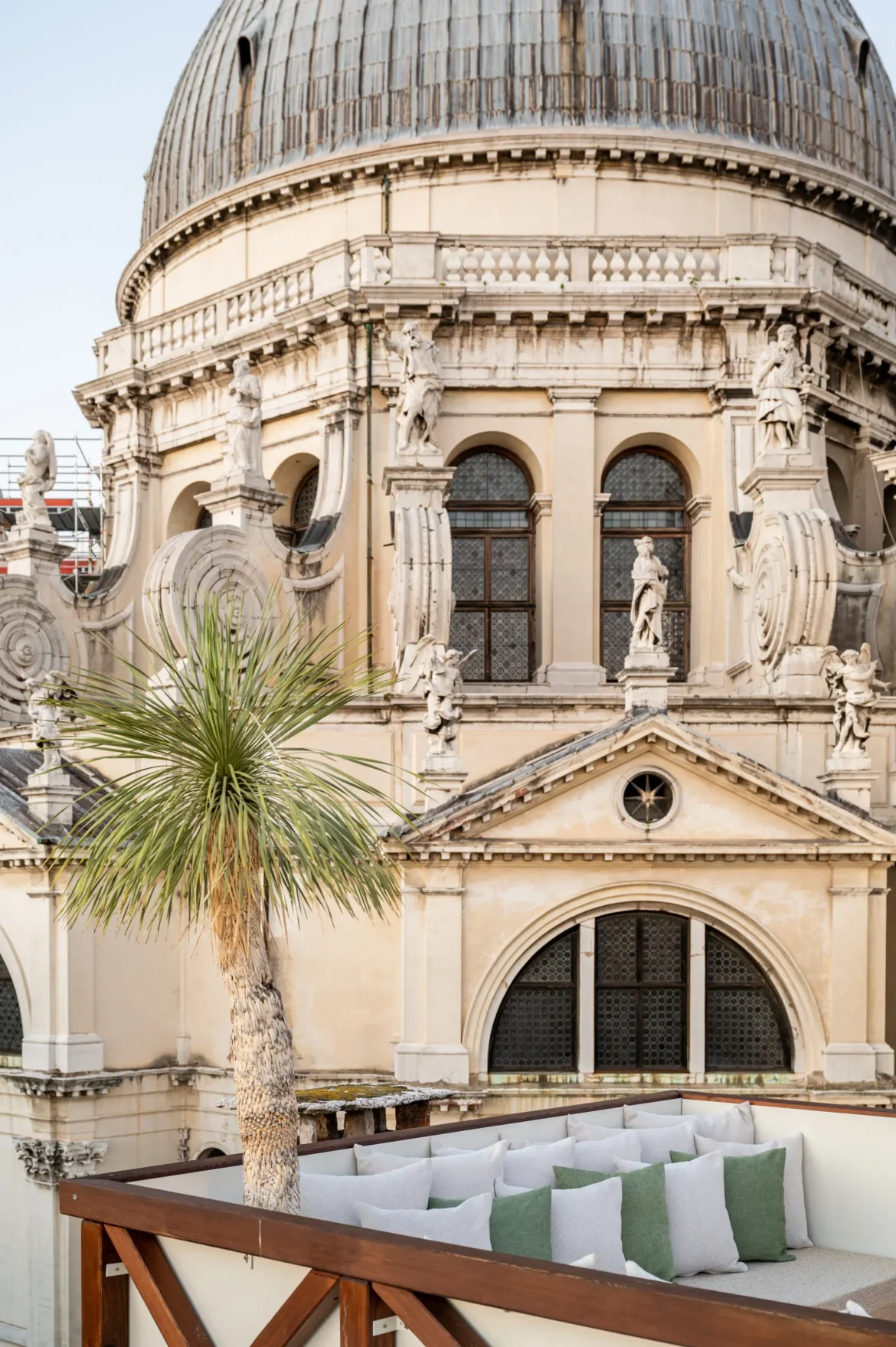
Located in the privileged district of Dorsoduro, adjacent to the iconic Basilica della Madonna della Salute, the property occupies a 16th-century palazzo — a historic gem that gracefully combines heritage with contemporary sophistication. Designed for discerning travelers and true aesthetes, the hotel offers unique experiences crafted by interior designers Alessio and Nicola Campa, who also manage other prestigious properties such as Palazzetto 113, Cariatide and Mini Palace. Each space provides guests with an enchanting opportunity to experience Venice in all its cultural and artistic splendor.
A Temple of Luxury and Italian Hospitality, Where Guests Feel at Home
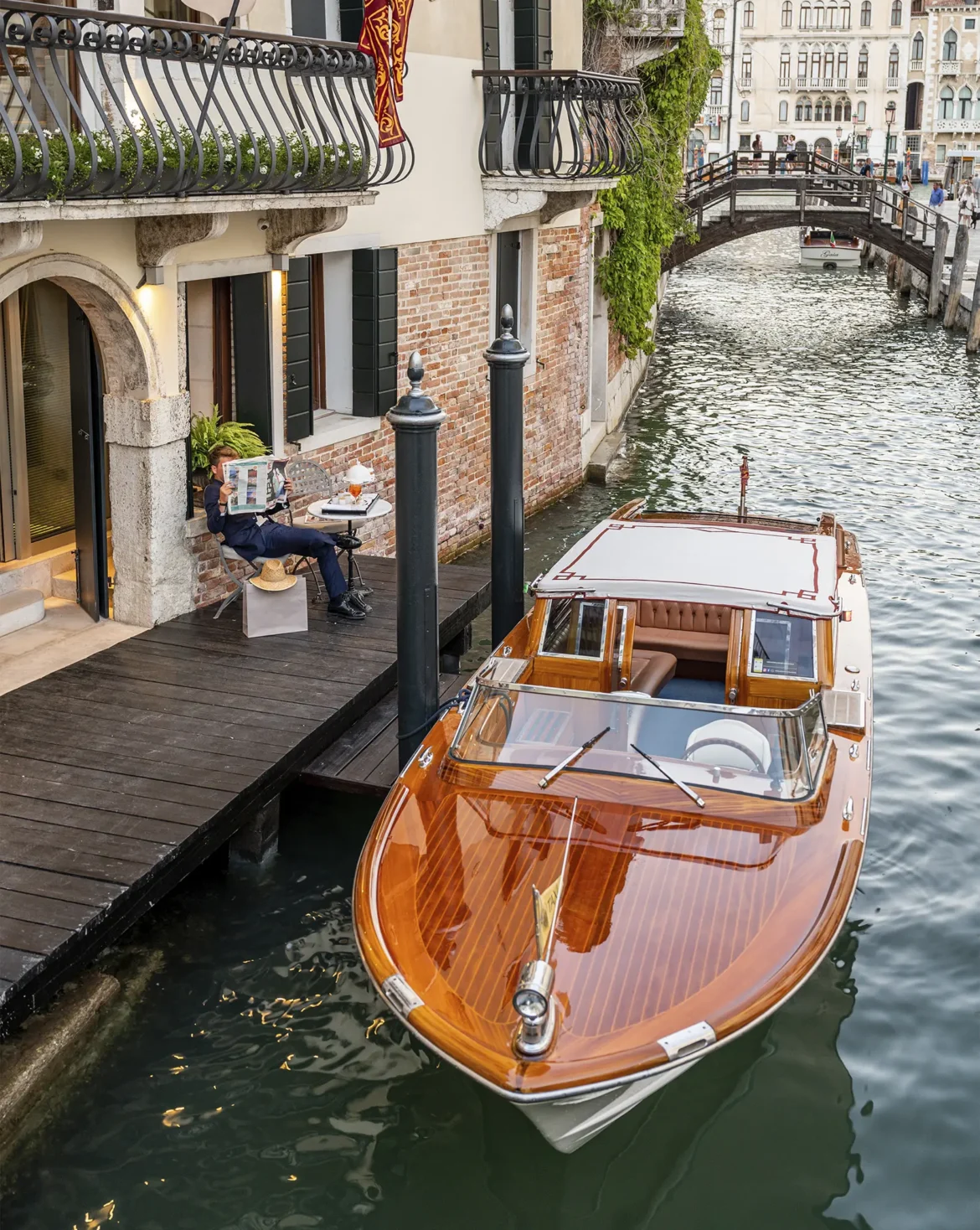
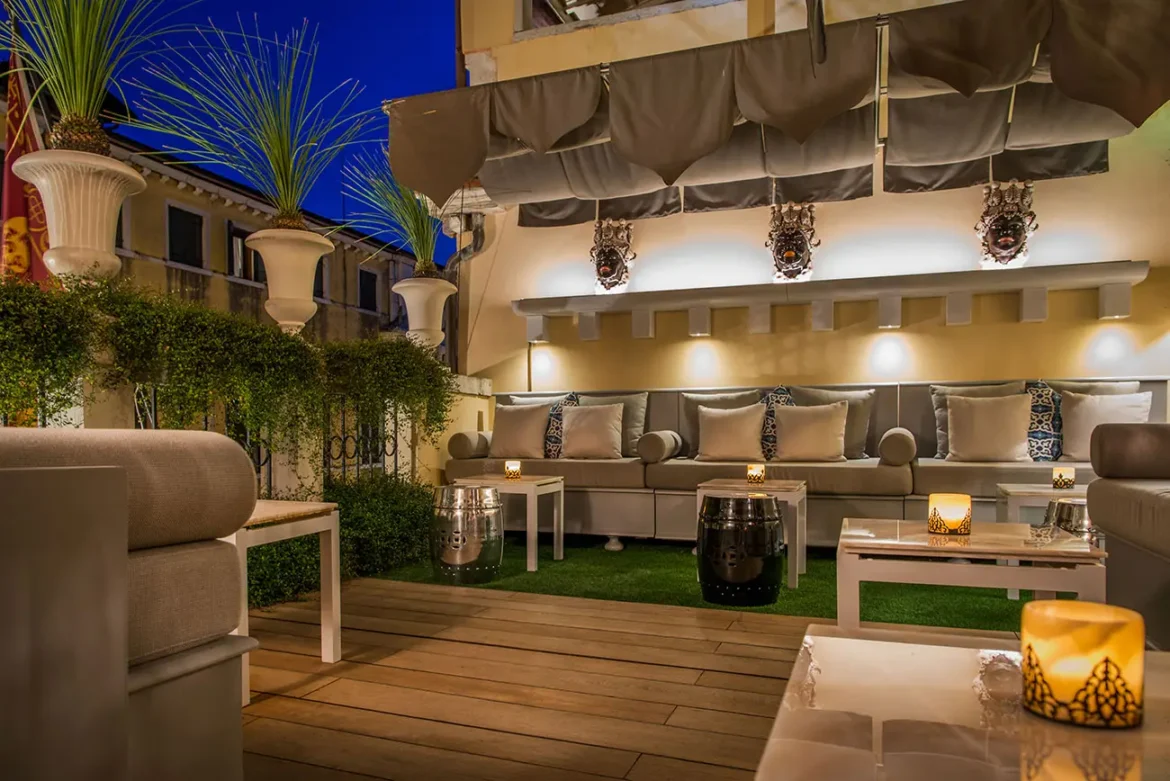
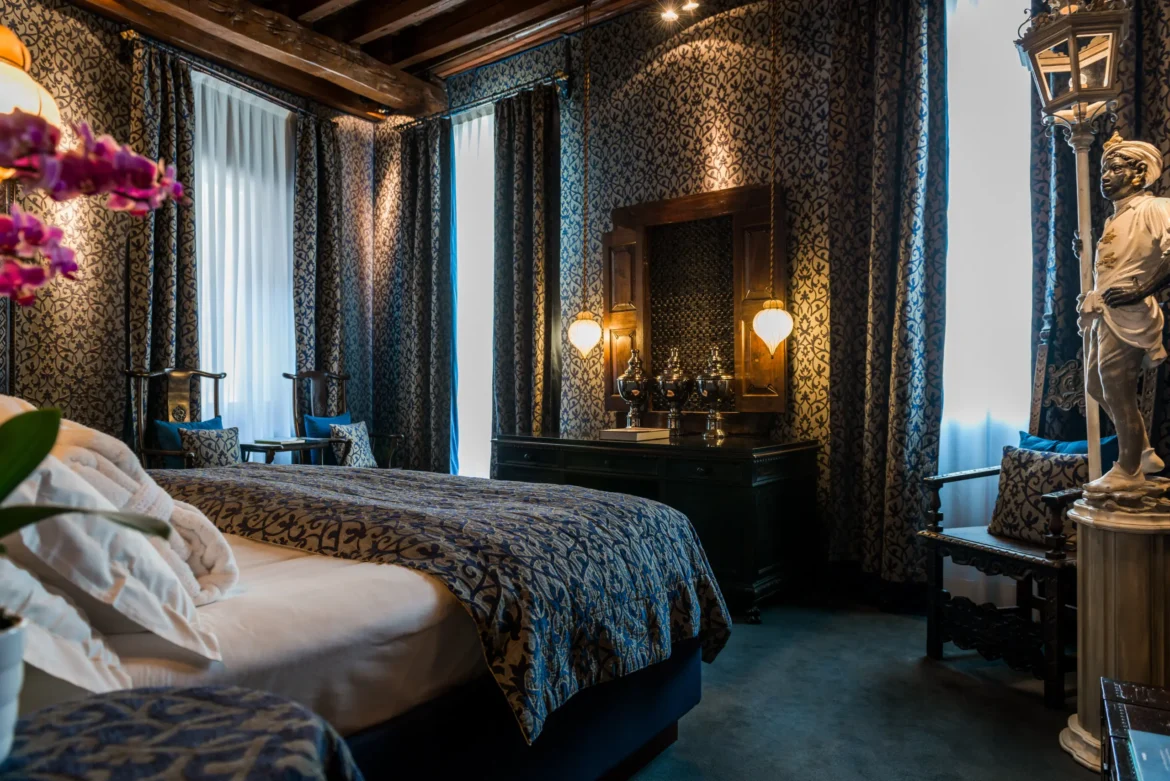
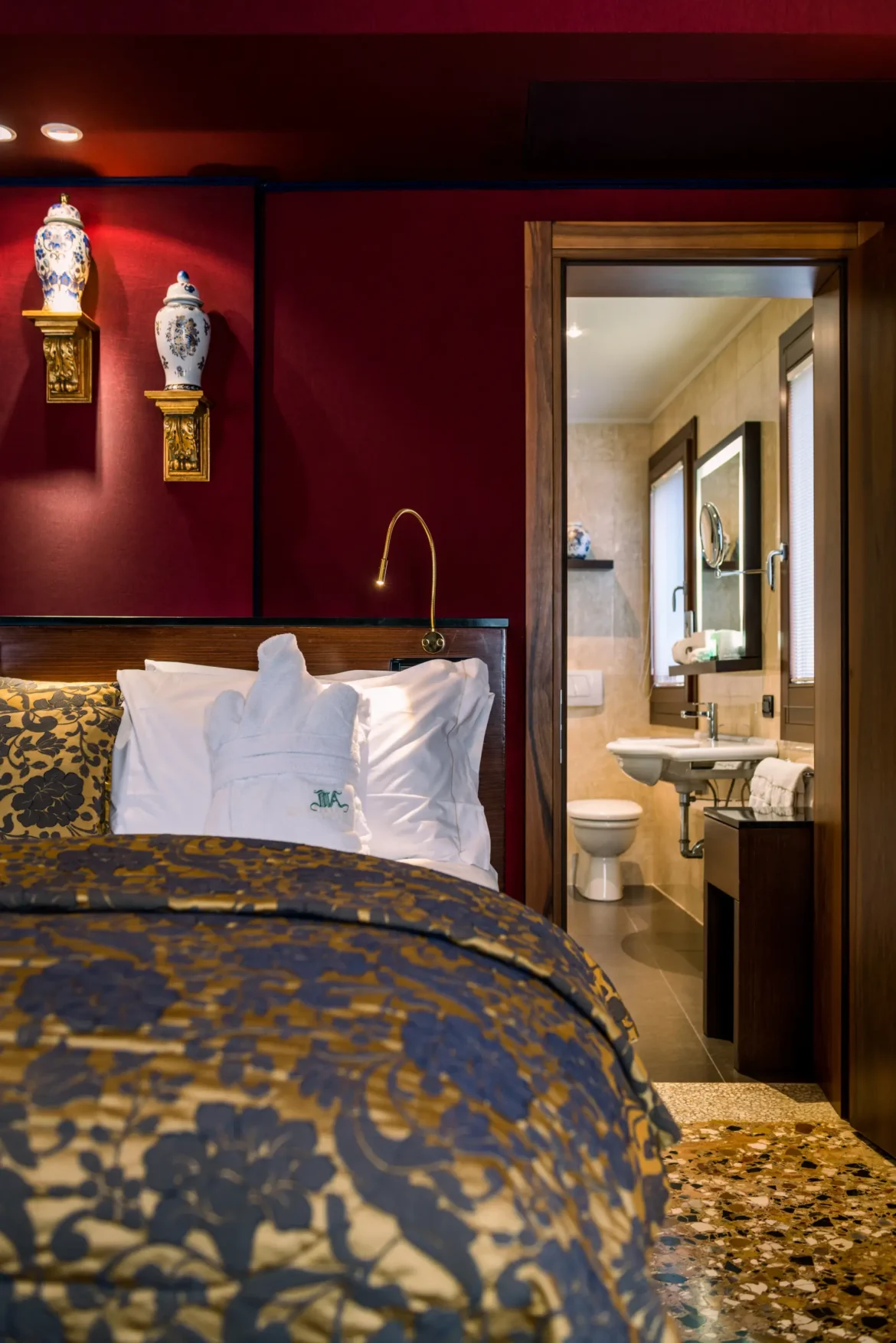
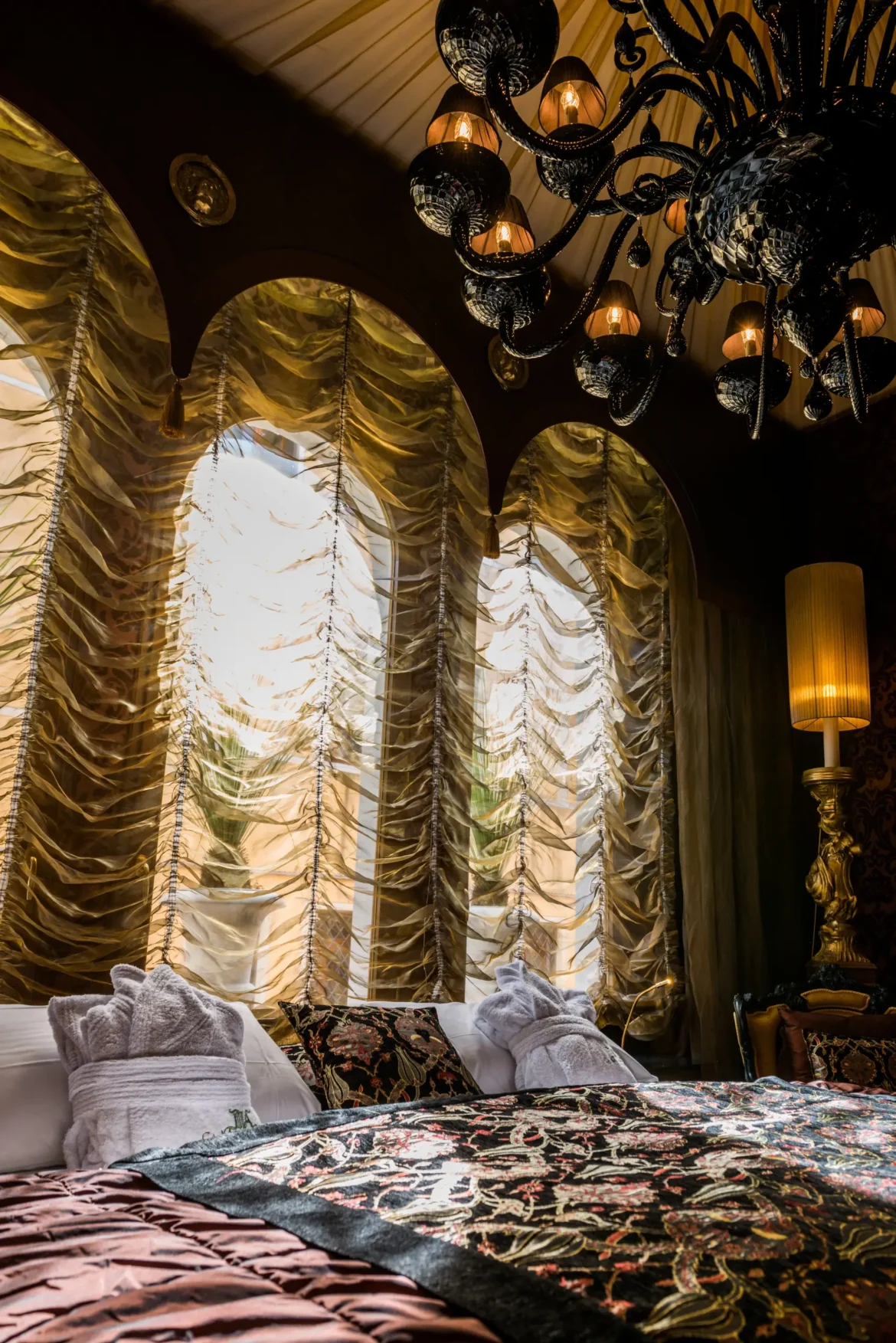
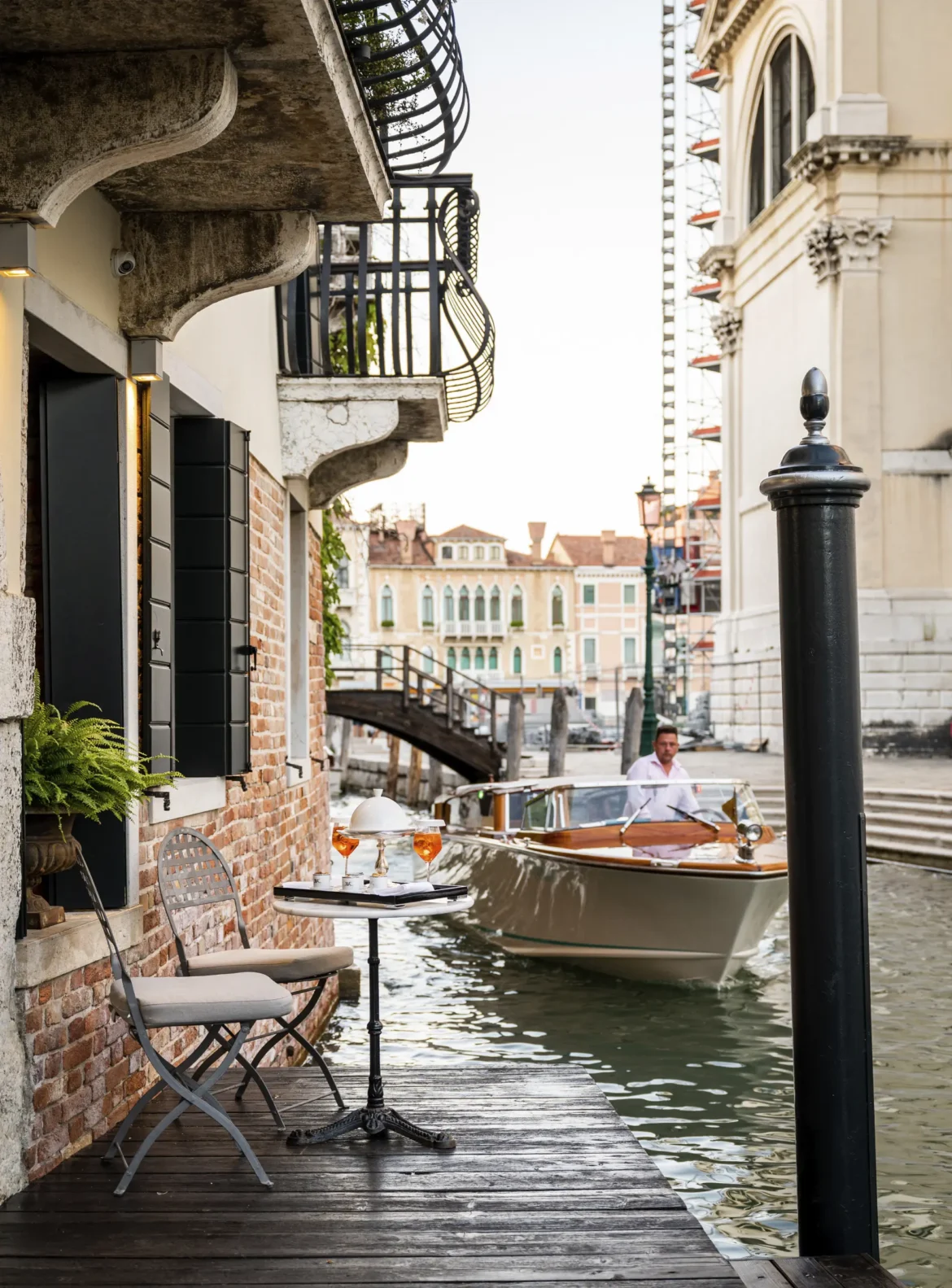
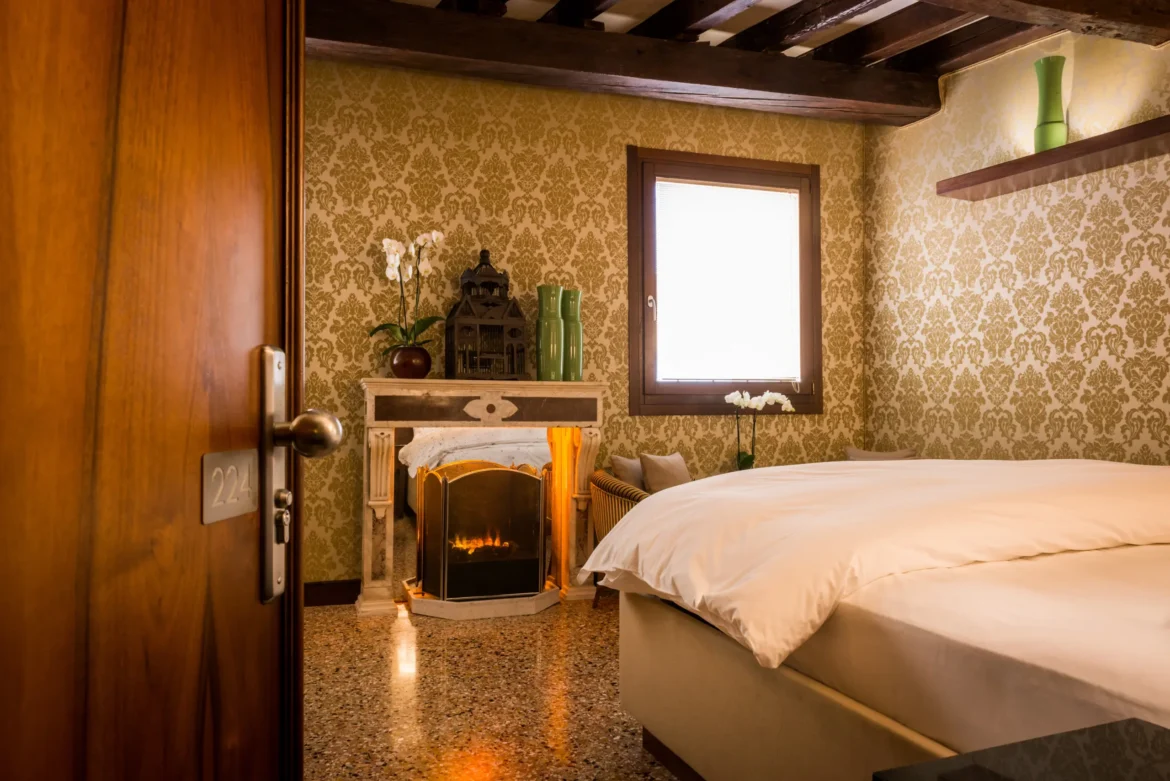
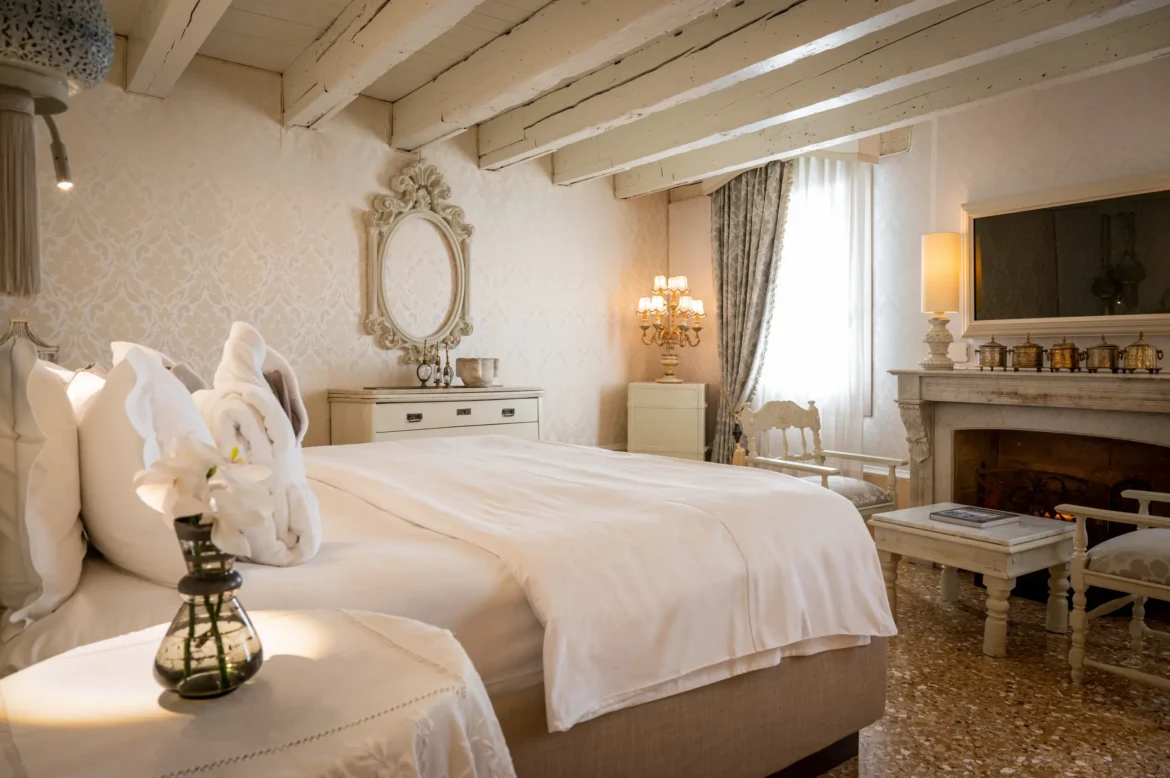
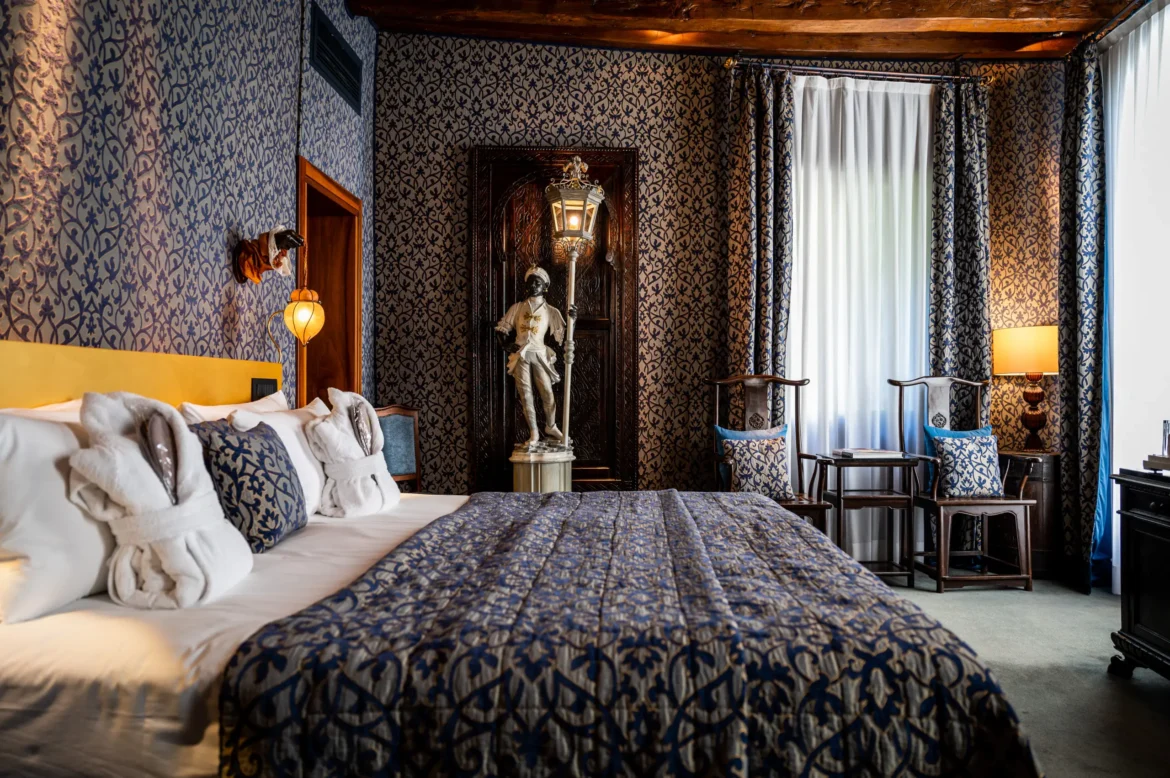
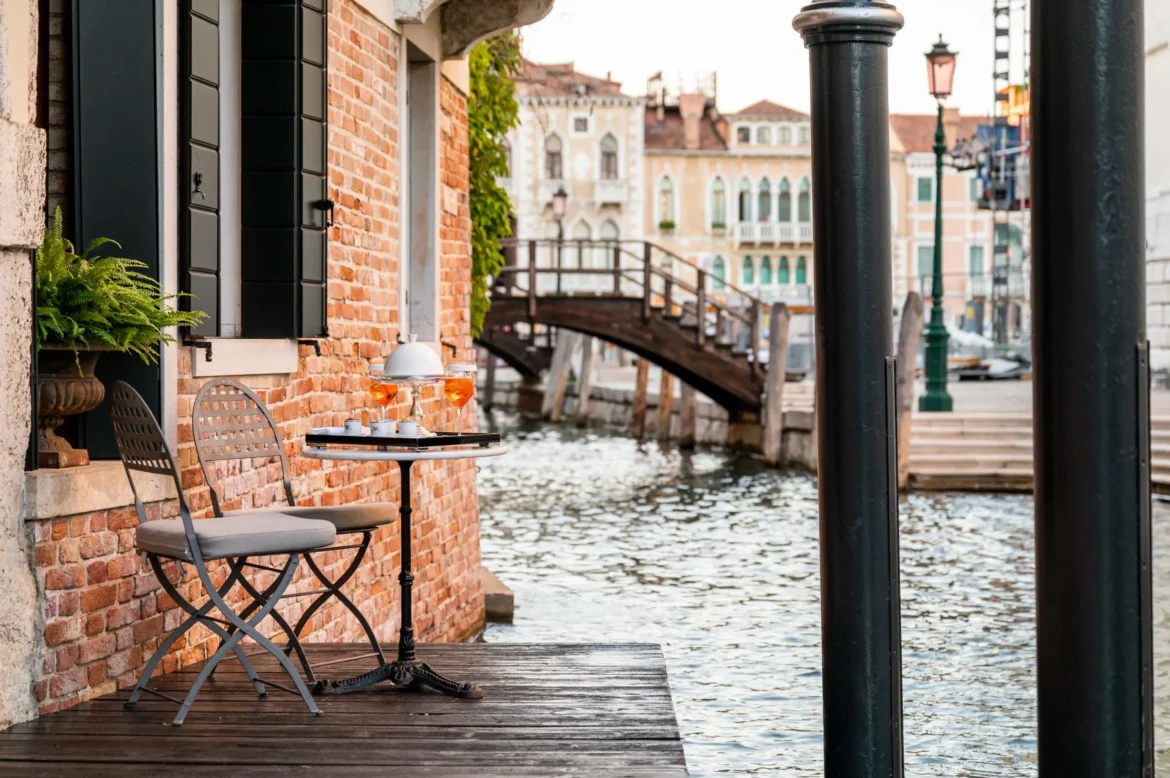
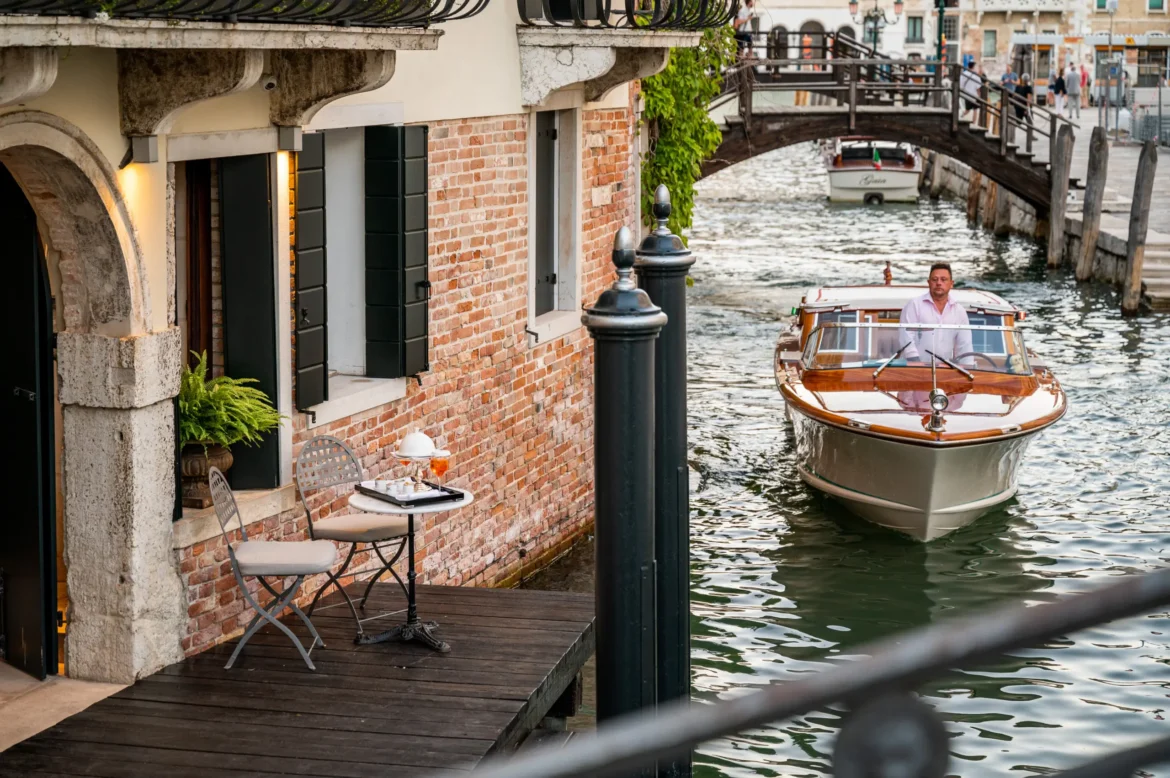
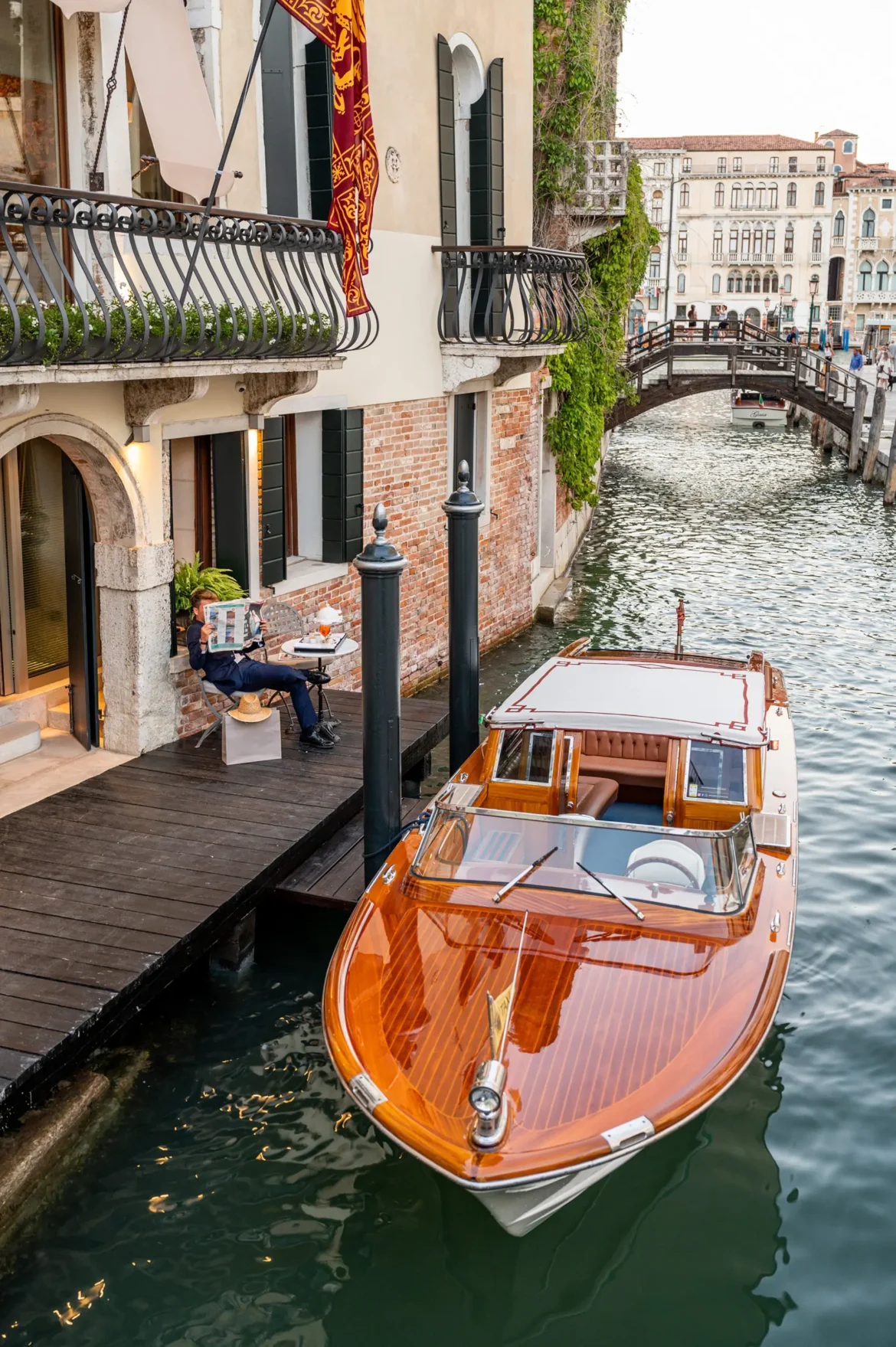
The name of the hotel is deeply rooted in family tradition — “Maria” and “Adele” were part of the owners’ heritage. The property features 12 sumptuous rooms and private suites dedicated to those who celebrate love, where Eastern and Western decorative elements harmoniously merge. The Berber-inspired terrace adds an exotic flair, while a private jetty ensures discreet arrivals by boat. In 2014, Ca Maria Adele was awarded the title of the world’s most romantic boutique hotel.
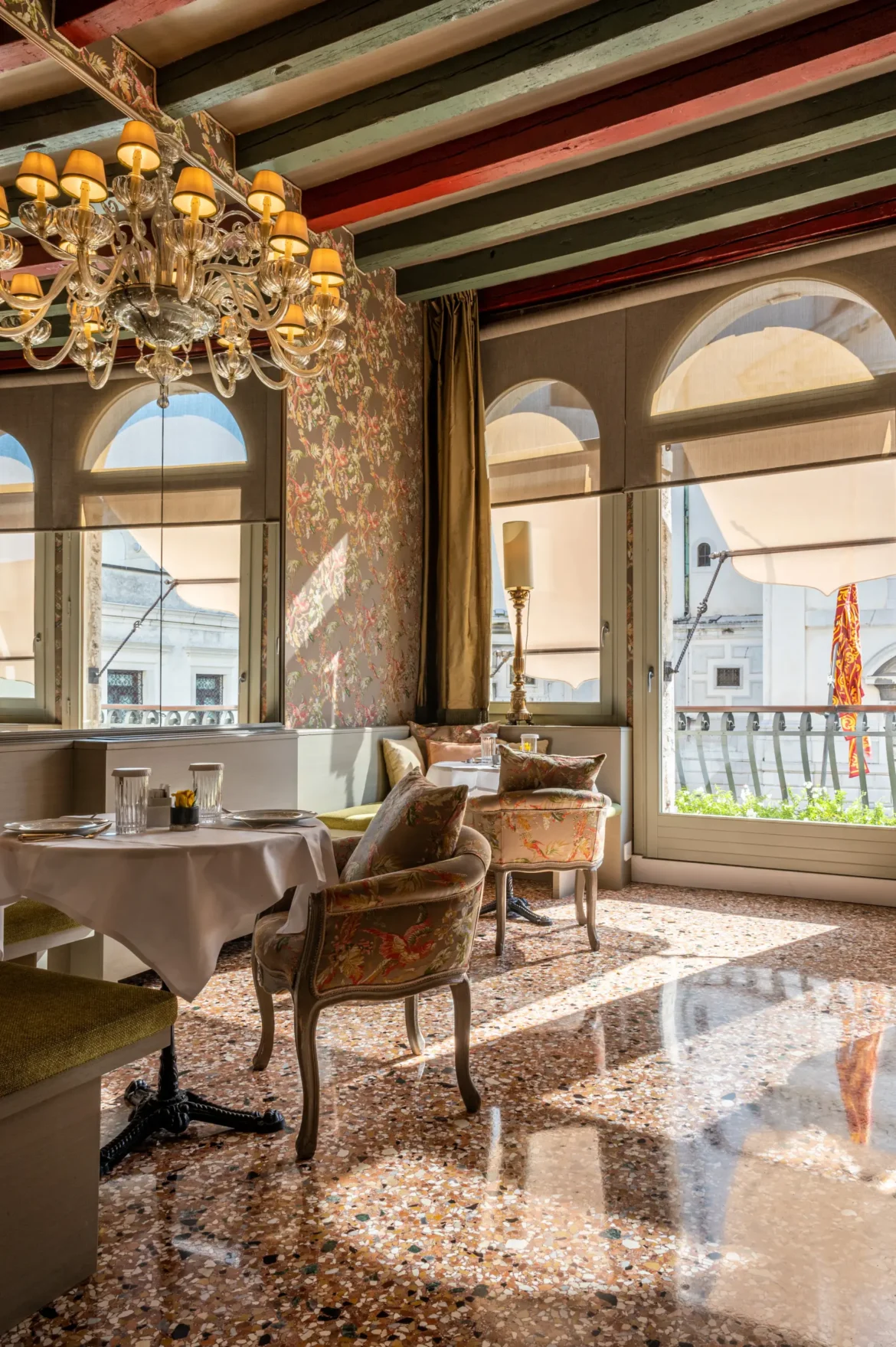
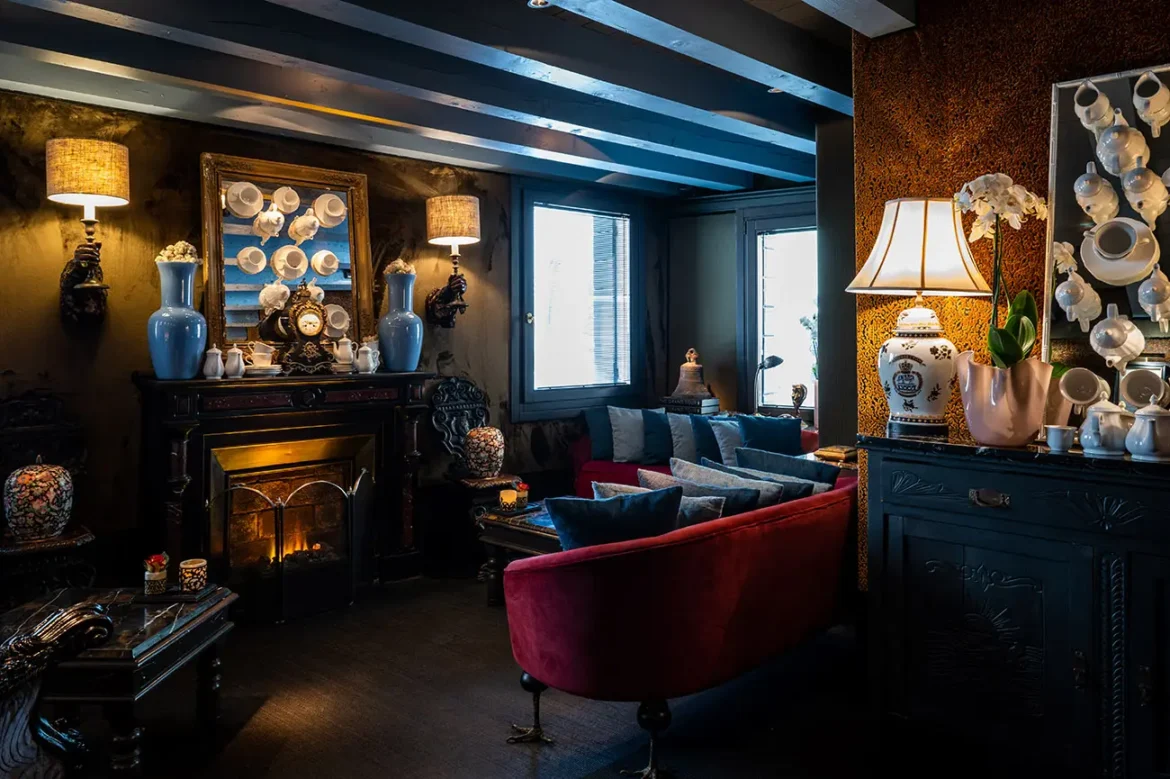
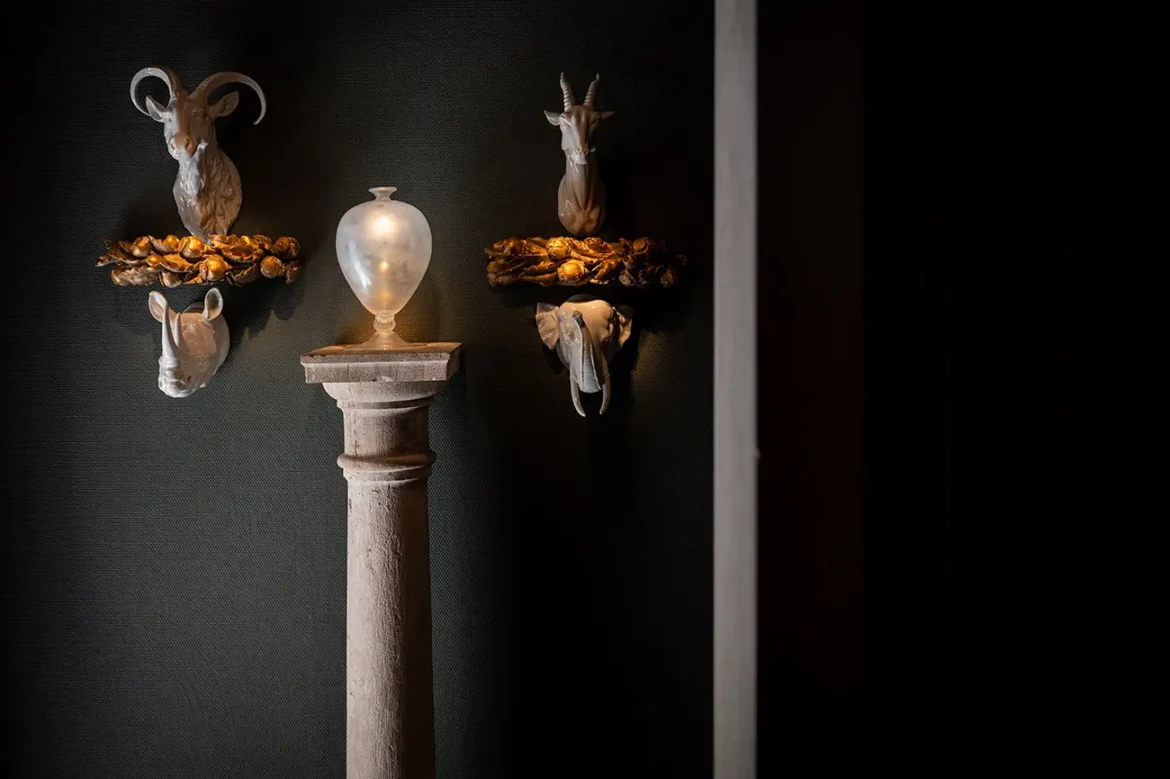
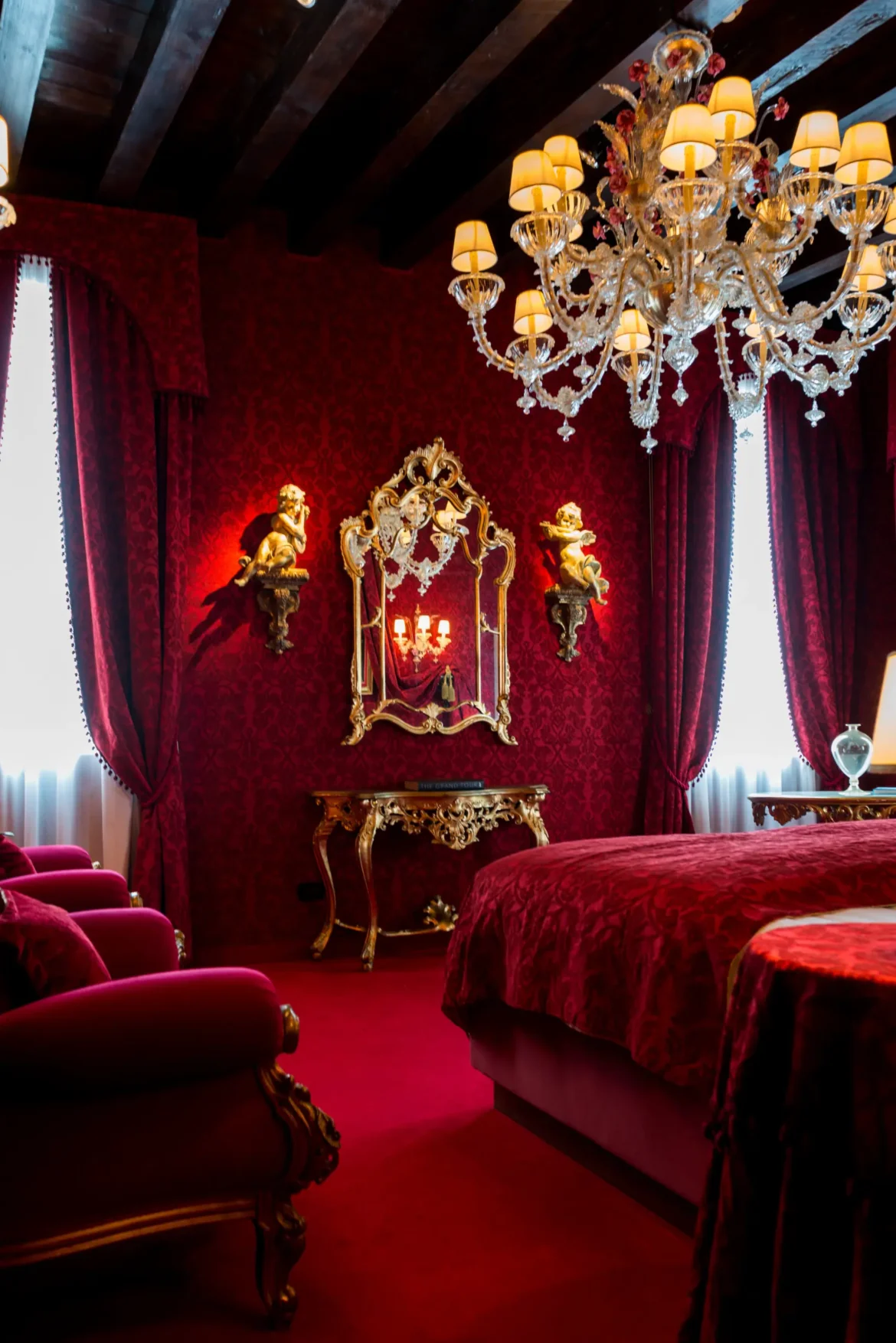
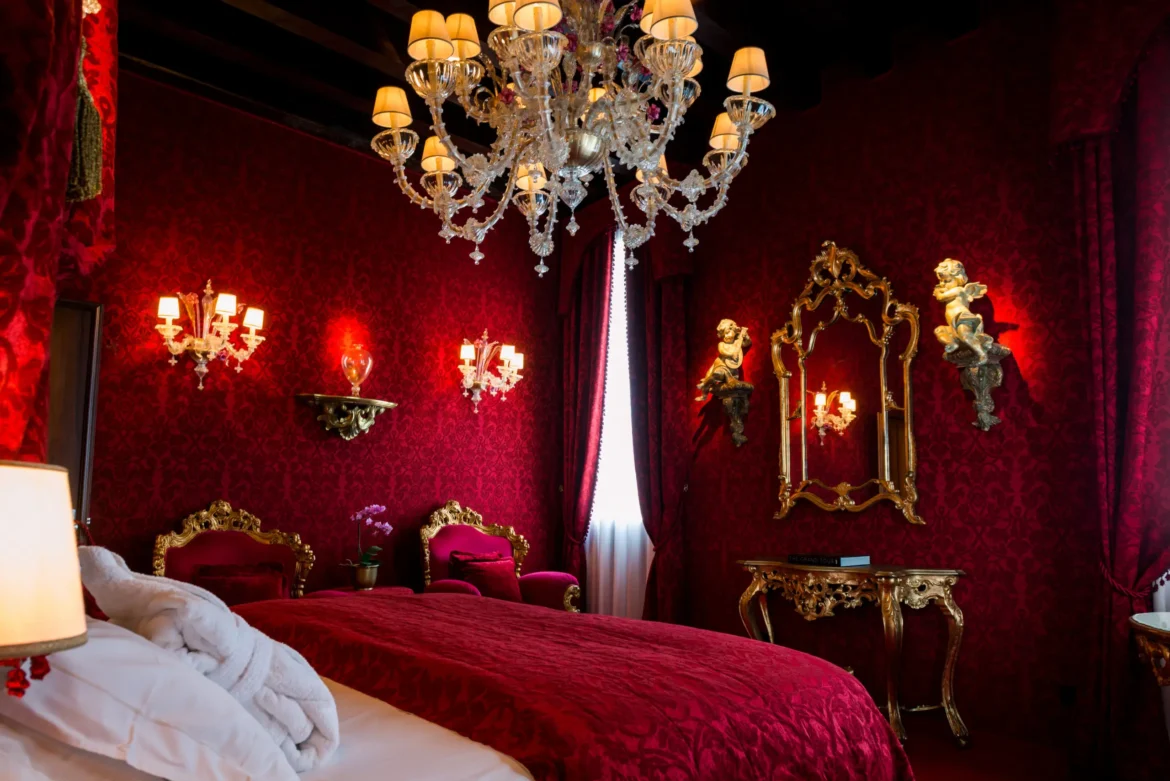
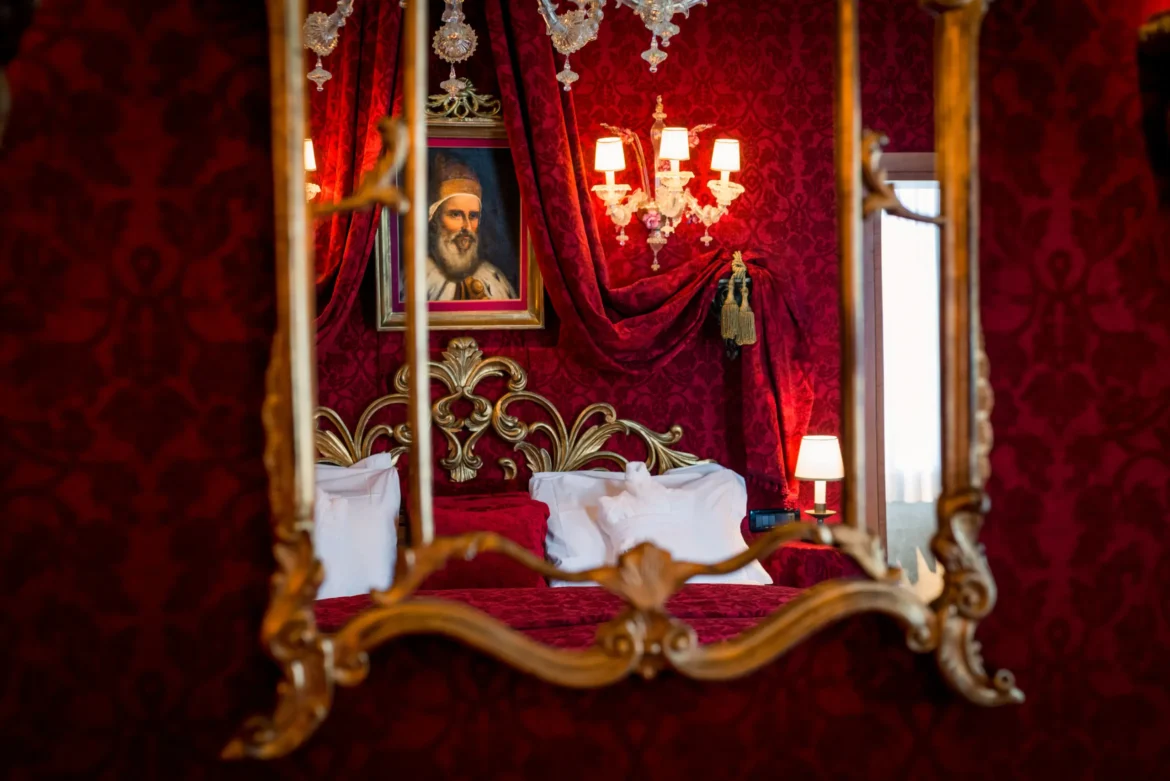
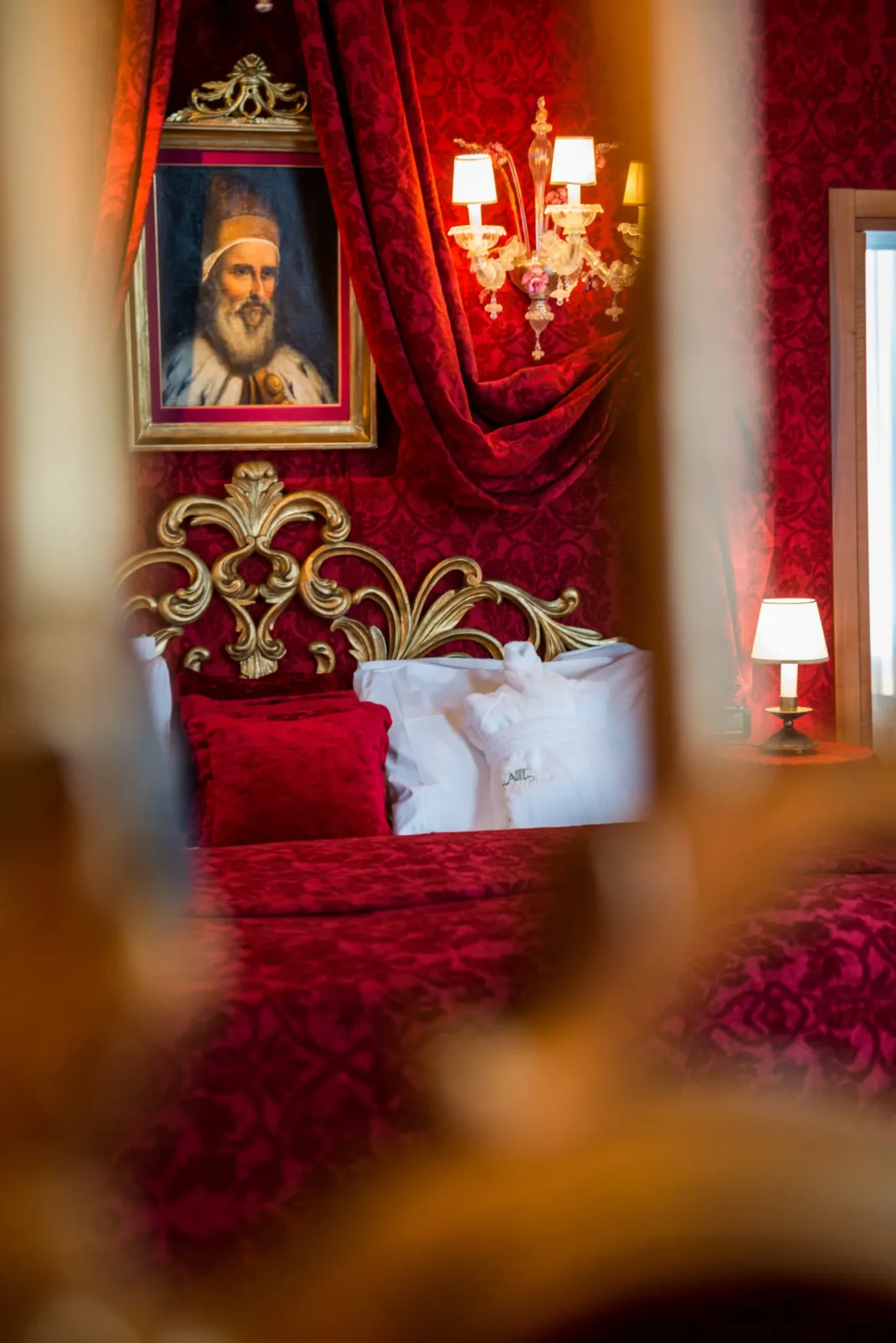
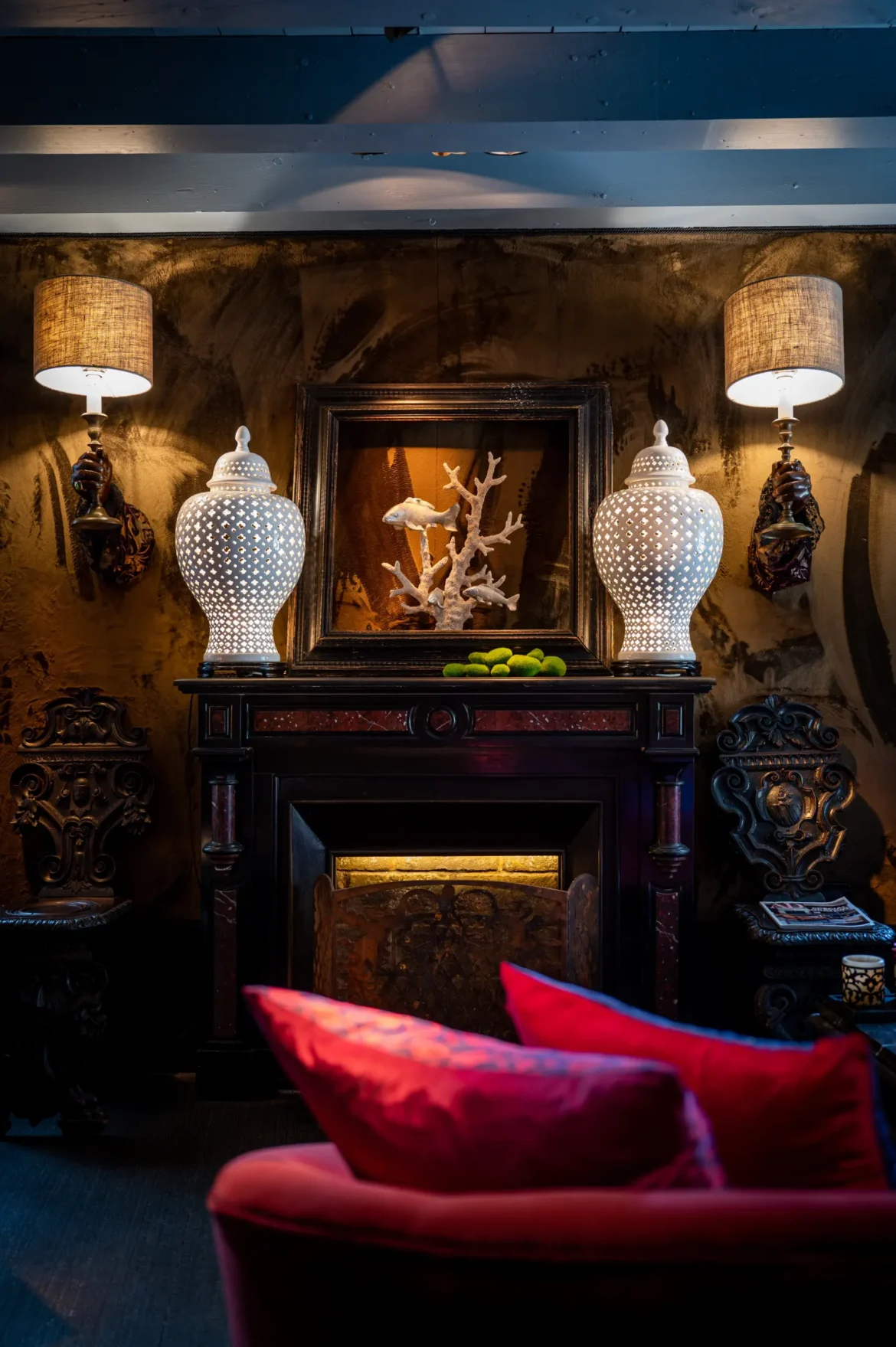
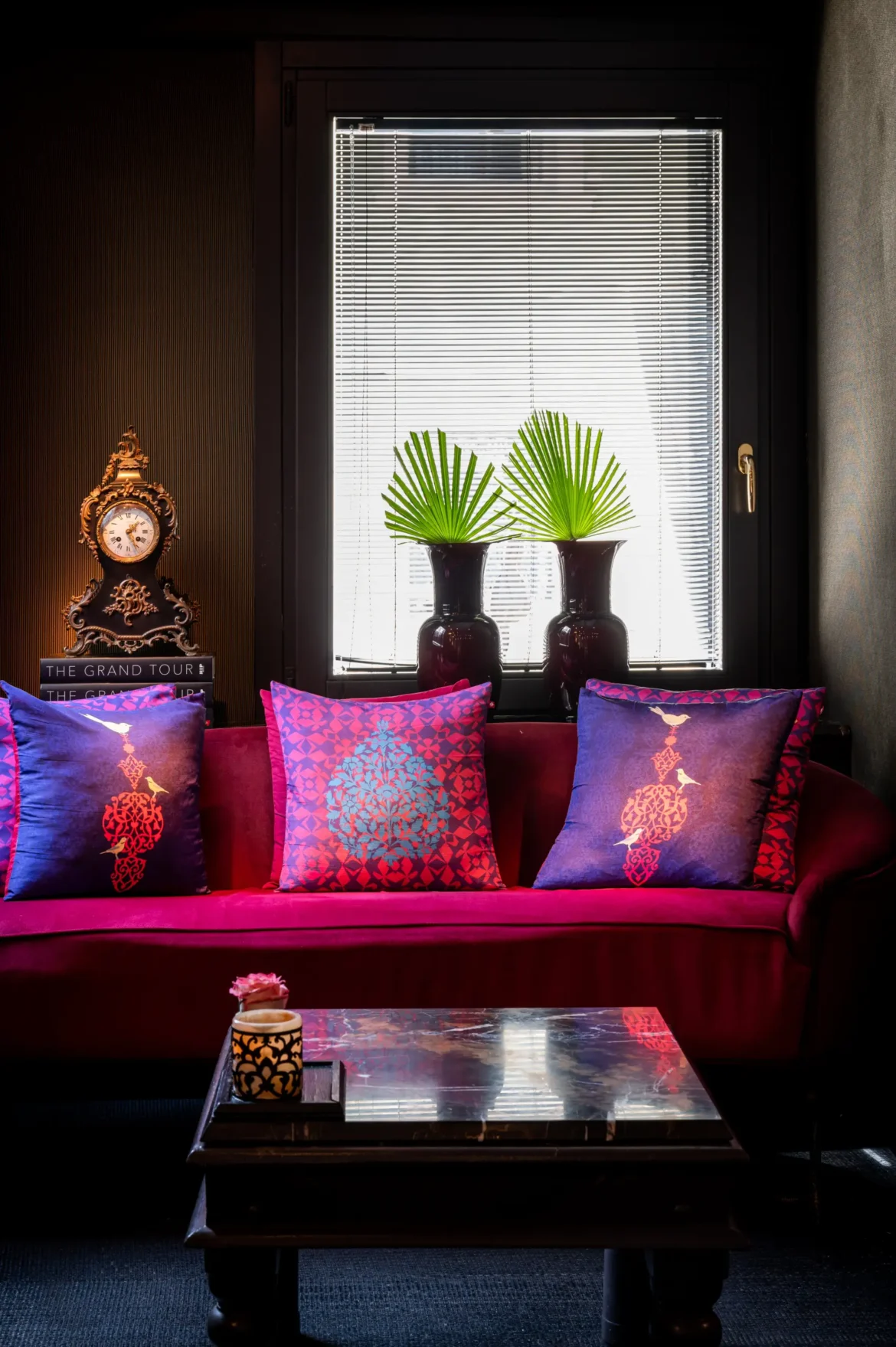
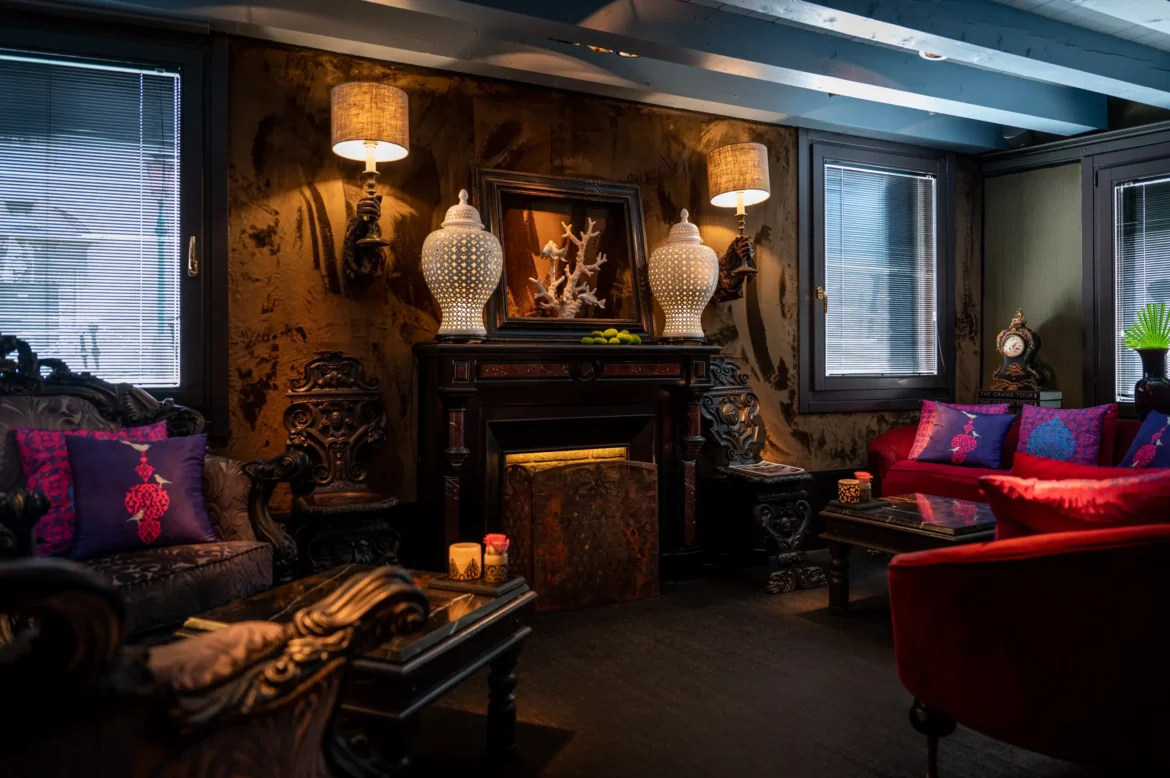
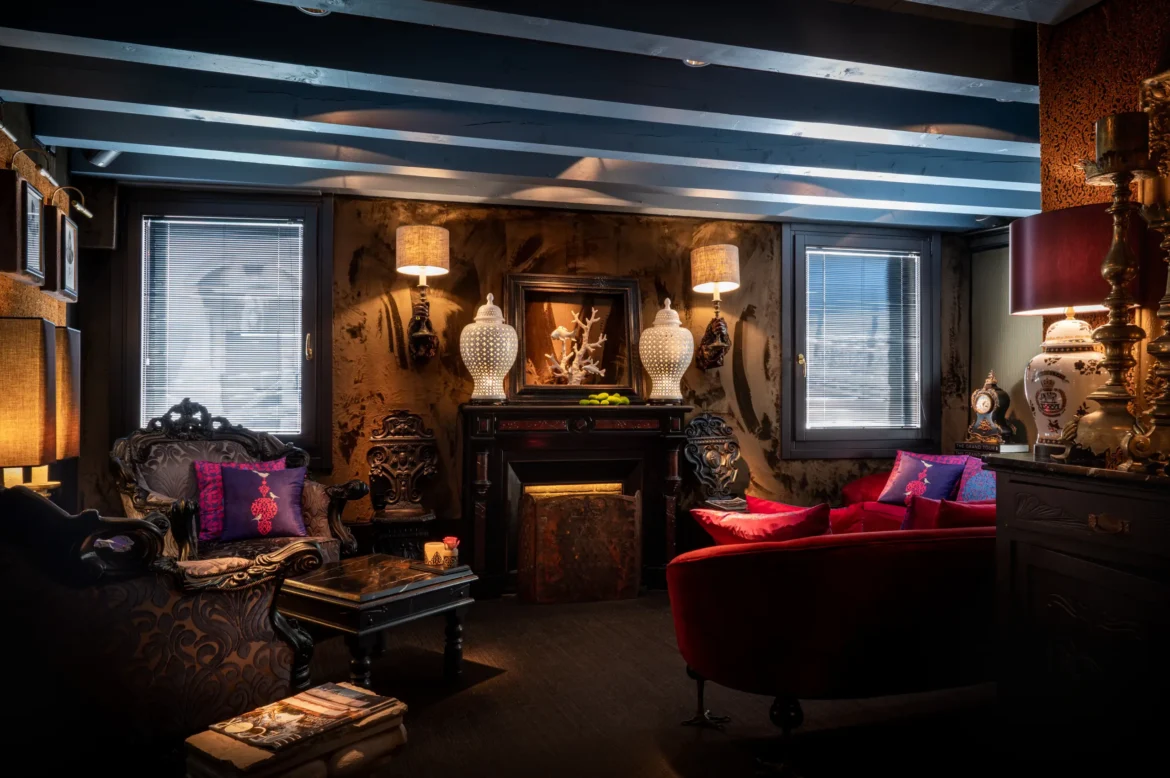
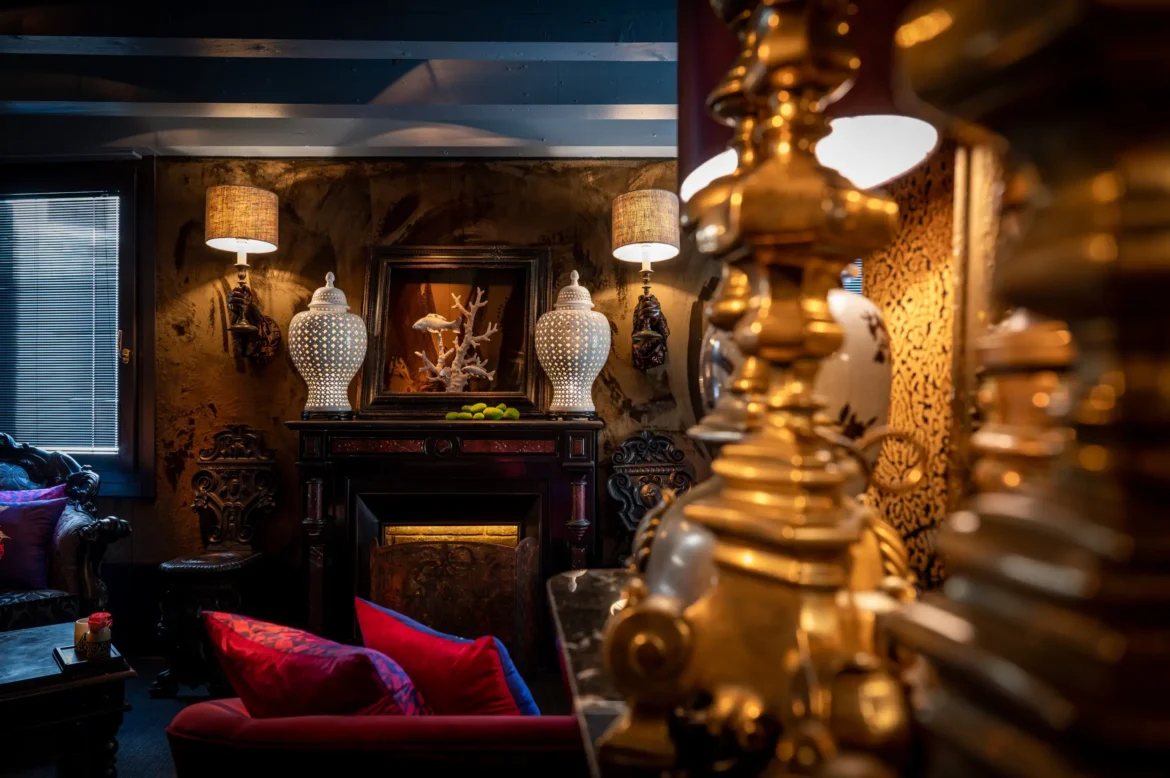
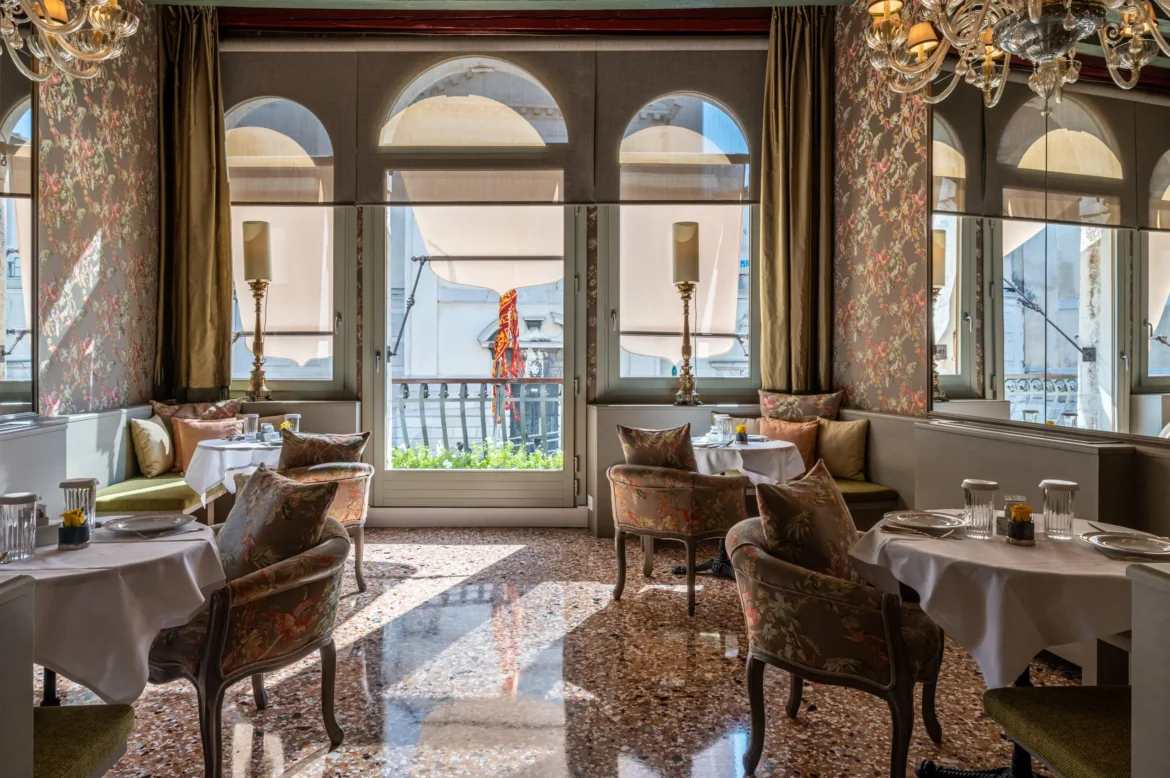
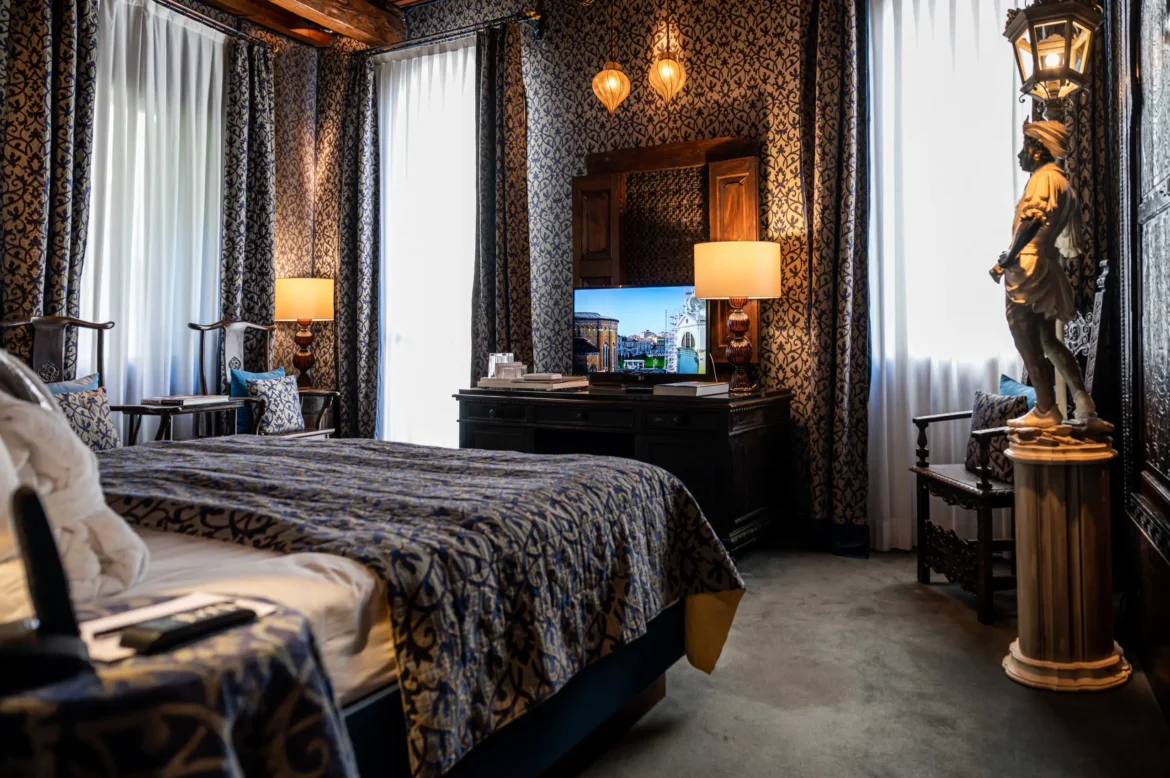
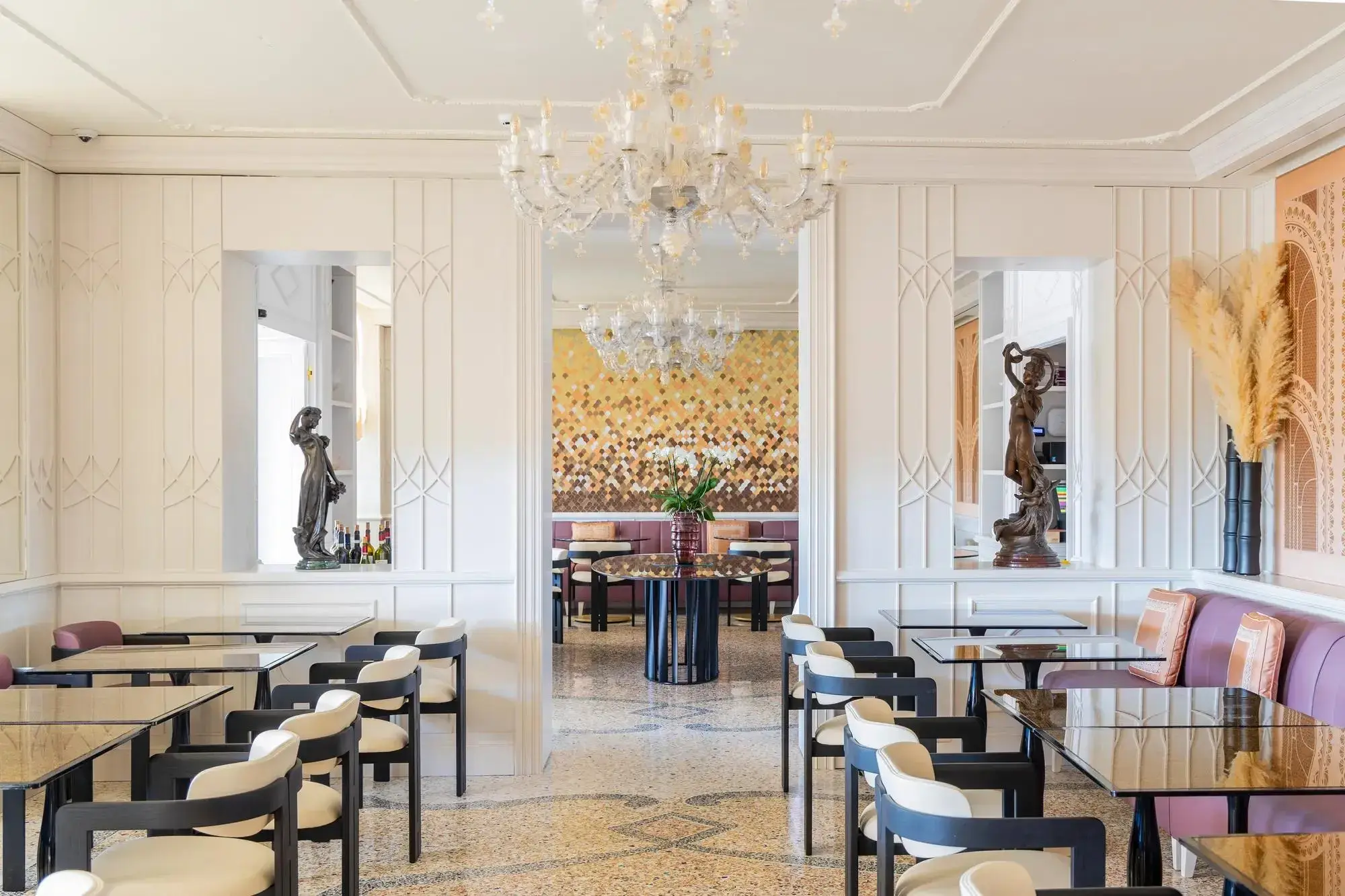
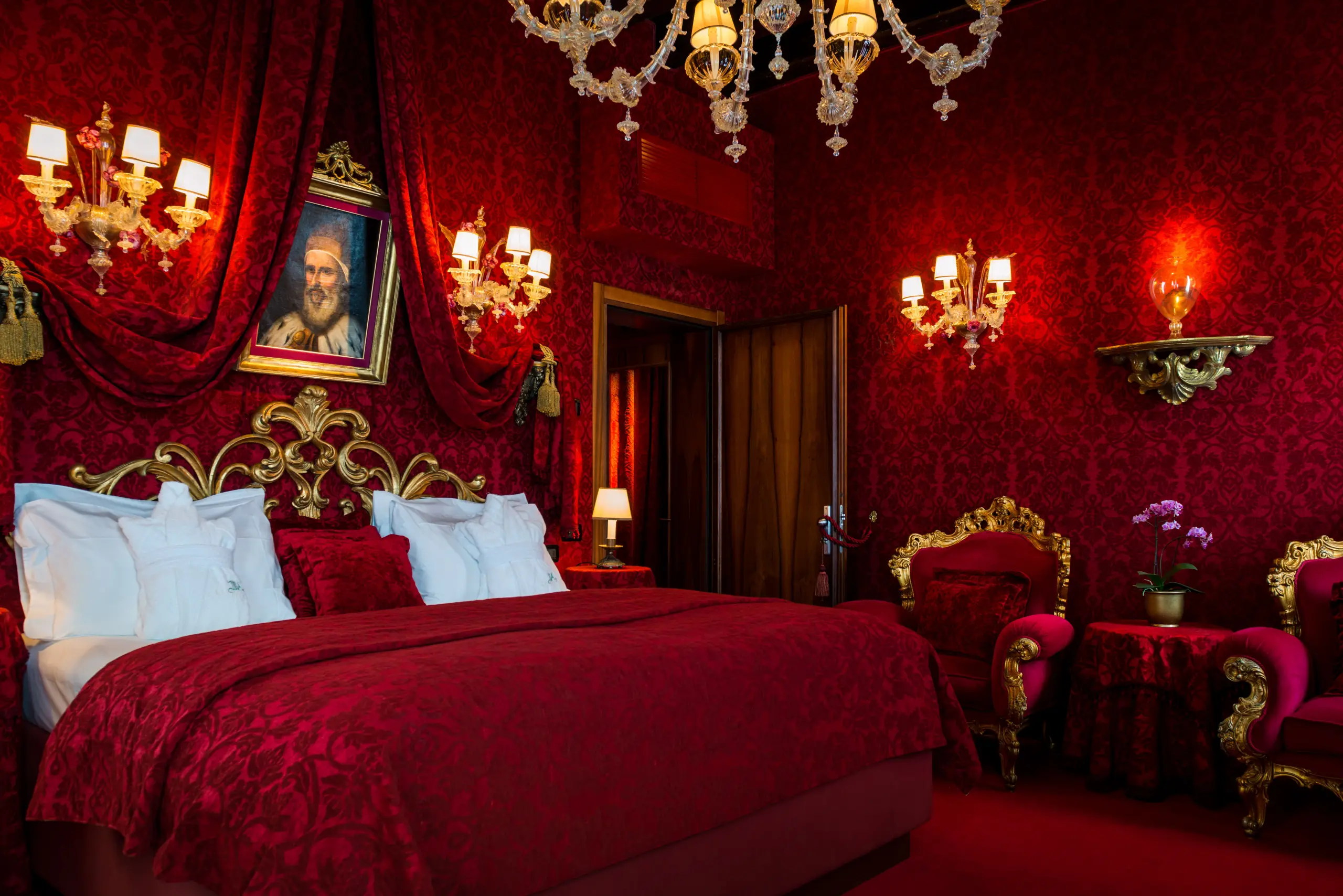
The Campa brothers, both seasoned interior designers with international recognition, infused the hotel with Italian baroque grandeur: spiraled walls, soberly colored floral motifs, and climbing vines set the tone. Furnishings recall timeless elegance, from Louis XV armchairs to ornate headboards, all seamlessly integrated with contemporary artworks, chinoiserie commodes and monumental busts reminiscent of vibrant Andalusian ceramics. Murano chandeliers and opulent lighting installations honor Venice’s artisanal legacy, creating an atmosphere steeped in romance. Seasonal changes in the hotel’s common areas reflect a distinctive project of identity and style.
The Campa Family: Venetian Heritage and Tradition
Alessio and Nicola Campa descend from an illustrious family of Murano glass artisans. Their grandfather created the world’s largest chandelier in 1950 for Belgium’s Knokke Casino — a masterpiece of 2,600 lights and 7,500 kilos of glass and gold. An extraordinary painting of this piece can be admired at Ca Maria Adele, standing as a testament to the family’s artistic lineage.
Choosing a different path from glassmaking, Alessio pursued studies in Hospitality, working with Hilton in London and later at the Grand Hotel di Rimini, beloved by director Federico Fellini and immortalized in his acclaimed film Amarcord. His transition into design came after completing studies at the KLC School of Design in Brighton. Nicola, in turn, studied Accounting at the University of Venice and gained international experience working in hotels across Paris and London.
Campa Venice: A Signature Brand of Interior Design
Today, the brothers helm their own design and interiors brand, Campa Venice, a bold and ambitious project that expands their vision of hospitality. Among their creations is “Barena,” an exclusive fragrance available at the hotel — a sensorial extension of their refined universe.
Alessio & Nicola Campa: Heritage. Design. Hospitality.
CAMPA Venice was born from the creative vision of brothers Alessio and Nicola Campa, heirs to a family tradition deeply rooted in Venetian art and excellence.
Their story is intrinsically linked to Murano and the lagoon city: from their maternal grandfather Luigi Ferro, a master glassmaker who in 1953 created the world’s largest chandelier — a masterpiece of 2,600 lights and 27,000 crystal and gold elements, now housed in the Casino of Knokke-Le Zoute — to the international experiences they gathered between Venice, Milan, and London.
In 2004, they signed their manifesto project: Ca’ Maria Adele, a boutique hotel in Dorsoduro, next to the Basilica of Madonna della Salute. A place that redefined the very idea of Venetian hospitality, it was celebrated by Condé Nast Johansens as one of the most romantic hotels in the world, and made iconic by the famed Sala del Doge, named by Mr & Mrs Smith as one of the most fascinating and sensual rooms on the planet.
Since then, the Campa brothers’ pursuit has expanded into design and interior architecture, with work on historic residences such as Palazzo Volpi Cicogna, once home to Countess Marina Cicogna, a symbolic figure in Italian cinema.
Today, with CAMPA Venice, Alessio and Nicola have founded a brand that is more than a name: it is a style manifesto that blends hospitality, design, and lifestyle, offering a contemporary interpretation of Venice. A brand that celebrates the timeless beauty of the lagoon city and reimagines it through a language of elegance, innovation, and attention to detail.
CAMPA Venice is Venice that inspires.Venice that welcomes.Venice that lives.
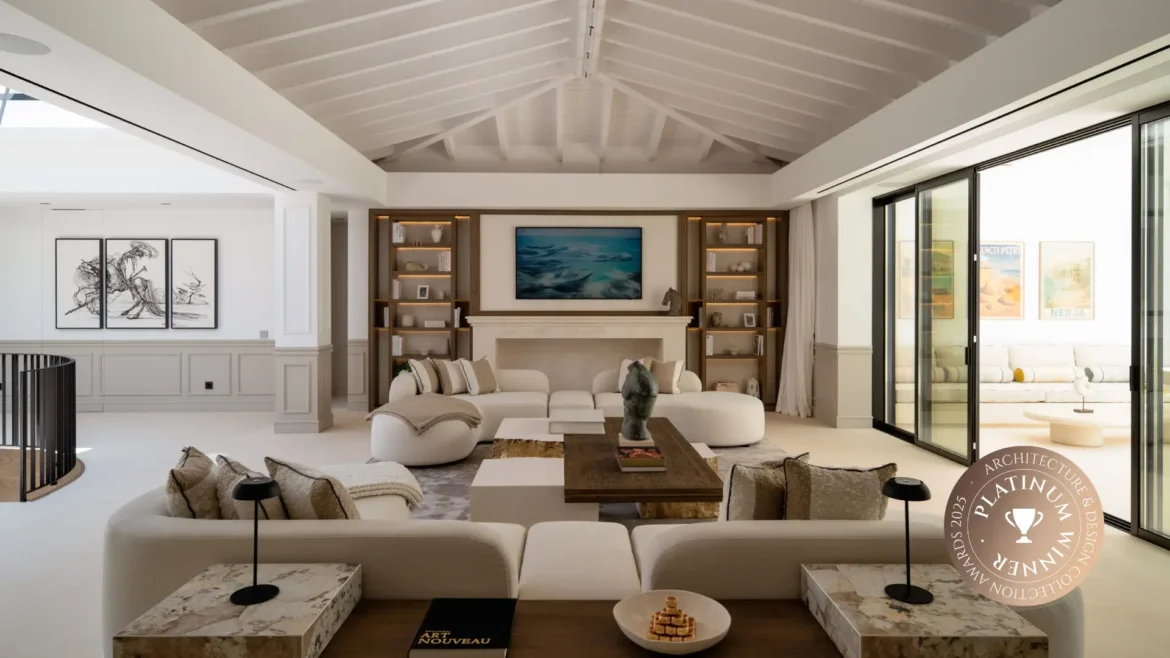
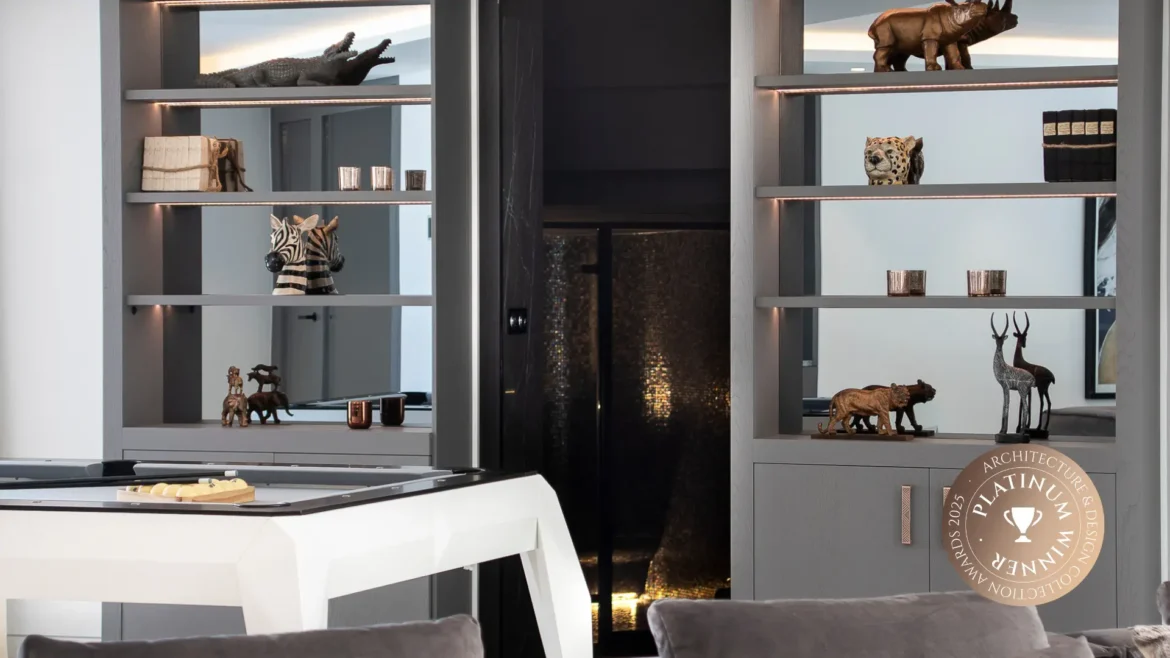
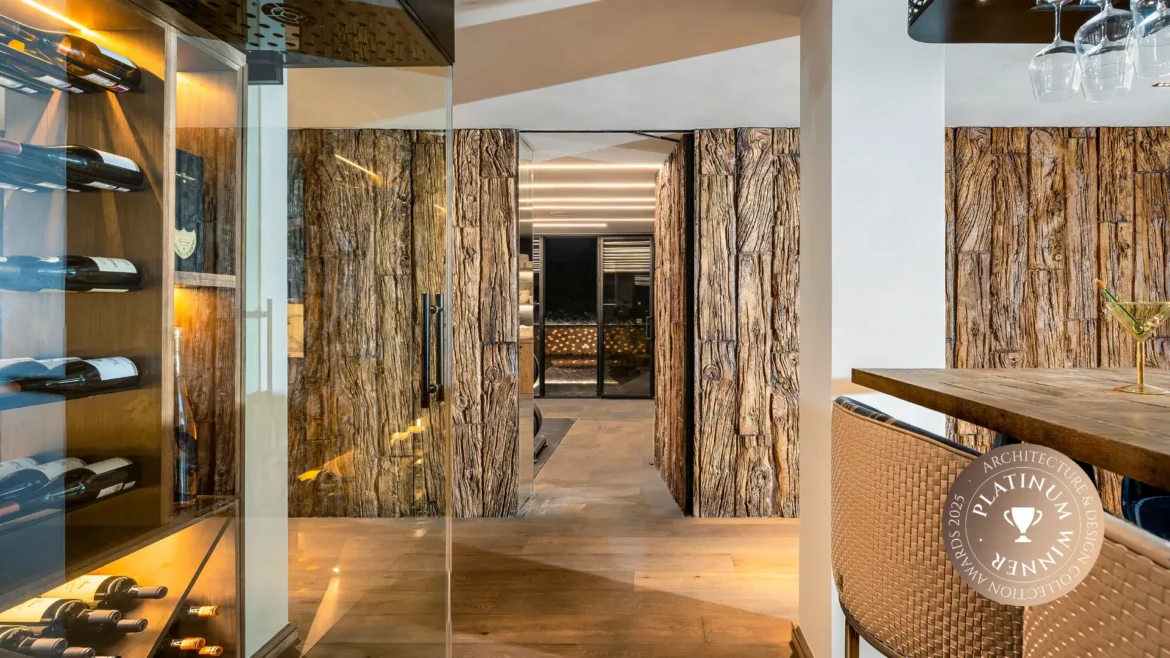
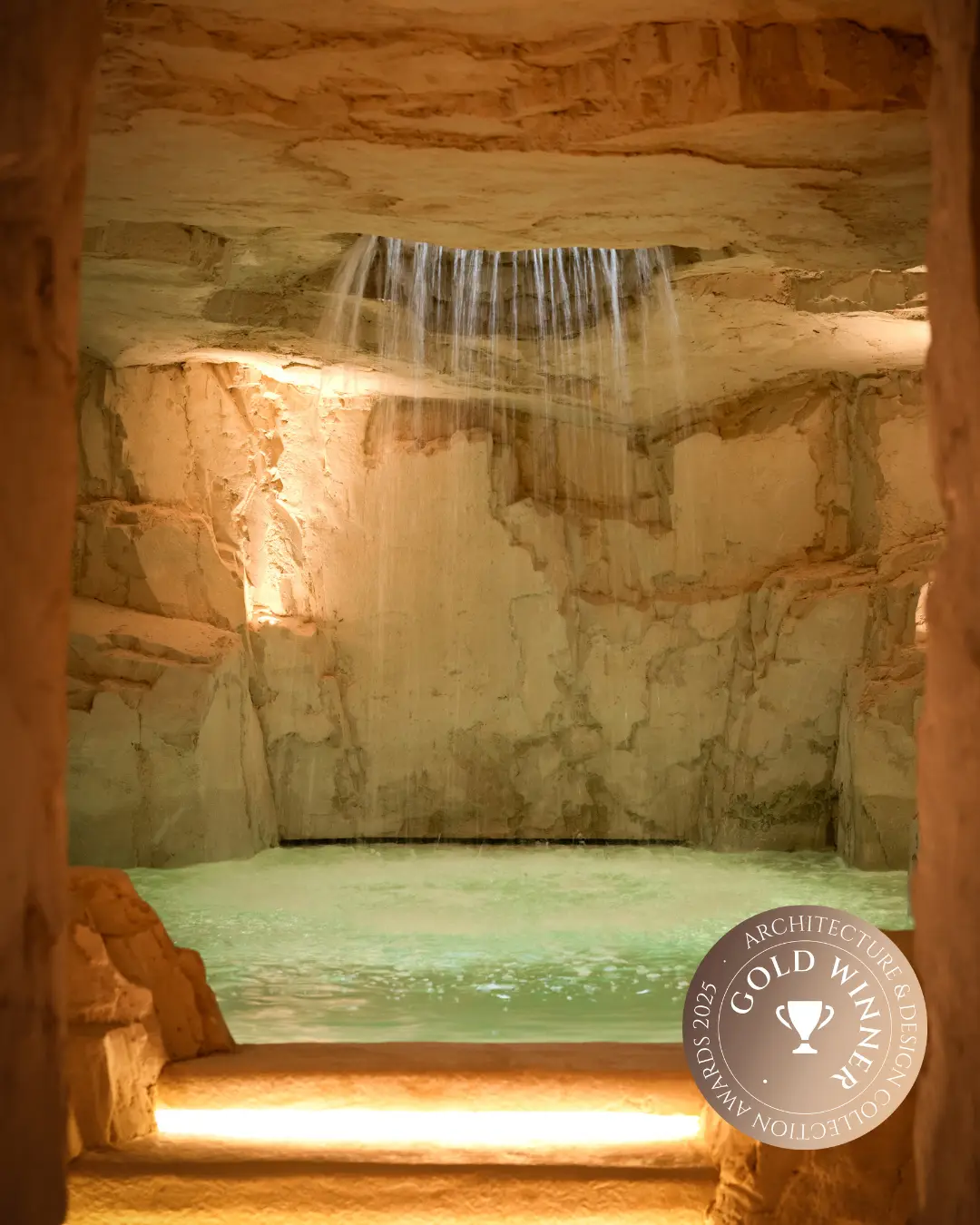
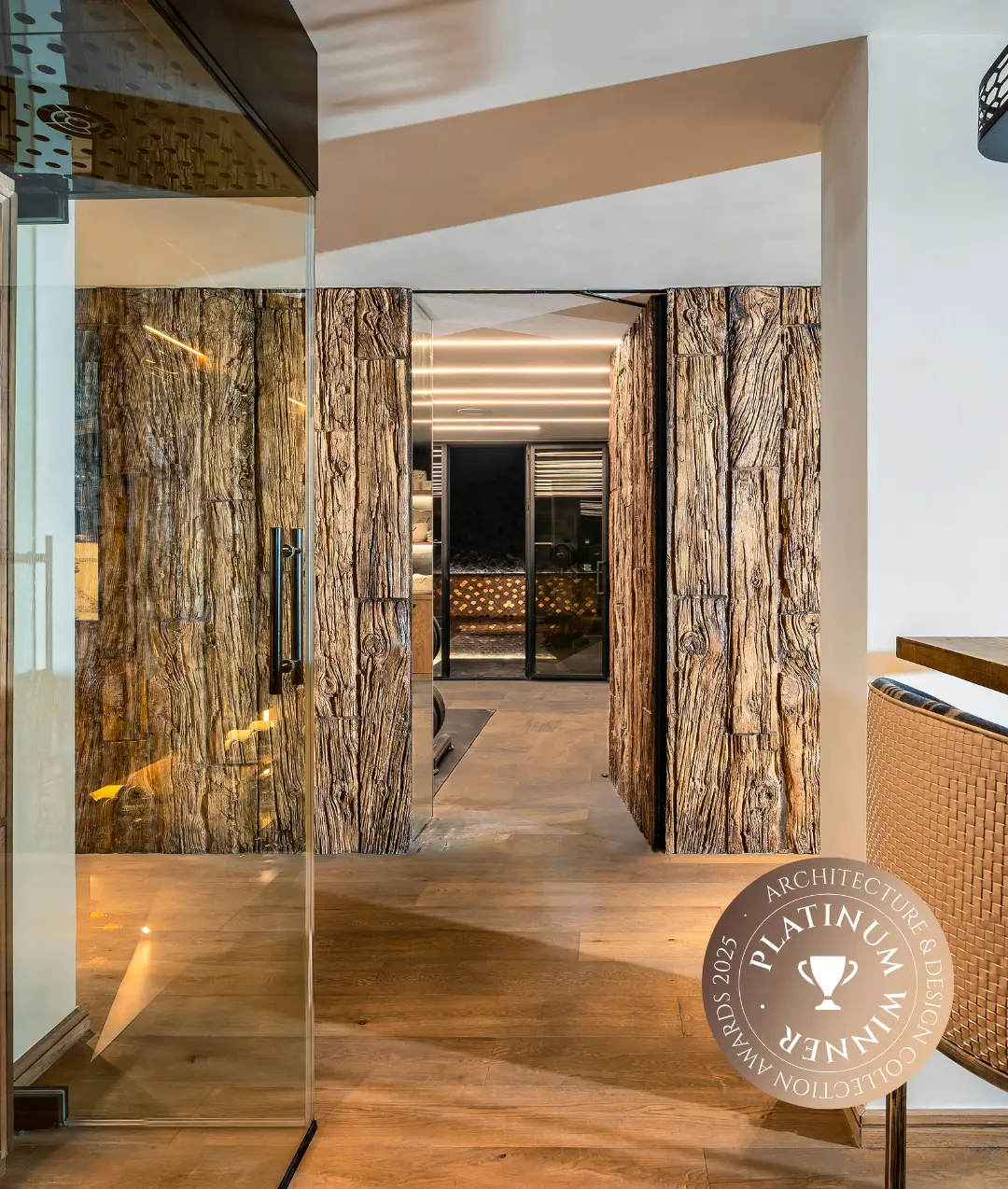
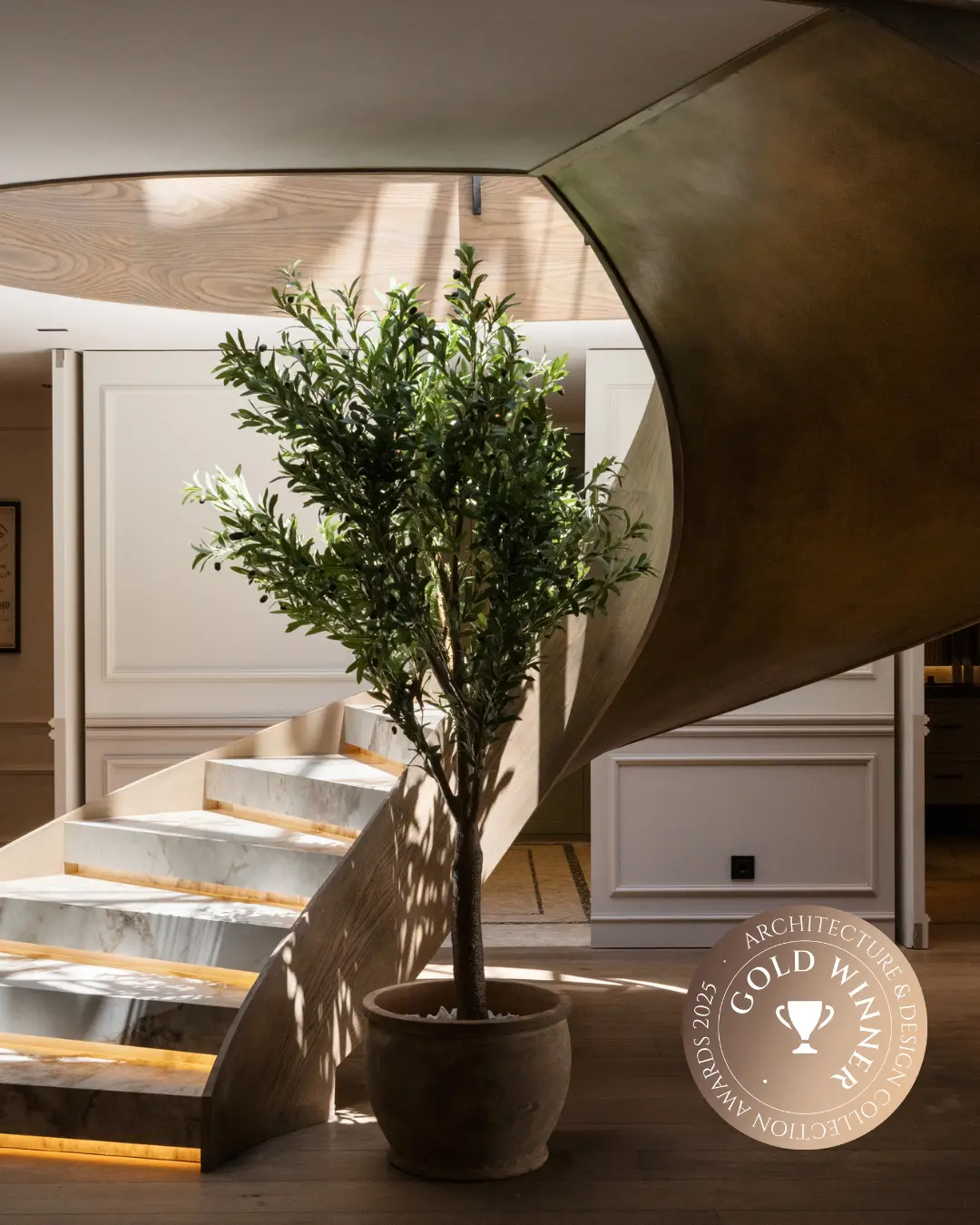
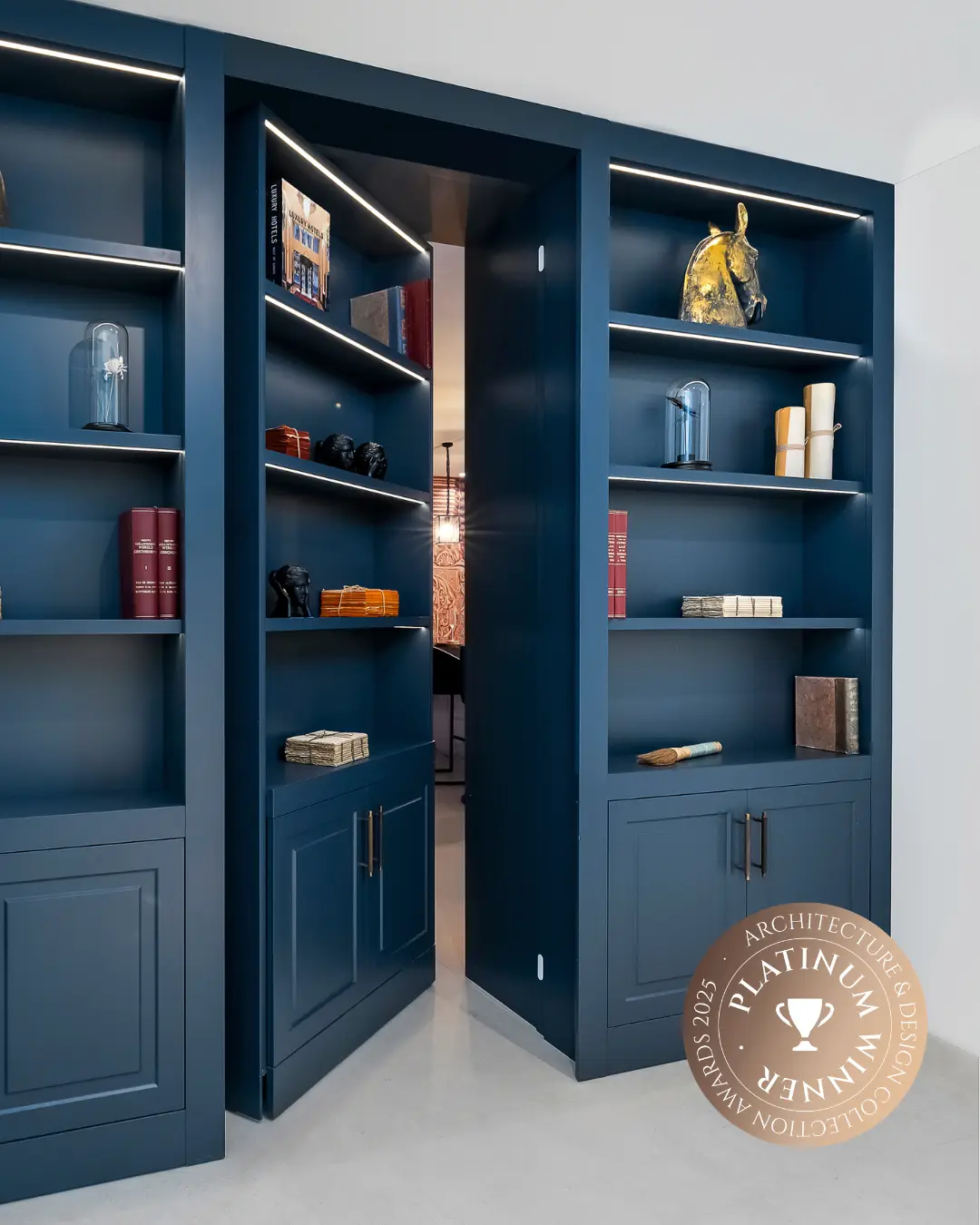
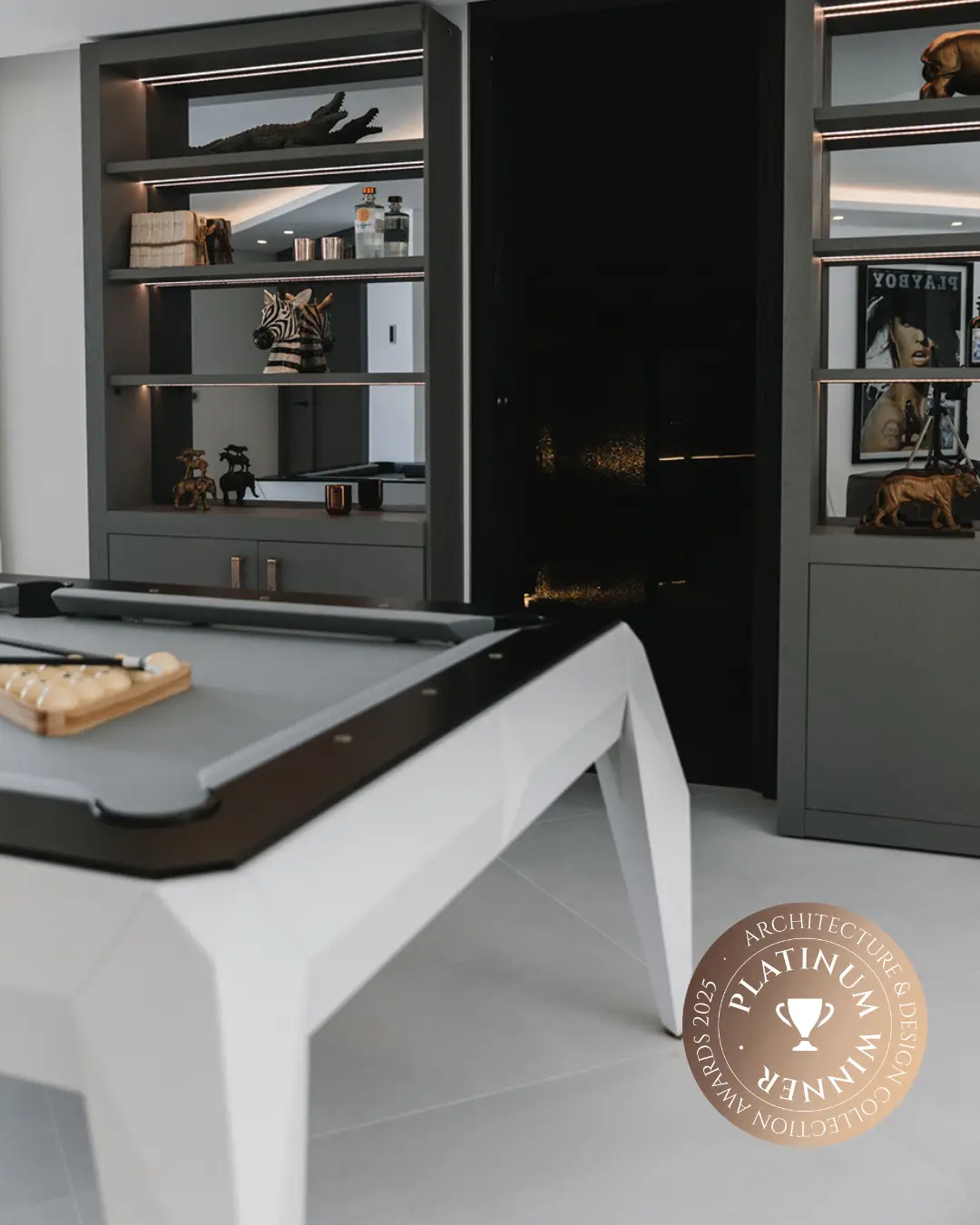
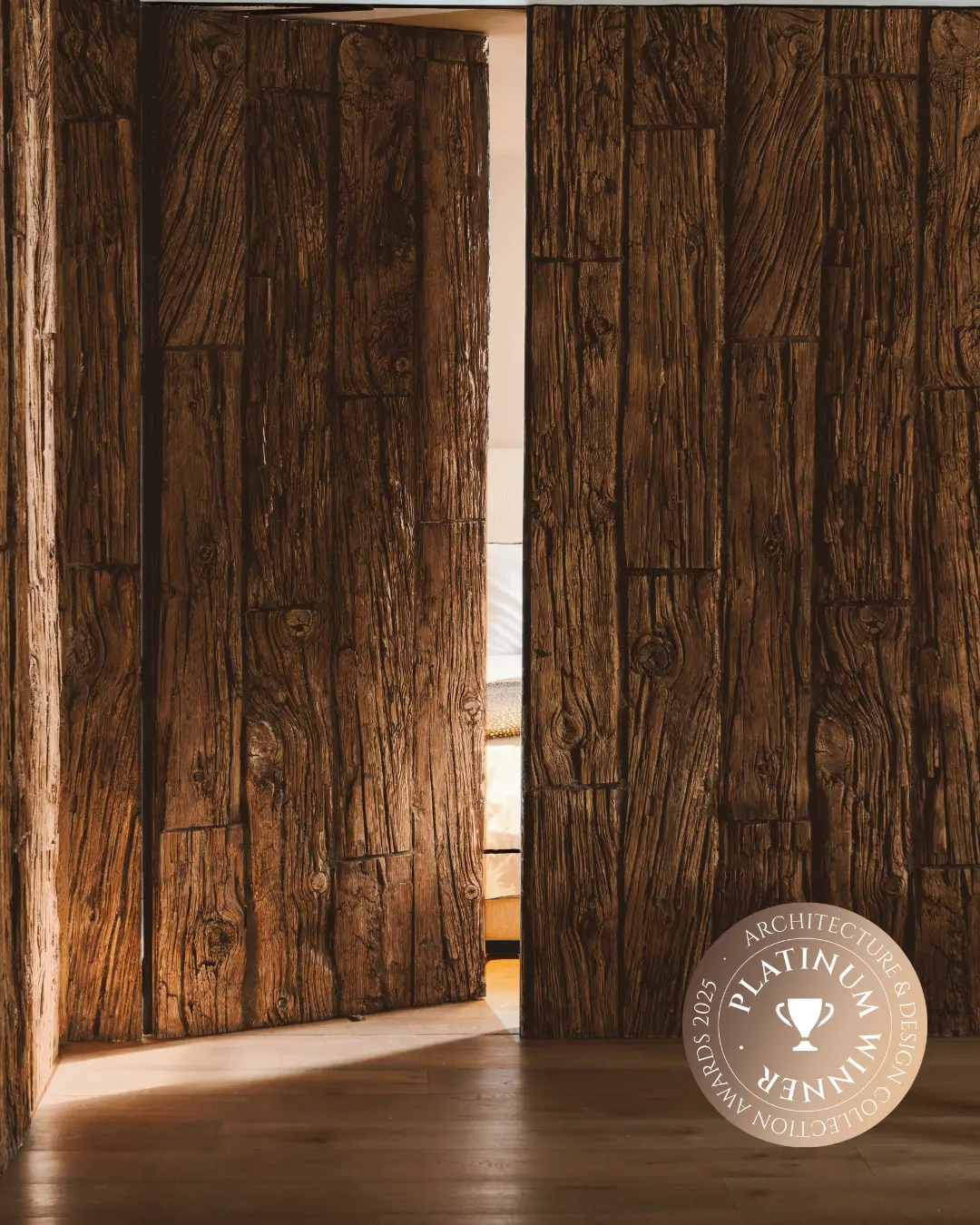
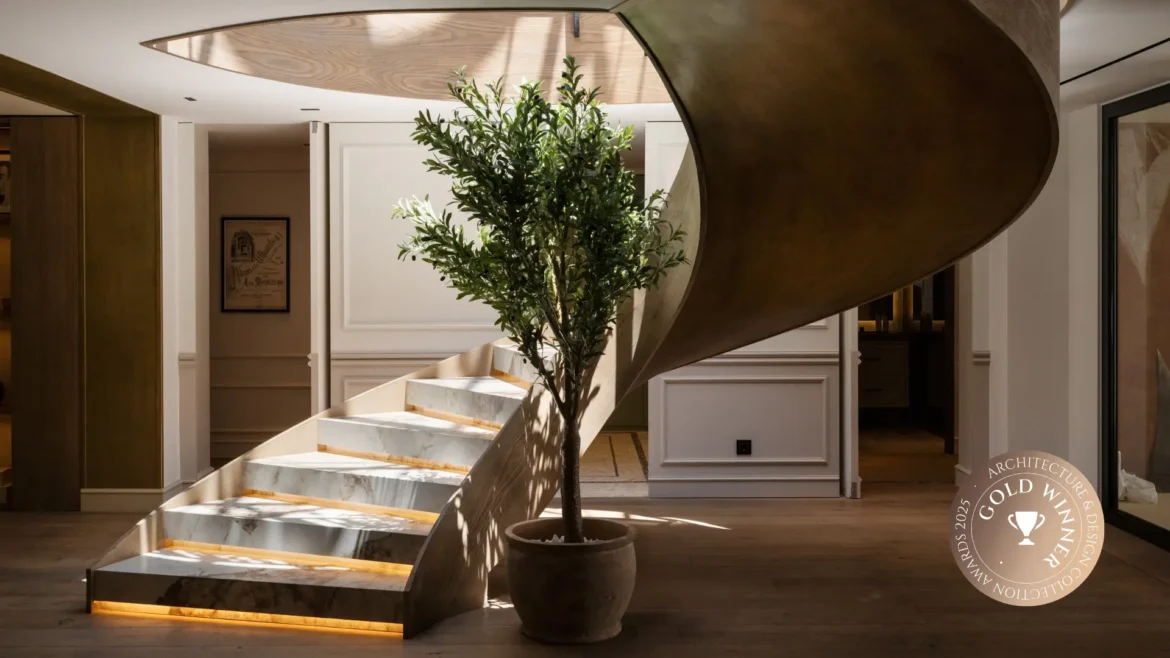
OMEO Design has been honoured at the Architecture & Design Collection Awards 2025, taking home an impressive nine awards — including five Platinum, three Gold, and one Silver.
The studio’s visionary work was recognised across two standout projects: Casa Cenote, celebrated for its refined residential design and bespoke furniture and décor, and Secret Spaces, a concept exploring the art of hidden rooms and concealed doors.
This achievement celebrates OMEO Design’s reputation for blending creativity, craftsmanship, and unexpected elements in every design.
Newer Posts

Alessio & Nicola Campa: Heritage. Design. Hospitality.