
Home Breaking NewsInterview with Carmen Sánchez, president of “Despertar sin Violencia”

Interview with Carmen Sánchez, president of “Despertar sin Violencia”

by ANA PAVÓN
0 comments 104 views
ELM - Entrevista a Carmen Sánchez

In a society that increasingly talks about equality and rights, violence continues to find cracks through which to seep: in the home, in relationships, in the silences that often carry more weight than words. In the face of this reality, organisations are emerging that not only speak out, but also offer support, listen and help rebuild lives. One such organisation is “Despertar sin Violencia”, an organisation committed to prevention, emotional education and support for those who have suffered various forms of violence.

At the helm of this organisation is Carmen Sánchez, president and activist who has dedicated years to working with victims and fostering spaces for social reflection. Her approach combines human warmth, psychological analysis and a clear stance: violence is not combated solely through laws, but also through education, awareness and collective responsibility.

In this conversation, Carmen Sánchez reflects on the roots of violence, the challenges society still faces and the importance of providing emotional education to the younger generations. An interview that invites us not only to listen, but also to question ourselves as individuals and as a community.

The chair of the Despertar sin Violencia association calls for an end to ideological polarisation and for the issue to be addressed from a broader perspective: emotional education, prevention and protection for all victims.

ELM - Entrevista a Carmen Sánchez
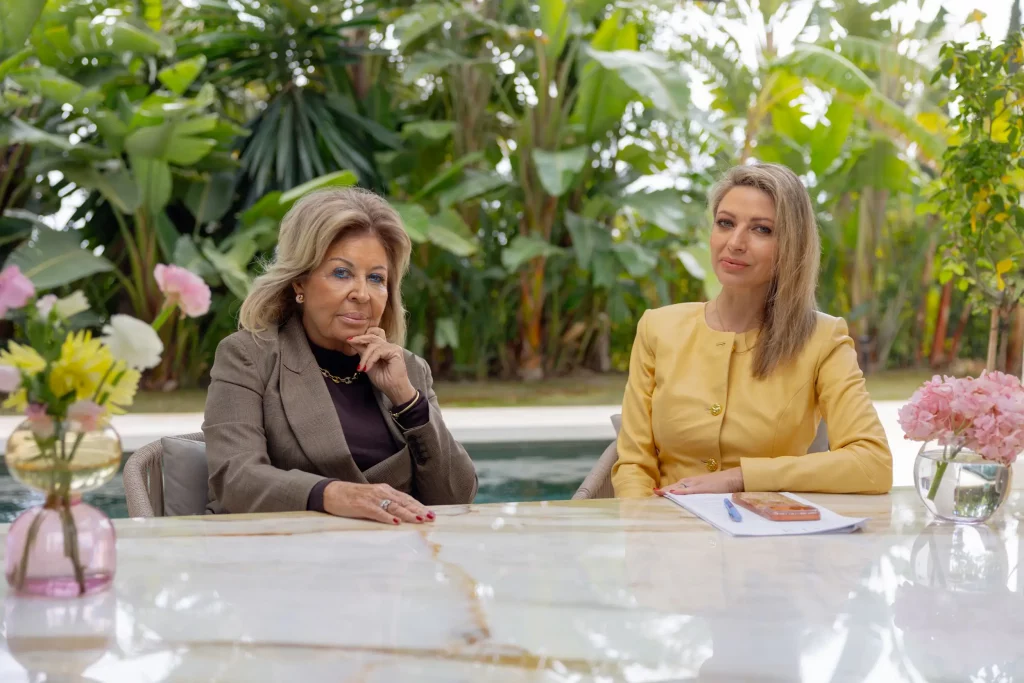
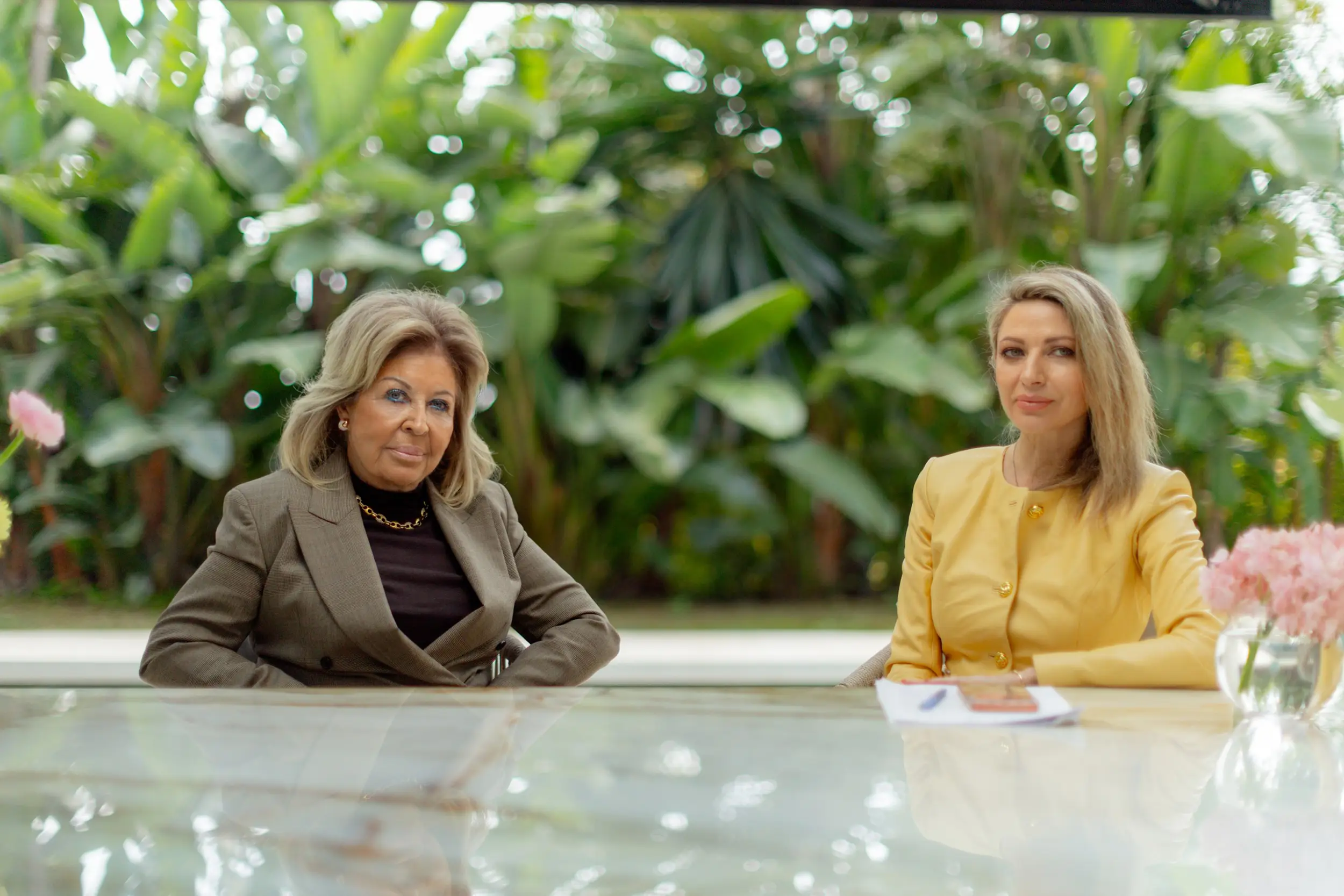
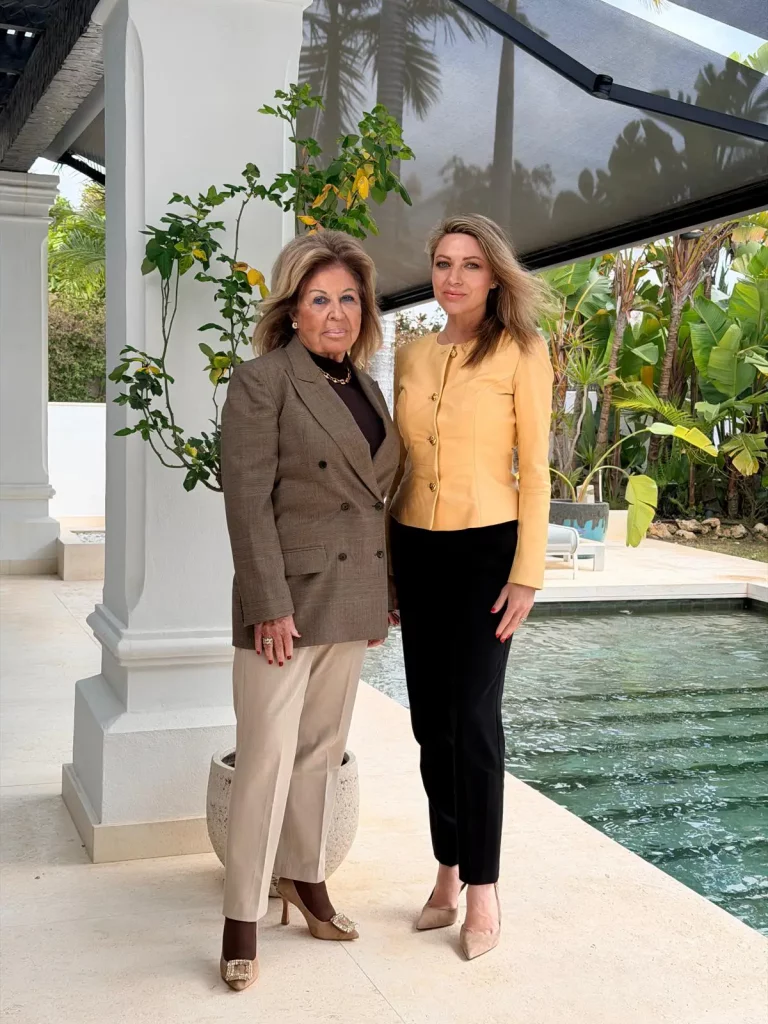
Carmen Sánchez and Ana Pavón

In recent years, the public debate on violence in relationships has intensified and, at the same time, become polarised. Terms such as ‘male chauvinist violence’ or ‘gender-based violence’ dominate political and media discourse, whilst other realities remain less visible: men who suffer psychological or physical abuse, children growing up in environments of constant conflict, or family dynamics where violence takes many forms.

For Carmen Sánchez, the problem cannot be reduced to a single narrative. Drawing on her experience supporting victims and working in prevention, she argues that violence within the family is a complex phenomenon that demands a broader, less ideological perspective, one that is more focused on emotional education and the protection of all vulnerable people.

“When the debate turns into a battle of labels, we run the risk of rendering some of the victims invisible,” she says. For Sánchez, acknowledging that historically many women have suffered violence should not prevent us from seeing other realities: men who do not report incidents for fear of stigma, children who internalise violence as a model for relationships, or couples trapped in destructive dynamics that rarely make the headlines.

From this perspective, she insists that society needs to move towards a less polarised and more humane approach. “Violence should not be a matter of sides. It is a social problem that affects entire families,” she argues.

Video and photos by

ELM - Entrevista a Carmen Sánchez

FULL INTERVIEW

Question: Carmen, the name of the association itself sends a powerful message: ‘Wake Up Without Violence’. What do we need to wake up to as a society?

Carmen Sánchez: From many things. Society has changed enormously in recent years, but it still needs to become truly aware of the problem. I think we are using terms that generate more confrontation than solutions. Hatred is being fostered instead of understanding the root causes of violence. We need to wake up to a broader, more humane perspective that allows for healing rather than division.

Question: Sometimes society reacts with outrage to cases of violence, but that reaction is often fleeting. Is there a certain social hypocrisy?

Carmen Sánchez: Yes, quite a lot. When someone experiences a situation of violence, they are often judged without understanding. People ask why they don’t leave, why they put up with it… but they don’t understand that there is an emotional, financial or psychological bond that makes it very difficult to break. There is a lack of empathy and real understanding of what is happening.

Question: From an educational perspective, what are we doing wrong?

Carmen Sánchez: The education system is falling short. Although education is the family’s responsibility, schools must get much more involved. It is essential to have psychologists involved from an early age, to identify problems and work on them. We cannot act once the problem has already taken root.

ELM - Entrevista a Carmen Sánchez

Question: Are we teaching young people to manage emotions such as jealousy or frustration?

Carmen Sánchez: No. Those emotions stem from deep-seated insecurities that originate in childhood. If they are not addressed, they can lead to toxic or even violent behaviour. We need to teach young people to understand themselves, to love themselves and to manage their emotions from an early age.

Question: In your work with young people, are you concerned about the role of technology?

Carmen Sánchez: Very much so. Social media is creating new forms of control and risk. We have seen some very serious cases. Furthermore, children are exposed to inappropriate content and real dangers. Technology is not being managed properly.

Question: What is the role of the family in all this?

Carmen Sánchez: It is fundamental. Children learn from what they see at home. If they grow up in a healthy environment, with dialogue and respect, it will be much less likely that they will develop violent behaviour. But if they live in dysfunctional environments, the risk increases enormously. They replicate the roles they see in their parents.

Question: The term ‘gender-based violence’ features heavily in public debate. Does it help us understand the problem or does it oversimplify it?

Carmen Sánchez: It oversimplifies it and creates confrontation. The problem of violence is far more complex and cannot be reduced to a single perspective. We must analyse each case from its origins, without labels that divide us.

Question: Some people argue that the root of the problem is structural and patriarchal. Do you share that view?

Carmen Sánchez: No. The reality is much more diverse; I, for example, have experienced a matriarchal society and situations that do not fit that framework. Generalisations do not help to solve the problem.

Question: Do you think the public debate has become polarised?

Carmen Sánchez: Absolutely. And that polarisation is preventing us from finding real solutions. We are moving away from what is truly important.

Yes, we’ve spoken before about how polarisation is precisely what is dividing society and that it’s not helping us at all, so of course I do. I believe we’re worrying about things that are more trivial, more so. And yet, the reality of the problem we should be tackling to benefit everyone—women, men and children who suffer abuse.

We have a great deal to do, and the money is going elsewhere, yet we would have the means to help them get back on their feet. When a woman suffers violence, don’t give her money; give her a job. That woman needs to keep her mind occupied and feel useful to society. But don’t tell her that her husband has robbed her of her self-esteem.

ELM - Entrevista a Carmen Sánchez

Question: What is happening within families today?

Carmen Sánchez: There is a lack of time and attention. Parents work long hours, and children spend many hours alone or with their devices. Communication has broken down. And that has very serious consequences for their emotional development.

Question: Have you come across cases of men who are victims of abuse but do not report it?

Carmen Sánchez: Yes, many. They don’t report it out of shame, for the sake of their children, or out of fear. It is a reality that exists and that also needs attention.

Question: You emphasise the impact on children. Why are they key?

Carmen Sánchez: Because they are the ones who suffer the most. They don’t just witness the violence; they experience it. And what’s more, they internalise it. These children will be the adults of tomorrow and may repeat these patterns if action isn’t taken in time.

Question: Where does the root of the problem lie?

Carmen Sánchez: In childhood. In unresolved wounds. In a lack of emotional education. If the root cause isn’t addressed, the pattern repeats itself constantly.

ELM - Entrevista a Carmen Sánchez

Question: Are young people being taught to have healthy relationships?

Carmen Sánchez: Not enough. It’s too late. We need to start from a very early age.

Question: You argue that violence should not be approached as a conflict between men and women. Why is that?

Carmen Sánchez: Because that only creates further division. Violence is a human problem, not a gender issue. It must be addressed through understanding, not confrontation. I would ask society to give this serious thought, to help us eliminate that hatred and resentment, and to recognise that things can be improved.

Question: If you could change one thing about the current debate, what would it be?

Carmen Sánchez: Everything. I would make fundamental changes to education, the judicial system and support for victims. There are many possible improvements that are not being implemented.

Question: After so many years of hearing harrowing stories, what gives you hope?

Carmen Sánchez: Seeing that people can heal. I have seen victims recover, rebuild their lives and find peace. That shows that change is possible.

Question: And what message would you send to society?

Carmen Sánchez: That we should reflect, stop judging and work towards healing. Only then can we build a fairer, more conscious society that is truly free from violence.

ELM - Entrevista a Carmen Sánchez

You may also like

Leave a Comment