



Golf and industrialised construction are shaping the evolution of the property sector: the Alfil Real Estate Chair shines a spotlight on new models in the sector
Companies and industry experts will gather at San Telmo to analyse the role of golf as a property asset and industrialisation as a response to the challenges of production, costs and deadlines in the housing sector.
The Alfil Real Estate Chair at San Telmo Business School will hold a new academic conference on Tuesday 14 April, addressing two of the key themes shaping the evolution of the real estate sector: the role of golf as a strategic asset linked to residential property and the rise of industrialised construction as a production model.
The event will bring together experts from the business, property development, architectural and association sectors for a session combining sector analysis, business experience and academic reflection, with the aim of understanding how value creation models in real estate are evolving.
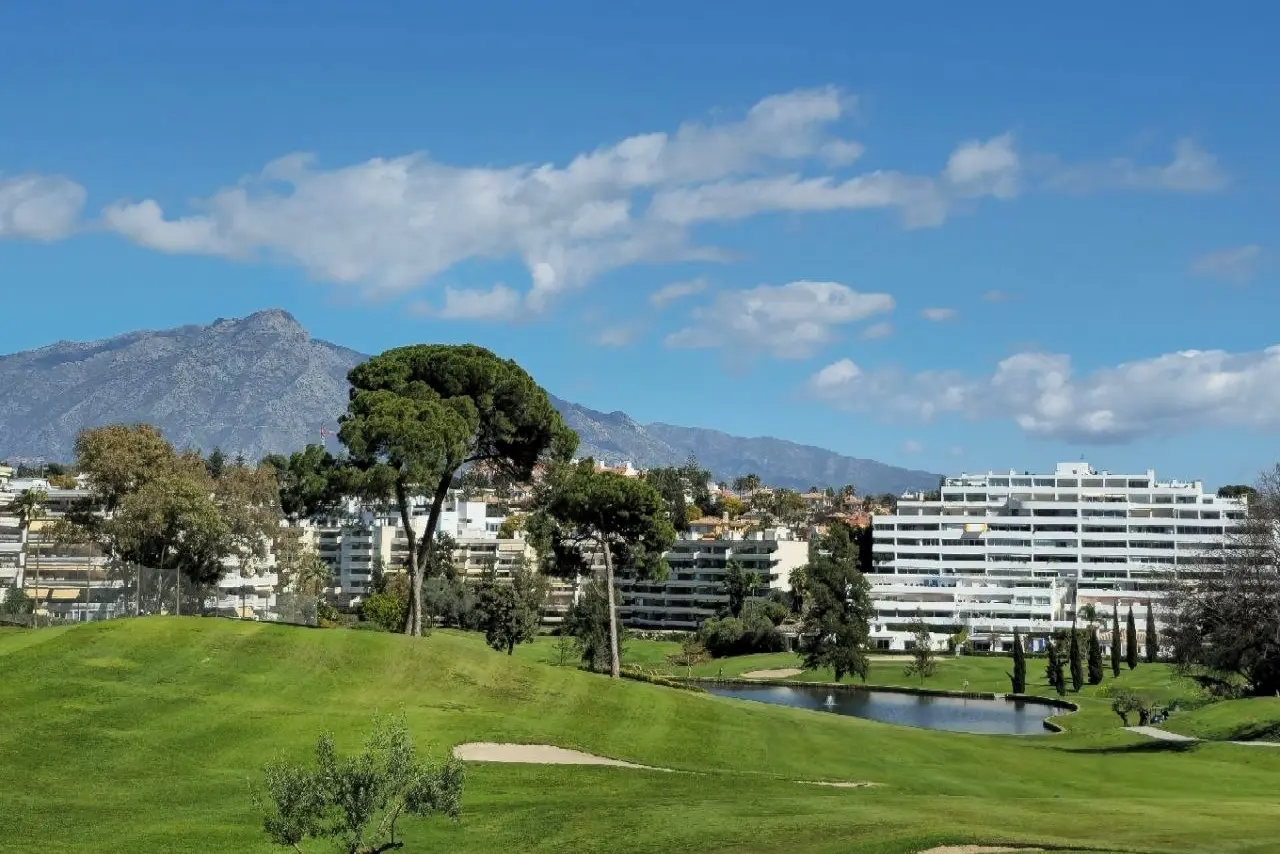
Andalusia has established itself as one of the world’s leading golf destinations, with over a hundred courses and a highly competitive offering that attracts an international clientele with high purchasing power. In this context, the Costa del Sol plays a particularly significant role, boasting one of the highest concentrations of golf courses in Europe and developing into a genuine residential ecosystem centred around the sport.
Golf and the property market
The relationship between golf and the property market is direct. Properties located in areas close to golf courses consistently enjoy higher levels of international demand, value stability and, in many cases, significant price premiums compared to comparable properties without this location. This phenomenon has helped to establish golf as a driving force behind high-quality residential development, particularly in destinations such as the Golden Triangle formed by Marbella, Estepona and Benahavís.
In this regard, the event will feature a presentation by Carlos Pitarch, Vice-President of the Spanish Golf Course Association, who will discuss the role of golf as a niche market within the property sector, analysing its ability to create destinations, attract investment and bolster the positioning of certain residential assets.
Alongside this sector-specific perspective, the session will incorporate a business-focused analysis through the case of the Polo Group. Its CEO, Sofía Polo, will examine the growth, diversification and internationalisation of a family-run business in the property sector, offering a strategic perspective on the evolution of the business in an increasingly competitive and globalised environment.
The rise of industrialised construction
The second major theme of the conference will be industrialised construction, a model that is gaining prominence in response to the sector’s key challenges: rising costs, a shortage of skilled labour and the need to reduce construction times.
“Beyond improvements in efficiency or lead times, industrialised construction points to a more profound shift in the sector’s production model. Part of the value is beginning to shift from the execution of the work towards design, engineering, industrial capacity and supply chain management. Understanding this transition is key to interpreting how the real estate sector may evolve in the coming years,” commented Professor Josep Mor Figueras, academic director of the Alfil Real Estate Chair.
The round table dedicated to this topic will feature José Ignacio Fernández de Jódar, regional director of AEDAS Homes, and Jesús Olmedo Halcón, managing director of ARQUERMO Arquitectos, who will analyse the transition from commercial construction to its application in residential development, as well as its implications in terms of scalability, efficiency and operational model.
The academic director of the chair added that “the property sector is entering a phase in which value no longer depends solely on the final product, but on the model that underpins it. Understanding how assets such as golf generate structural demand or how industrialisation transforms productive capacity is key to anticipating the direction in which the market is evolving”.
For his part, Professor Eduardo Olaya Estefan, Executive Director of the Chair, emphasised that “the Chair aims to analyse the sector from a rigorous and business-oriented perspective, linking global trends with operational realities. This conference provides an opportunity to address two fundamental questions: how value is generated in certain assets and how that value is produced efficiently”.
Academic-business meeting
The event will take place within the framework of the Chair’s Advisory Board, reinforcing its role as a meeting point between business and academia. During the session, several companies that are members of the Board will also share their vision and experience, helping to enrich the debate from different perspectives within the sector.
With this new event, the Alfil Real Estate Chair at San Telmo Business School continues to advance its objective of establishing itself as an academic benchmark in the analysis of one of the main drivers of the economy, contributing knowledge, strategic reflection and dialogue amongst the key players in the property market.
About the Alfil Real Estate Chair
The Alfil Real Estate Chair is an academic initiative of San Telmo Business School, based in Málaga and supported by Grupo Alfil and other leading companies in the sector. Its aim is to bring together representatives from the business, financial and urban planning sectors to analyse the main challenges facing the property market, identify trends and develop strategic and viable proposals.