


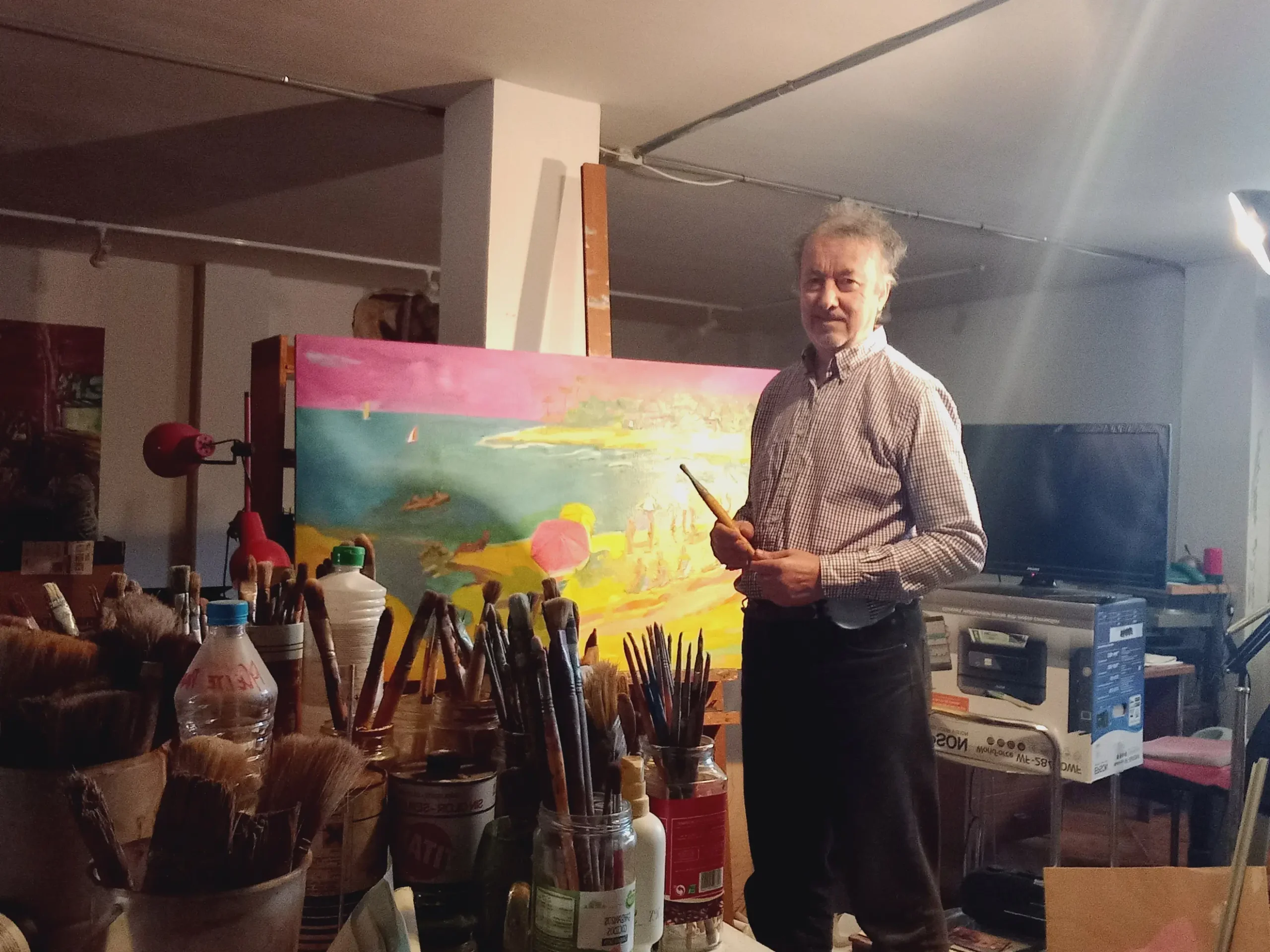
Born in Seville in 1955, José Bautista is a plastic artist with a doctorate in Fine
Arts who lives in Valencia. He studied in Barcelona and Valencia, cities that gave
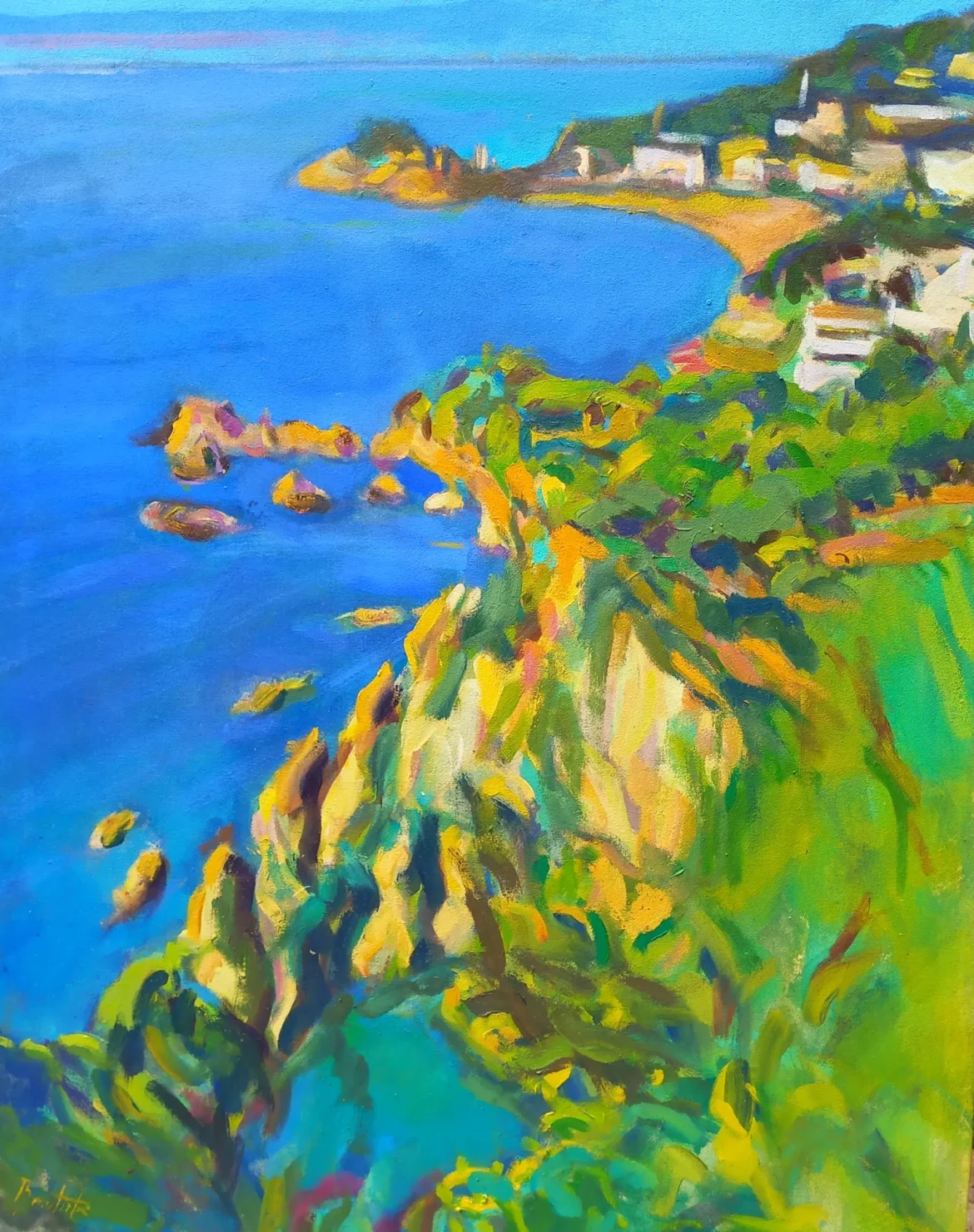
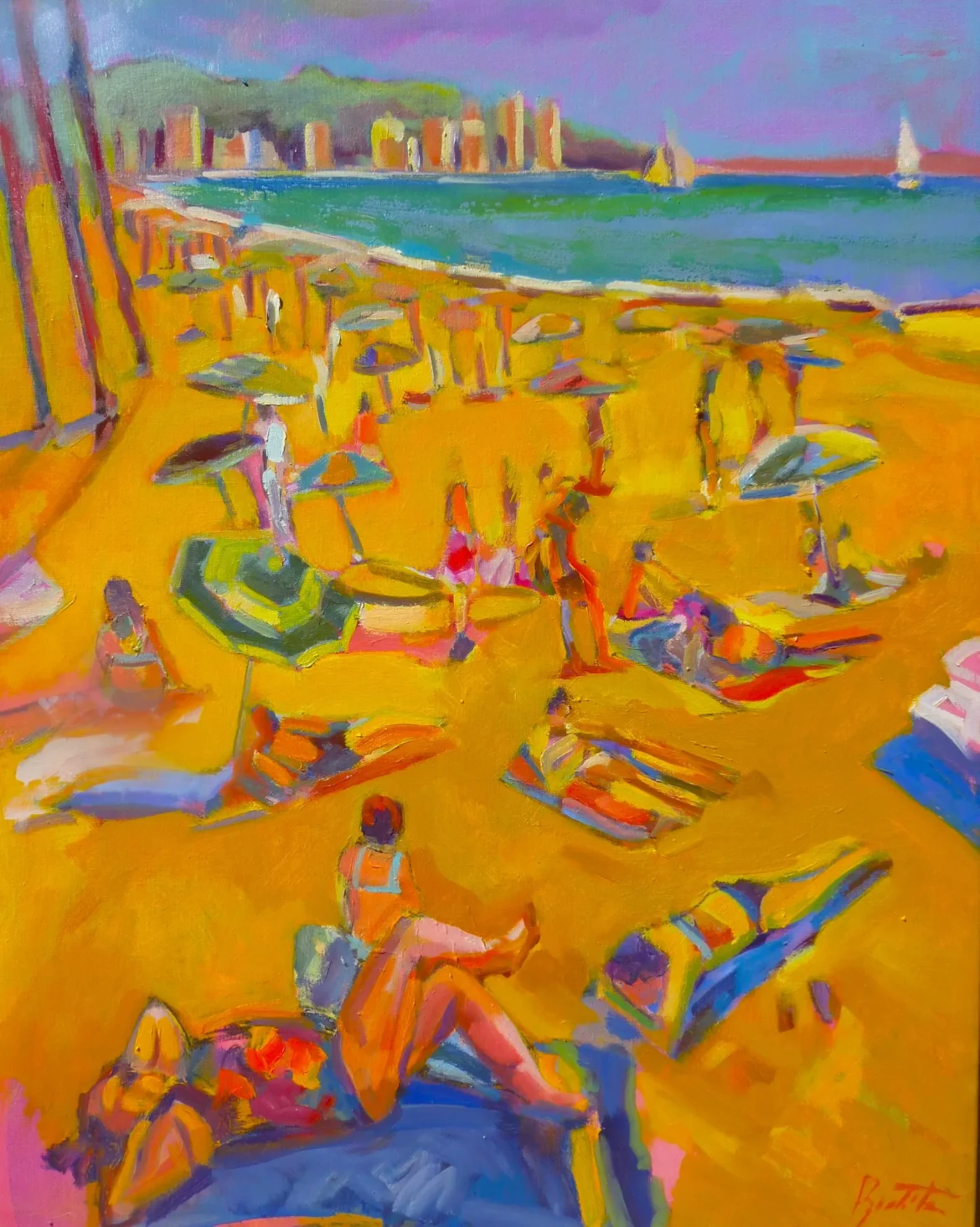
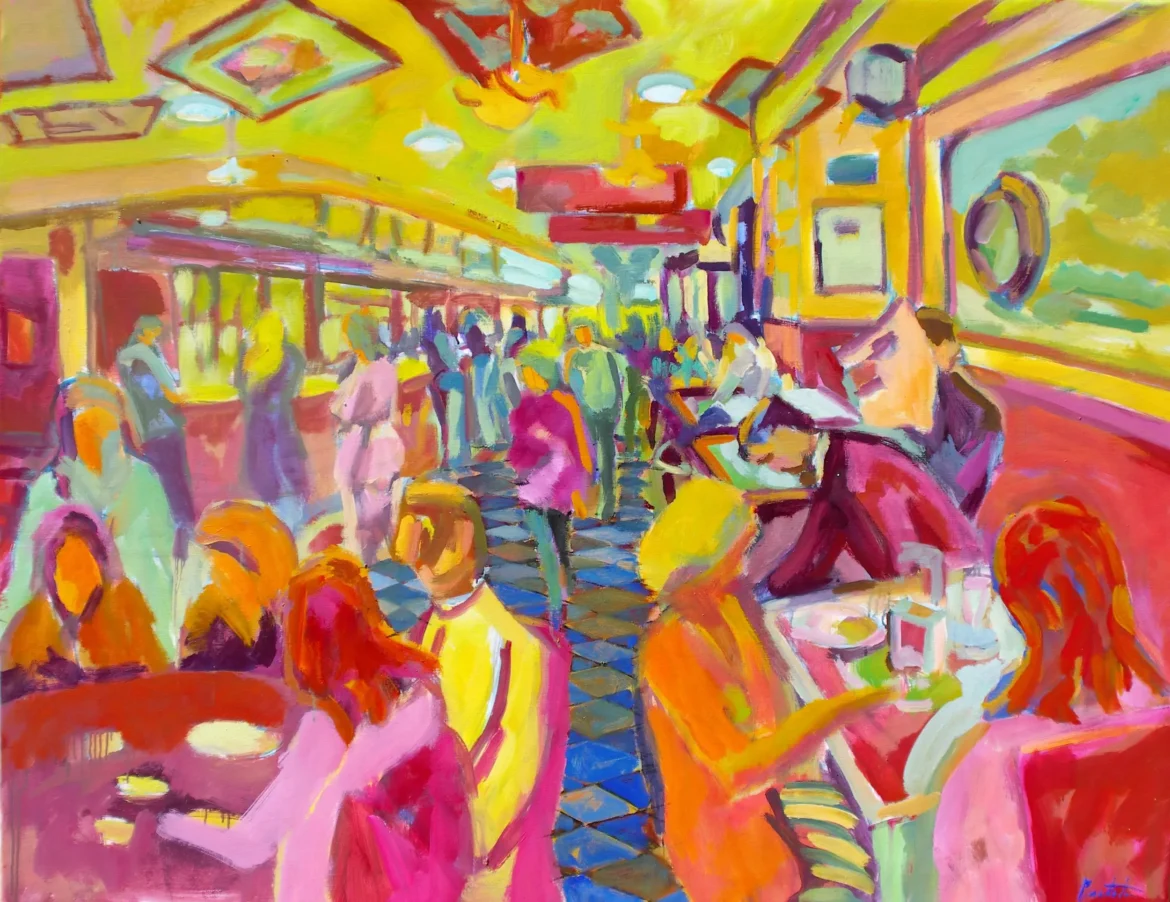
him the energy and influence for his Fauvist colour. Sorolla and Picasso are his
inspirations, which is reflected in his bold and expressive use of colour.
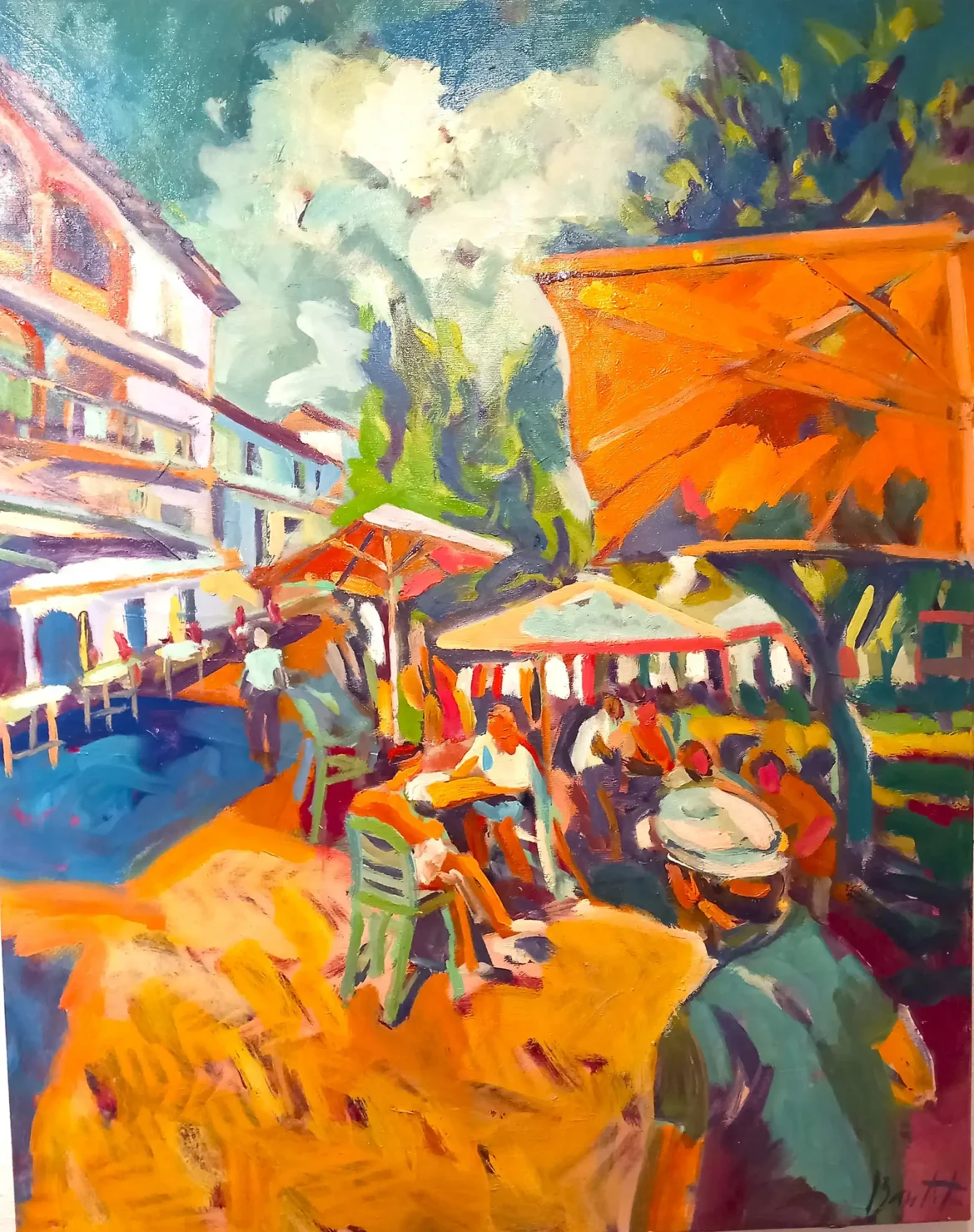
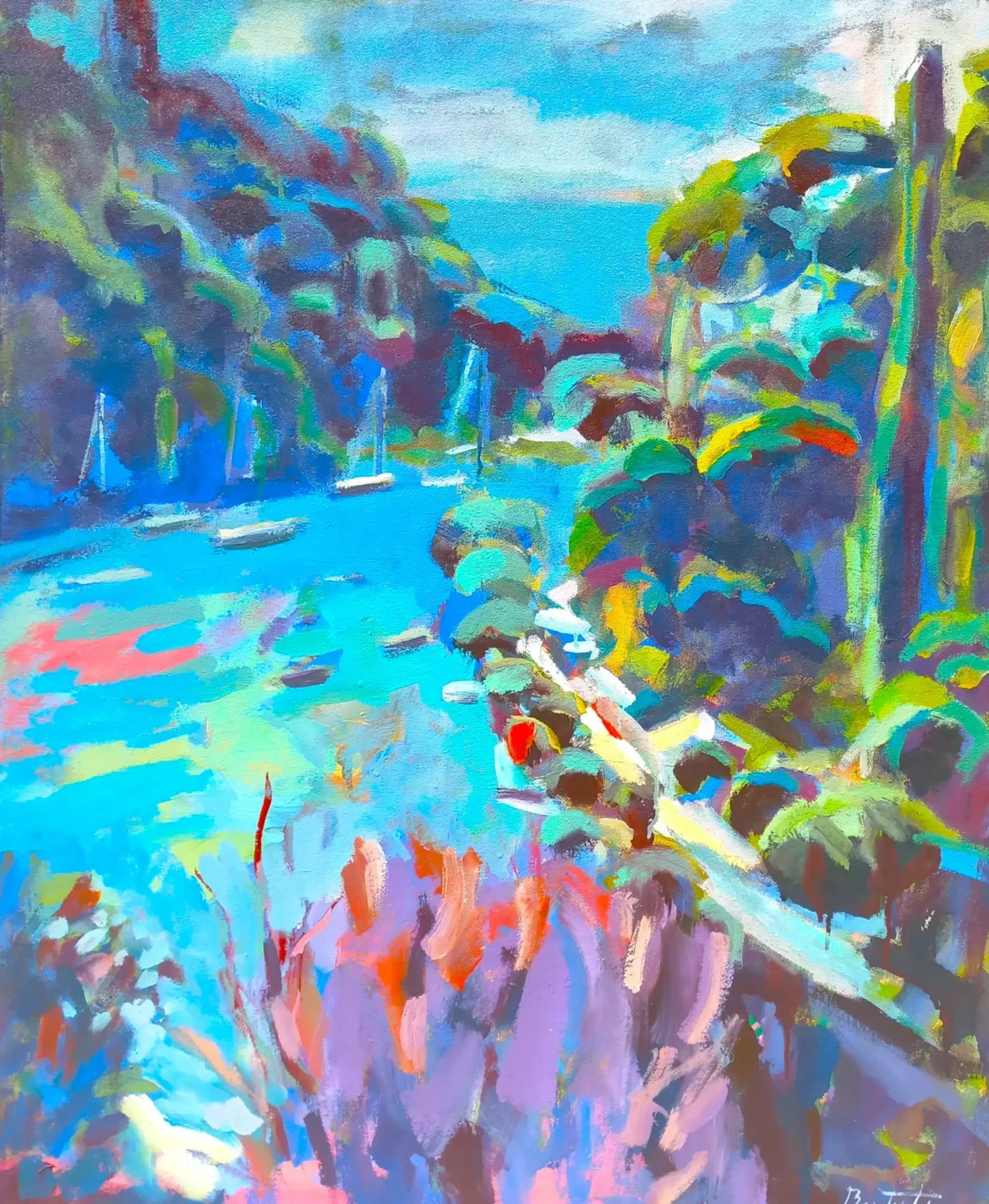
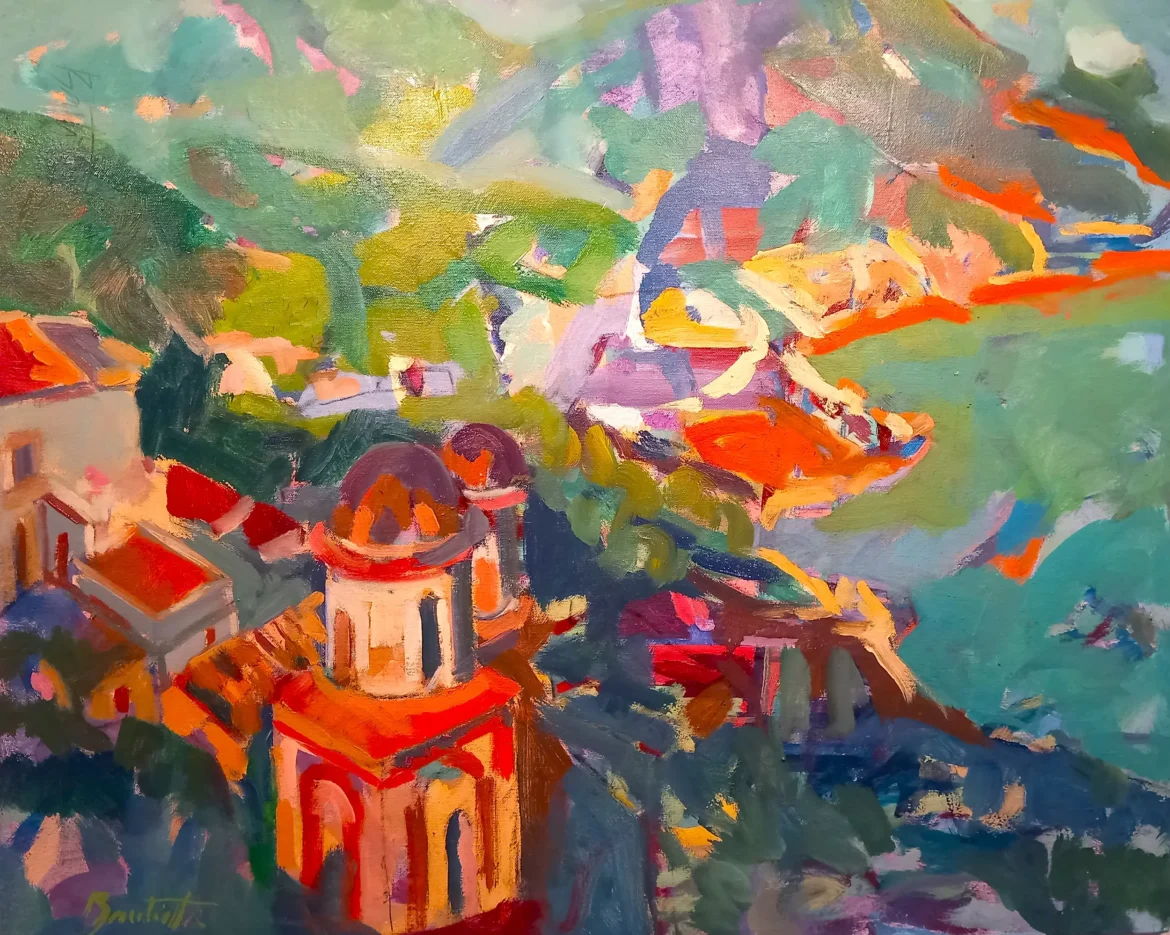
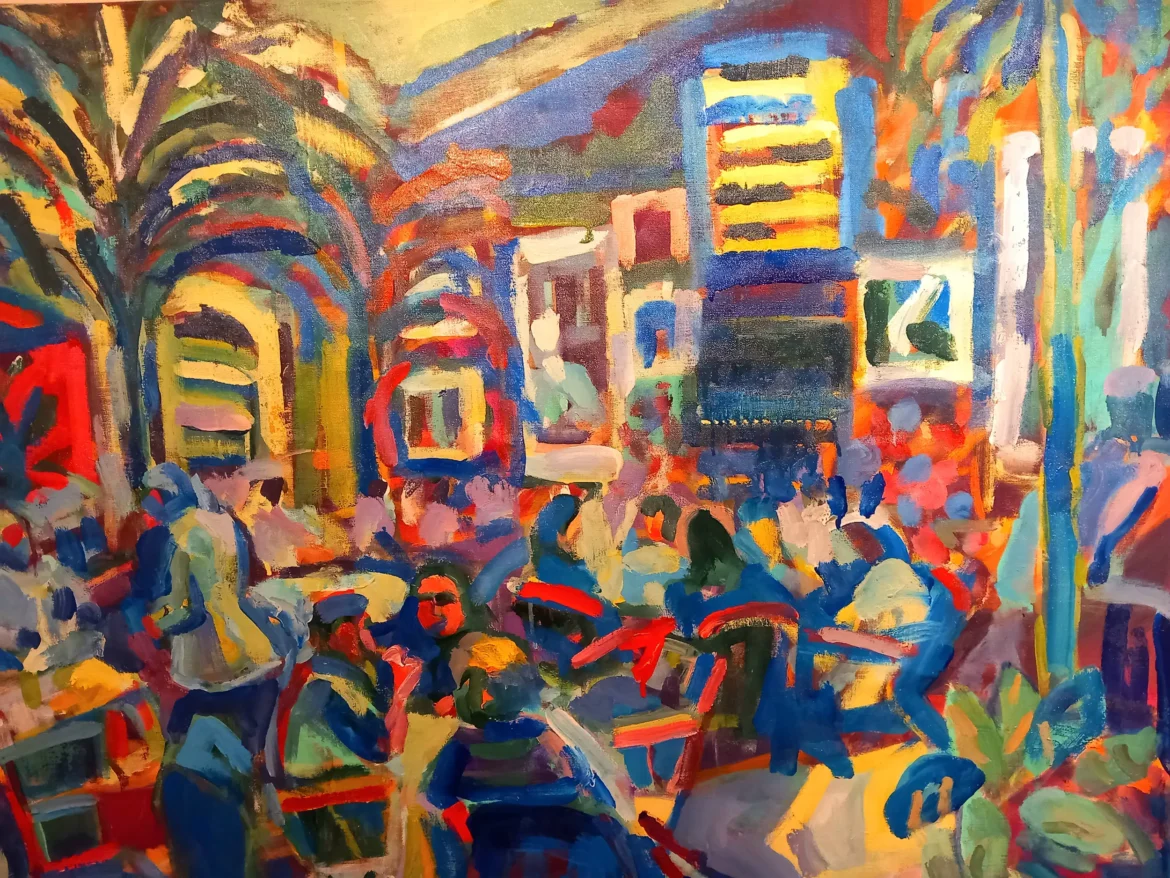
José Bautista displays remarkable technical skill in his paintings, which is evident in his use of colour and composition. His style can be described as a fusion of the classical and contemporary, combining traditional techniques with modern approaches. His use of oils and acrylics (depending on the technique he employs) allows for a depth and texture that add dimension to his works. The precise brushstrokes and attention to detail reflect a meticulous dedication to his profession. Bautista’s work often explores profound and universal themes such as identity, human nature, and the passage of time. His paintings are not only visually appealing but also thought-provoking. He uses symbolism that, although subtle, enriches the visual narrative. Recurring elements, such as certain natural motifs or abstract figures, serve to link his works in an ongoing dialogue about the human condition.
Colour in Bautista’s work is not merely decorative but plays a crucial role in conveying emotion and mood. His palette ranges from vibrant, energetic hues to darker, more melancholic tones, reflecting the full spectrum of human experience. The way he contrasts and harmonises colours demonstrates a deep understanding of colour theory and its psychological impact.
Bautista’s compositions show a careful balance between the elements, guiding the viewer’s eye fluidly through the work. He uses space to create a sense of depth and perspective, inviting the viewer into the world he has constructed. The arrangement of elements within the frame reflects a conscious consideration of visual dynamics and compositional balance.
Although influences from earlier artistic movements such as Romanticism, Impressionism, and certain strands of Symbolism can be identified in his work, Bautista reinterprets these references through a distinctly contemporary lens. Rather than replicating past aesthetics, he integrates them into a personal visual language that feels both timeless and current. This synthesis of influences underscores his ability to honour tradition while pushing the boundaries of modern artistic expression.
Due to his ability to capture universal experiences and emotions, José Bautista’s work resonates with a wide and diverse audience. He has established himself not only as a talented painter, but also as a visual storyteller capable of forging emotional connections with viewers. His work has the potential to endure over time, both for its technical excellence and its thematic relevance. Bautista stands out as an artist whose paintings reveal not only refined craftsmanship but also profound conceptual depth. His capacity to merge traditional elements with modern approaches, along with his deliberate use of colour and composition, positions him as a significant figure in the contemporary art scene. His works invite introspection and dialogue, ensuring their impact and longevity within the history of art.
He has taken his art across the globe. The countries that have played a meaningful role in his career include Spain, Japan, the United States, Germany, France, Belgium, Austria, and the Netherlands. Throughout his trajectory, he has presented more than forty solo exhibitions and over one hundred group exhibitions, and he has received international awards—including distinctions in New York—as well as three notable exhibitions at the European Parliament and at the United Nations in Vienna.
Most recently, José Bautista was featured among the selected artists in the exhibition “From Abstraction to Surrealism” at Metamorphose Gallery, reaffirming his ongoing relevance and artistic evolution on the international stage.
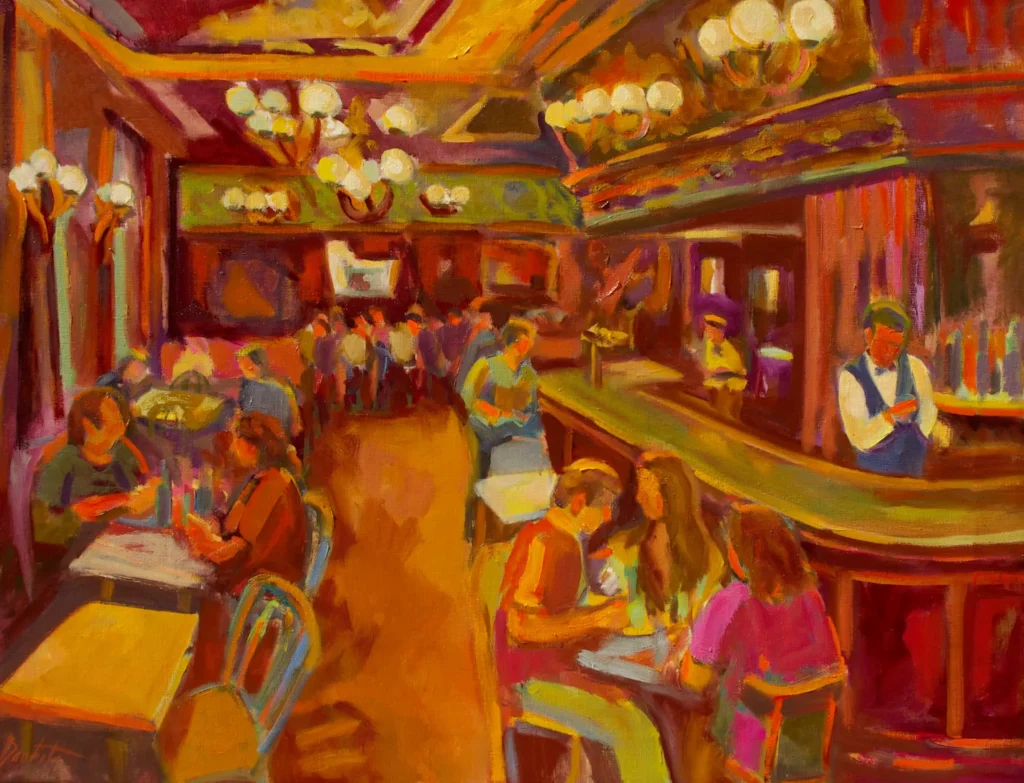
José Bautista, born in Seville in 1955, is a visual artist and Doctor of Fine Arts currently living in Valencia. He studied in Barcelona and Valencia, cities from which he absorbed the energy and influence that shaped his fauvist use of colour. Sorolla and Picasso are among his main inspirations, reflected in his bold and expressive approach to colour. José Bautista demonstrates remarkable technical skill in his paintings, evident in his command of colour and composition. His style can be described as a fusion of the classical and the contemporary, combining traditional techniques with modern approaches. His use of oil or acrylic (depending on the technique he employs) adds depth and texture to his works. The precision of his brushstrokes and his attention to detail reflect a meticulous dedication to his craft.
Bautista often explores profound and universal themes such as identity, human nature, and the passage of time. His paintings are not only visually appealing but also invite reflection. He uses symbolism that, although subtle, enriches the visual narrative. Recurring elements, such as certain natural motifs or abstract figures, serve to connect his works in a continuous dialogue about the human condition.
Colour in Bautista’s work is not merely decorative; it plays a crucial role in conveying emotions and moods. His palette ranges from vibrant, energetic tones to darker, more melancholic shades, reflecting the full spectrum of human experience. The way he contrasts and harmonises colours demonstrates a deep understanding of colour theory and its psychological impact.
Bautista’s compositions show a careful balance between elements, guiding the viewer’s eye fluidly through the work. He uses spatiality to create a sense of depth and perspective, inviting the viewer into the world he has created. The arrangement of elements within the frame reflects a deliberate consideration of visual dynamics and compositional balance.
Although influences from earlier artistic movements such as Expressionism or Fauvism can be detected in his work, Bautista manages to maintain an original and distinctive voice. His ability to integrate these influences without losing his artistic identity is a testament to his maturity and confidence as an artist. Each work feels both like an homage to his predecessors and a unique personal statement.
José Bautista’s work resonates with a broad audience due to his ability to capture universal experiences and emotions. He has established himself not only as a talented painter but also as a visual storyteller who touches the sensibilities of his viewers. His work has the potential to endure over time, both for its technical quality and thematic relevance.
José Bautista stands out as an artist whose paintings demonstrate not only technical skill but also conceptual depth. His ability to combine traditional elements with modern approaches, along with his conscious use of colour and composition, positions him as a relevant figure in the contemporary art scene. His works invite introspection and dialogue, ensuring their impact and longevity in the history of art.
He has taken his art around the world, with countries such as Spain, Japan, the United States, Germany, France, Belgium, Austria and the Netherlands playing a significant role in his career. He has held more than 40 solo exhibitions and 100 group exhibitions, receiving international awards such as in New York. Notable highlights include three exhibitions at the European Parliament and the United Nations in Vienna.
José Bautista has recently been part of the group of artists featured in the exhibition “From Abstraction to Surrealism” at Metamorphose Gallery.
“His ability to combine traditional elements with modern approaches, together with his conscious use of colour and composition, positions him as a relevant figure in the contemporary art scene. His works invite introspection and dialogue, ensuring their impact and longevity in the history of art.”